
ALGERIA: Constantine, City of Bridges
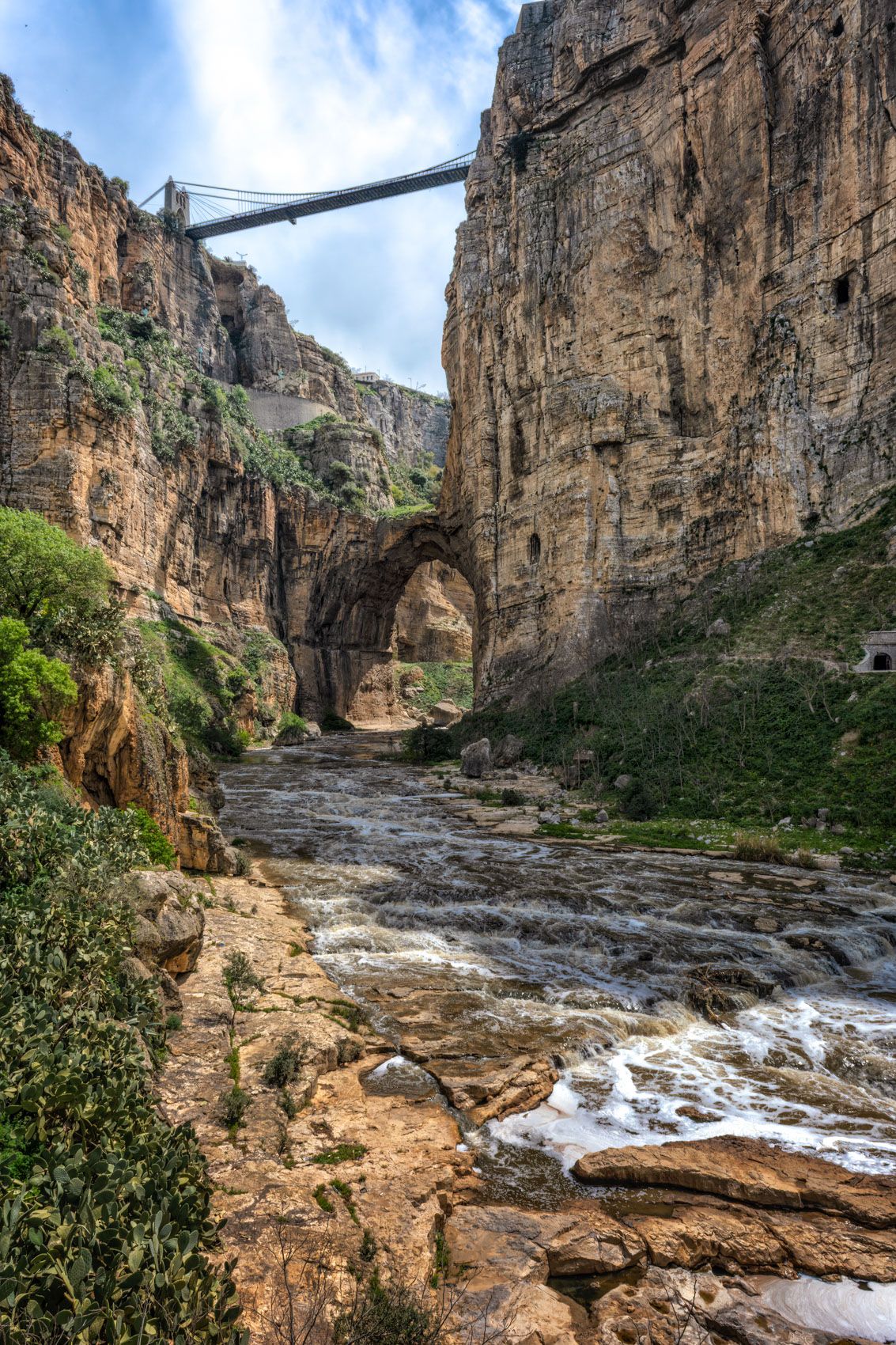
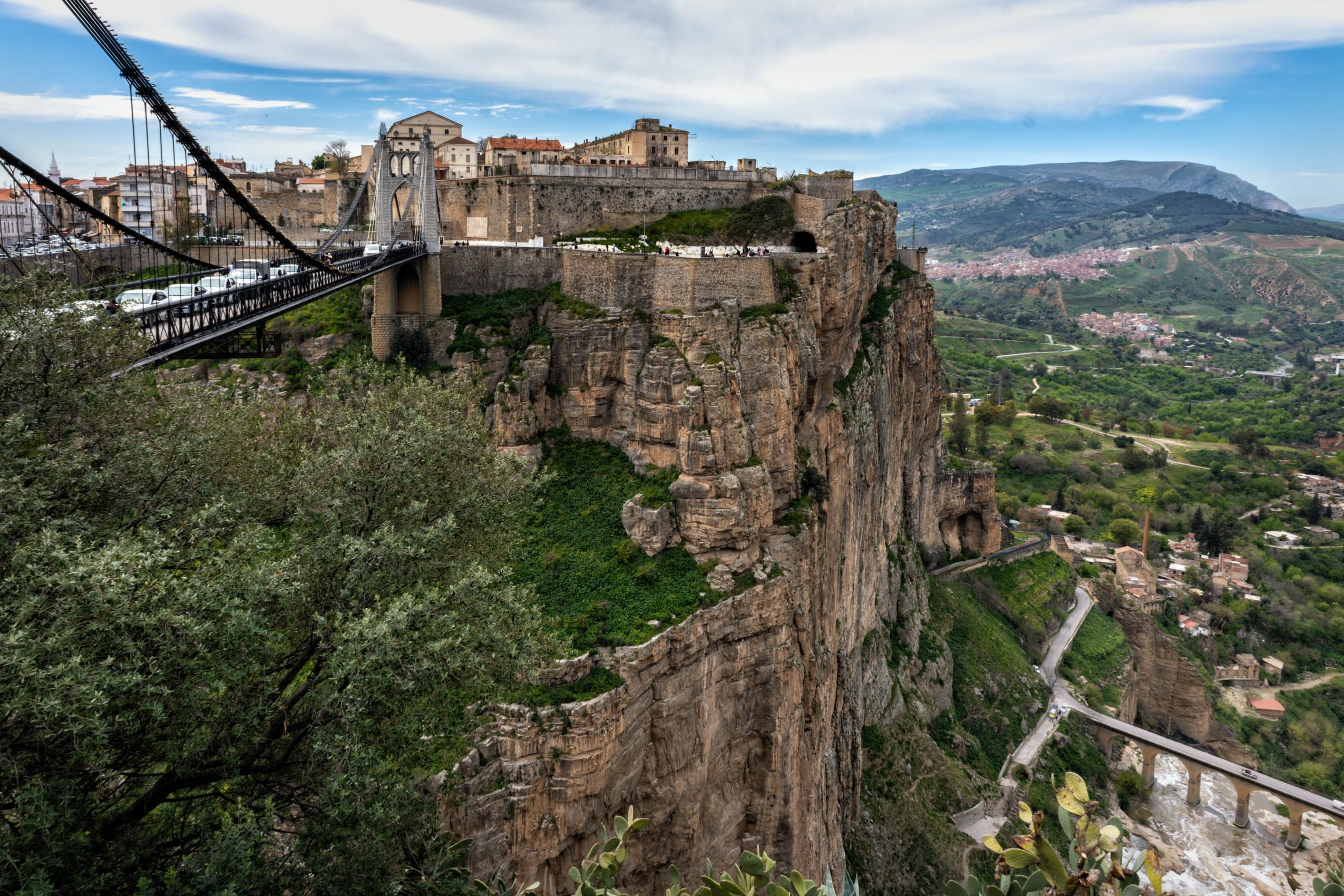
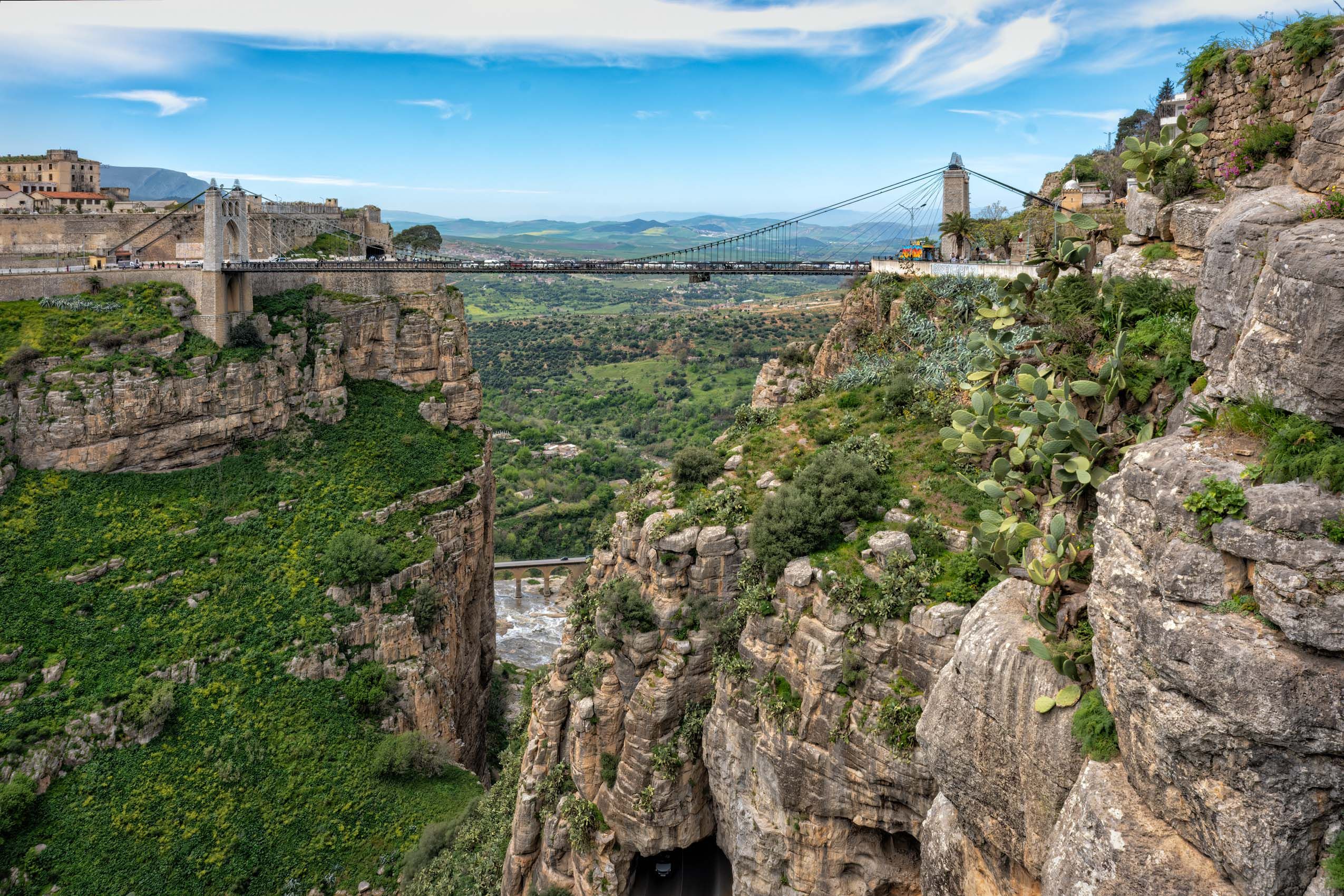
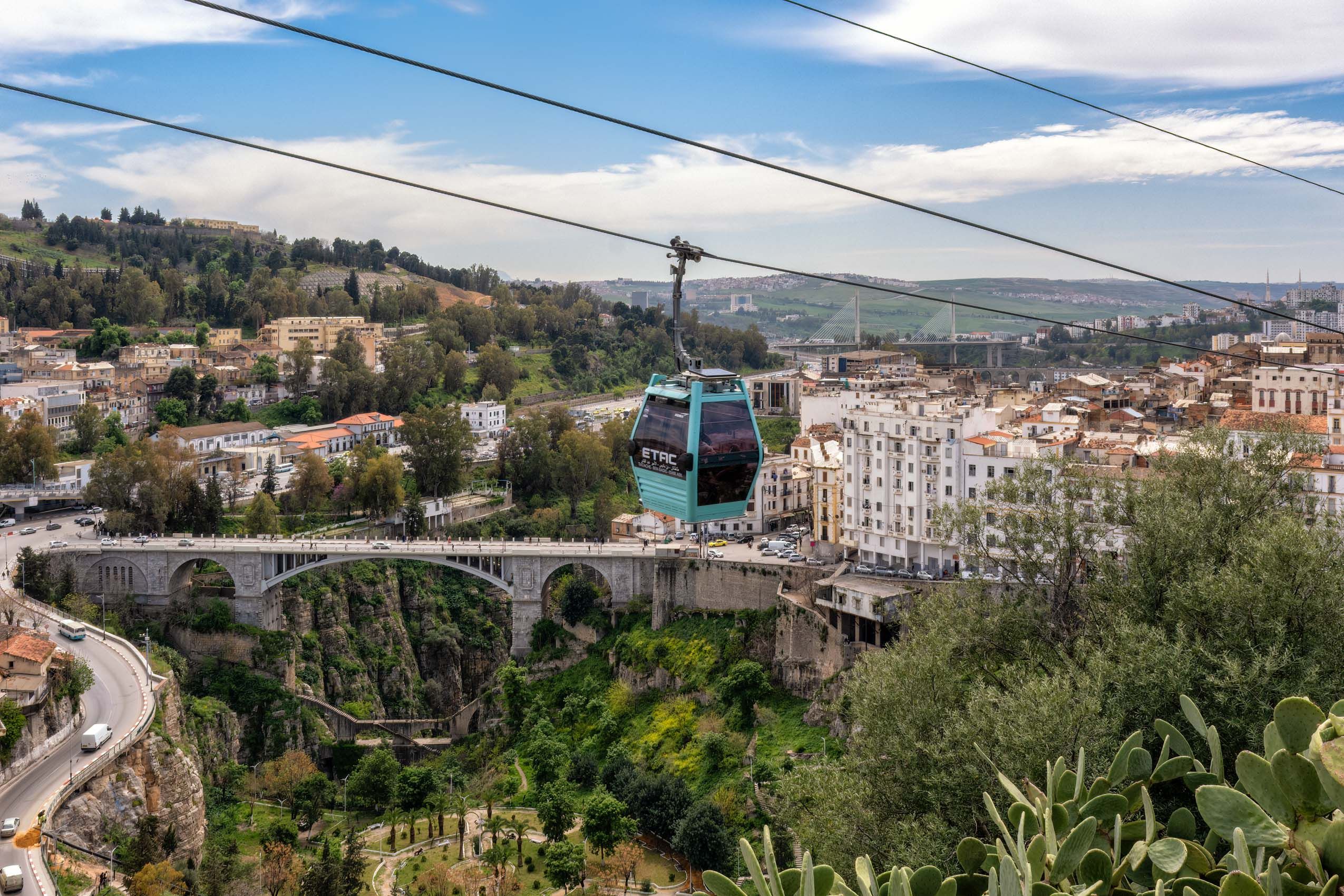
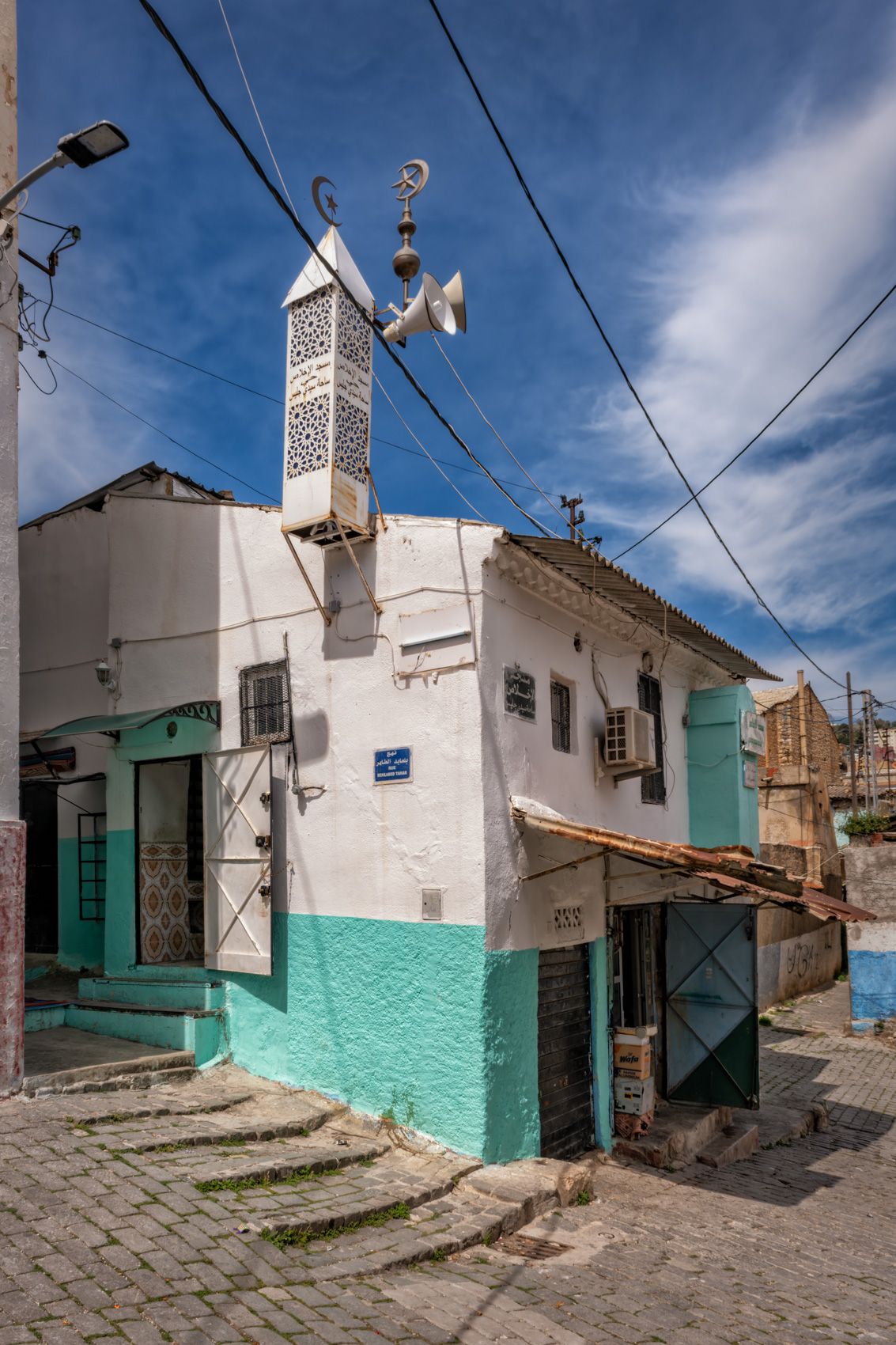
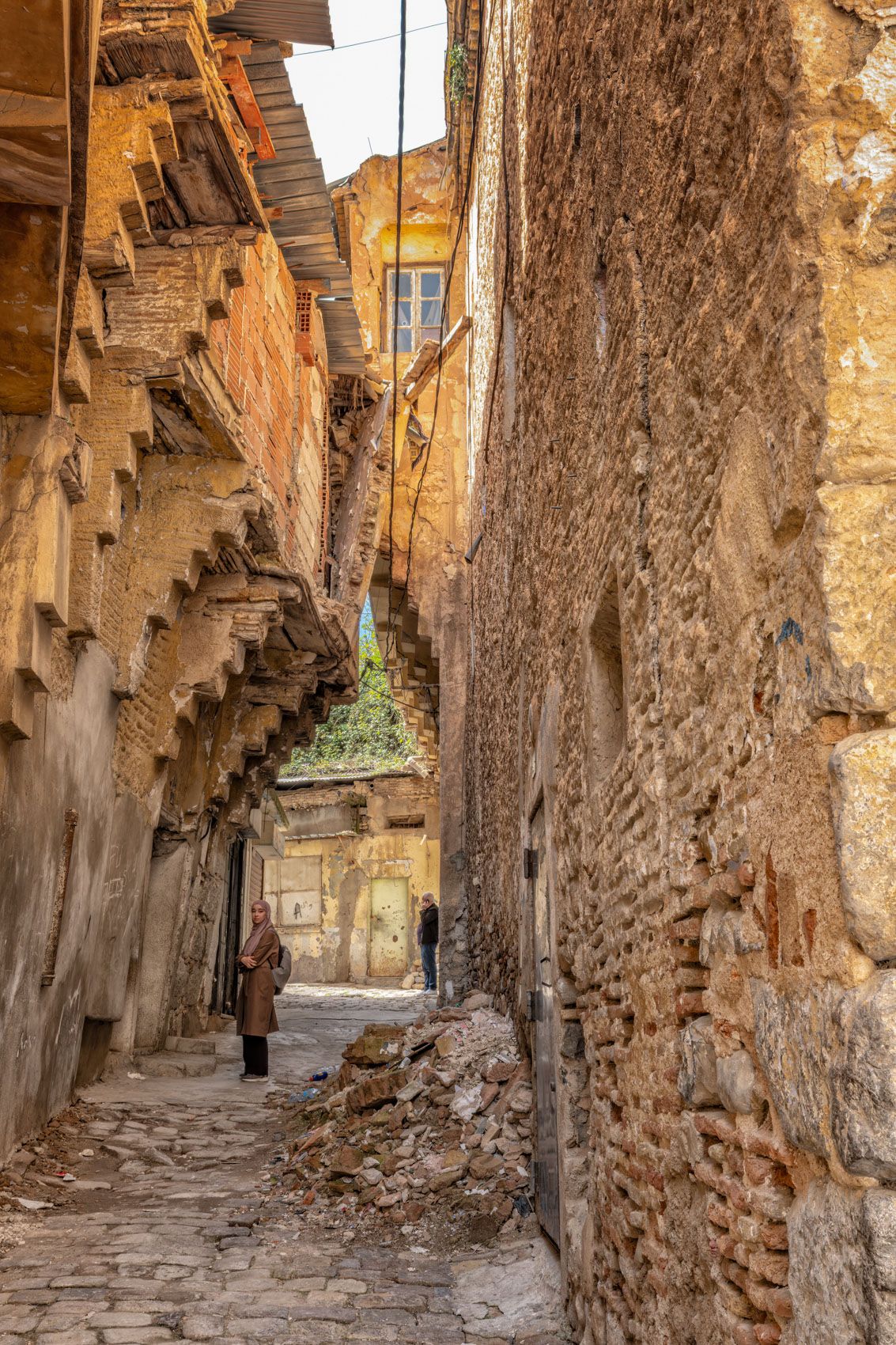
Perched dramatically atop a rocky plateau in northeastern Algeria, Constantine is one of the oldest continuously inhabited cities in the world, its roots stretching back more than 2,500 years. Constantine today is Algeria's third-largest city, a place where Roman stones sit beside Ottoman minarets and French-era boulevards. Known as the "City of Bridges," it owes this romantic title to its extraordinary geography: the city sits on a massive outcrop of rock, cleaved on almost all sides by the deep, vertiginous gorge of the Rhumel River. This natural moat, carved hundreds of metres into the earth over millennia, made the city a near-impregnable fortress for most of its history, and it is the bridges that span this great chasm — some of the most dramatic urban crossings in the world — that define Constantine's essence. The bridges themselves range from the ancient to the boldly modern. The Sidi M'Cid Bridge, suspended high above the gorge, was for a time one of the highest suspension bridges on earth when it was completed in 1912 under French colonial rule. The El Kantara Bridge, by contrast, has Roman foundations.
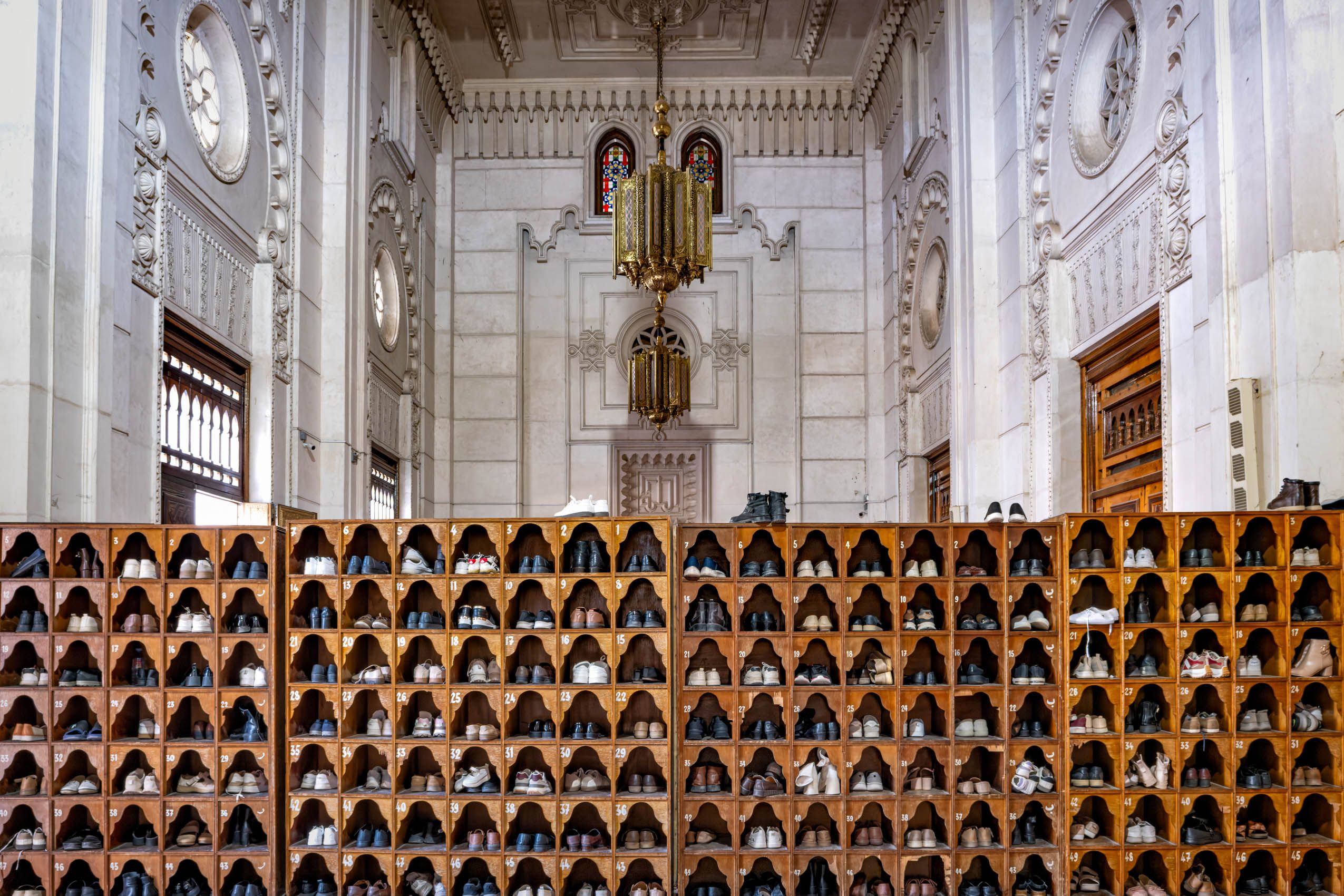
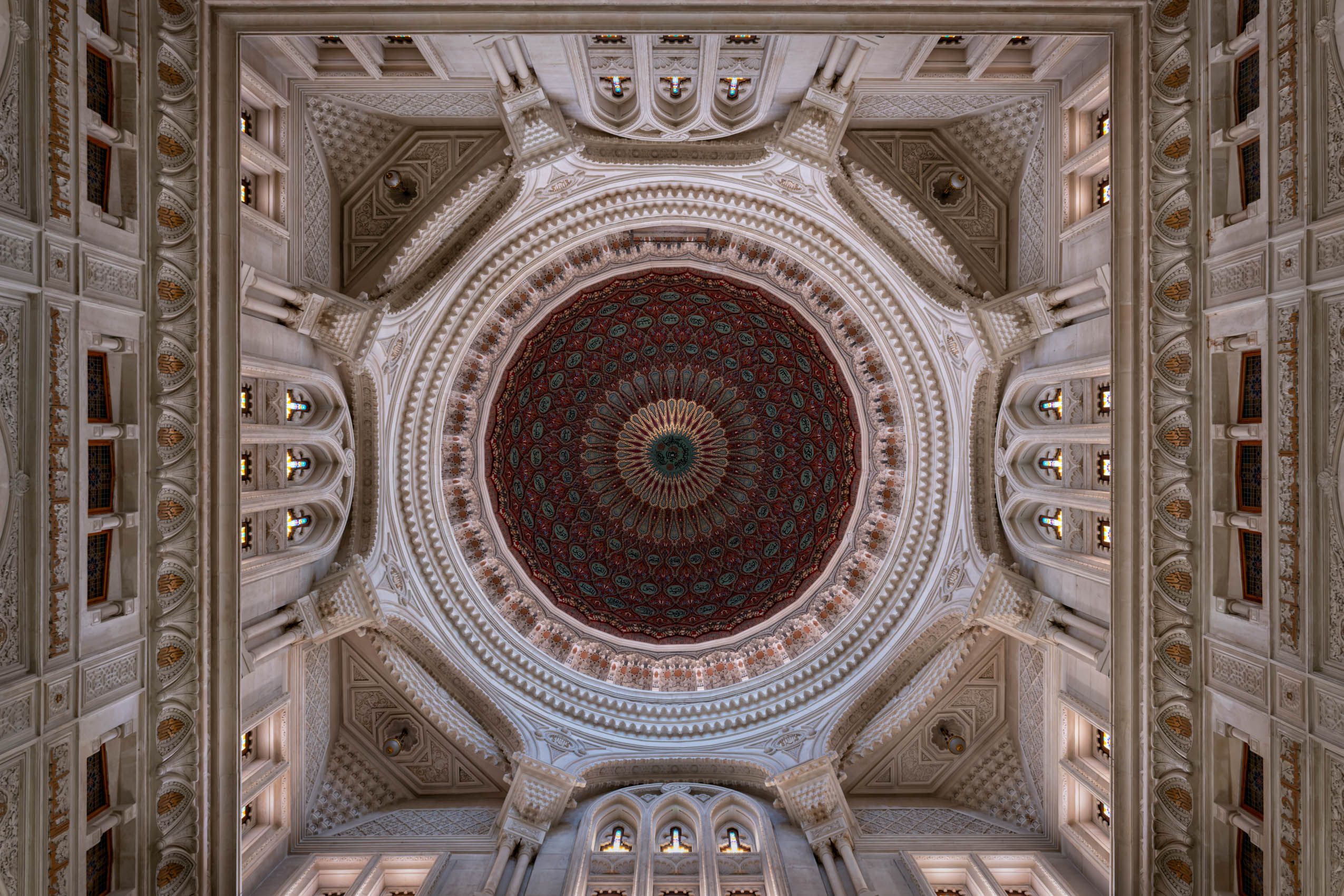
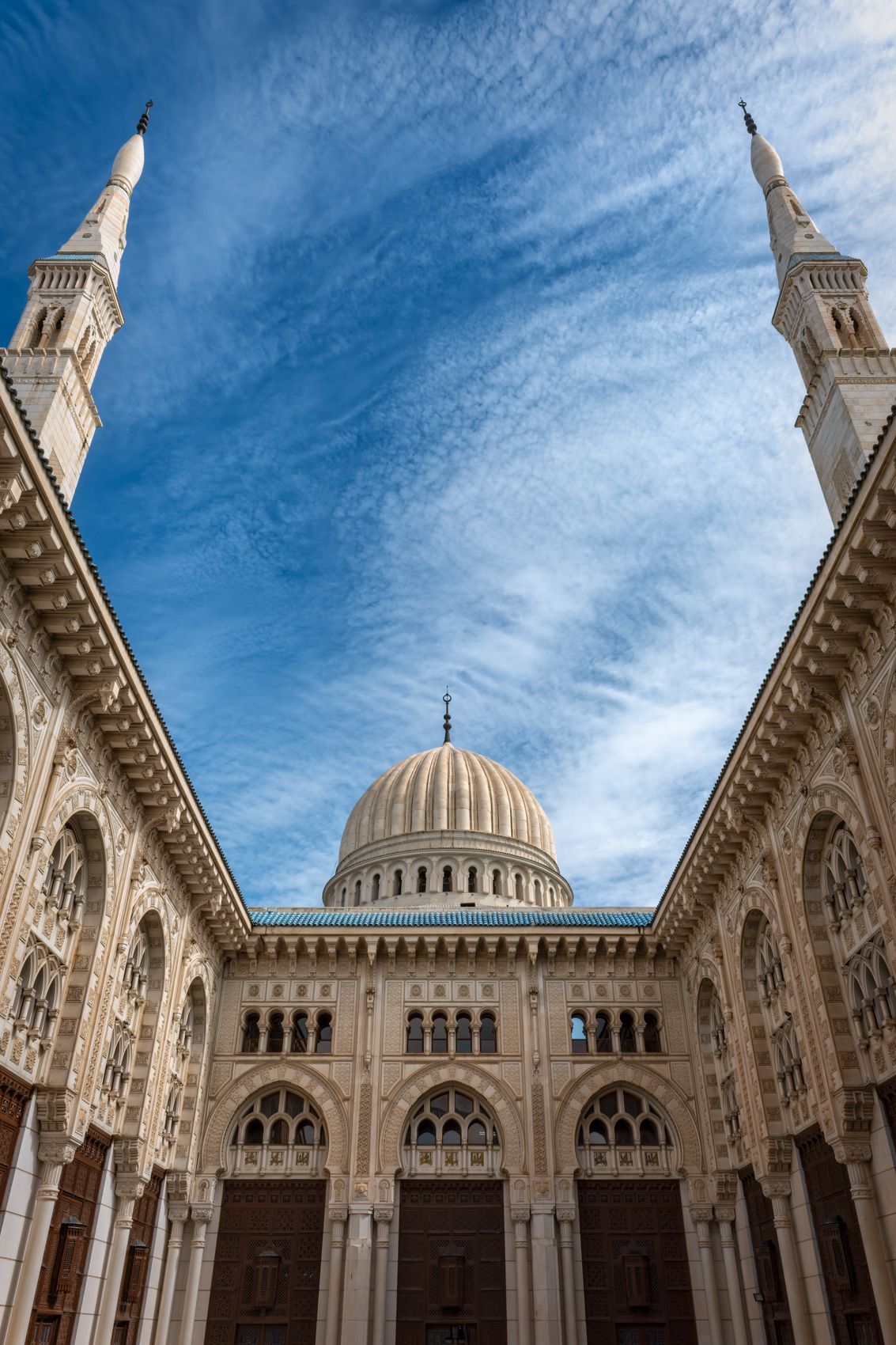
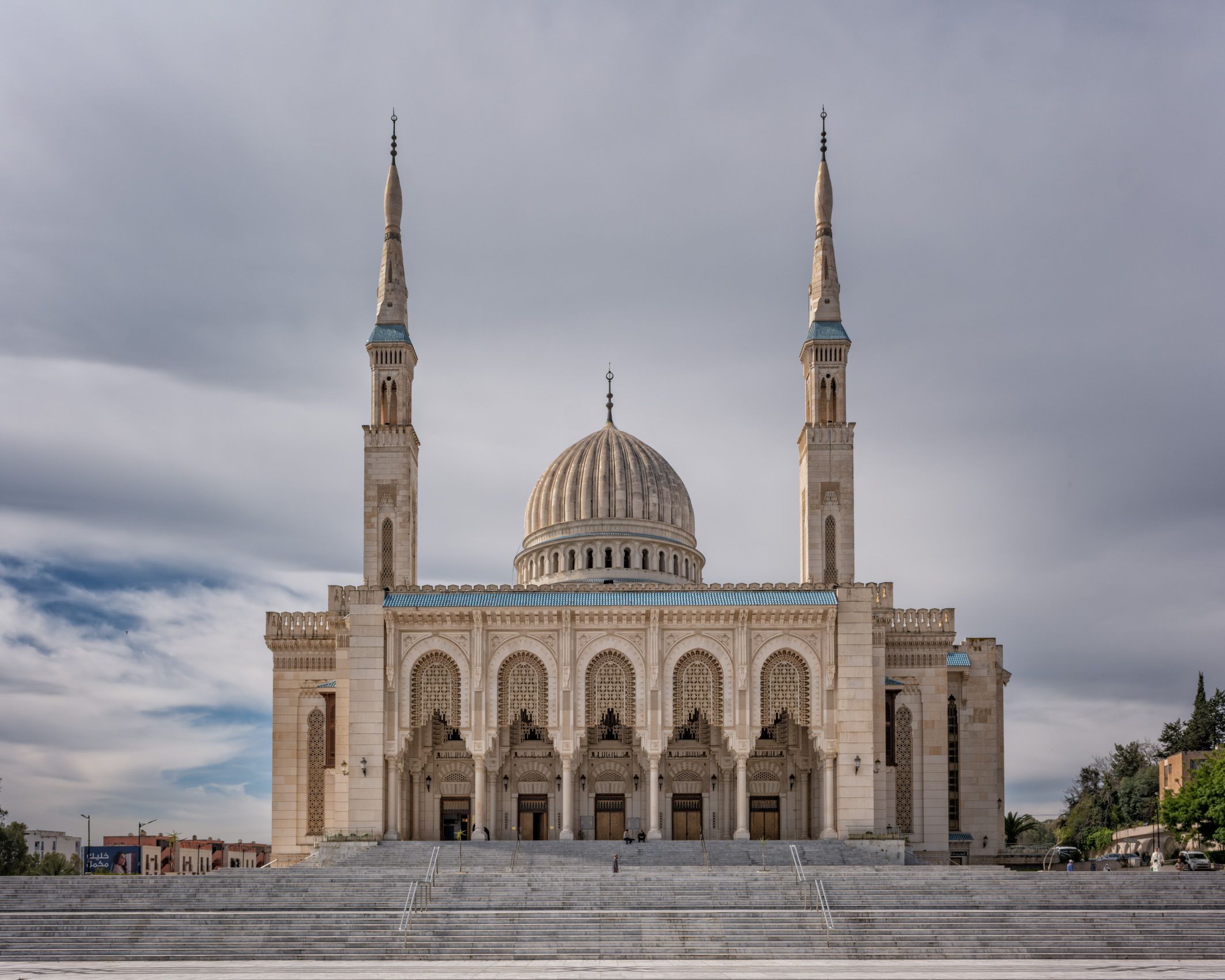
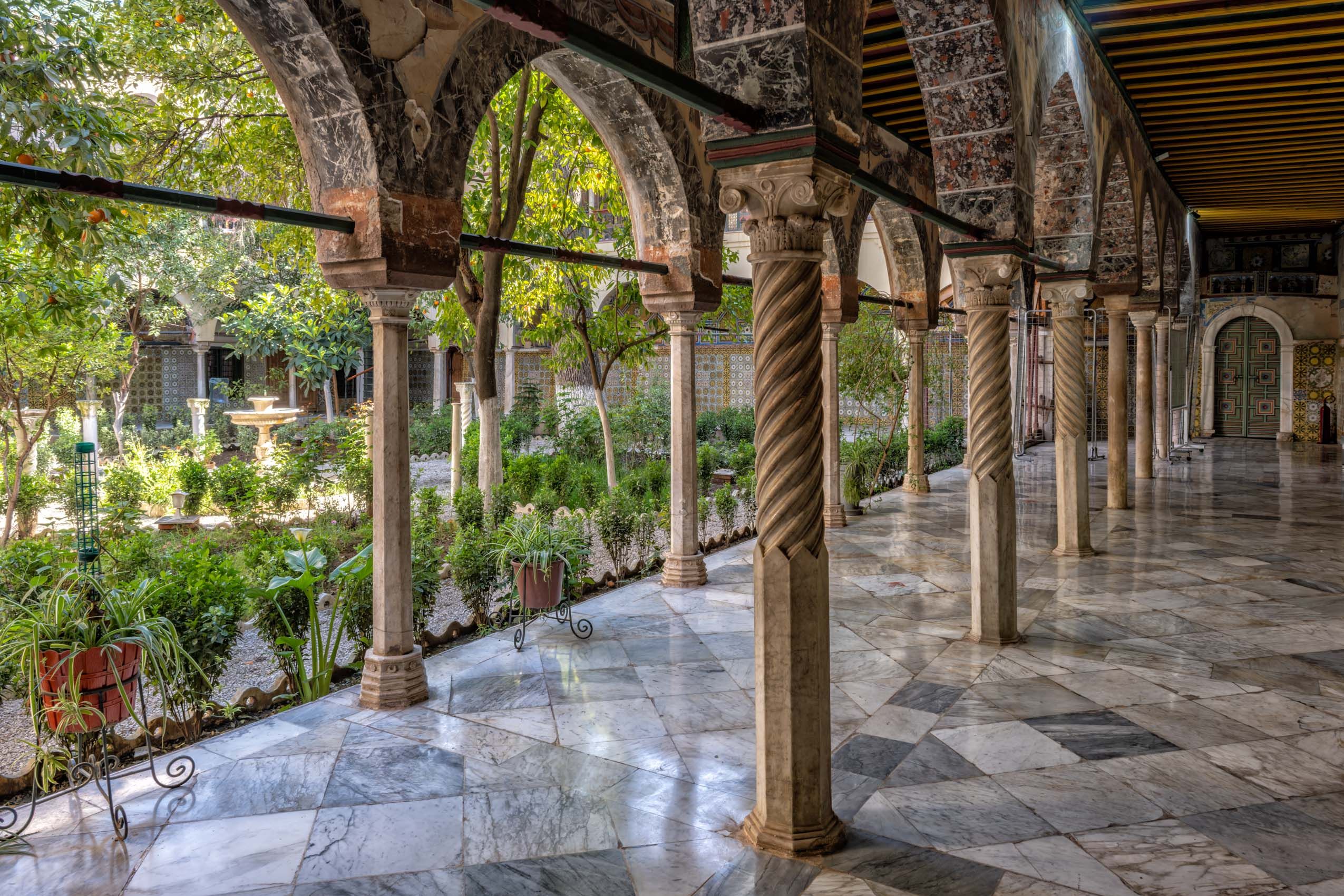
The ancient Numidians knew the city as Cirta, and it served as the capital of the Numidian kingdom whose most famous ruler, Jugurtha, fought a legendary war against Rome. After a period of ruin, the Roman Emperor Constantine the Great rebuilt and renamed the city in his own honour in 313 AD, bestowing upon it the name it carries to this day. Through Byzantine, Arab, Ottoman, and French epochs, the city endured and evolved, each civilisation leaving its mark on the stones of the plateau. At the heart of the city's spiritual life stands the grand Emir Abdelkader Mosque, completed in 1994. Named for the revered Algerian resistance leader and scholar who fought French colonisation in the nineteenth century, the mosque is one of the largest in North Africa. Built in an Andalusian-Moorish style that pays homage to the great mosques of the medieval Islamic world, it is adorned with intricate tilework, carved stucco, and soaring arches. Attached to the mosque is a university of Islamic sciences, making the complex not merely a house of prayer but a living centre of learning and culture.