
ALGERIA: Ghardaia and the M'zab Valley
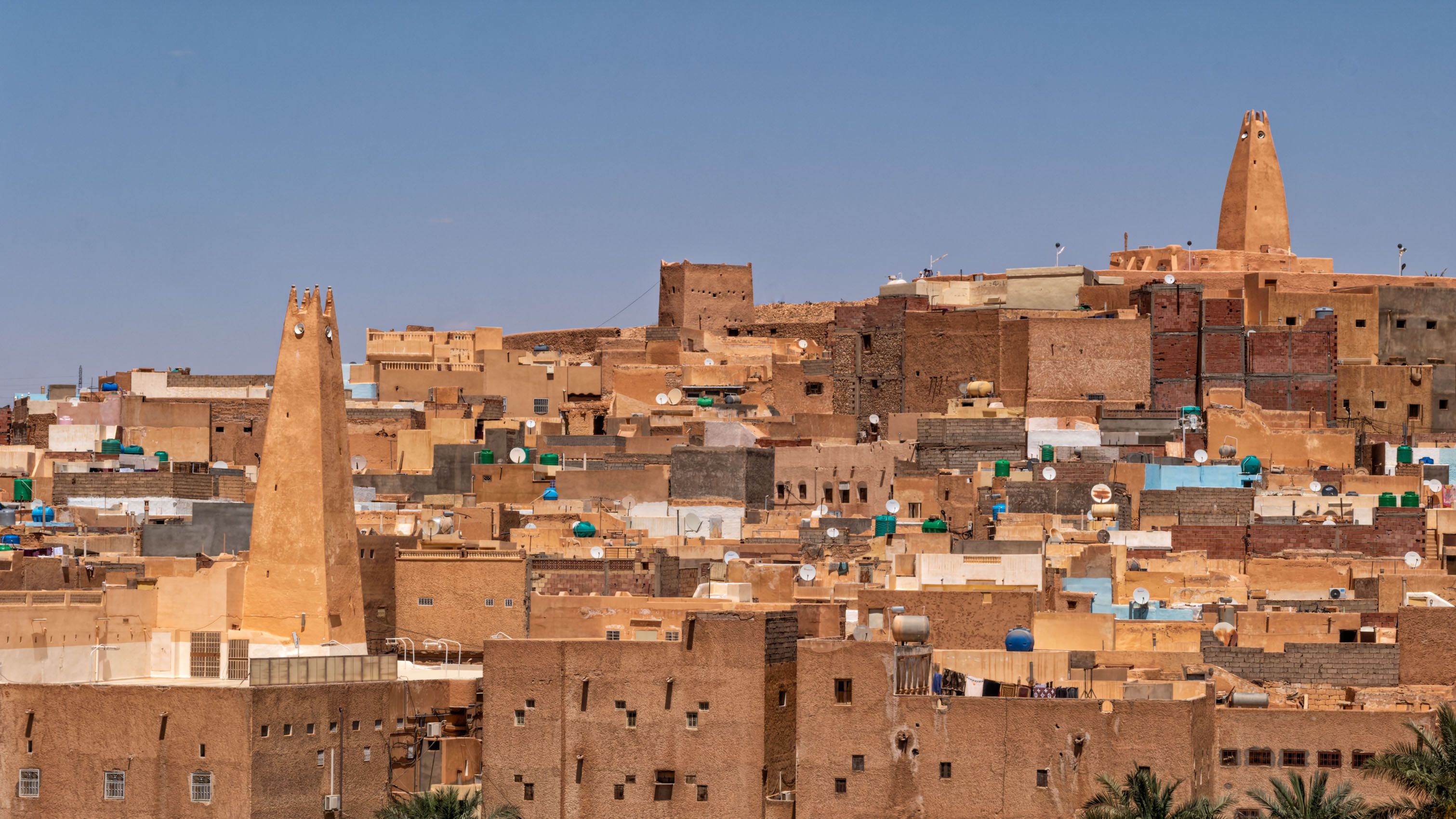
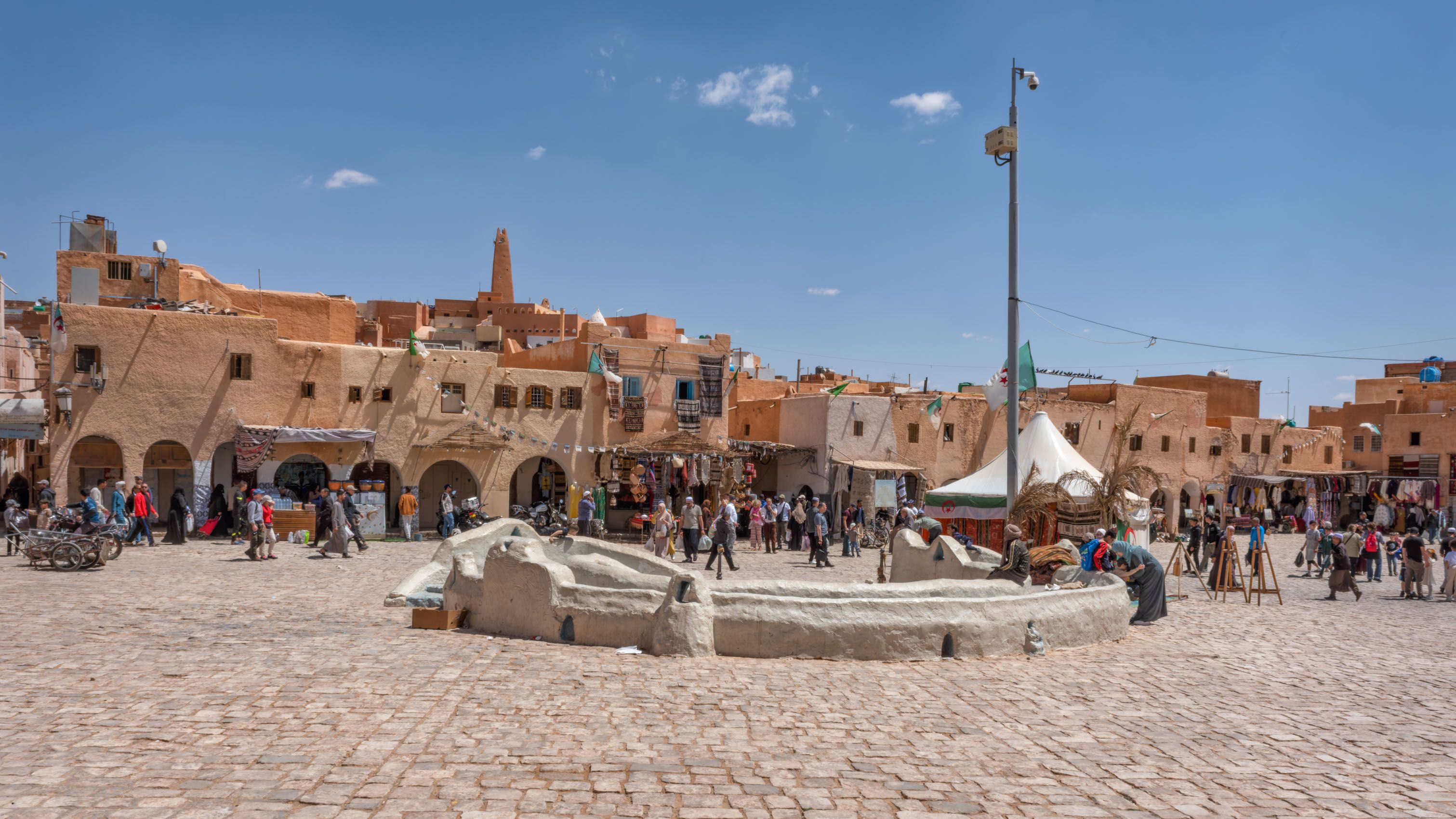
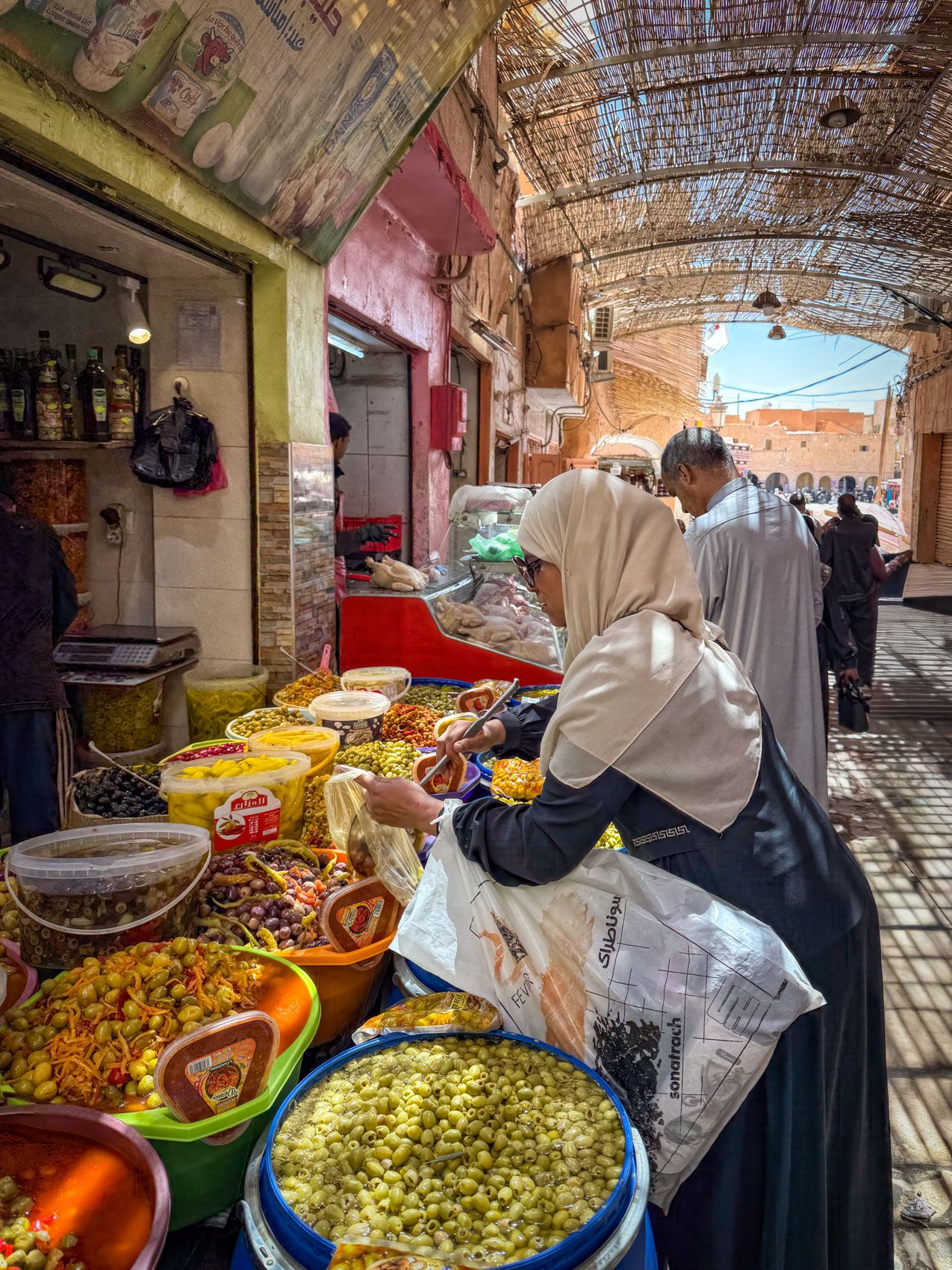
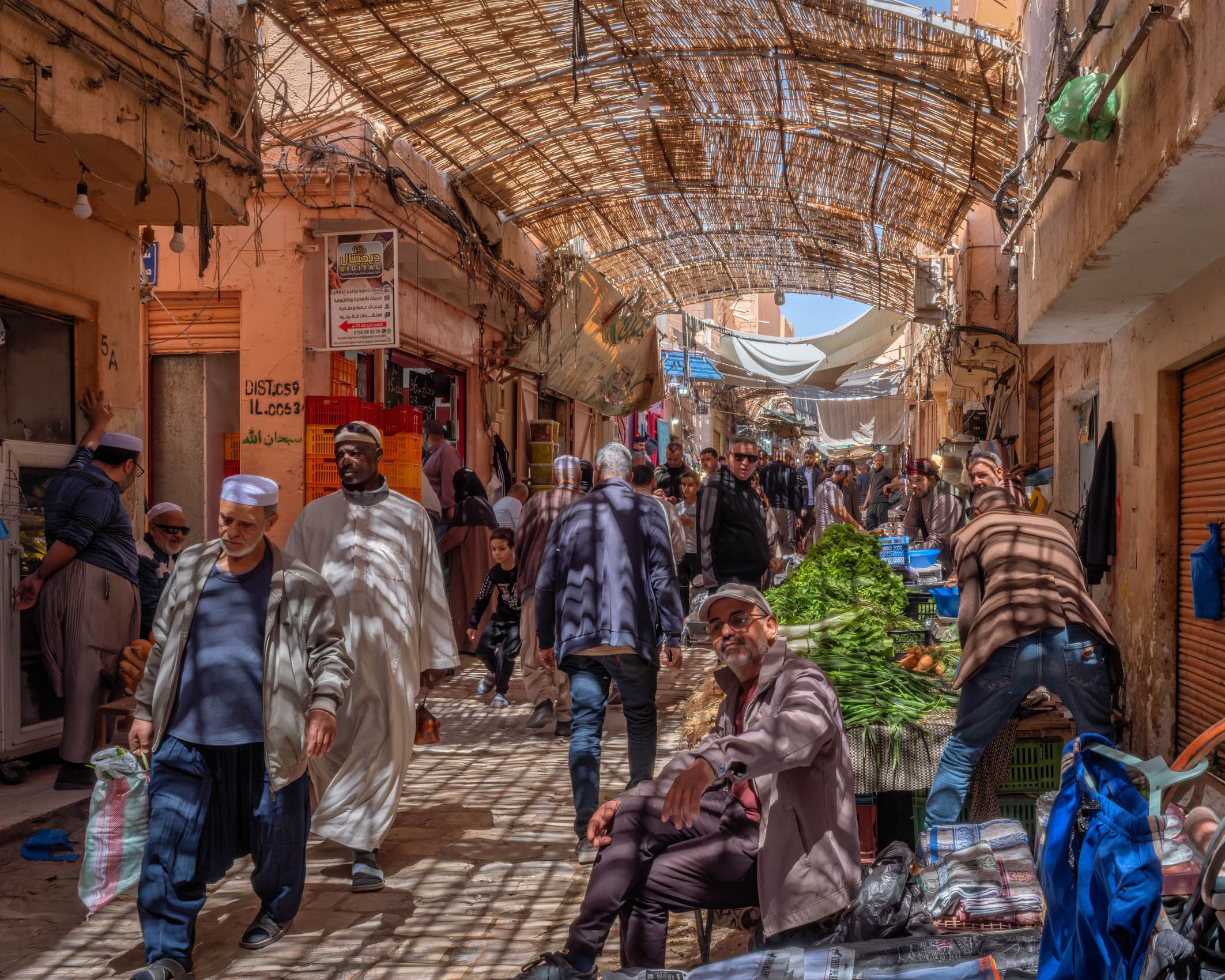
Some five hundred kilometres south of Algiers, where the fertile north of Algeria yields to the Sahara, the M'zab Valley cuts a shallow depression through the limestone plateau. This is an austere, sun-bleached landscape that seems, at first glance, an unlikely cradle for a civilization. Yet here, in five fortified hilltop towns — Ghardaïa, Beni Isguen, Melika, Bounoura, and El Atteuf — a distinctive culture has endured for over a thousand years, its architecture, its social order, and its faith all preserved with a remarkable and almost defiant intactness. In 1982, UNESCO recognised the M'zab Valley a World Heritage Site.
The people of the M'zab are the Mozabites, a Berber community who follow the Ibadi school of Islam, one of the oldest surviving branches of the faith, predating the Sunni-Shia split and distinguished by its emphasis on austerity, egalitarianism, and rigorous personal piety. The Ibadis were driven into the desert margins of North Africa and Oman in the early centuries of Islam, persecuted by the dominant powers of their day, and it was in this inhospitable valley that the Mozabites found both refuge and spiritual purpose. The very harshness of the desert landscape kept the outside world at bay, allowing a society shaped entirely by religious conviction to develop on its own terms over many generations.
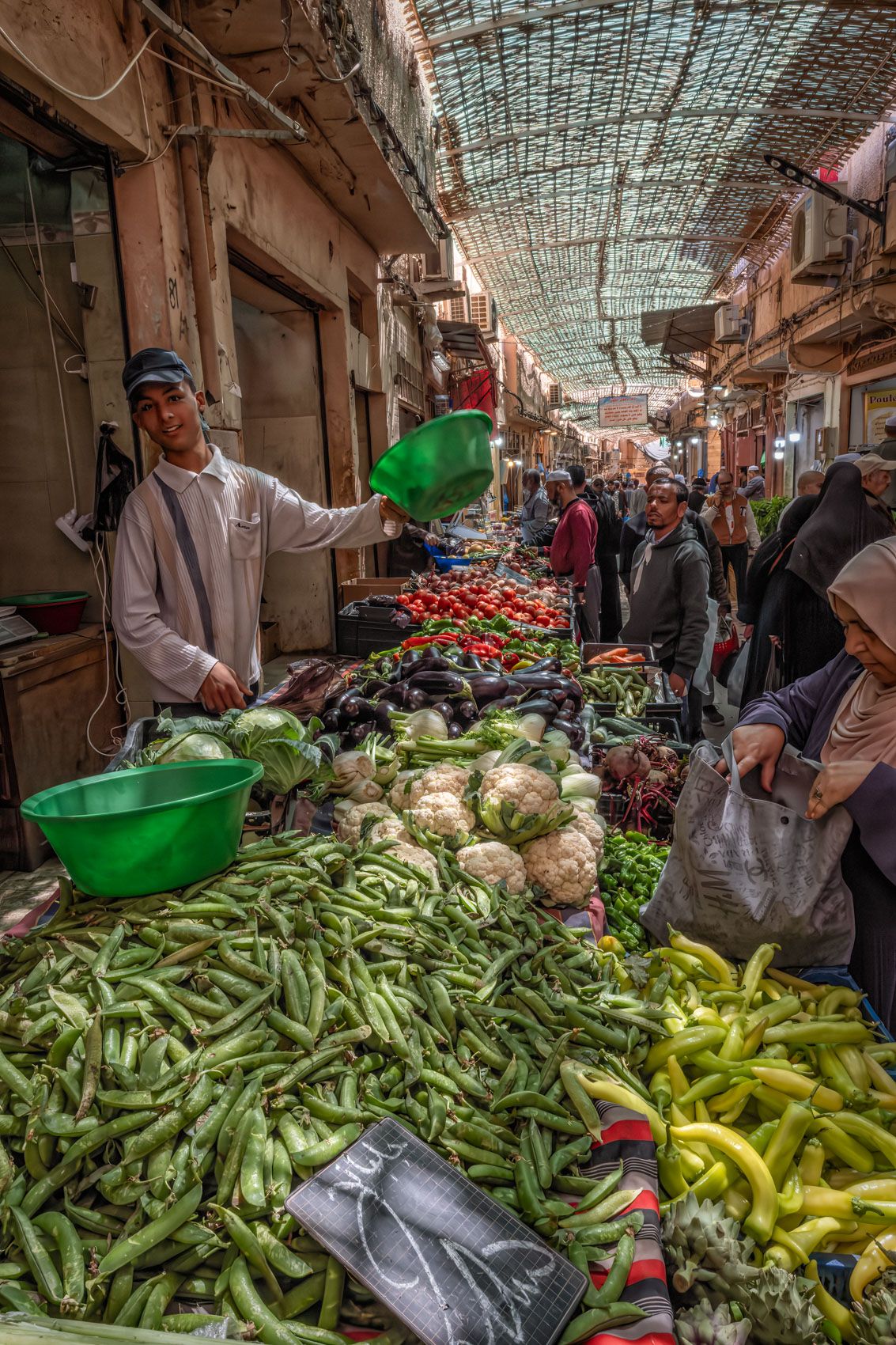
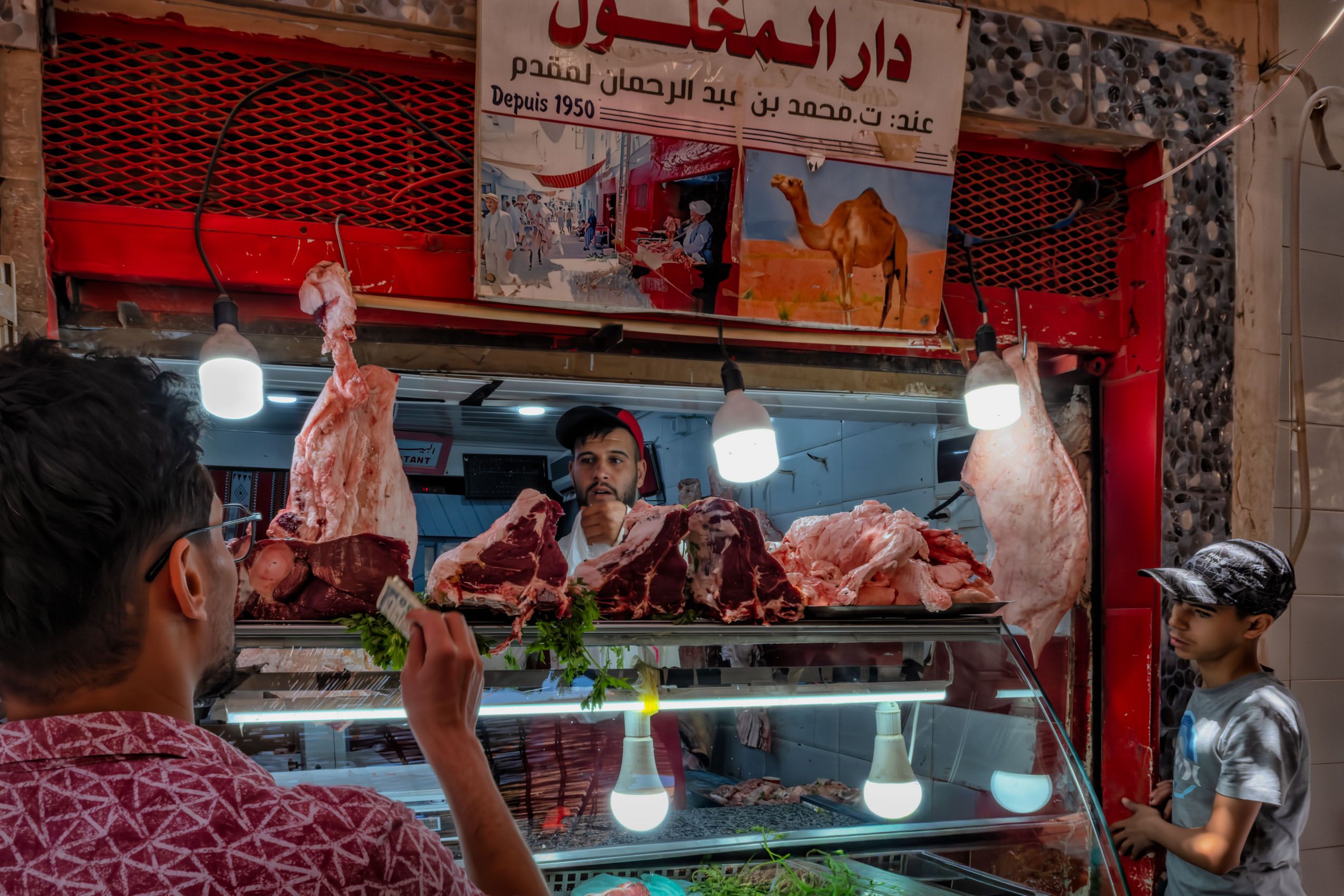
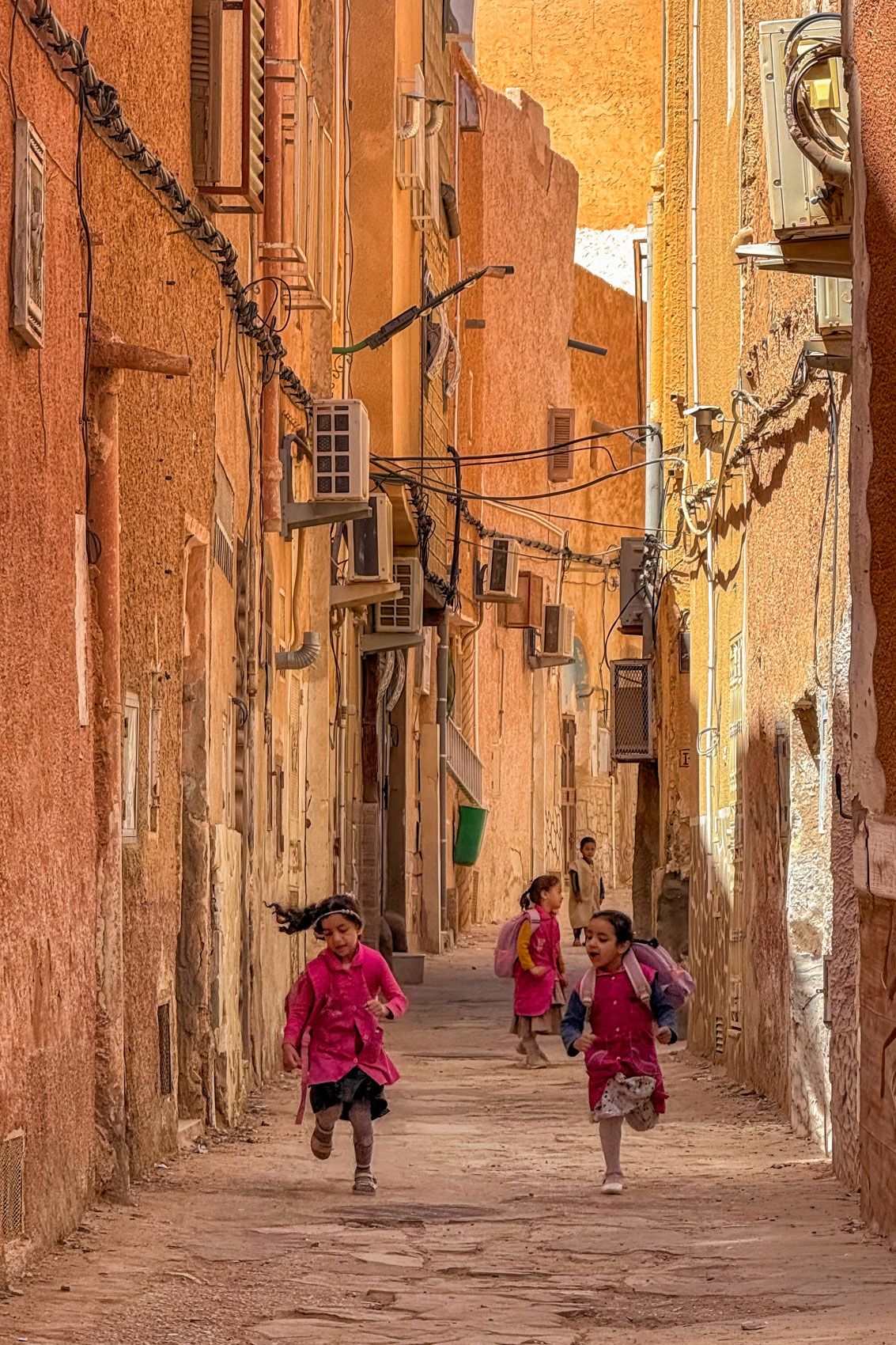
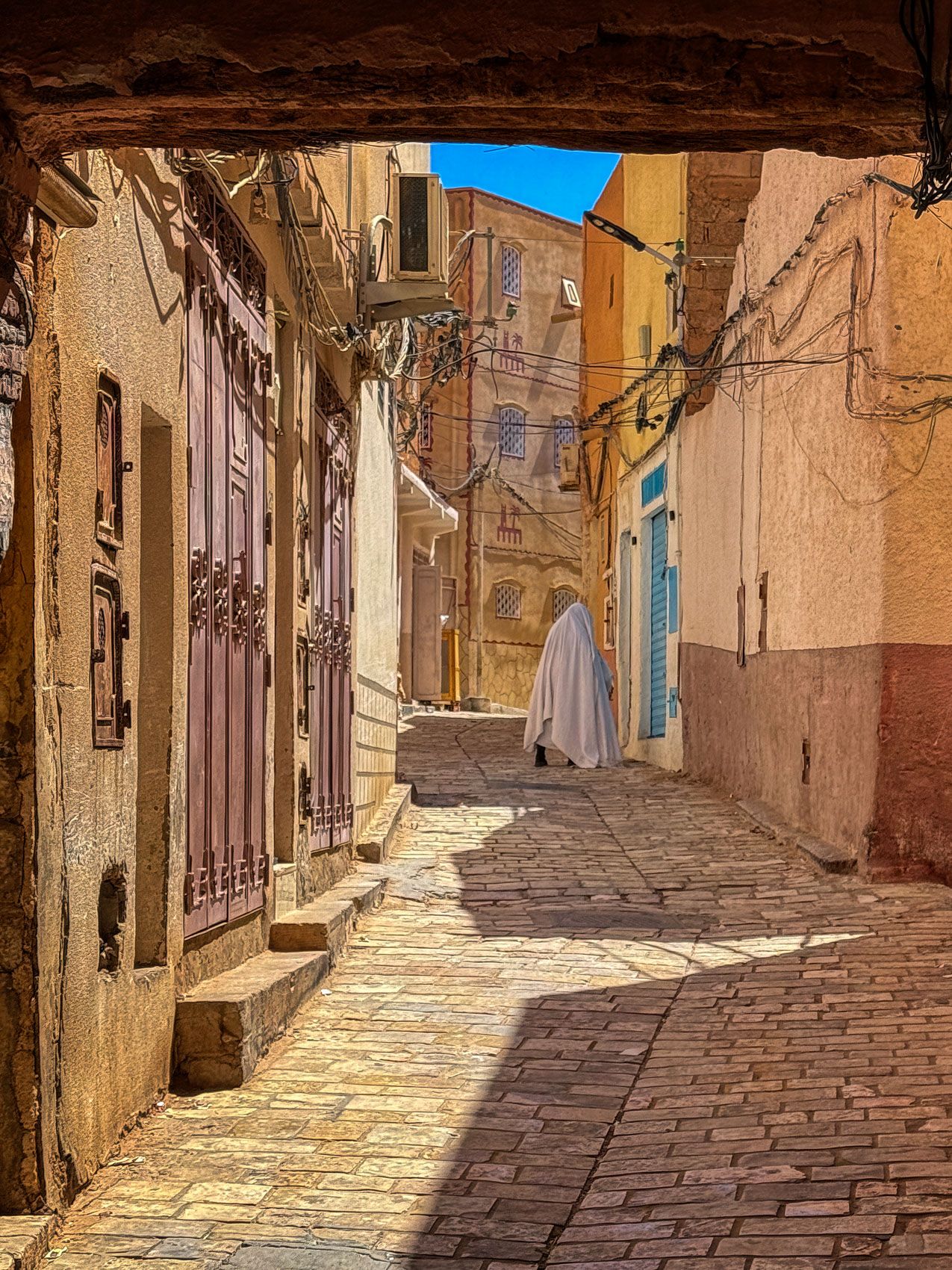
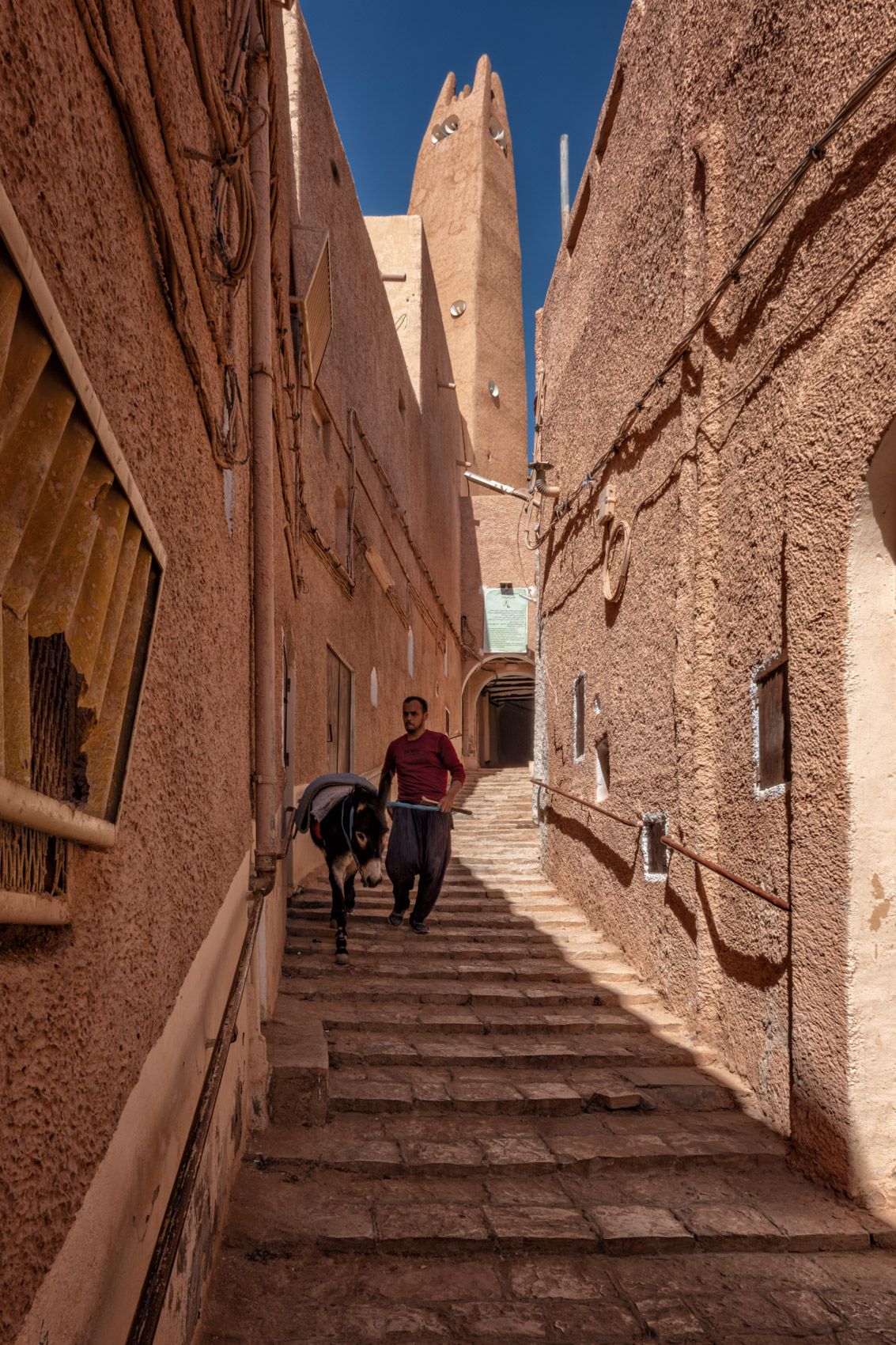
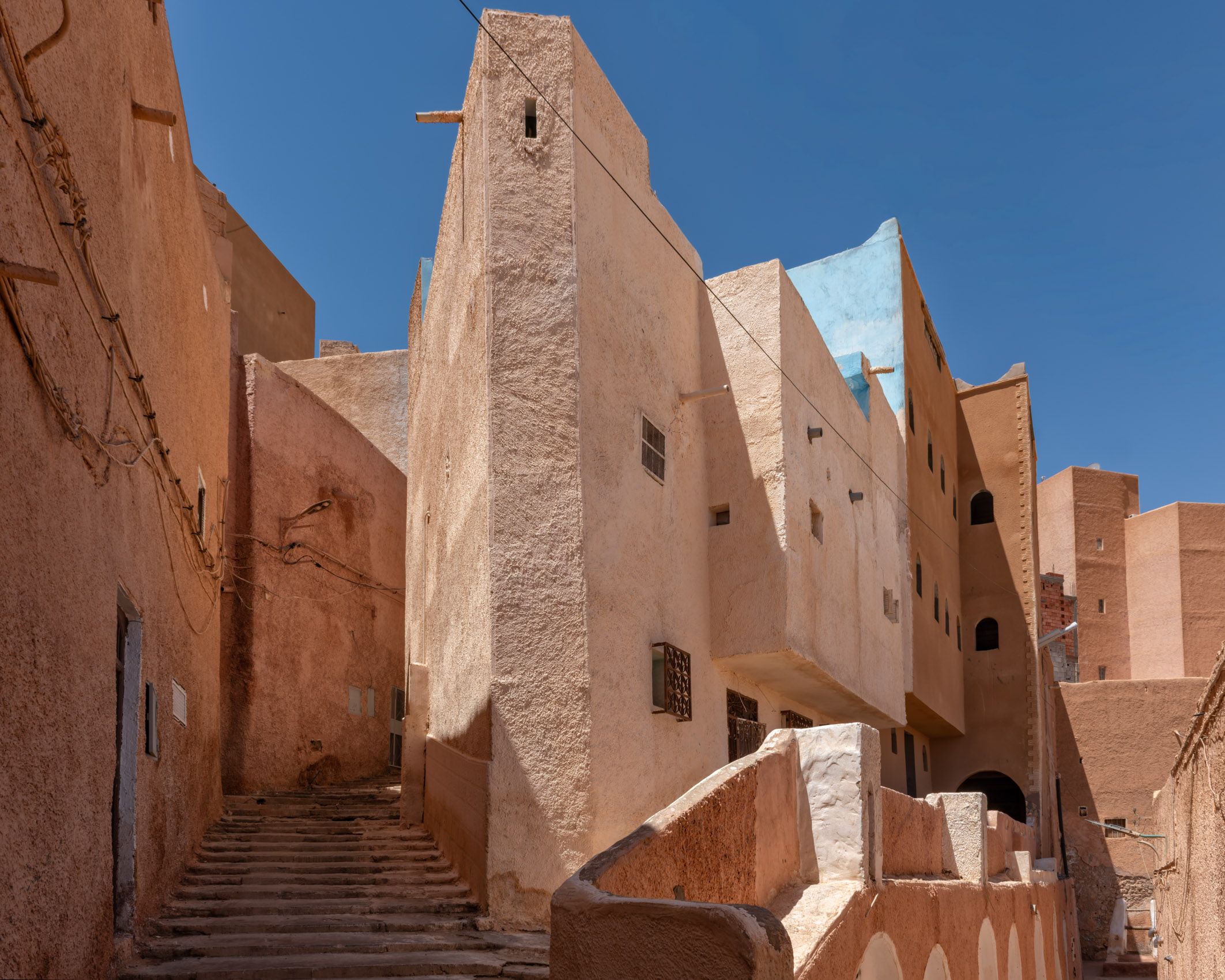
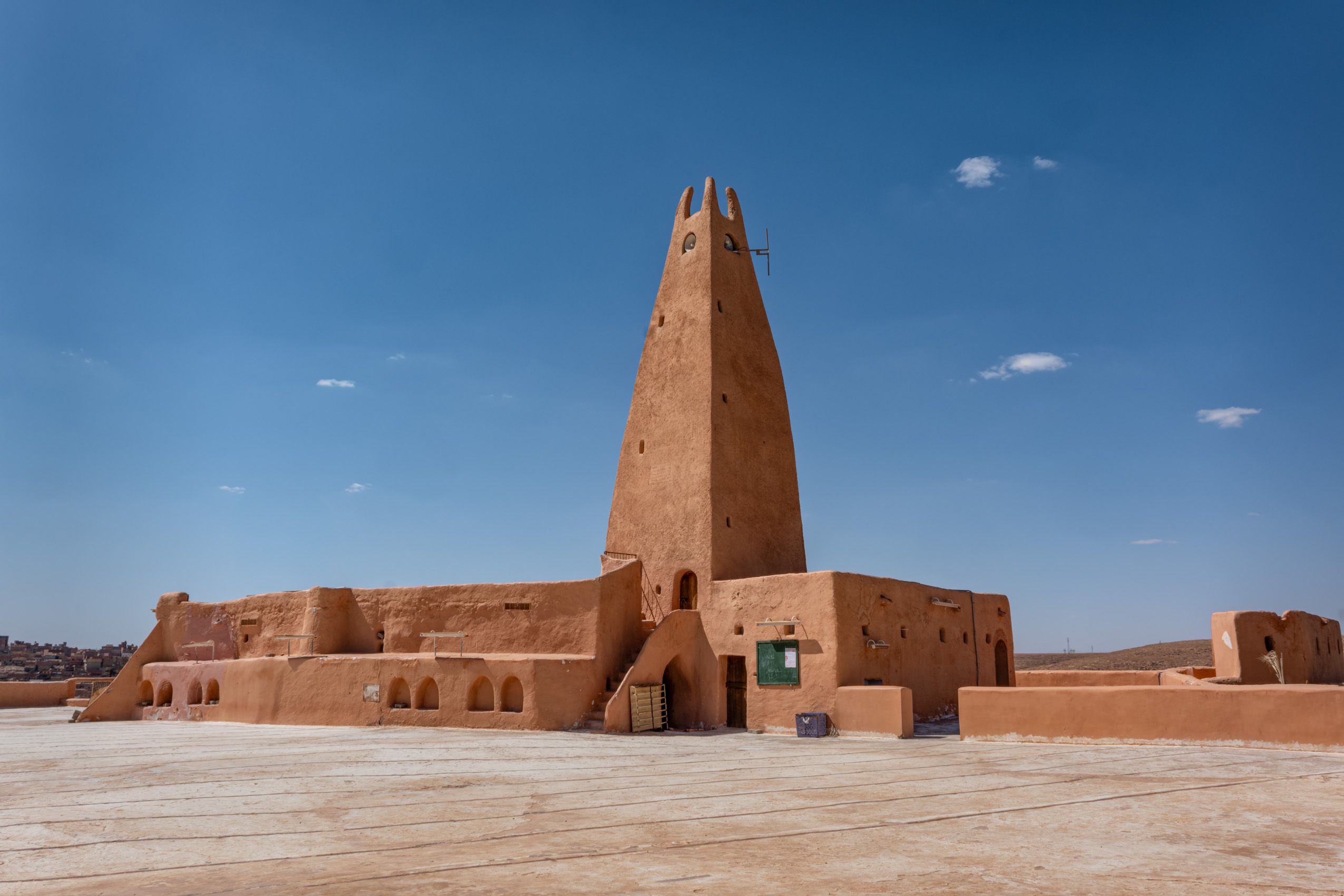
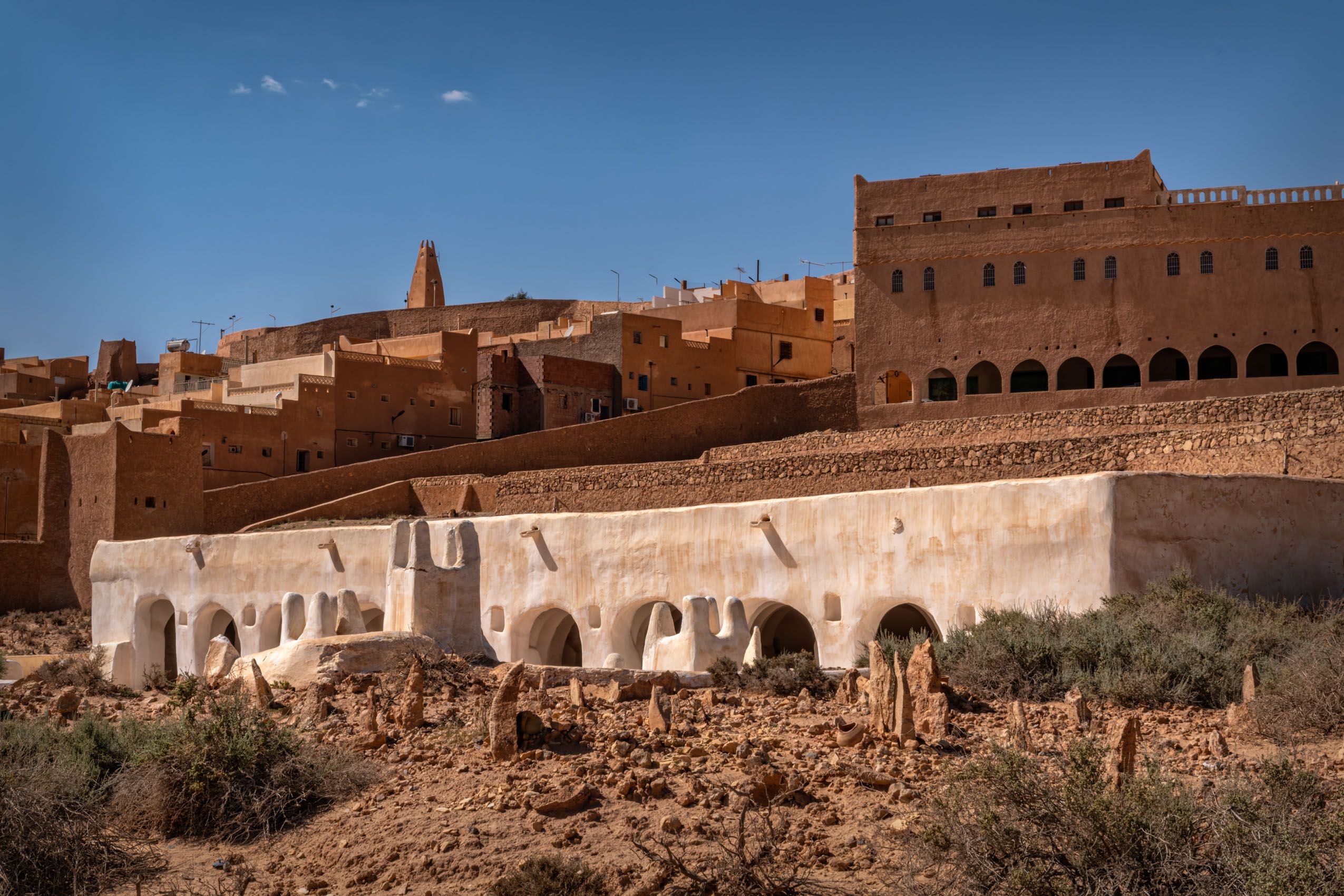
Ghardaïa is the largest and best-known of the five towns, serving as the commercial heart of the valley. Its ancient medina cascades down a conical hill, crowned at its summit by a minaret that doubles as a watchtower — a practical conflation of the sacred and the defensive that speaks to the community's history. The streets below are narrow and labyrinthine, designed for shade and security; the market, or souk, at the base of the hill has been a crossroads of Saharan trade for centuries, drawing merchants from across the desert world.
The architecture of the M'zab towns, largely devised by the Ibadi religious council, is a celebrated example of vernacular design perfectly adapted to both climate and creed. The great French architect Le Corbusier visited in the 1930s and came away profoundly impressed, seeing in the clean geometric forms and functional layouts a purity of purpose that he would later echo in the design of his own modernist structures. Every element of the built environment — the positioning of houses to maximise shade, the communal spaces for prayer and deliberation, the summer settlements down in the palm groves along the valley floor — reflects an integrated vision of how a devout community ought to inhabit the earth.
Religious and social life in the M'zab remains tightly governed to this day. The Ibadi faith prizes scholarship, modesty, and communal solidarity above outward display, and Mozabite society reflects this in its institutions: powerful councils of learned elders oversee community affairs, and strict codes govern dress, commerce, and public behaviour. Visitors must be registered and accompanied by local guides. Beni Isguen, the most conservative of the five towns, closes its gates to non-residents at sunset, a boundary that is not mere tradition but a living expression of the community's determination to preserve what the centuries and the desert have, together, helped them protect.