
ALGERIA: Roman Antiquities
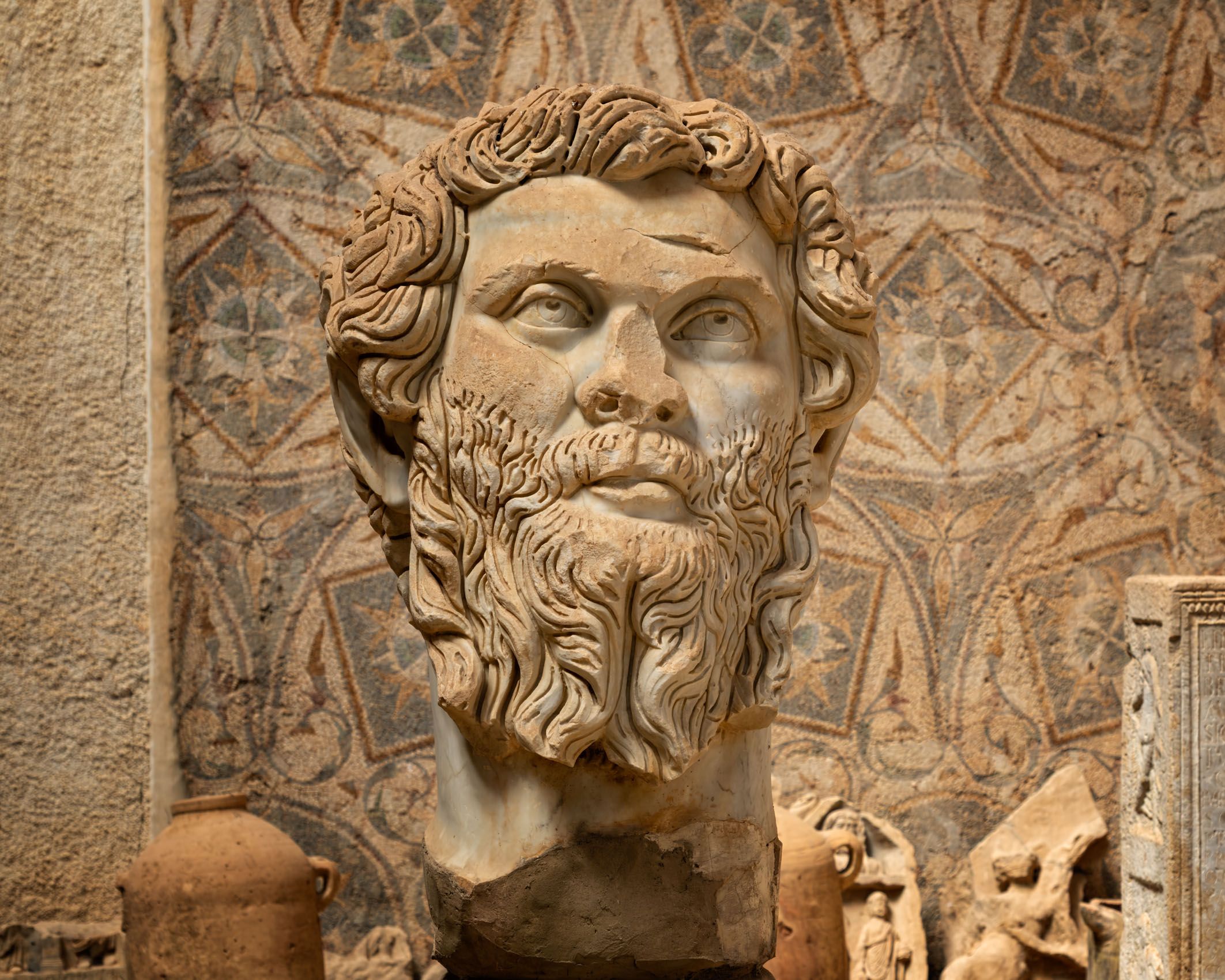
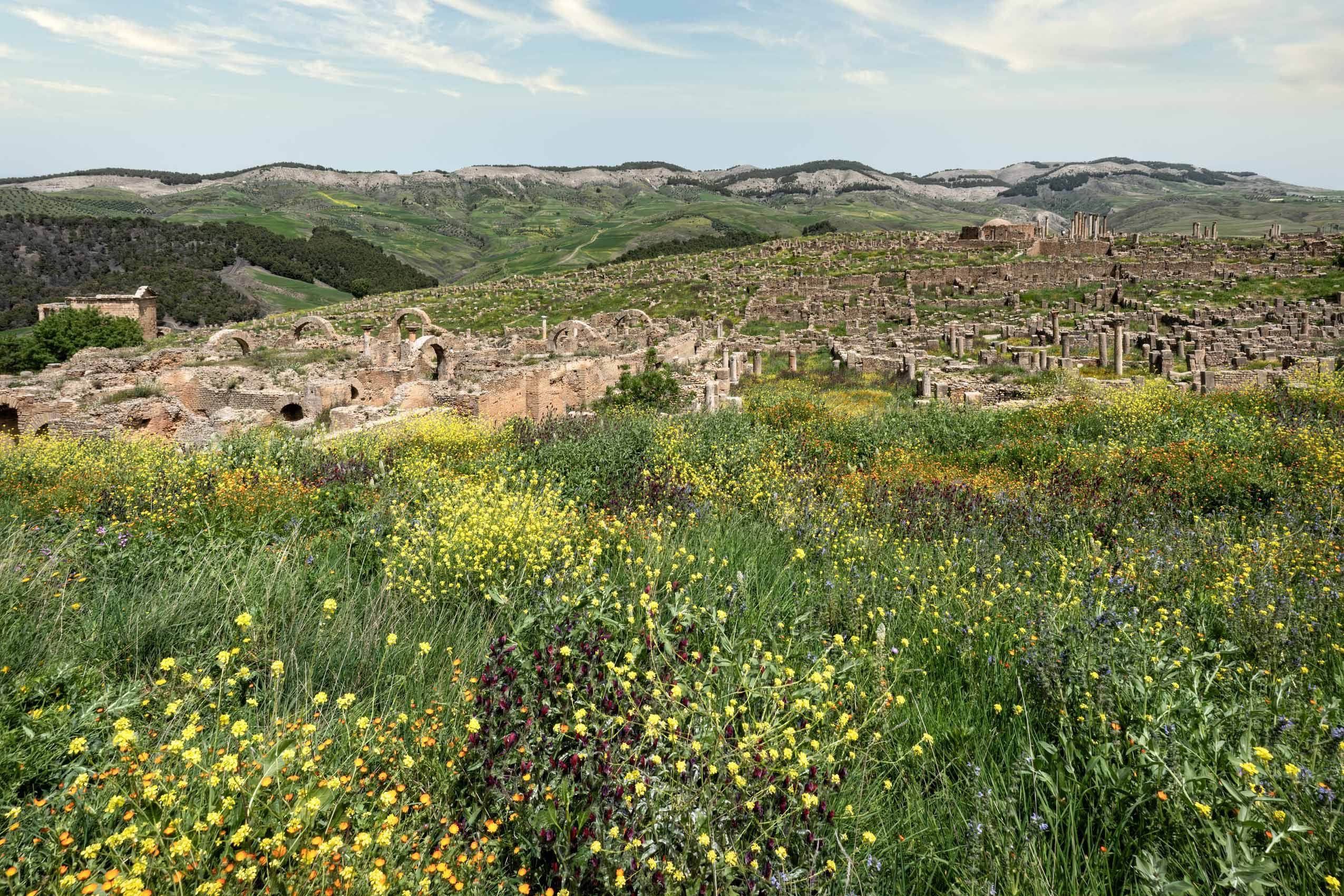
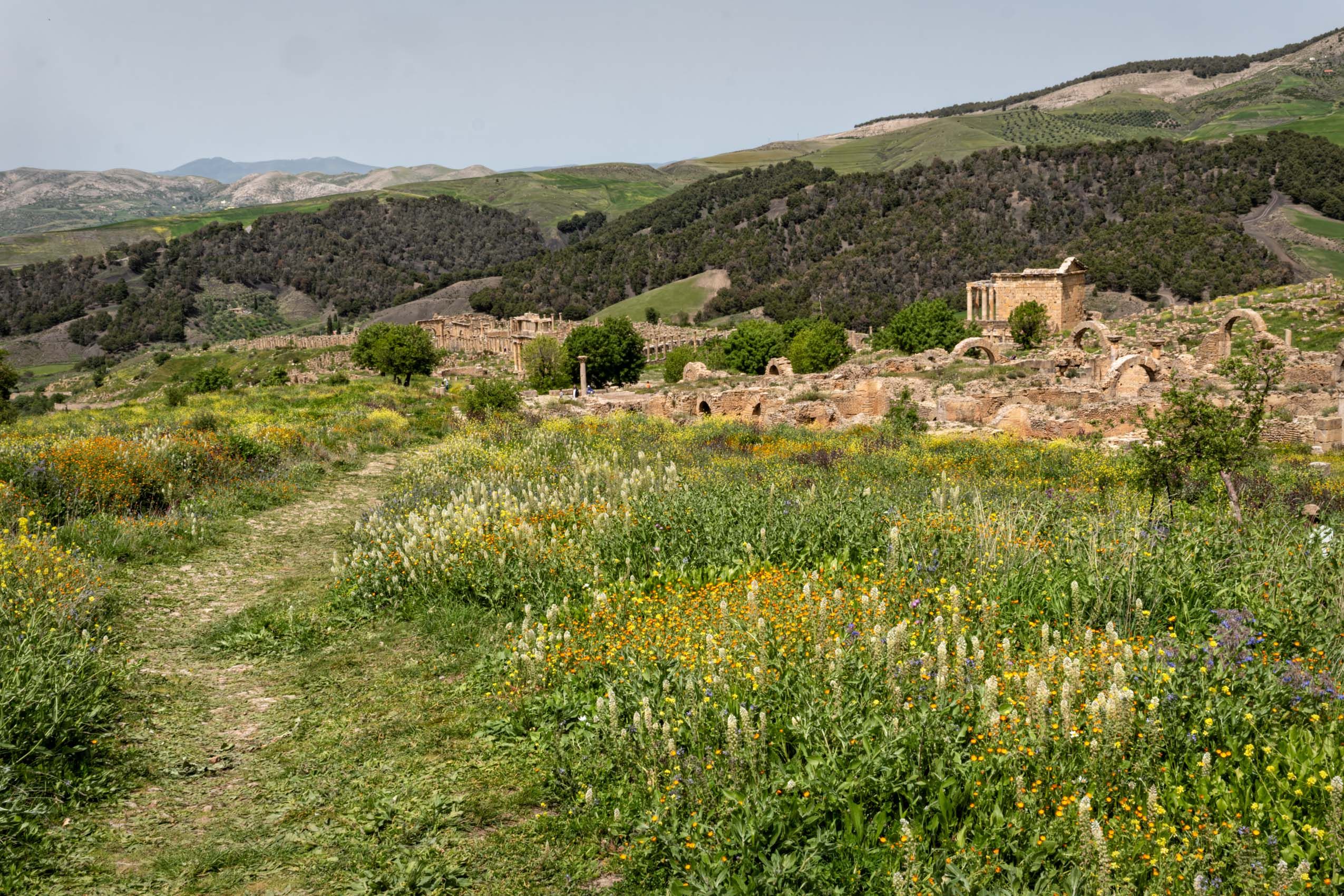
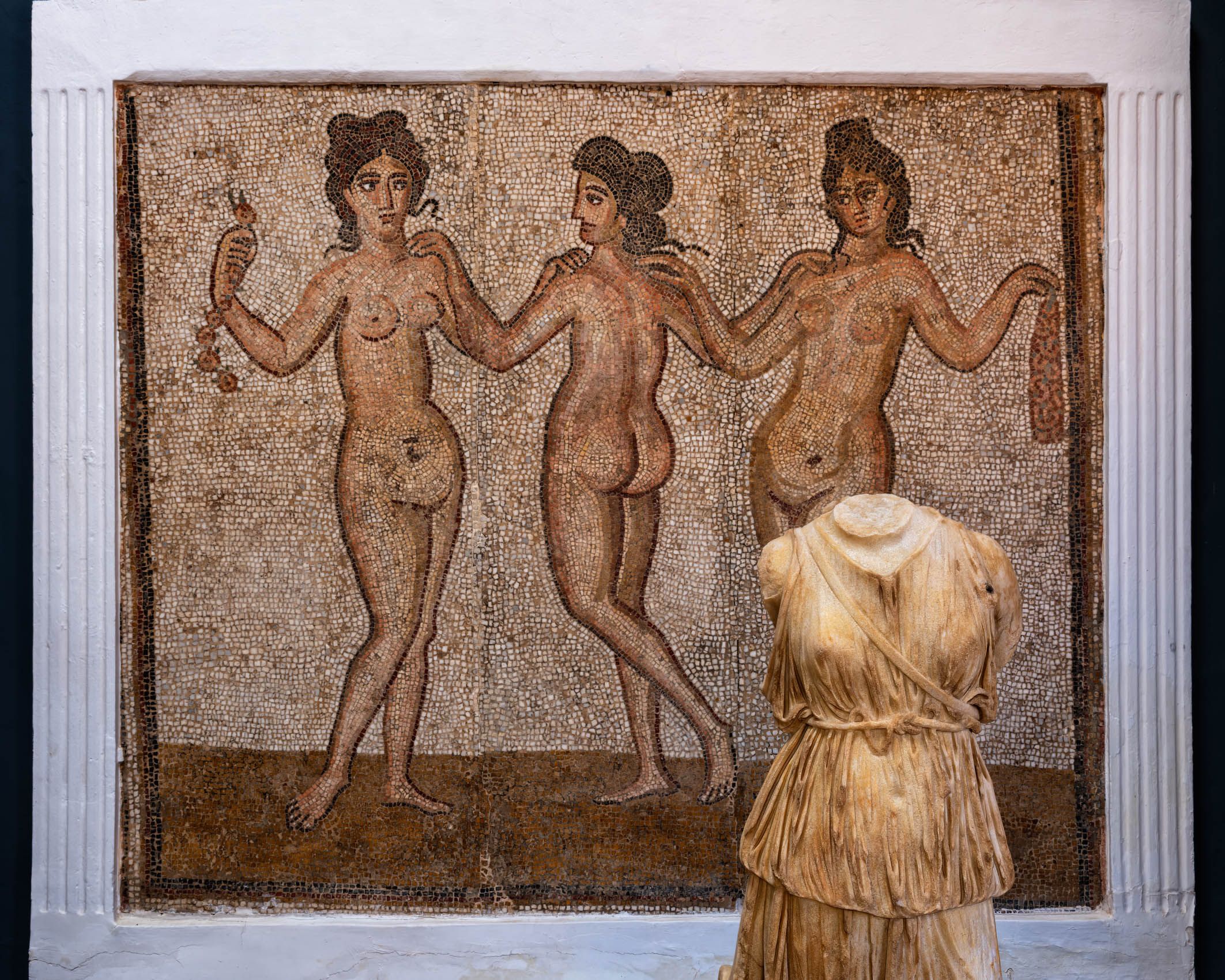
Algeria is among the most richly endowed countries in the world when it comes to Roman heritage, a fact that surprises many who have not looked beyond the Mediterranean's northern shore. For several centuries, the territories of modern Algeria formed the prosperous Roman provinces of Numidia and Mauretania Caesariensis, breadbasket of the empire and birthplace of the Emperor Septimius Severus and Saint Augustine of Hippo. Three sites above all others bear witness to the ambition and sophistication of Roman North Africa: Timgad, Djemila, and Tipaza, each a UNESCO World Heritage Site, each remarkable in its own distinct way.
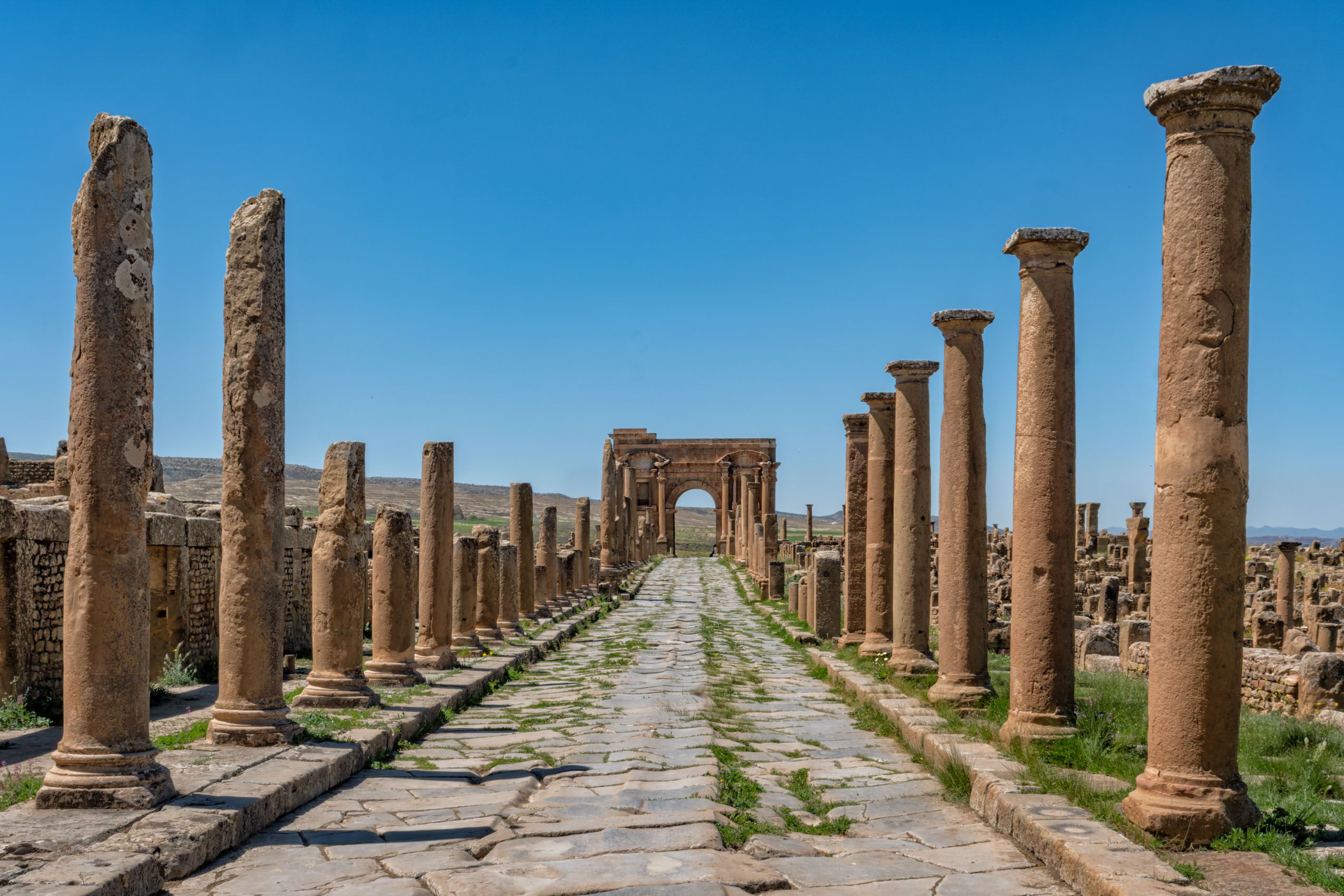
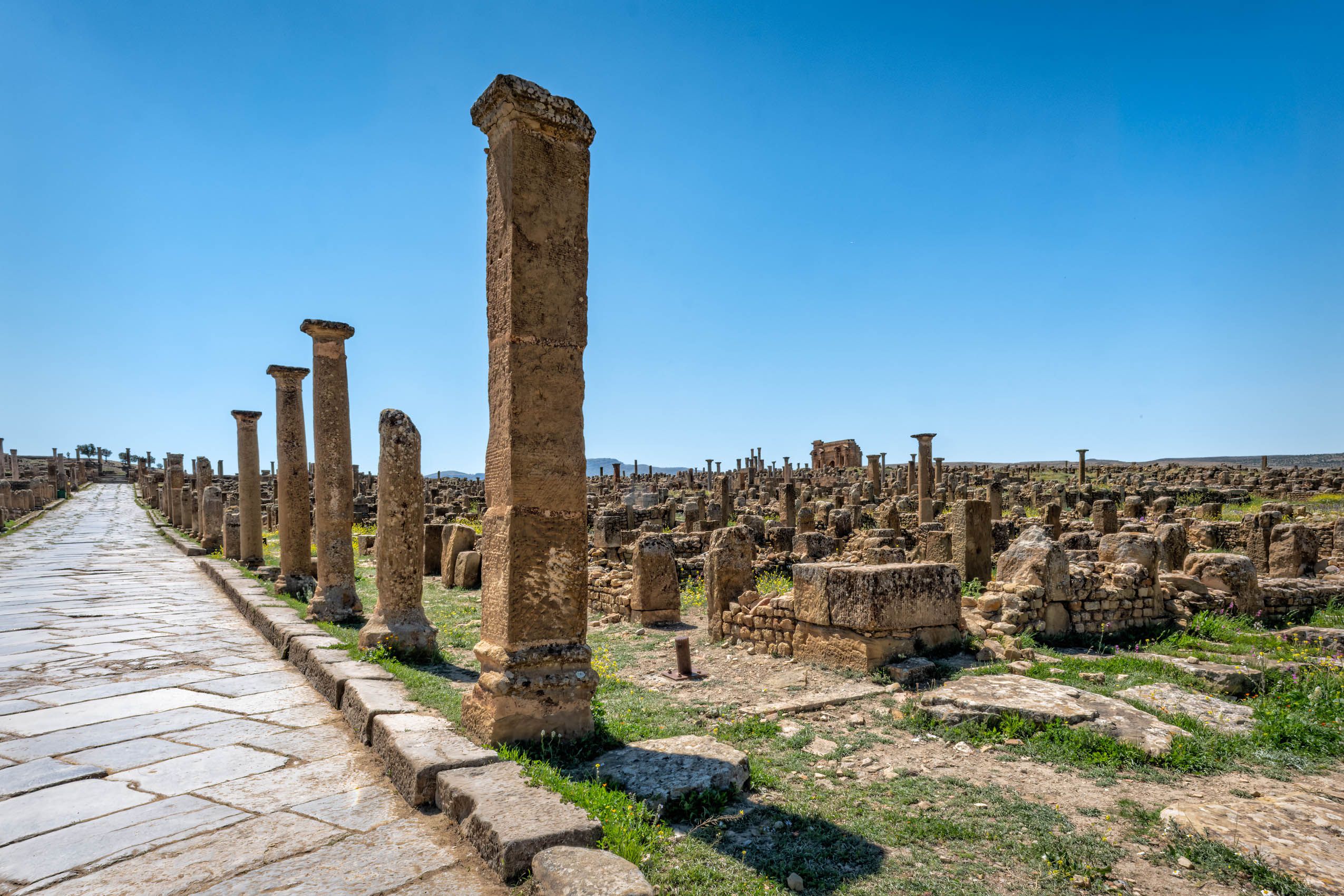
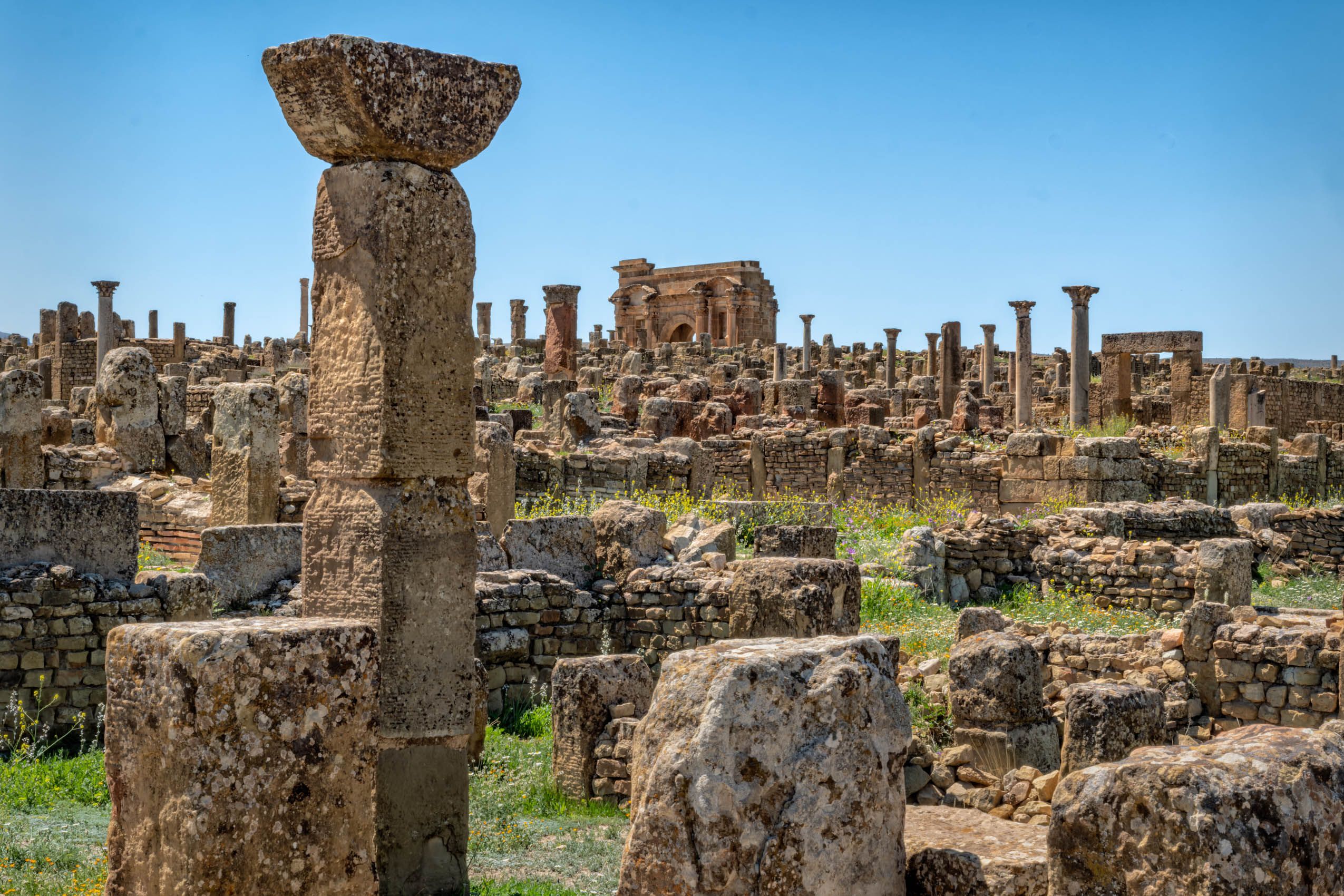
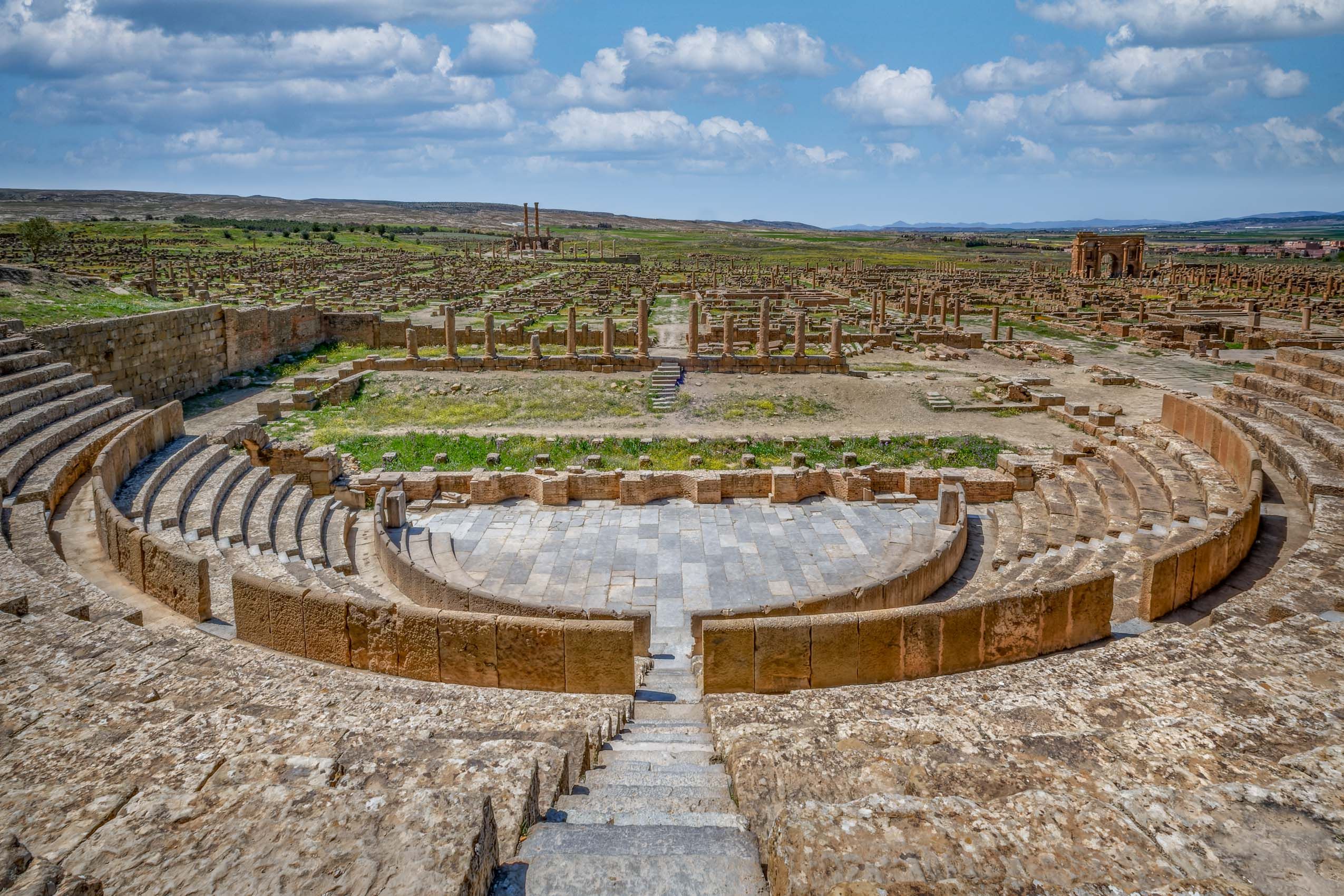
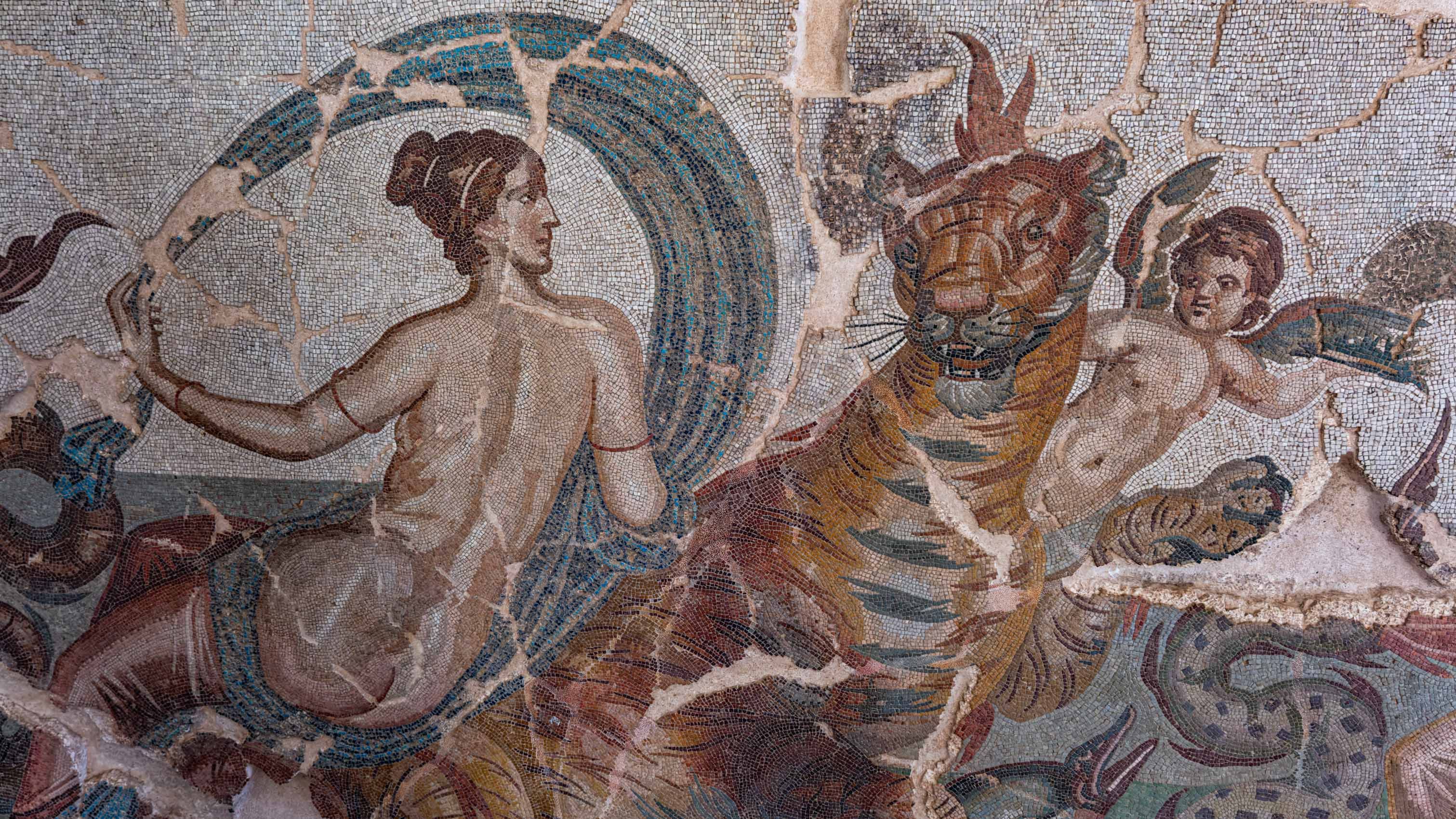
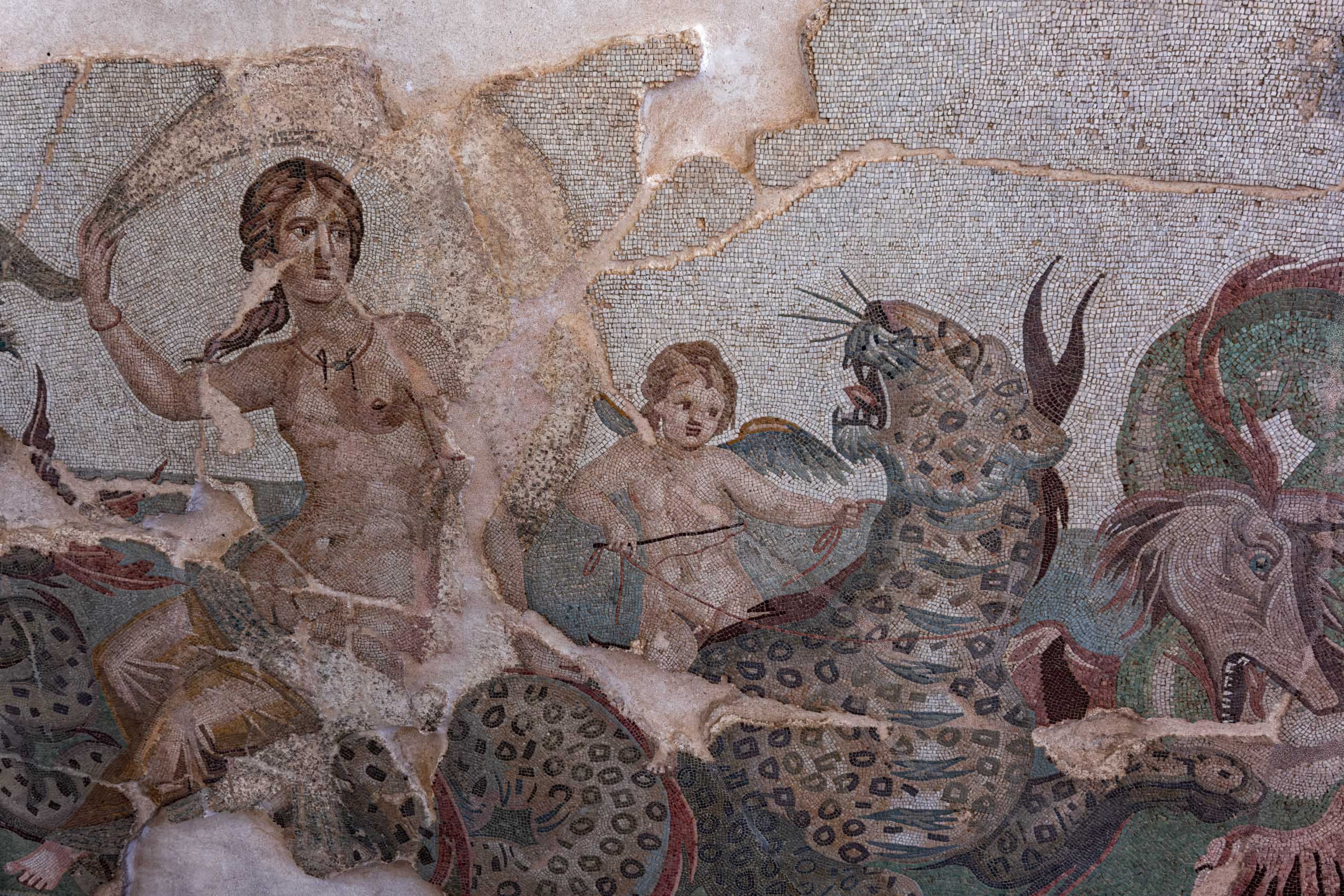
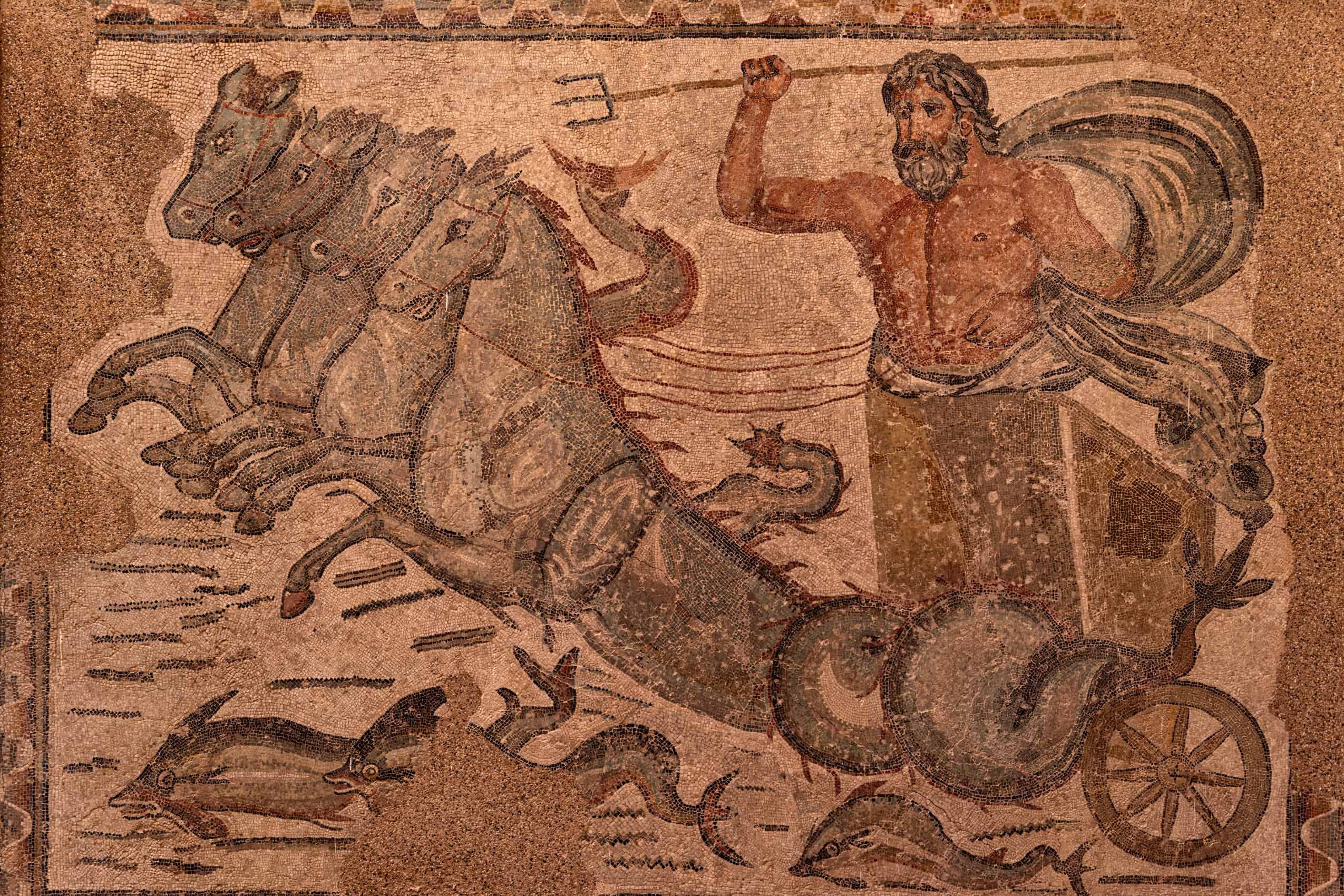
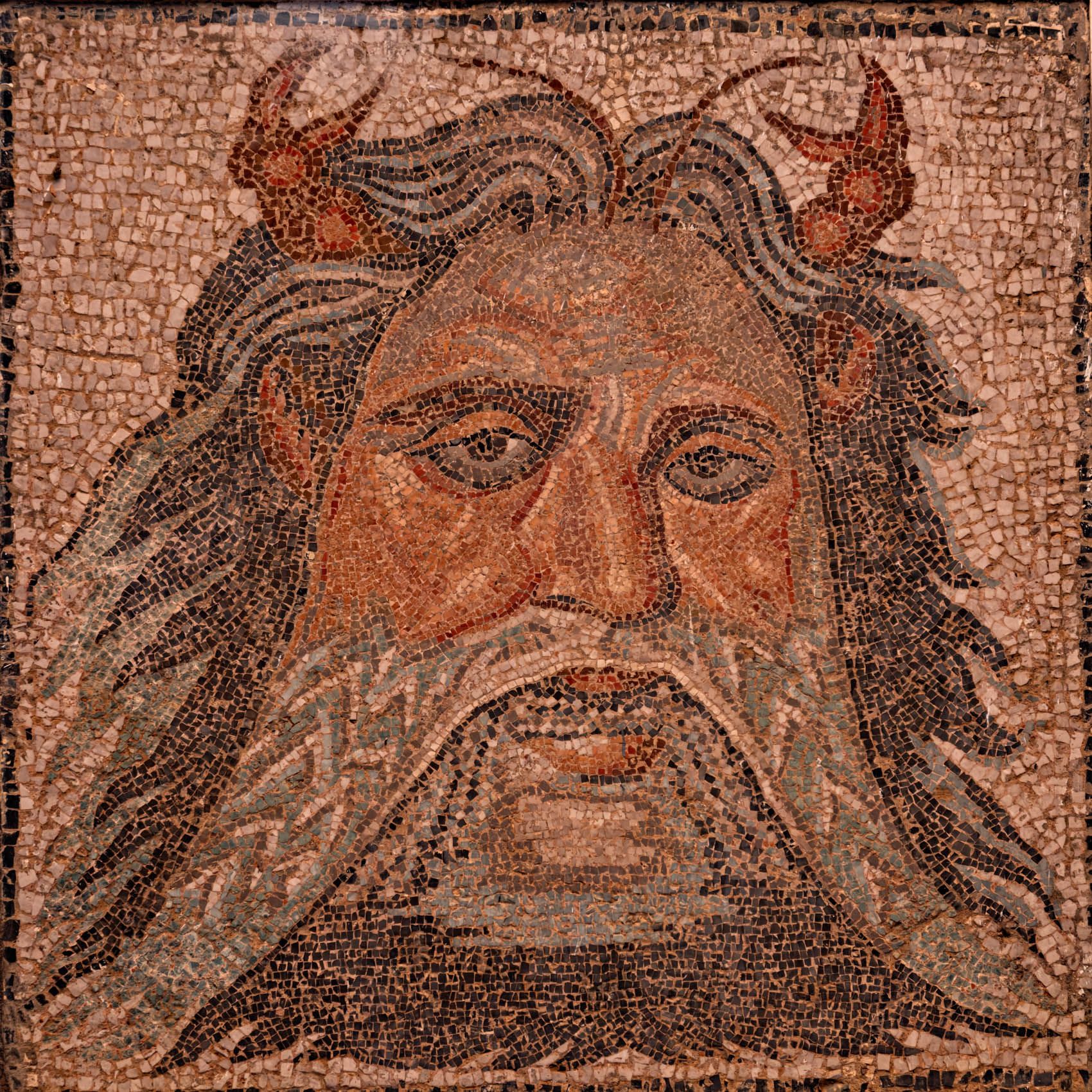
Timgad, founded in 100 AD by the Emperor Trajan as a colony for retired legionaries, is the most perfectly preserved example of Roman urban planning in existence. A great triumphal arch, the Arch of Trajan, anchors one end of the main street, its flagstones rutted with the grooves of ancient cart wheels; the remains of a theatre, temples, bathhouses, and a library give compelling evidence of a colonial town that grew quickly into a cityof strong civic pride. The on-site museum houses a collection of mosaics recovered from the town's private villas: hunting scenes, geometric patterns, mythological tableaux, all rendered with the meticulous craftsmanship for which North African mosaic workshops were celebrated across the Roman world.
Djemila, known in antiquity as Cuicul, occupies a more theatrical setting — a narrow spur of land between two converging river valleys in the mountains of Kabylia, its site chosen not for the convenience of the grid but for the defensibility of the ridge. The result is a Roman city that had to adapt classical urban forms to an irregular, sloping terrain, producing a more organic and in some ways more visually arresting townscape than the rigid perfection of Timgad. When I visited on a Sunday in Spring, the site was filled with locals strolling and picnicking among a profusion of ephemeral wildflowers and enduring stones. Djemila grew rapidly in the late second and early third centuries, and it is to this period that its most significant extant monuments belong: the Temple of the Severan Family, the great forum, and an arch dedicated to Caracalla. The on site museum at Djemila is widely regarded as one of the finest archaeological museums in North Africa, housing an exceptional collection of mosaics, alongside portrait sculptures, sarcophagi carved with mythological reliefs, and everyday objects that restore a human scale to the monumental ruins outside.
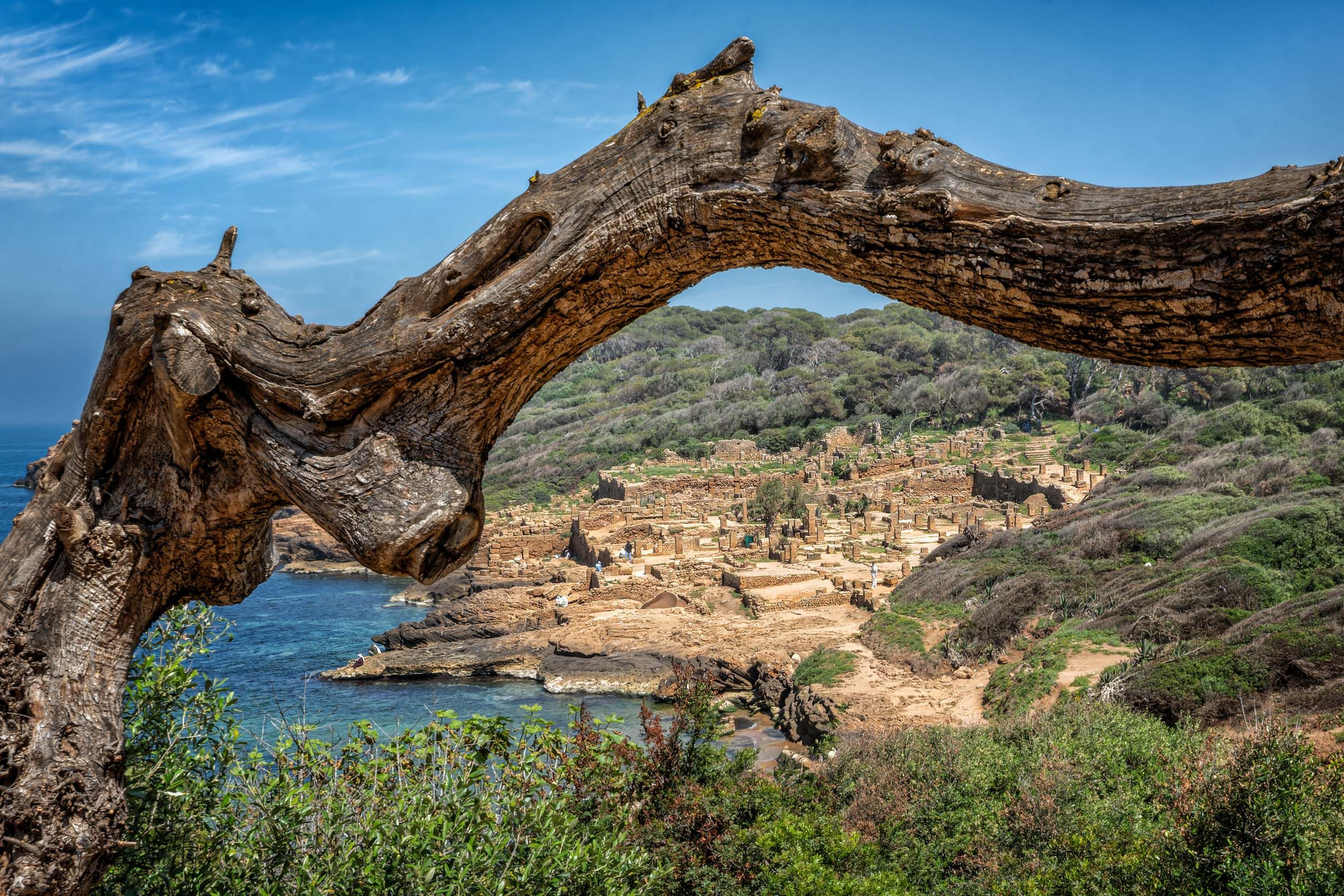
Tipaza, by contrast, speaks in a different register entirely. Sited on the Mediterranean coast some seventy kilometres west of Algiers, it is picturesque rather than grand— Roman ruins tumbling across a clifftop above a luminously blue sea, intermingled with the remains of early Christian basilicas from the period when North Africa was the intellectual heartland of the young Church. Albert Camus, who grew up not far away in Algiers, wrote of Tipaza with an almost devotional intensity. The site is less completely preserved than Timgad or Djemila, and the sea wind and salt air have taken their toll over the centuries, but this very quality of romantic ruin, stones half-swallowed by wild fennel and bougainvillea above a sparkling coast, gives Tipaza its distinctive allure. Its museum contains fine mosaics, sculpture, and funerary monuments that flesh out the story of a prosperous port town at the edge of empire.
Together, these three sites compose a portrait of Roman Africa that is inseparable from the landscape that shaped it: mountain plateau, highland ridge, and Mediterranean shore, each producing a different expression of the same imperial civilisation.