
ALGERIA: The Deep Sahara
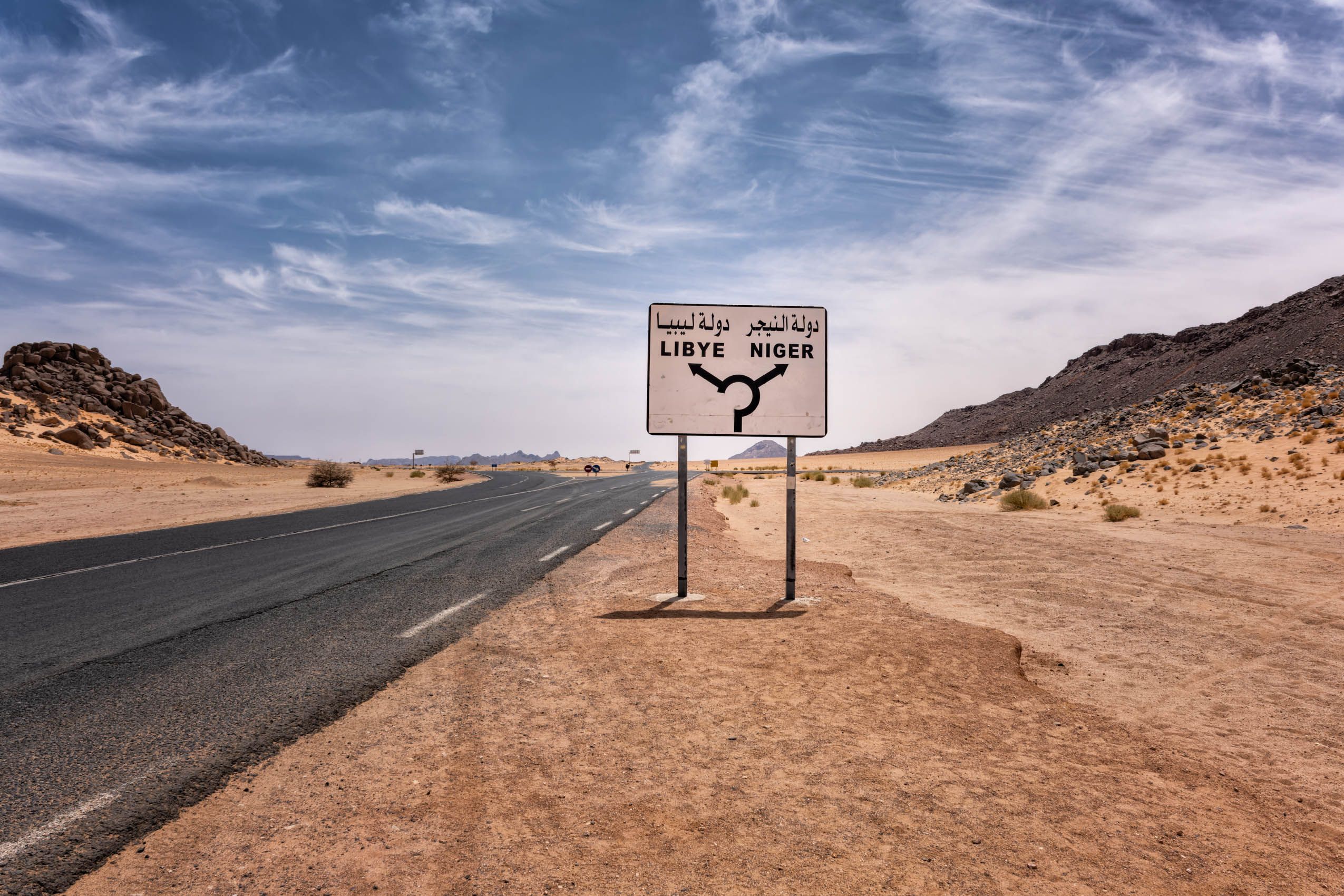
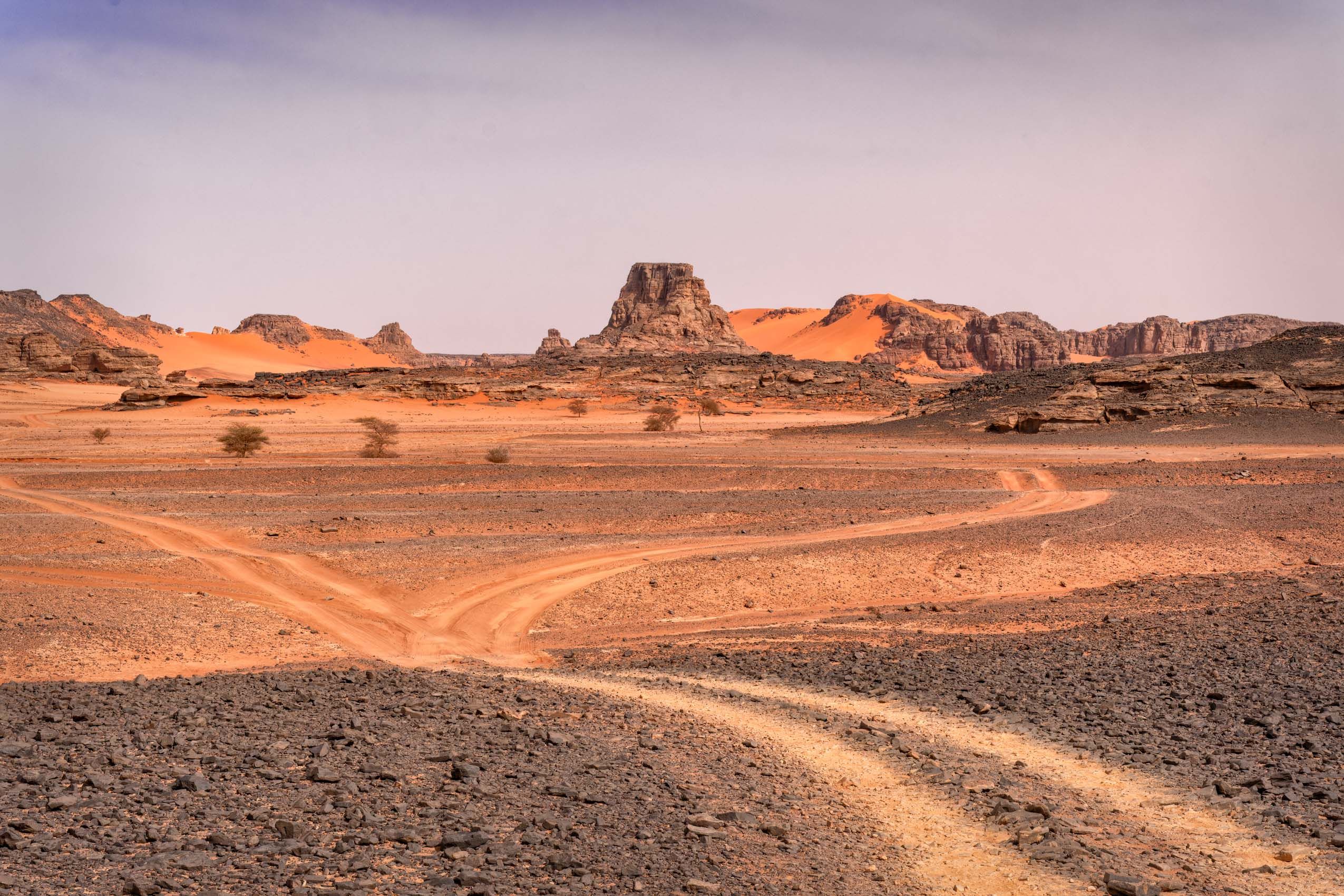
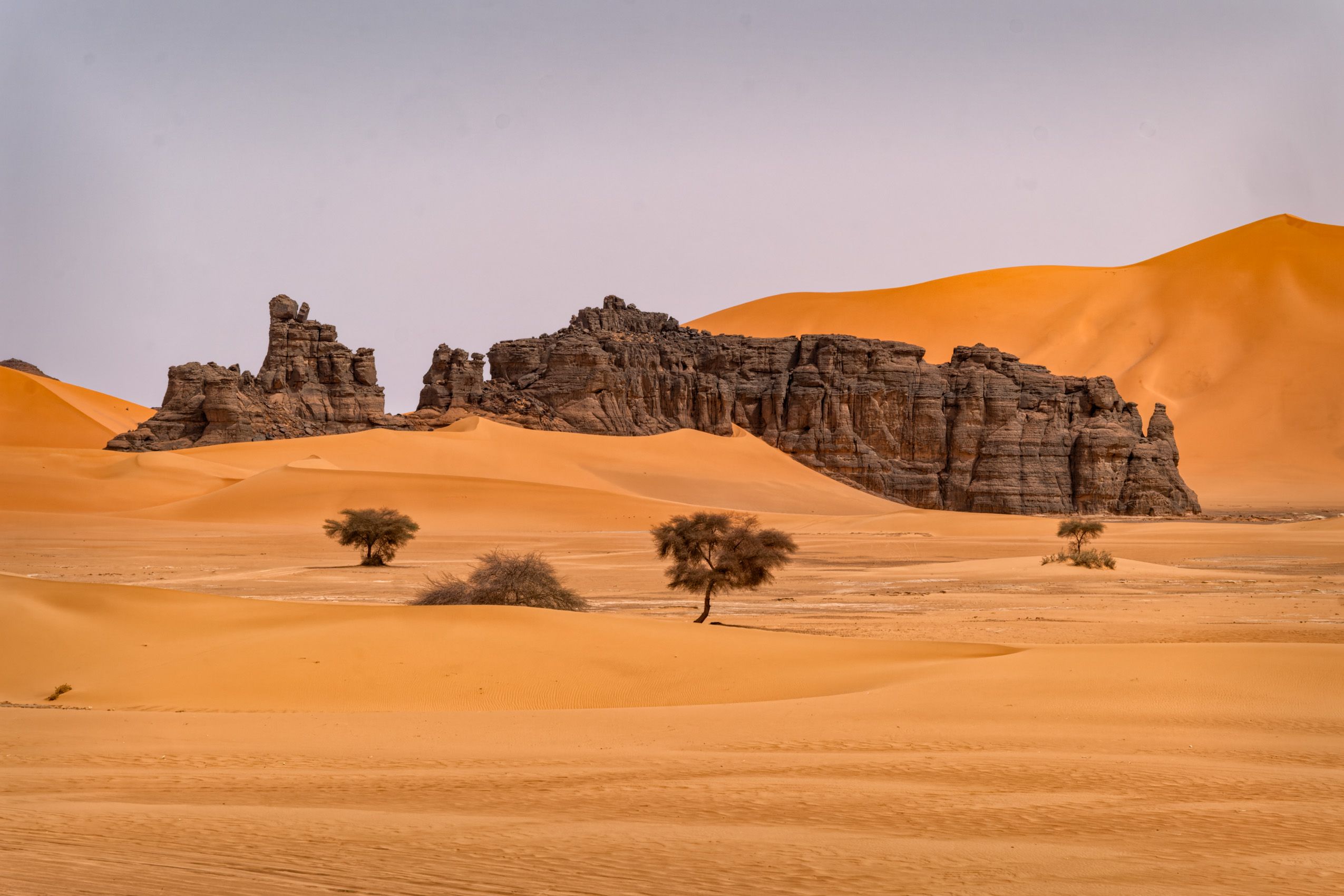
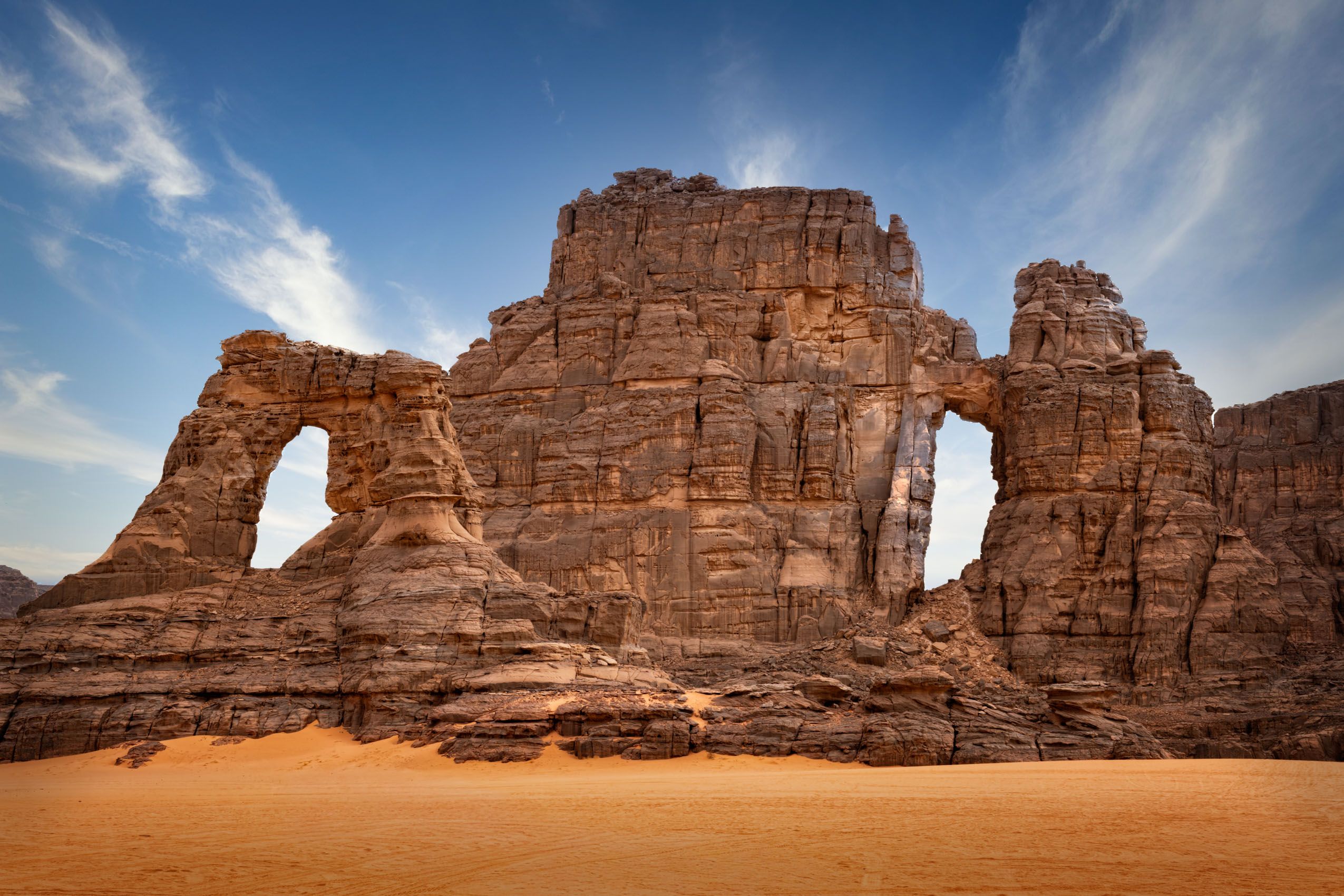
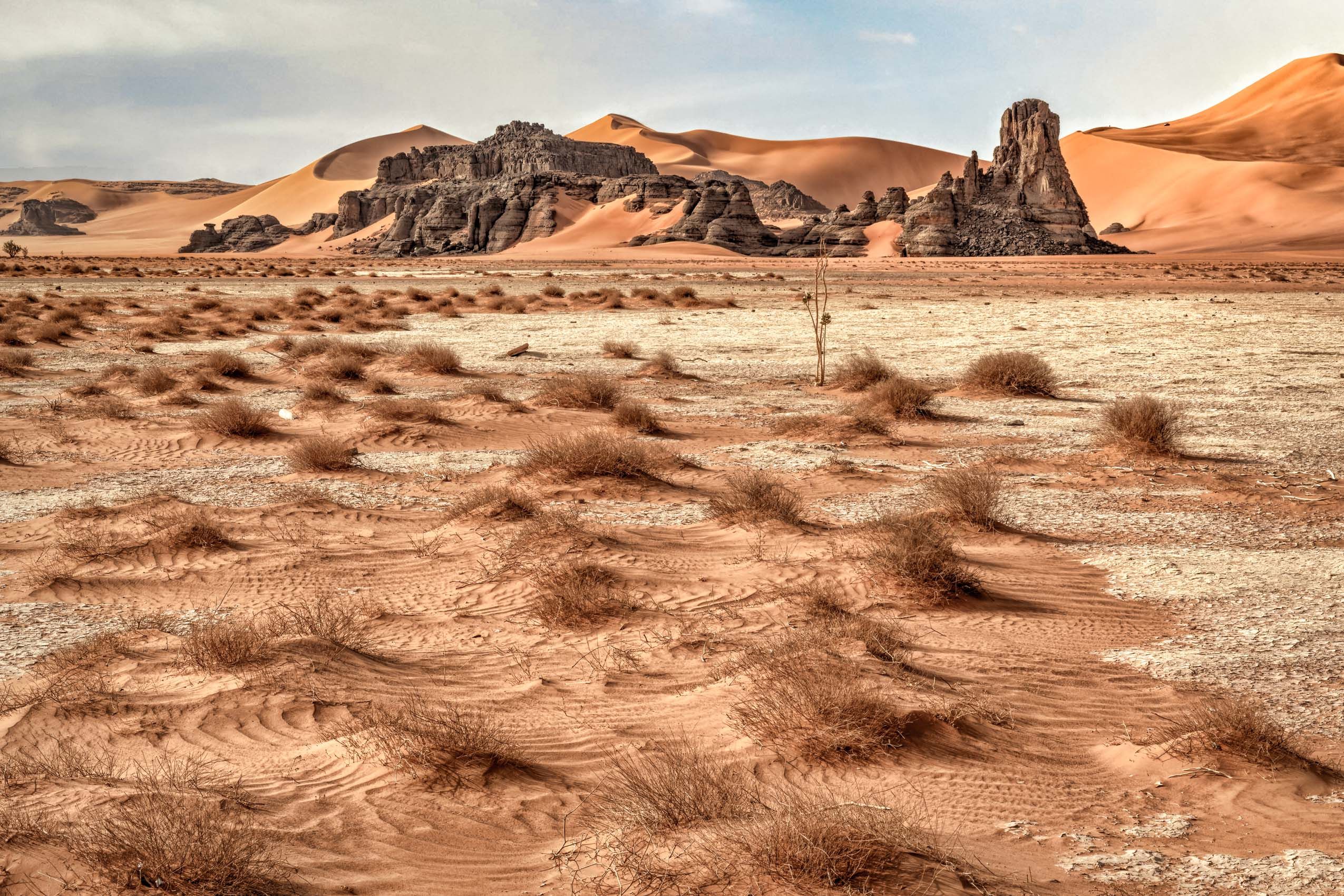
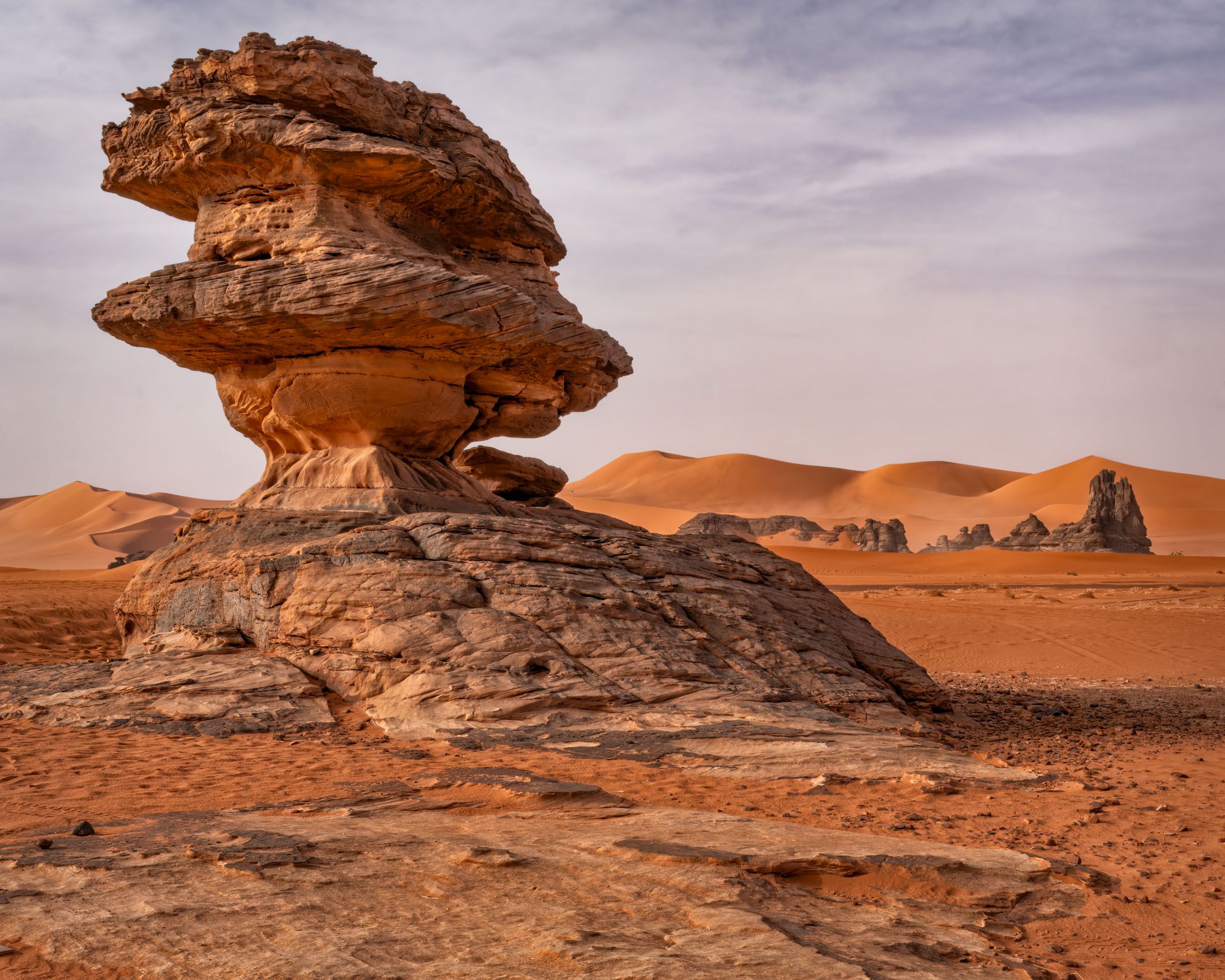
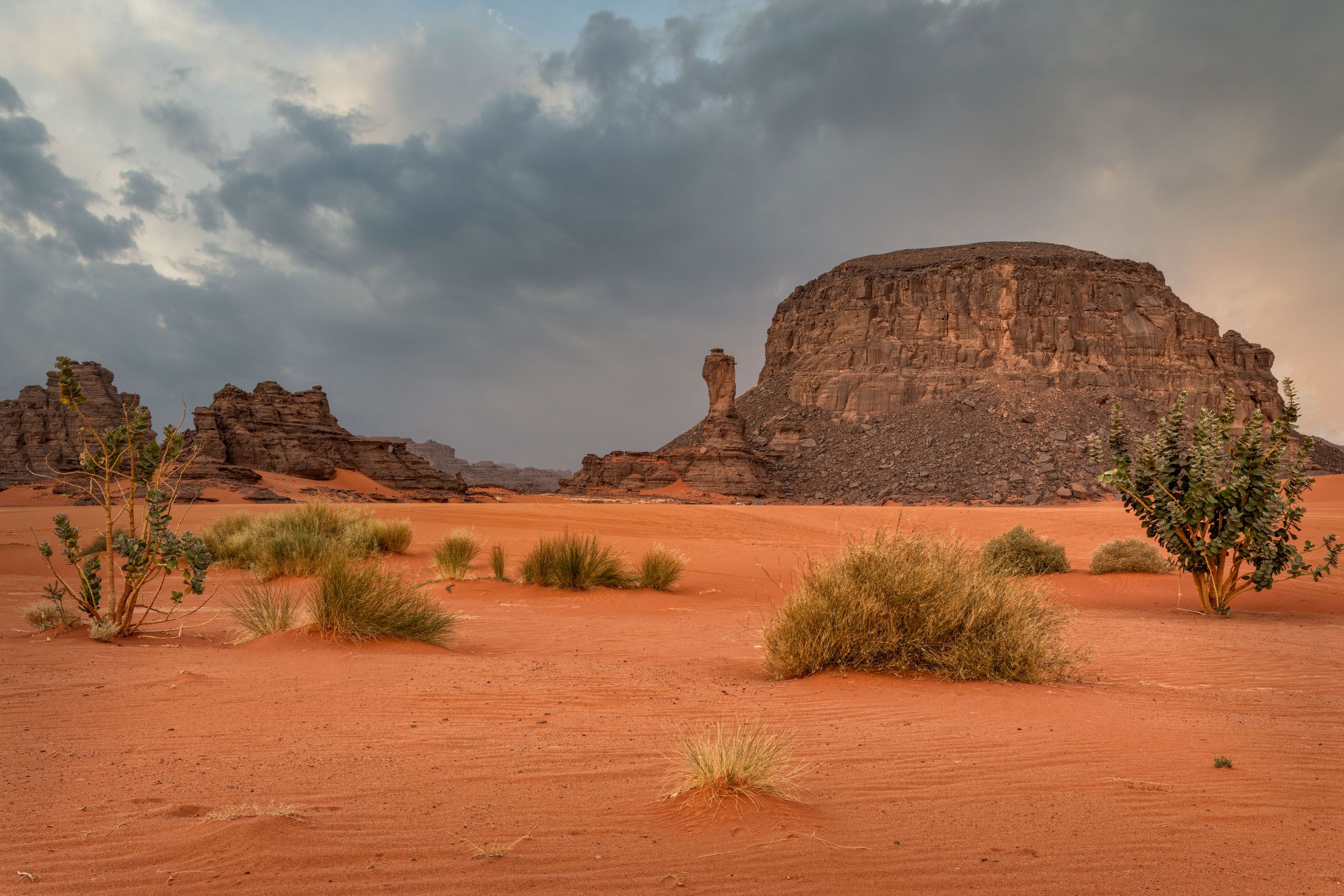
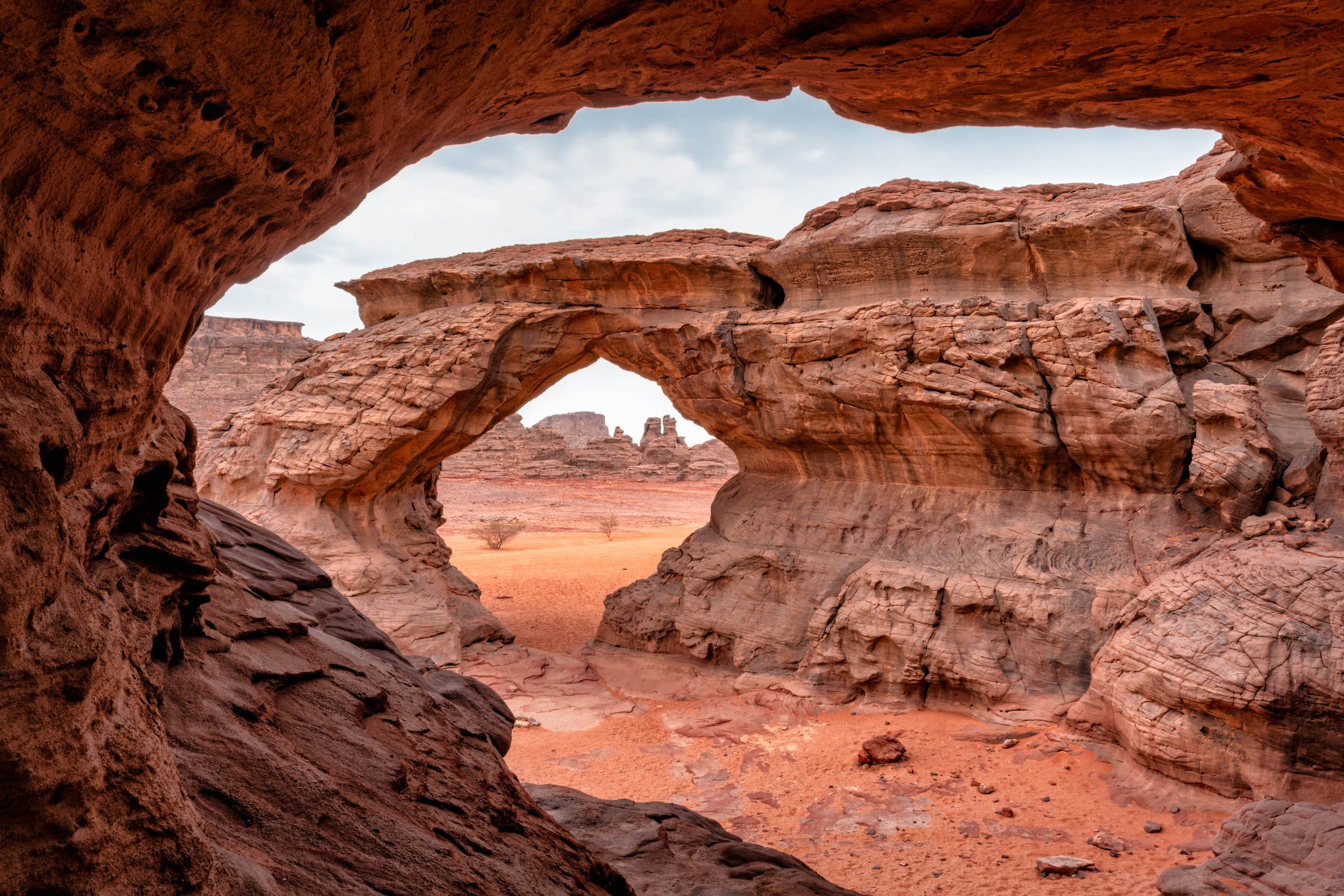
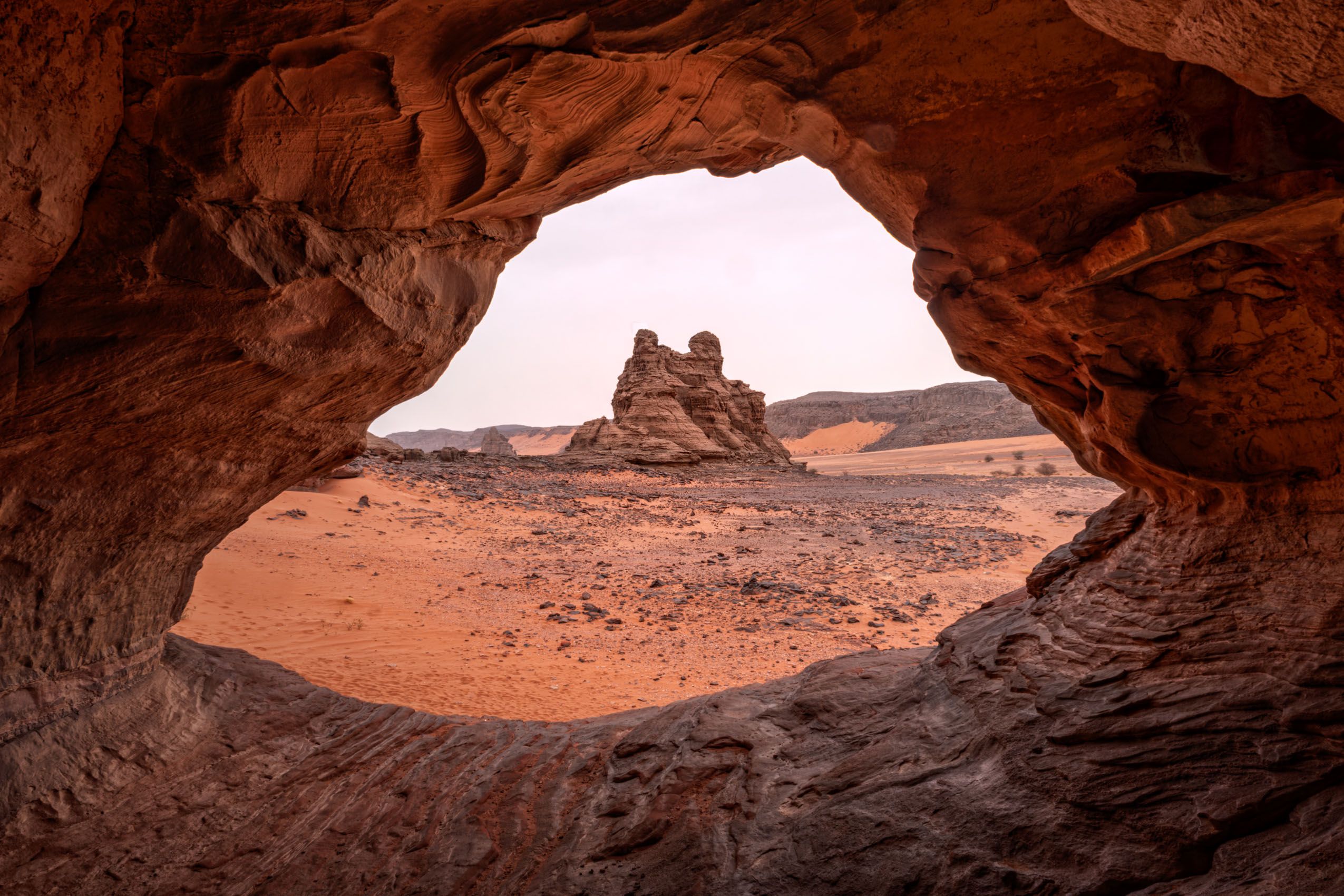
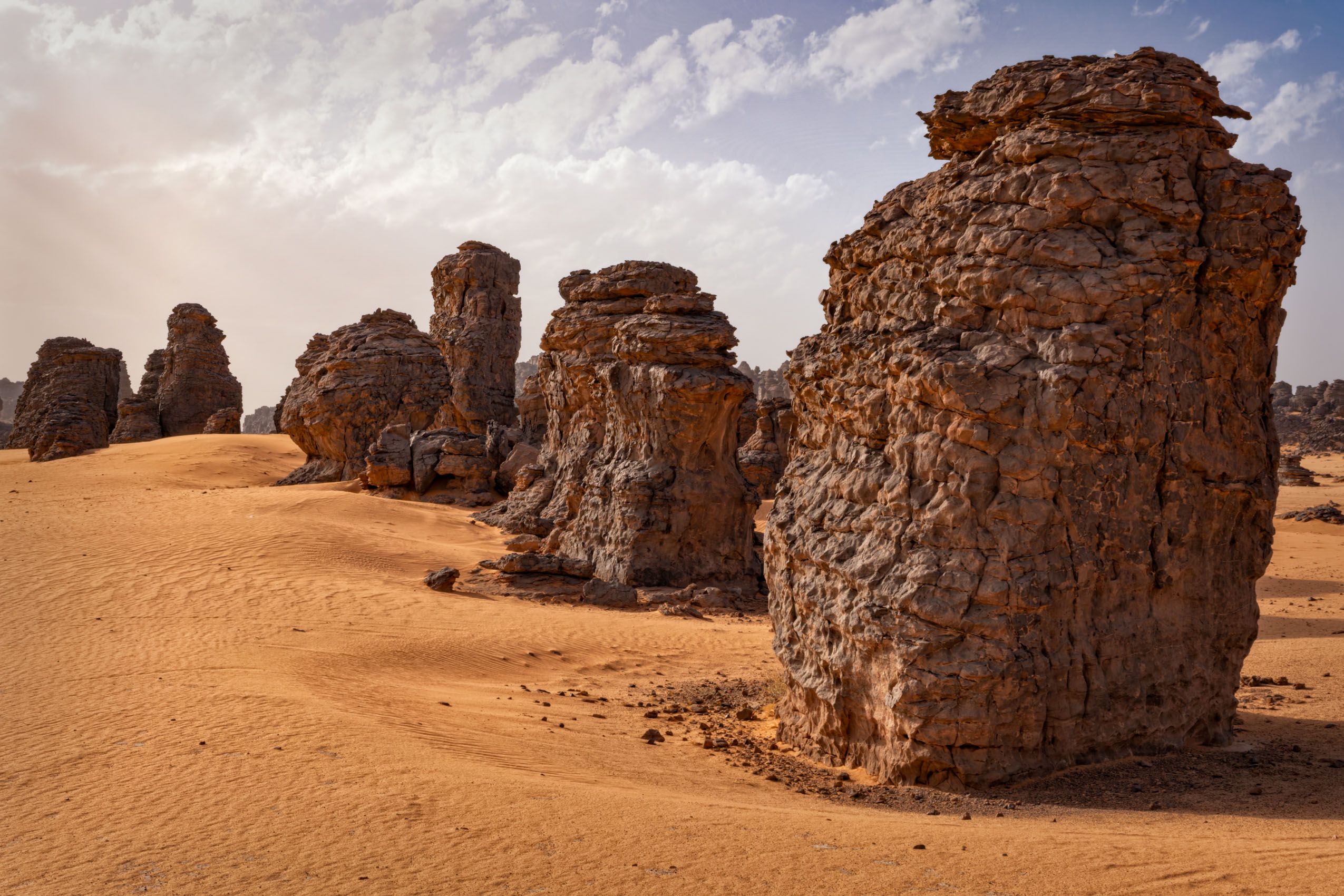
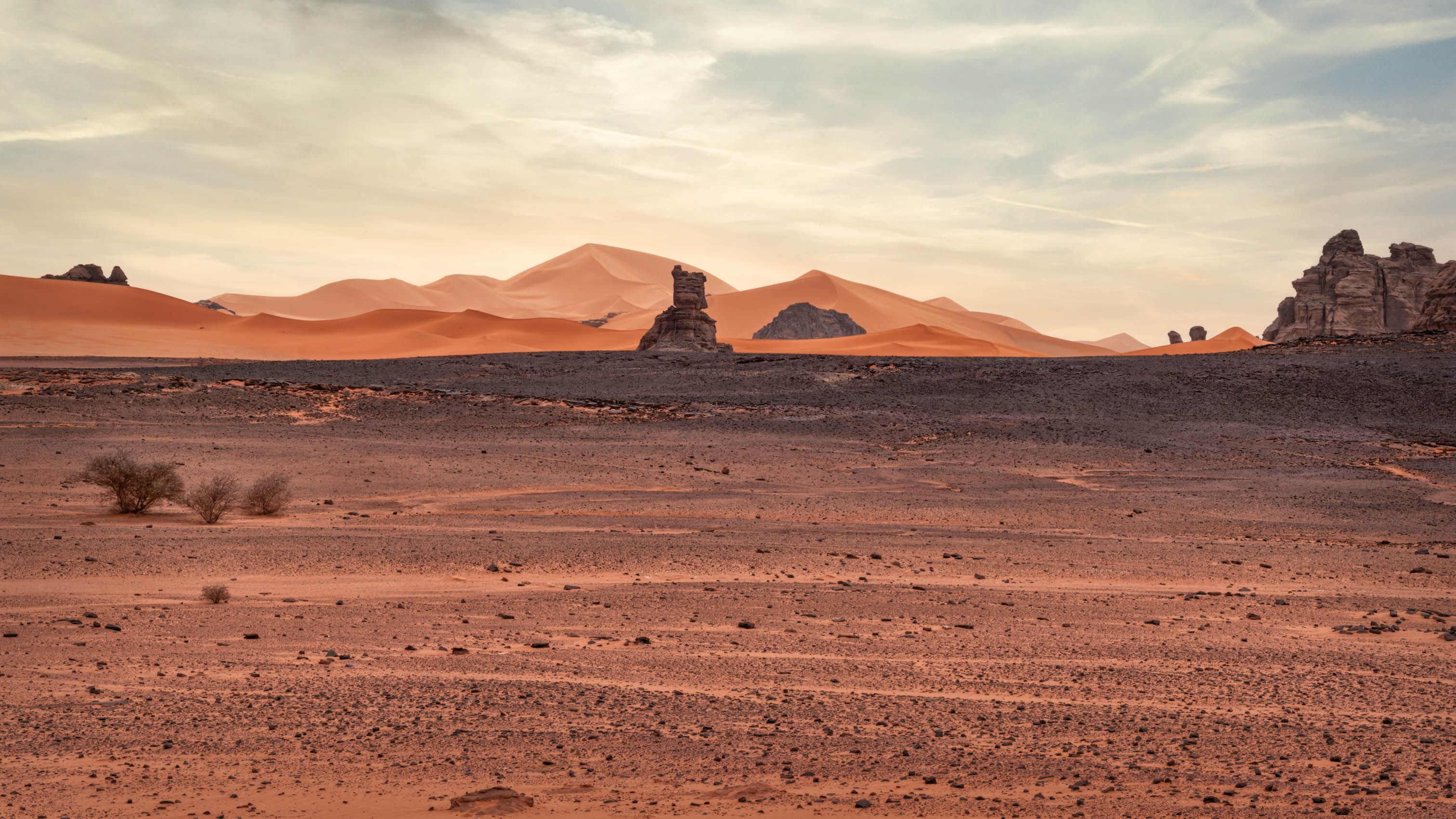
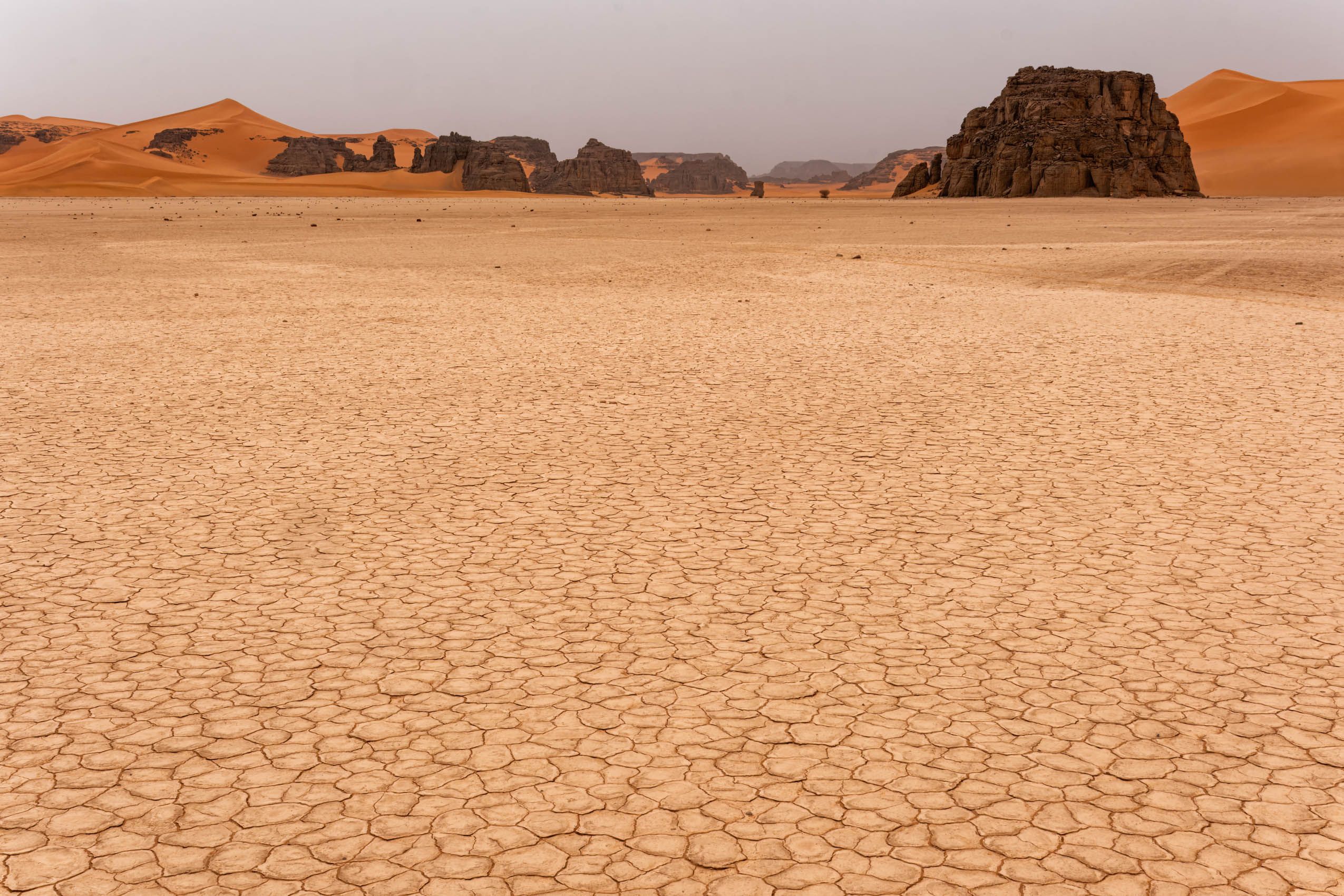
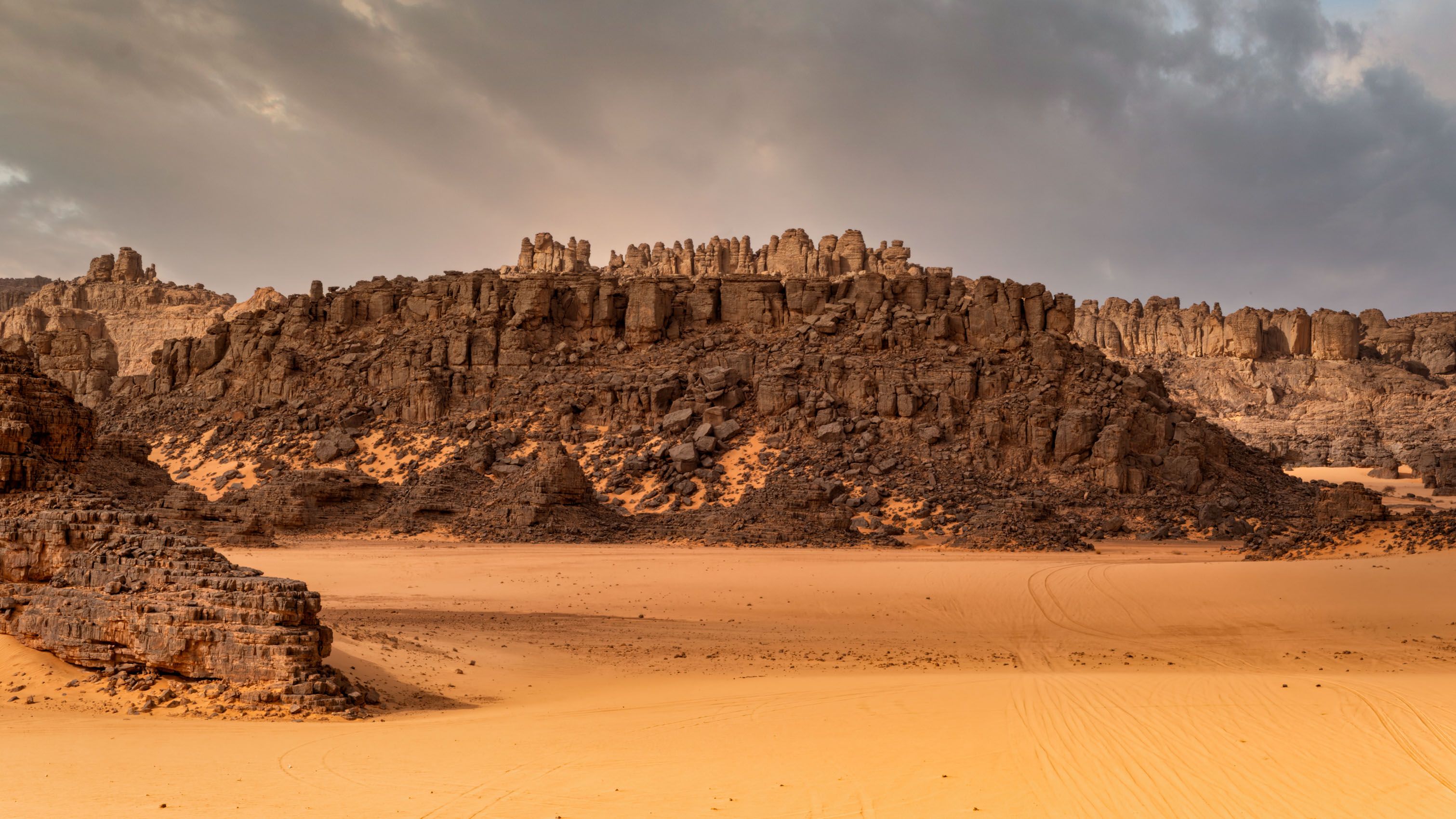
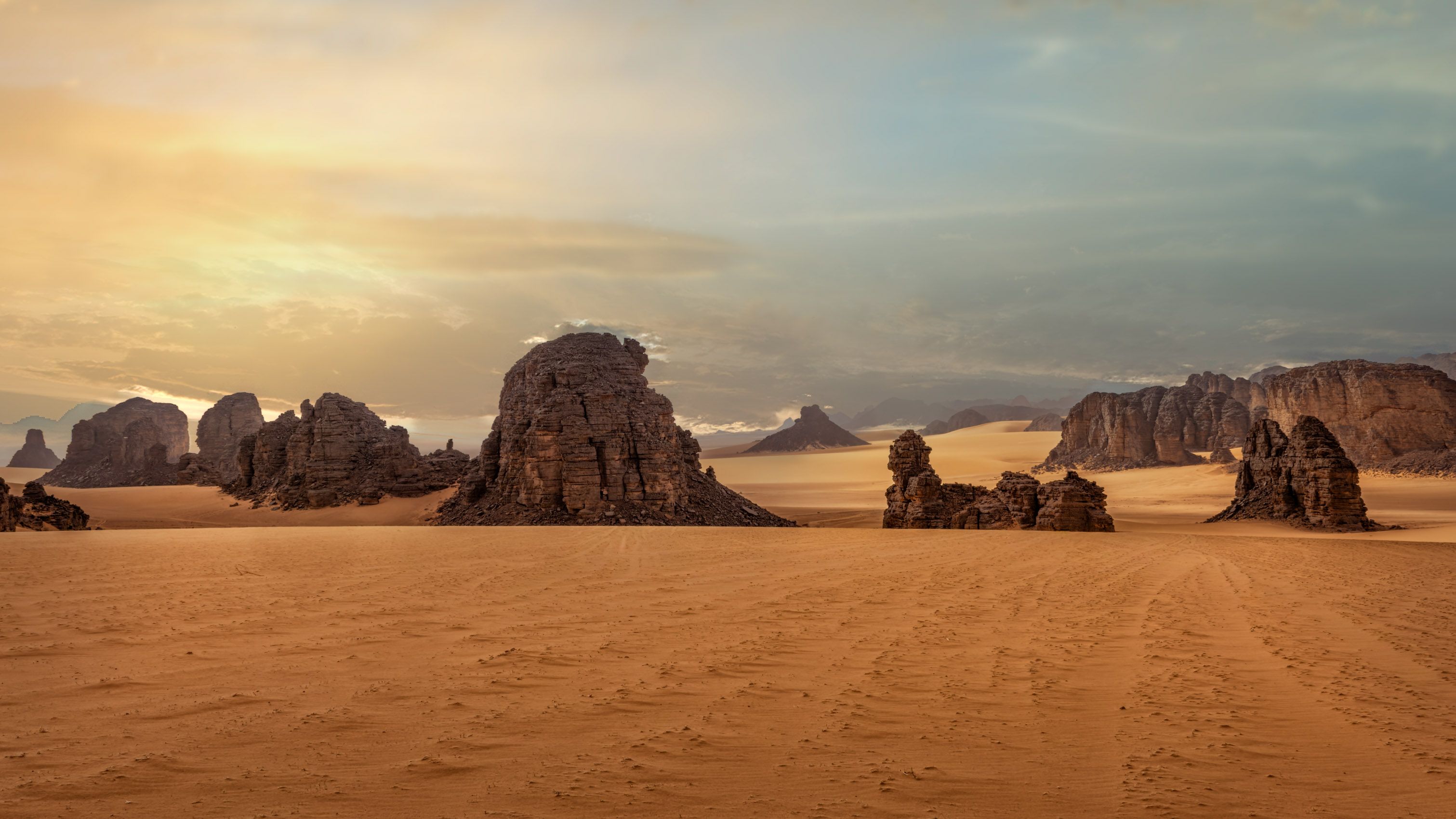
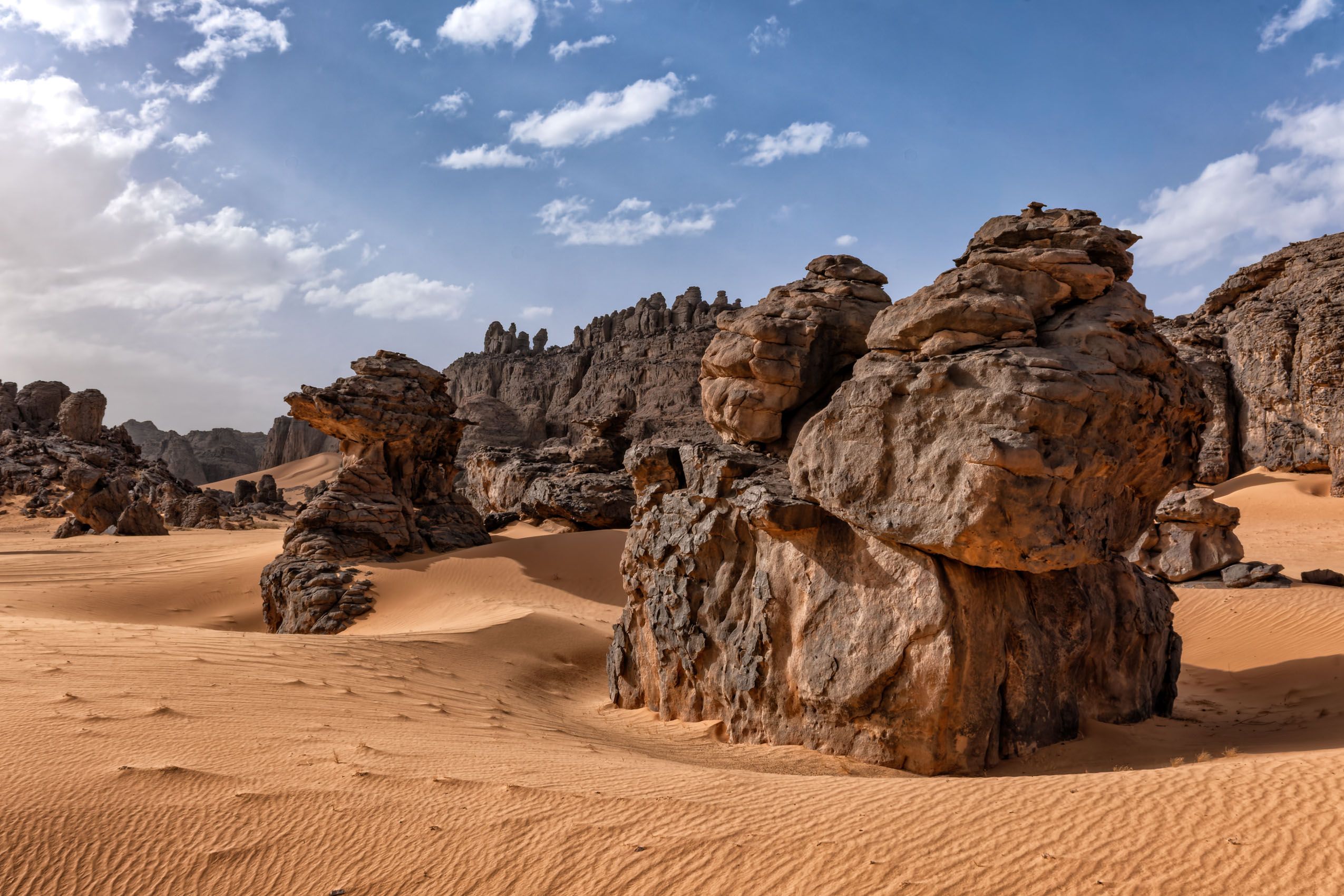
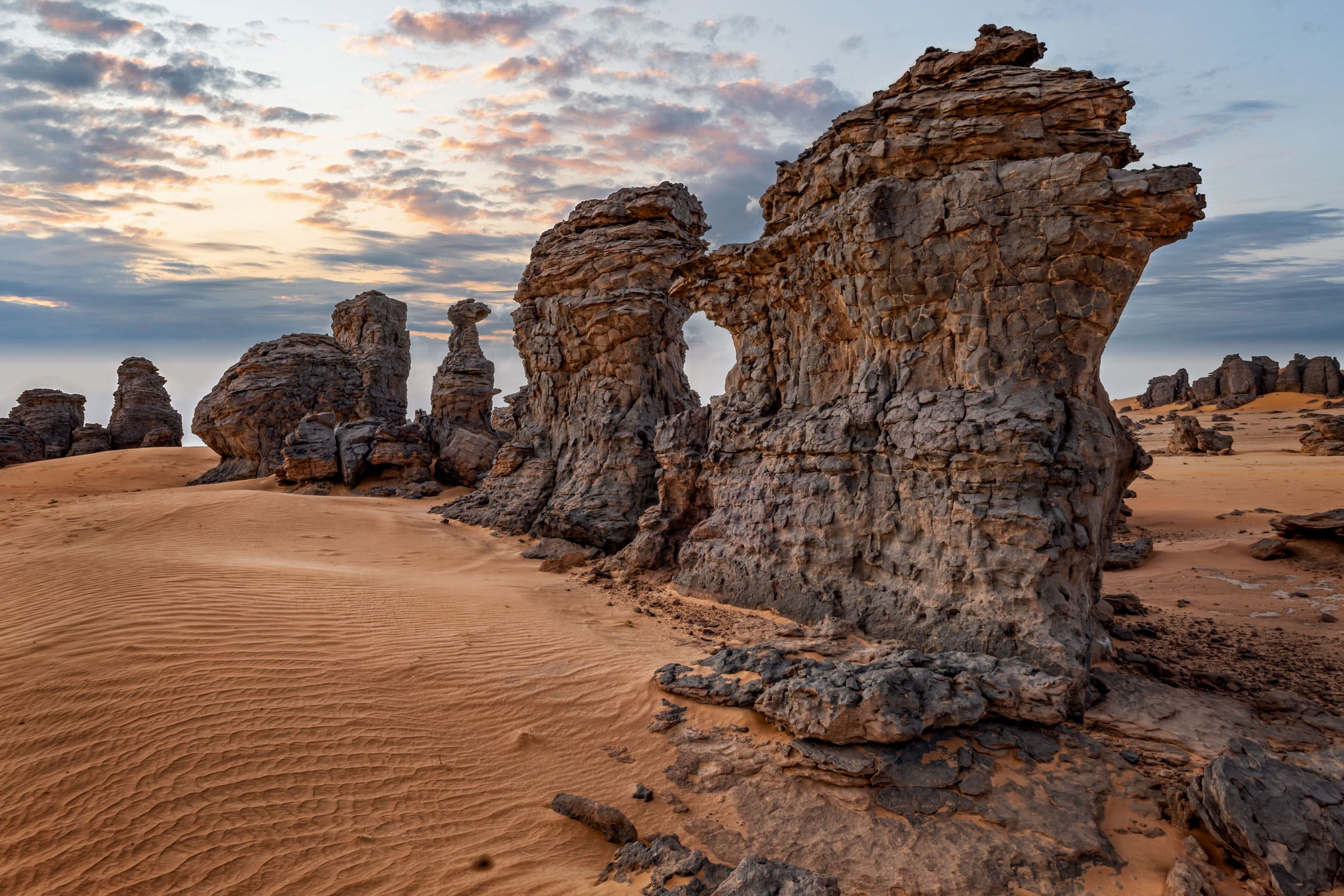
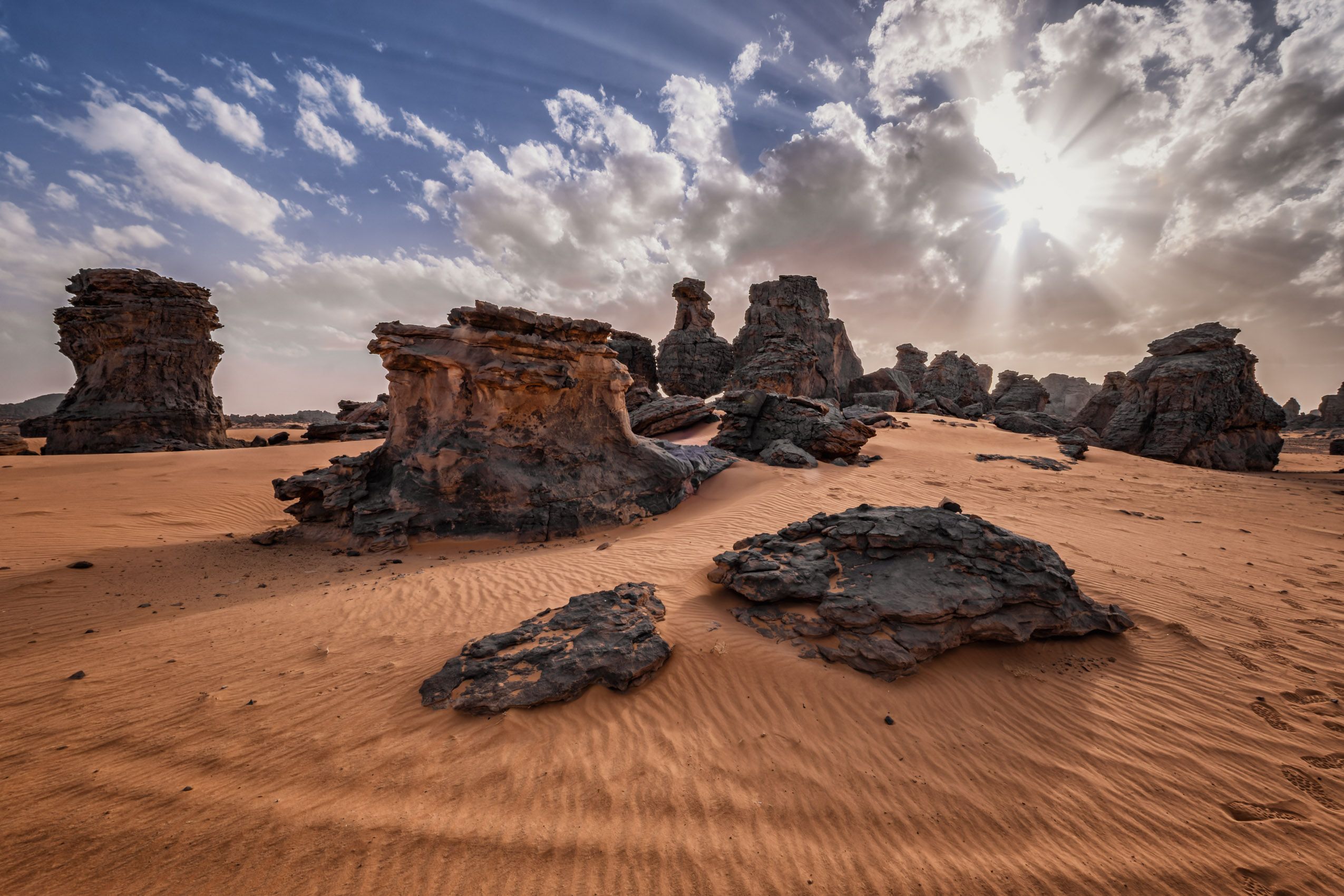
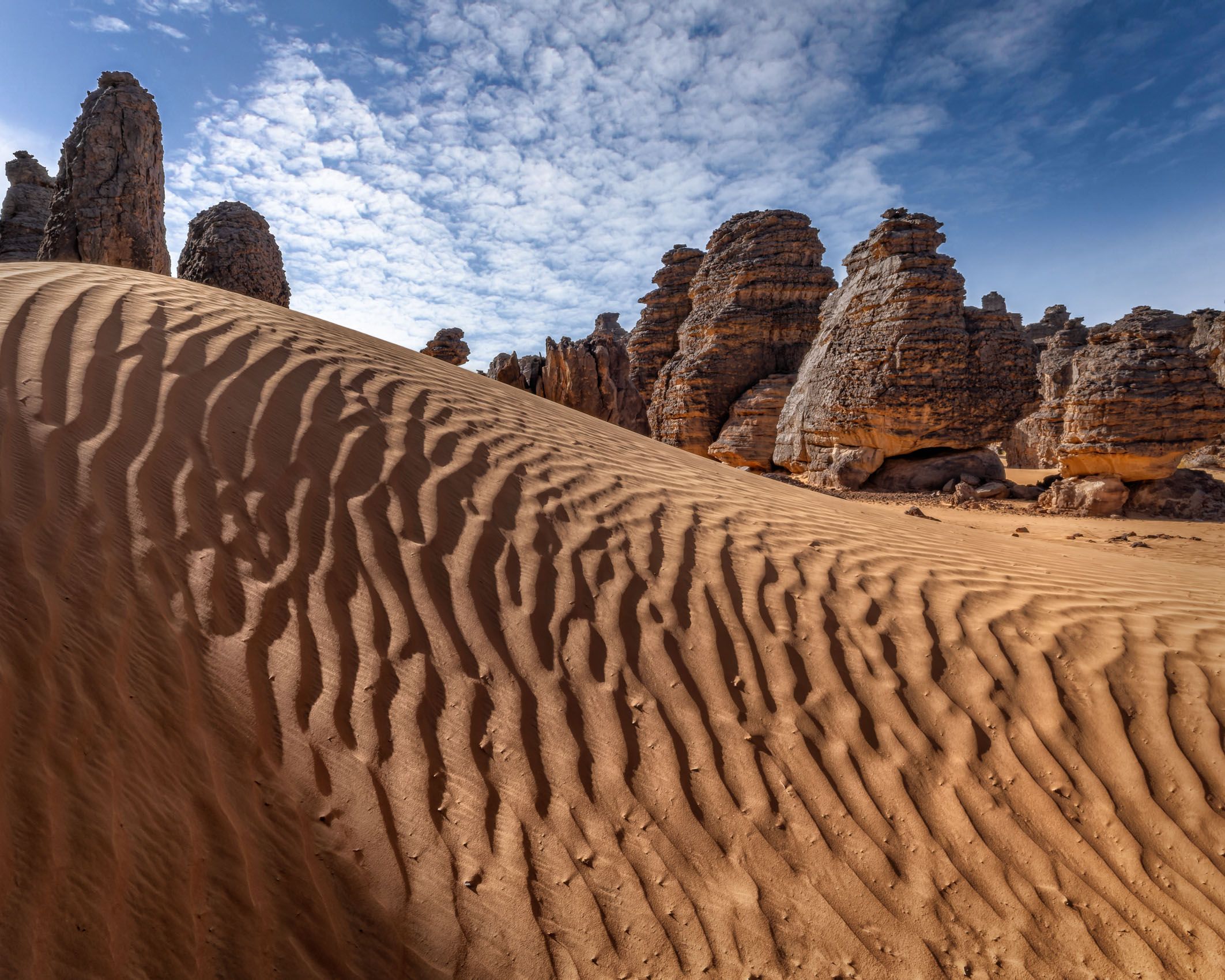
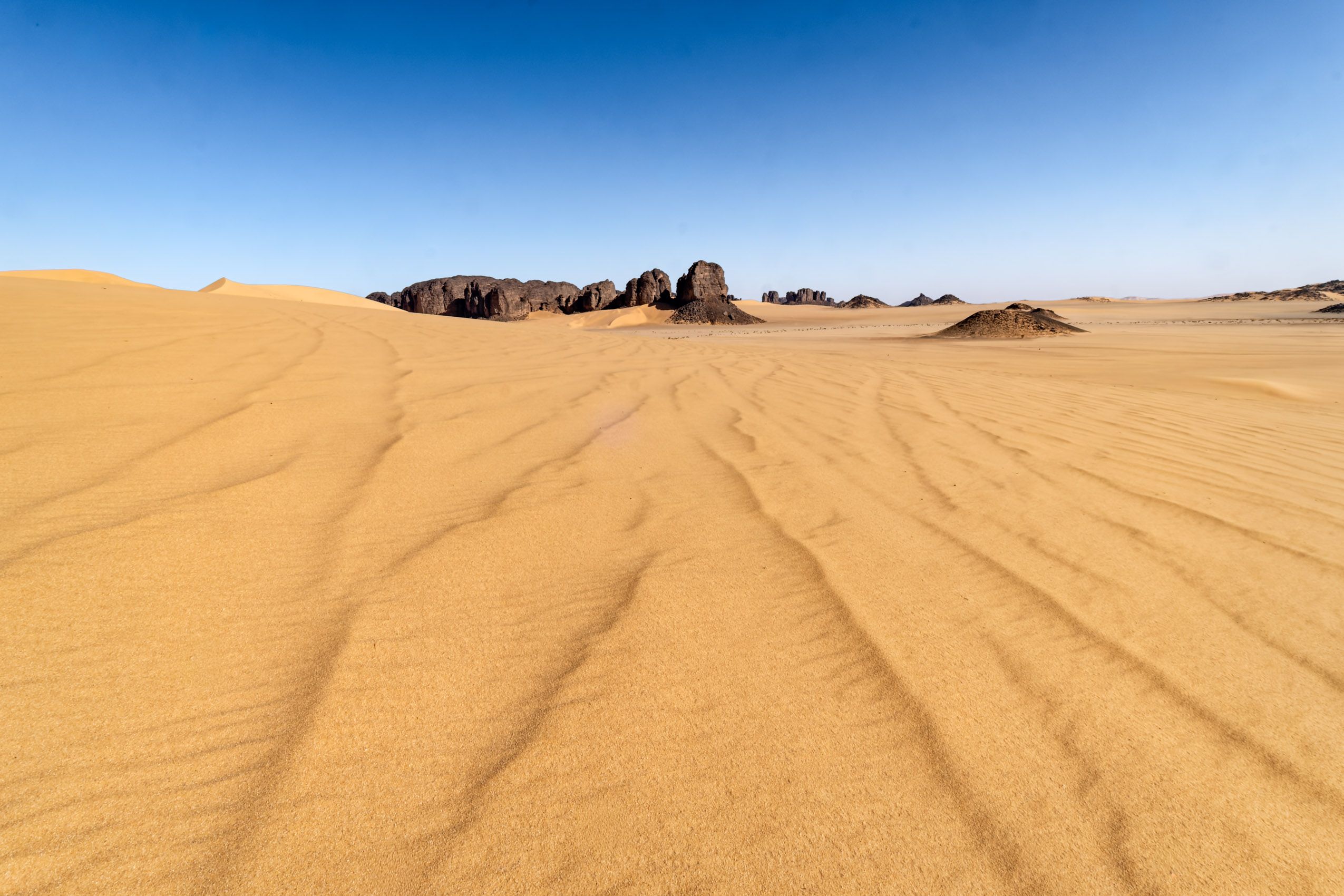
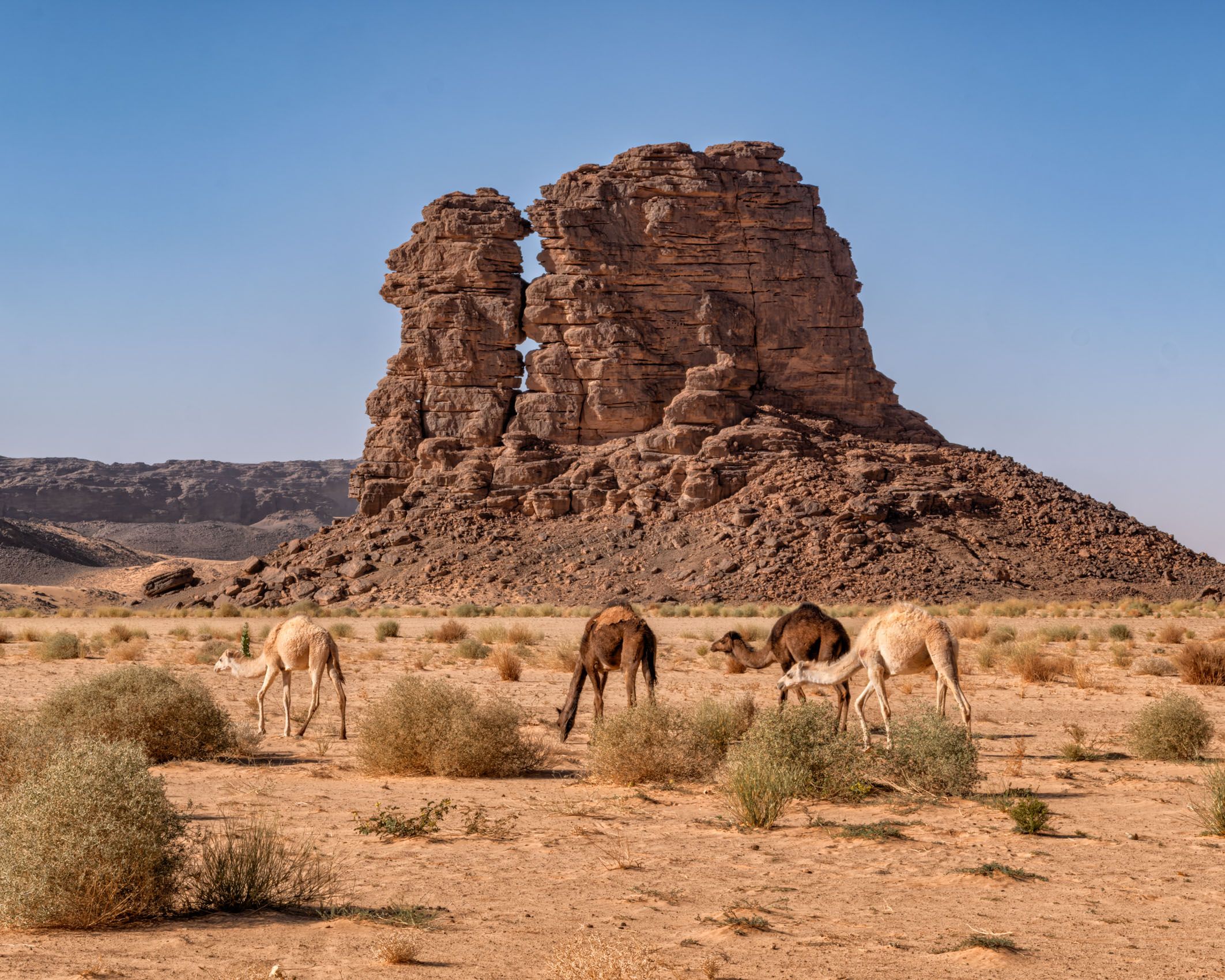
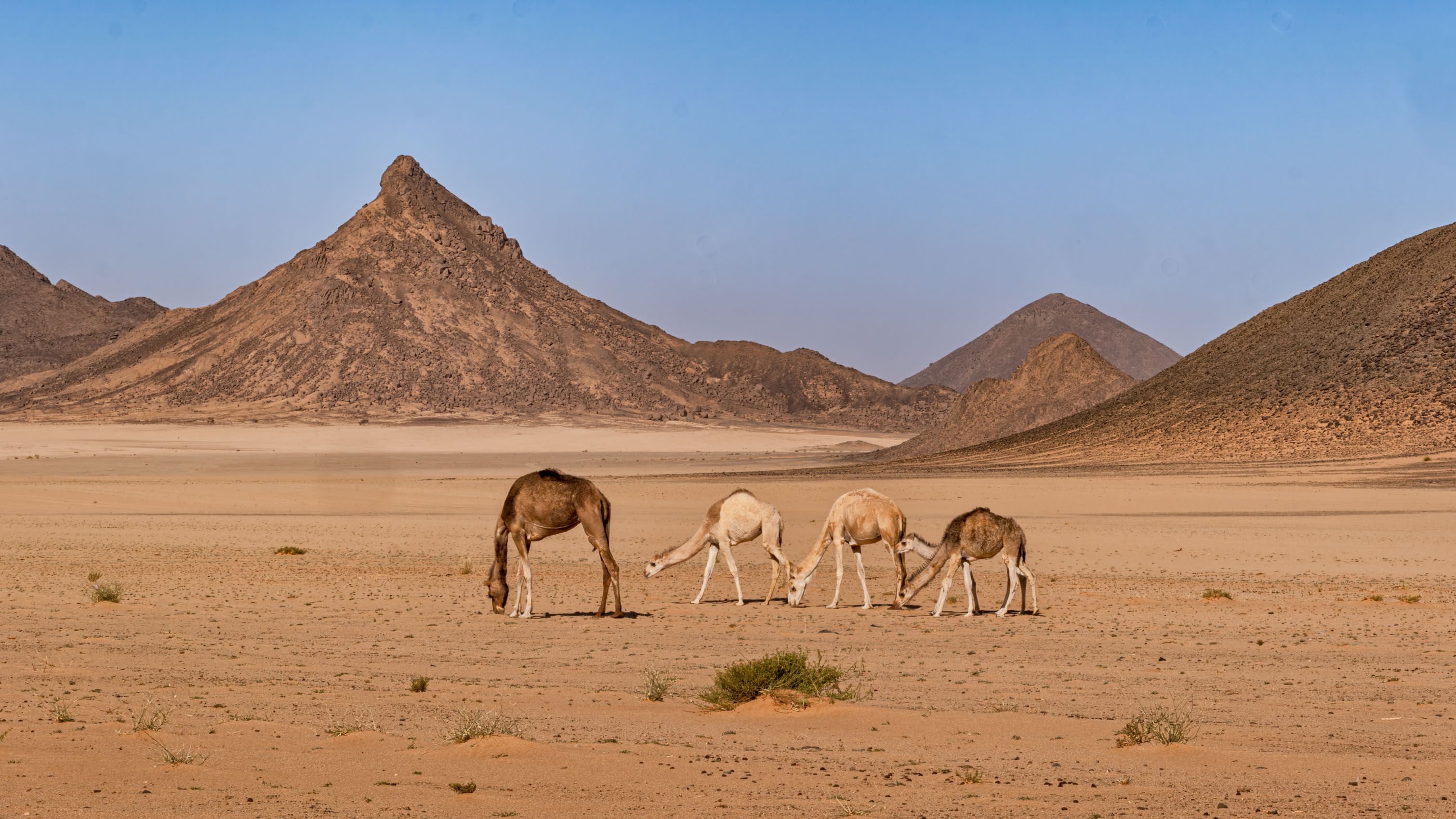
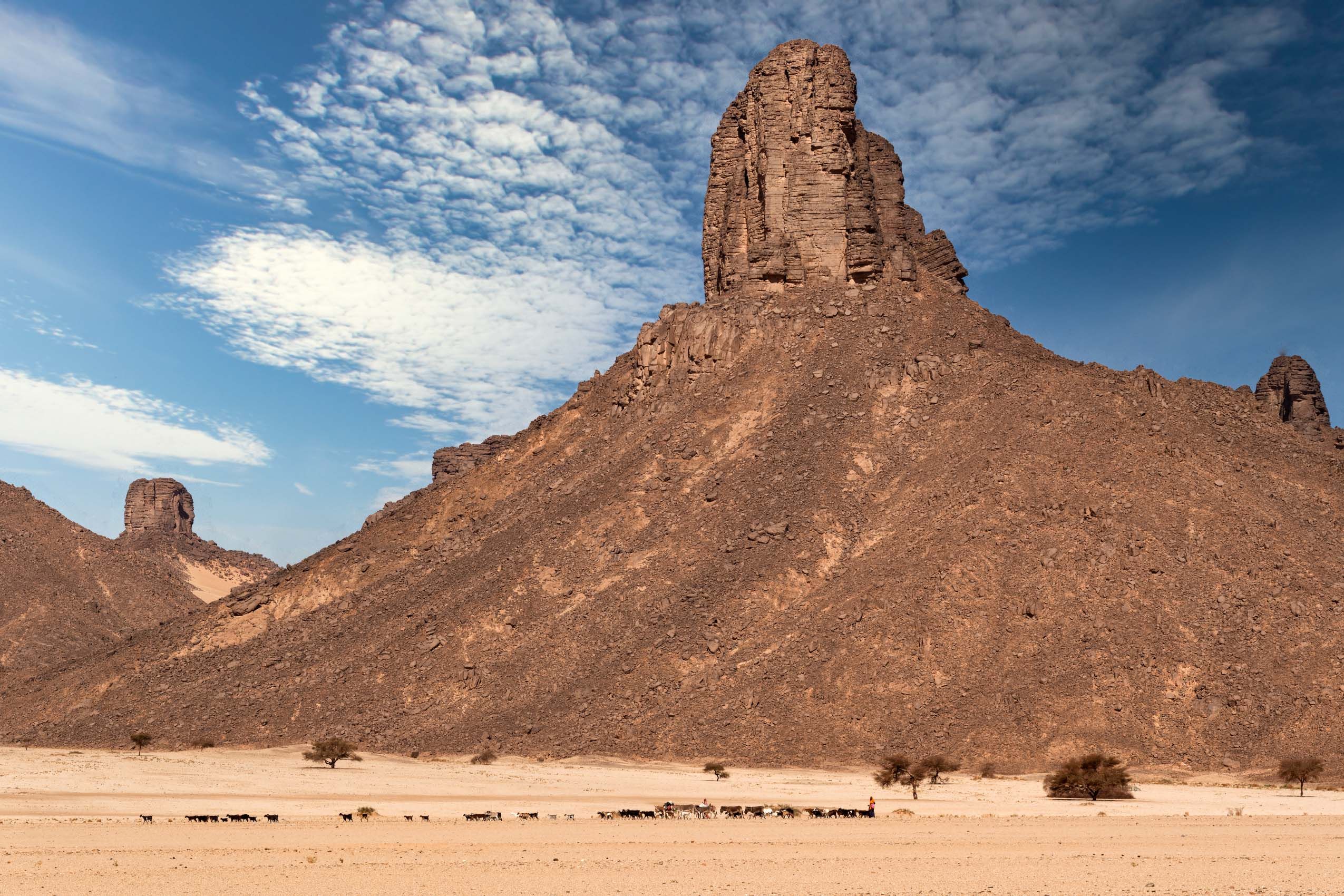
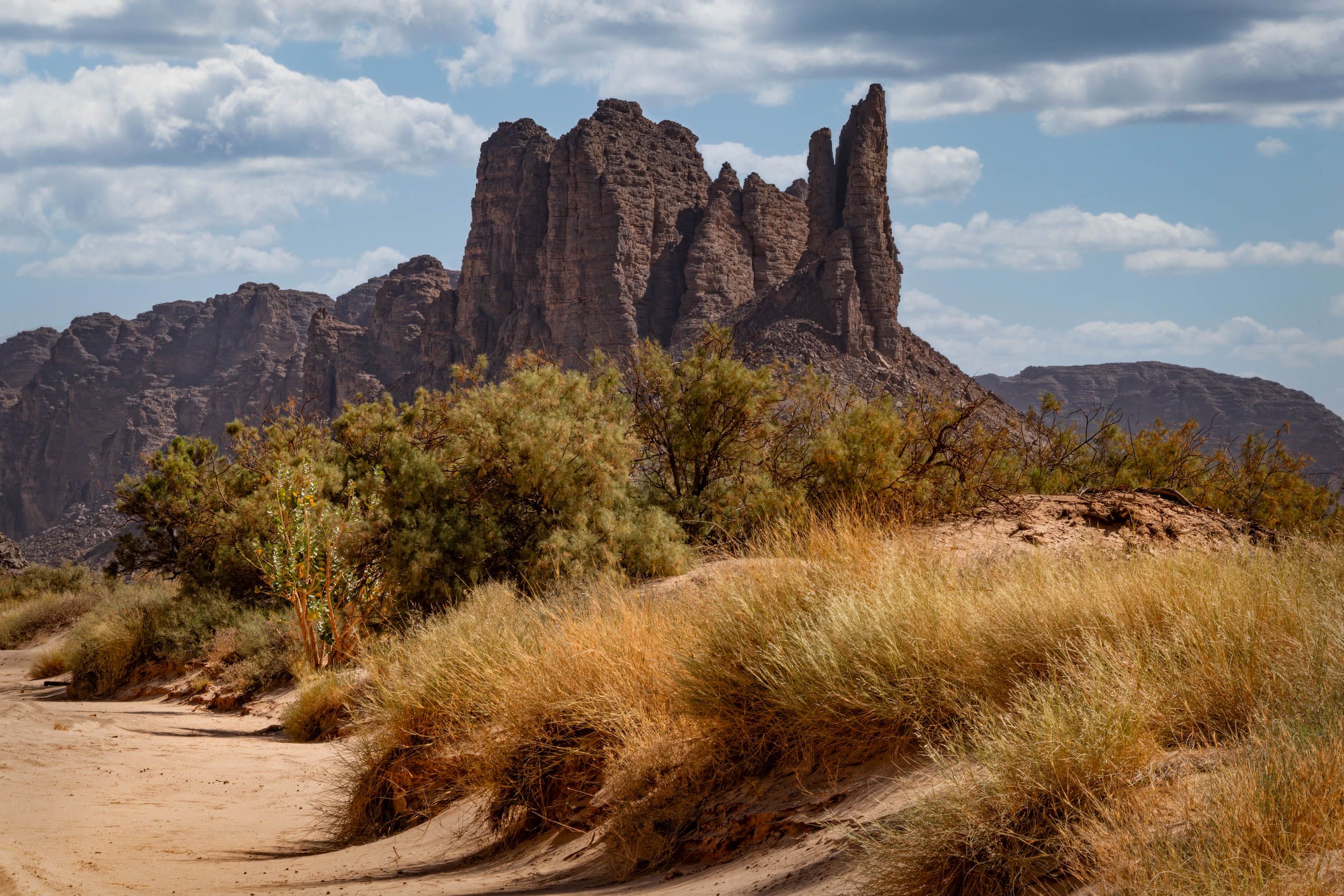
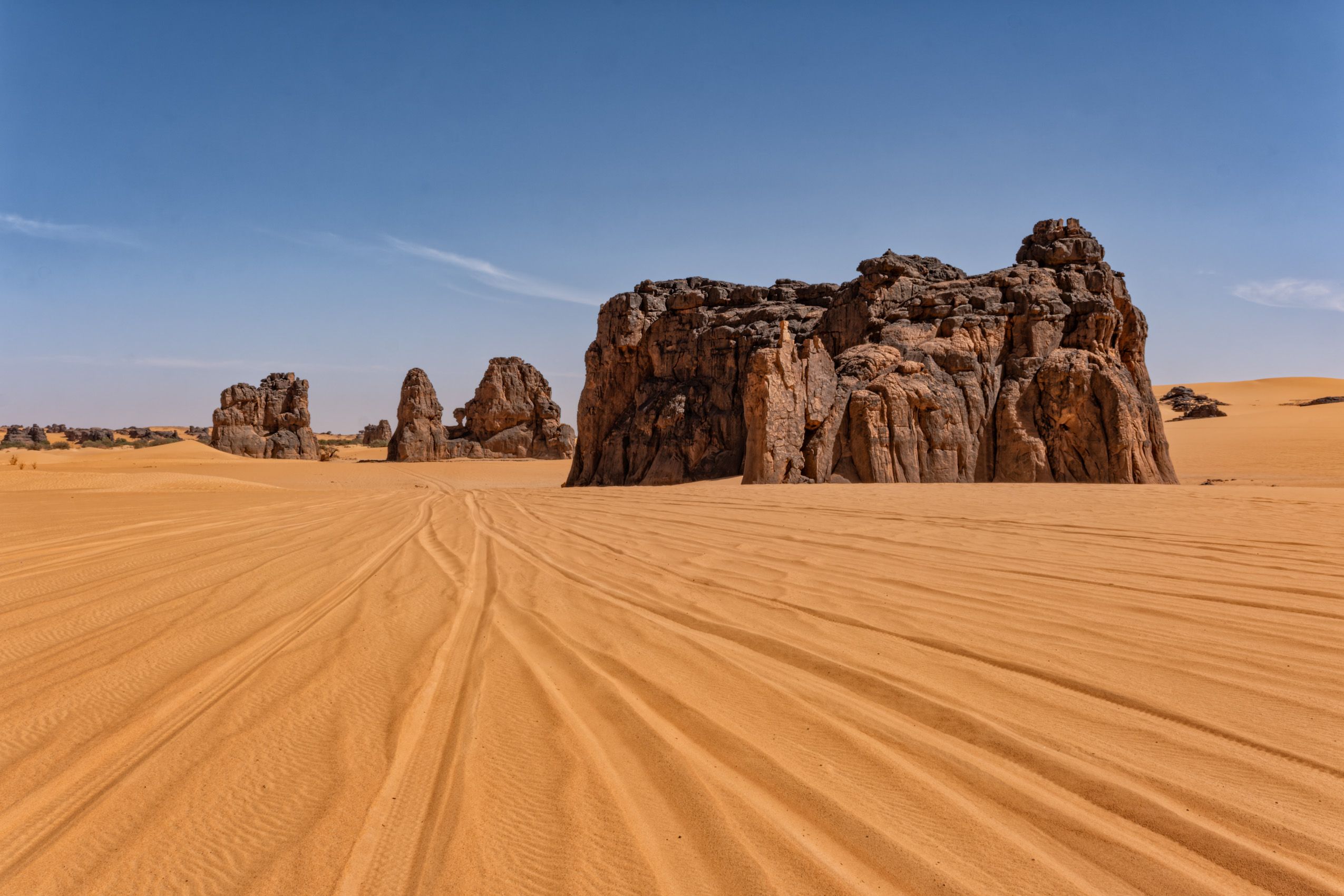
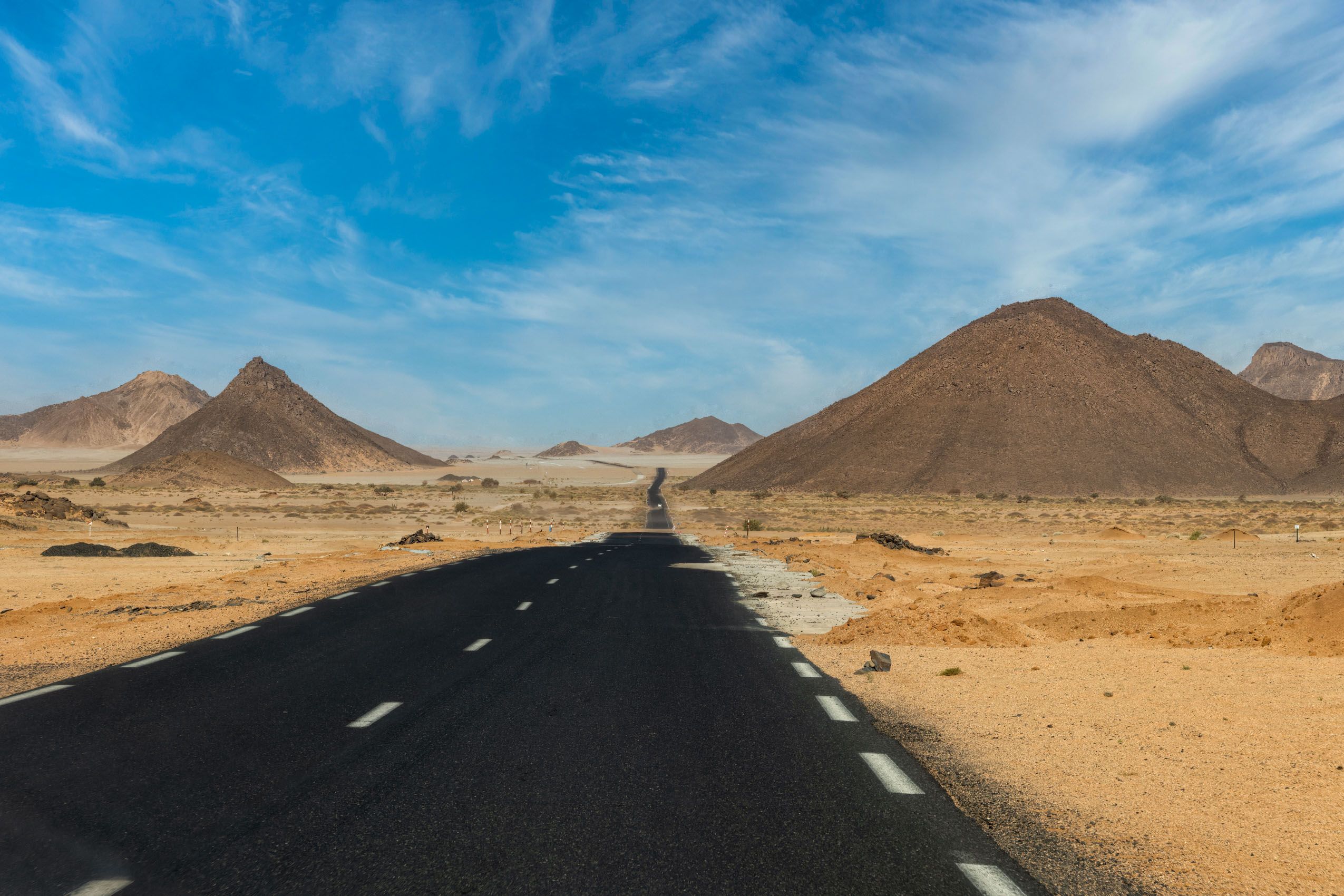
In the far southeastern corner of Algeria, close to the borders of Libya and Niger, the small oasis town of Djanet sits at the edge of one of the most spectacular and otherworldly landscapes on the surface of the earth. It is the gateway to the Tassili n'Ajjer — a name that translates roughly from Tuareg as "plateau of the rivers" — a vast, elevated sandstone massif covering some 72,000 square kilometres of the central Sahara. Tassili n’Ajjer was designated a UNESCO World Heritage Site in 1982 for both its geological wonder and its unparalleled concentration of prehistoric rock art. The geology of the region is staggering in its antiquity and drama. The plateau was formed from ancient sedimentary sandstones laid down hundreds of millions of years ago, subsequently uplifted and then sculpted over vast stretches of time by wind, water, and thermal expansion. The result is a surreal forest of stone: thousands of eroded rock towers, arches, and pinnacles rising from the plateau floor. These formations create a landscape that feels less like a desert than the ruins of some ancient civilization.
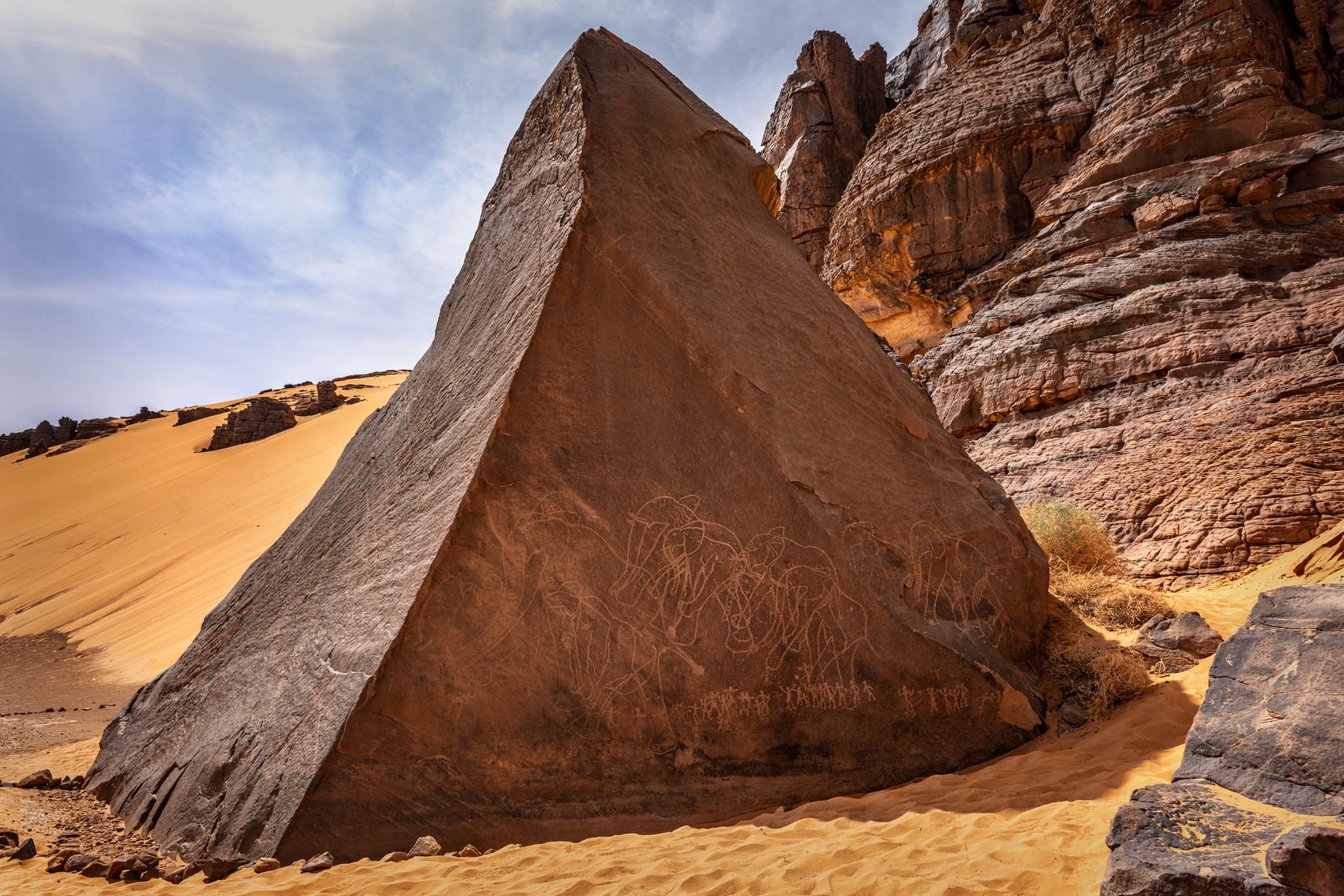
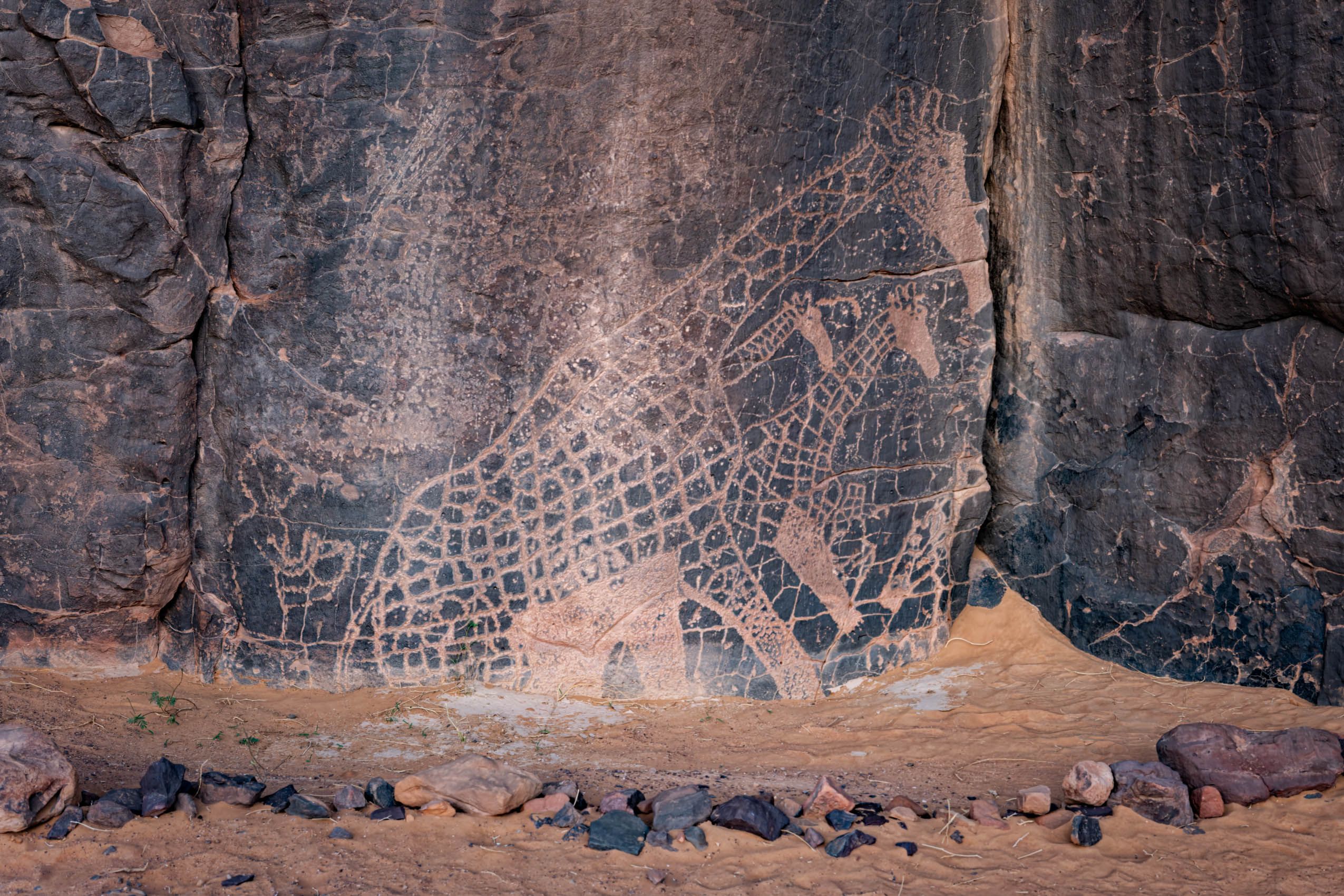
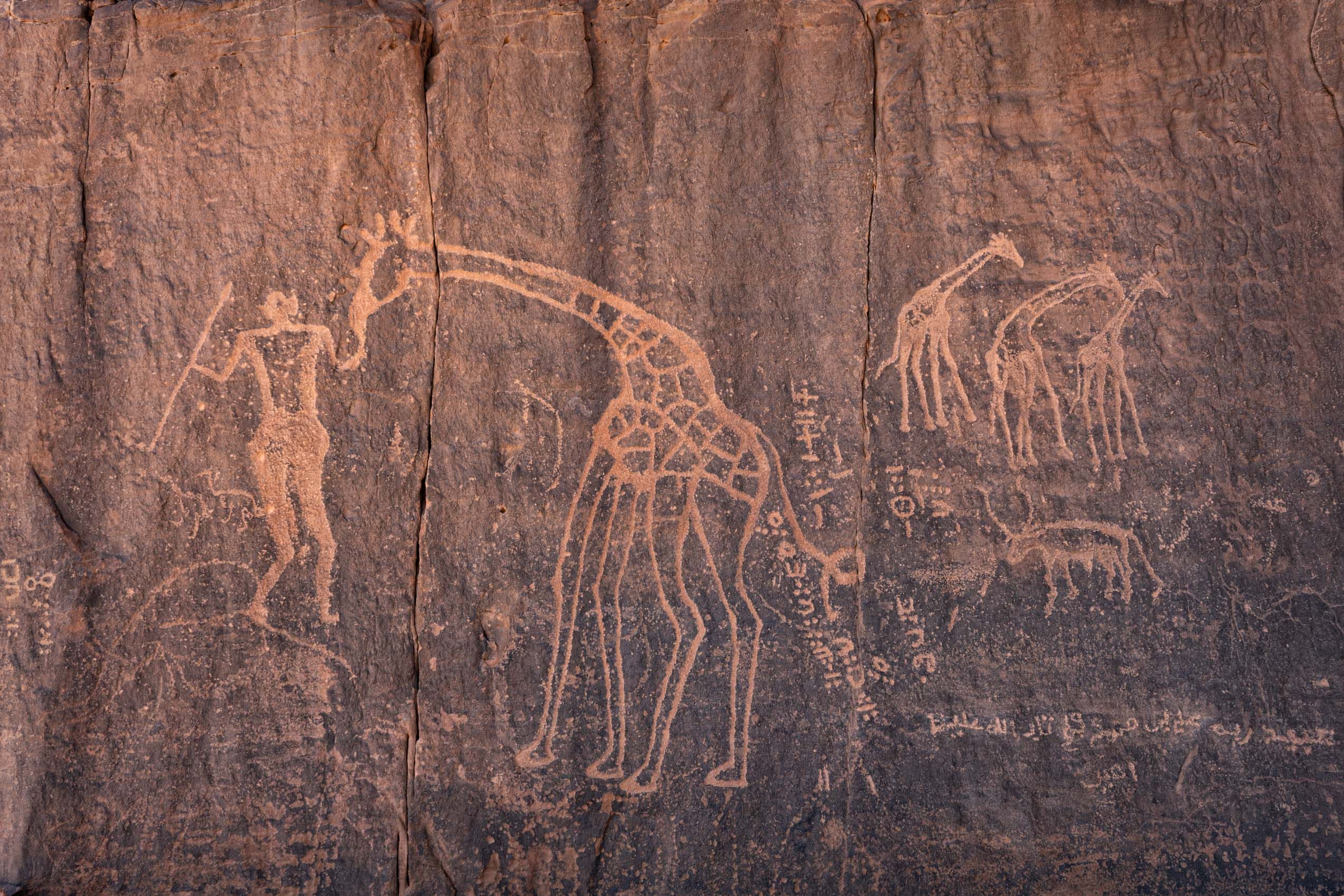
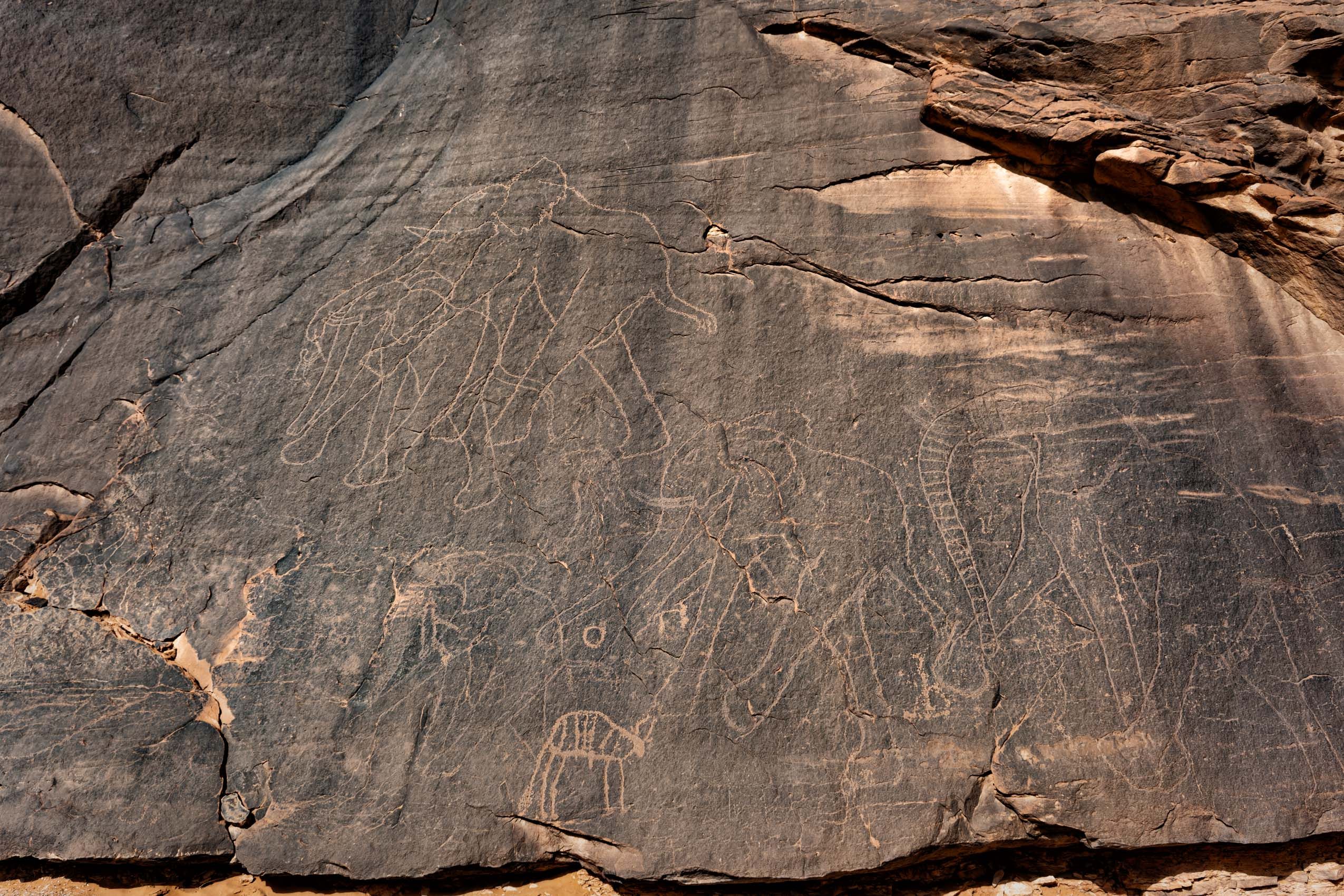
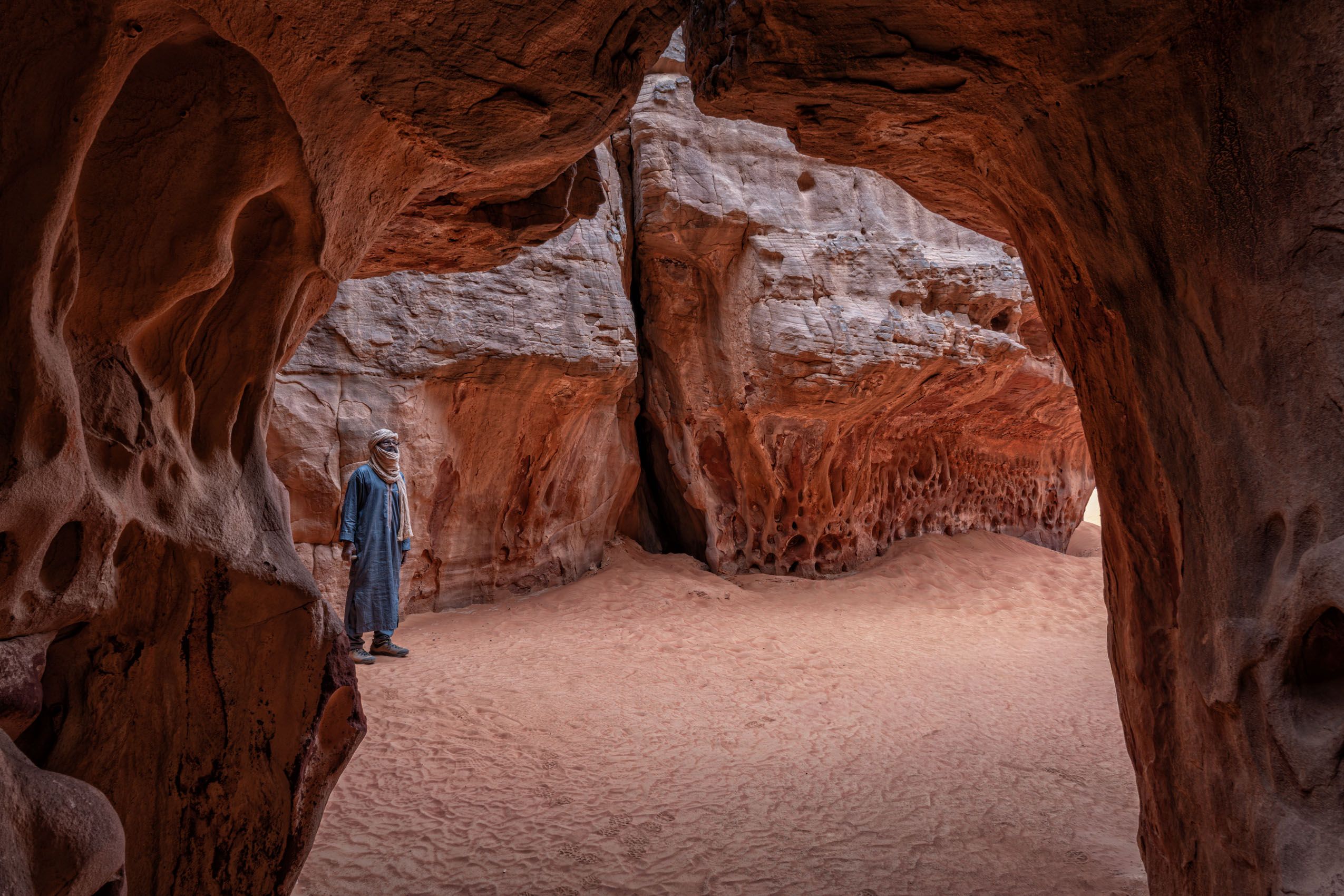
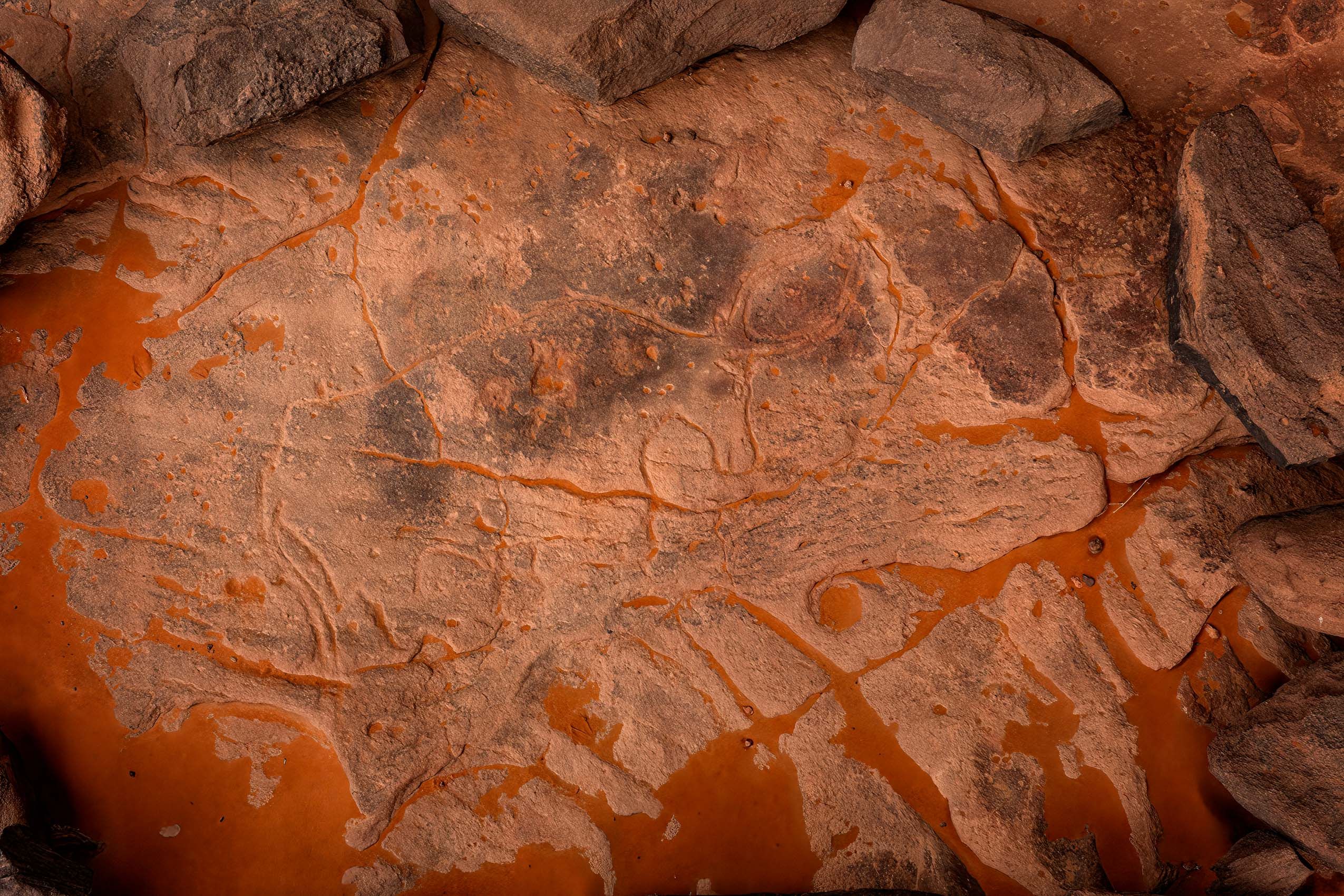
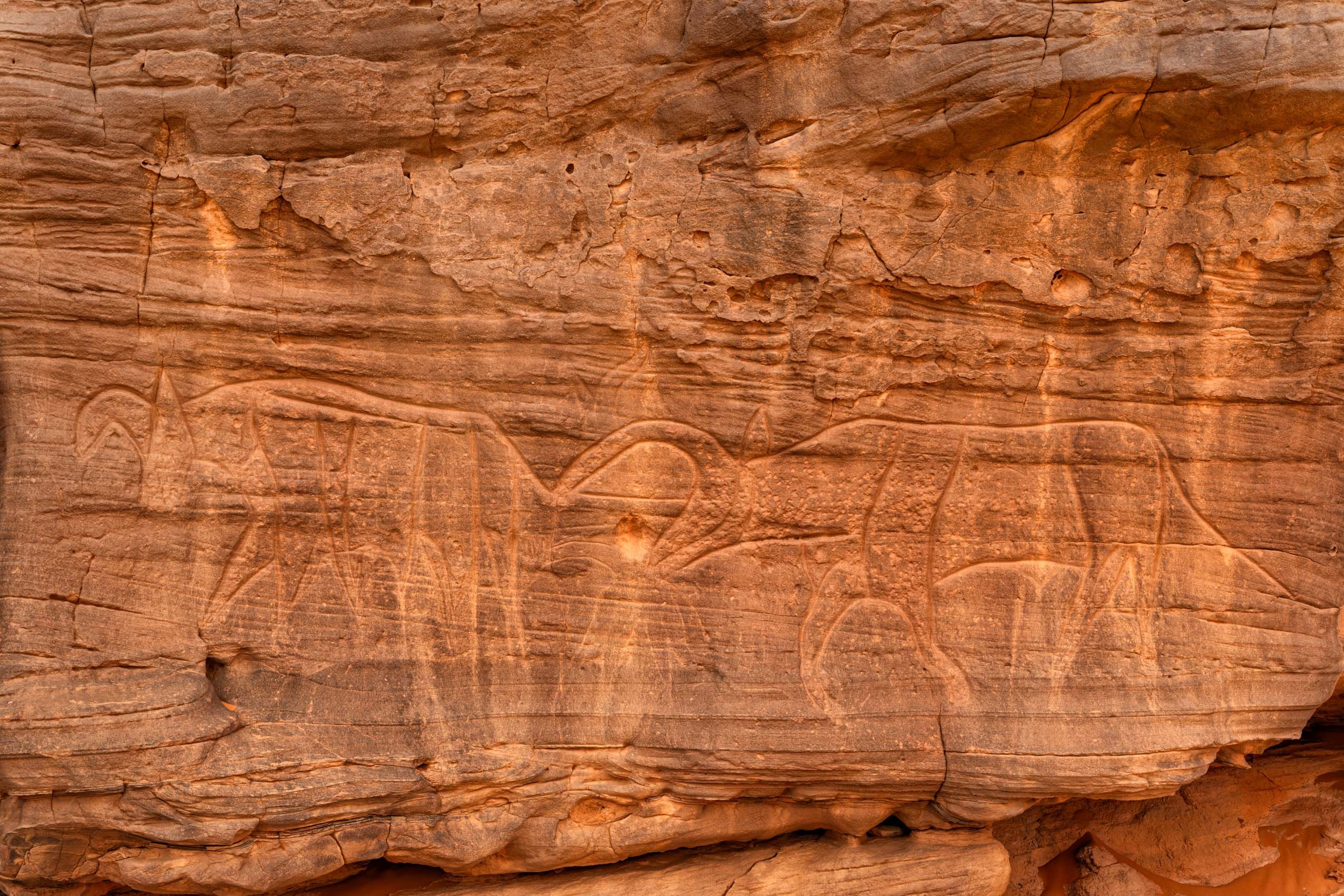
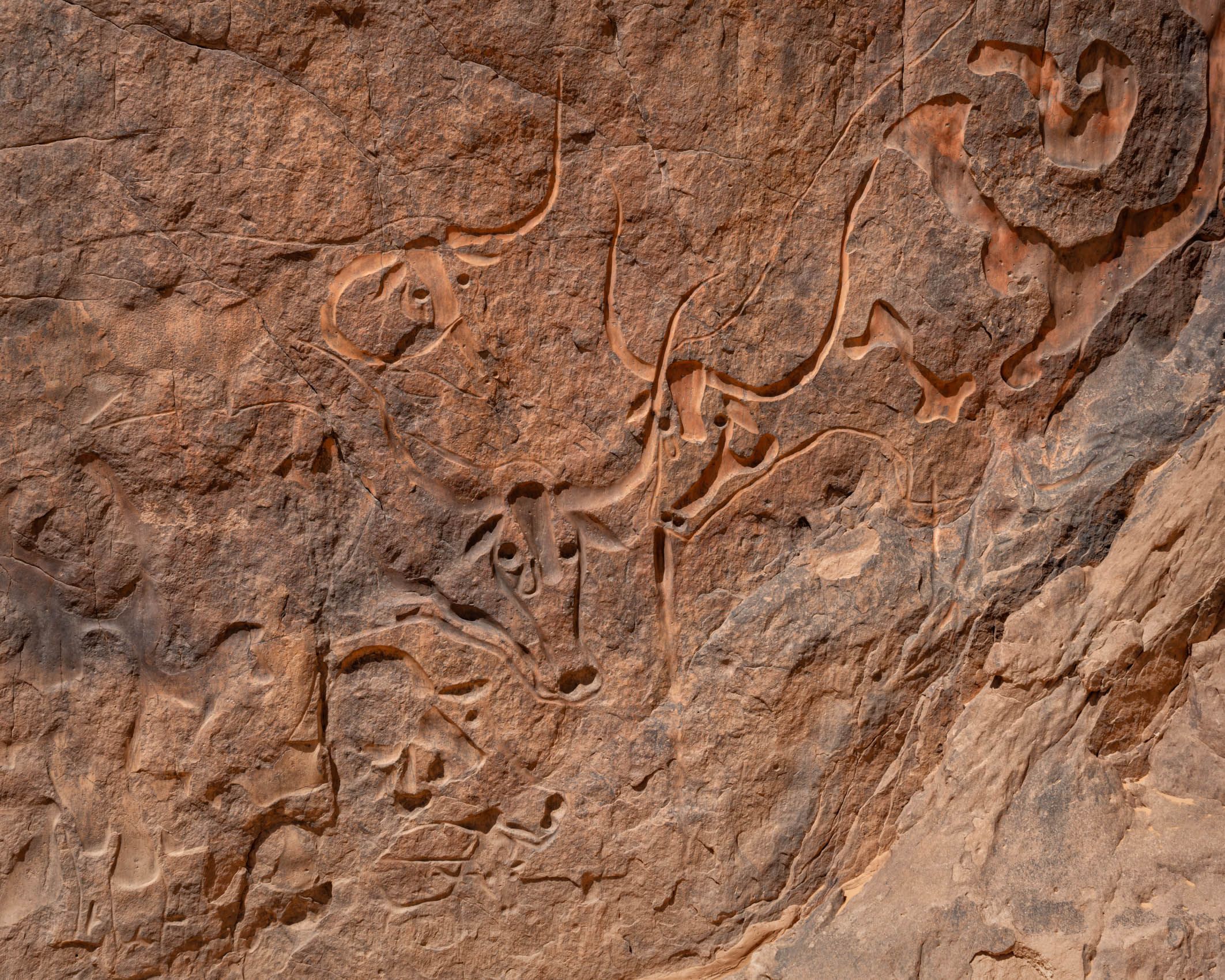
In fact, the plateau contains one of the largest and most important collections of prehistoric rock art on earth, with an estimated 15,000 or more pictographs and petroglyphs scattered across its cliffs and caves, spanning a period from roughly 10,000 BCE to the early centuries of the Common Era. The earliest images, from the so-called "Wild Fauna" period, depict elephants, giraffes, hippopotamuses, rhinoceroses, crocodiles, and herds of cattle moving across what was then a well-watered savannah — a Green Sahara warmed and fed by monsoon rains that have long since retreated southward. Later periods show the arrival of domesticated cattle, then horses and chariots, then finally camels, each phase marking a climatic and cultural shift as the land grew progressively drier. The human figures depicted across these millennia are sometimes masked or adorned in ceremonial dress. The Tuaregs, the nomadic Berber nation of the central Sahara, have long called this landscape home and it is their guides who lead small number of travelers into the protected park each year.