
BHUTAN: Buddhist Architecture, Iconography, and Devotion
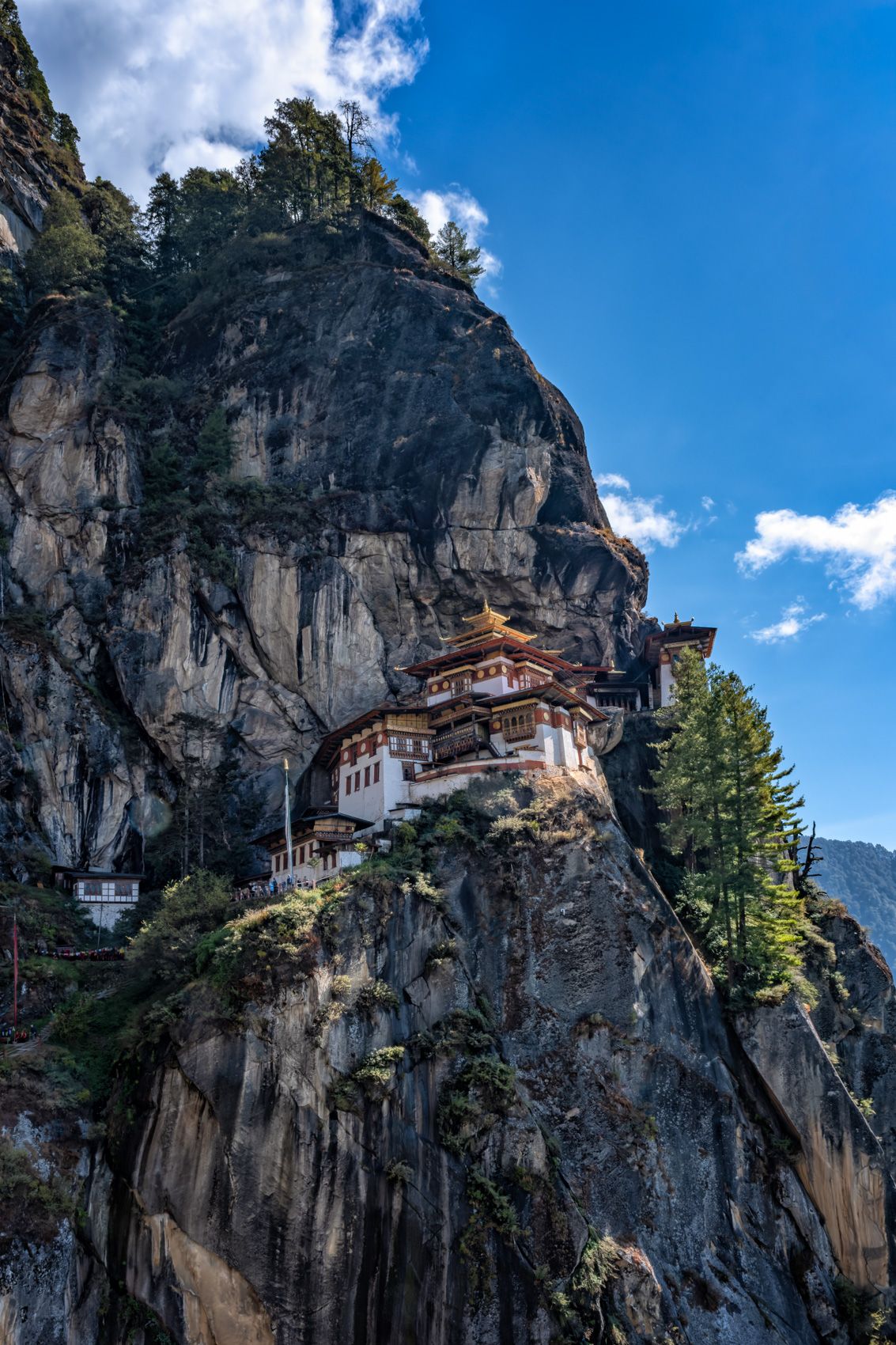
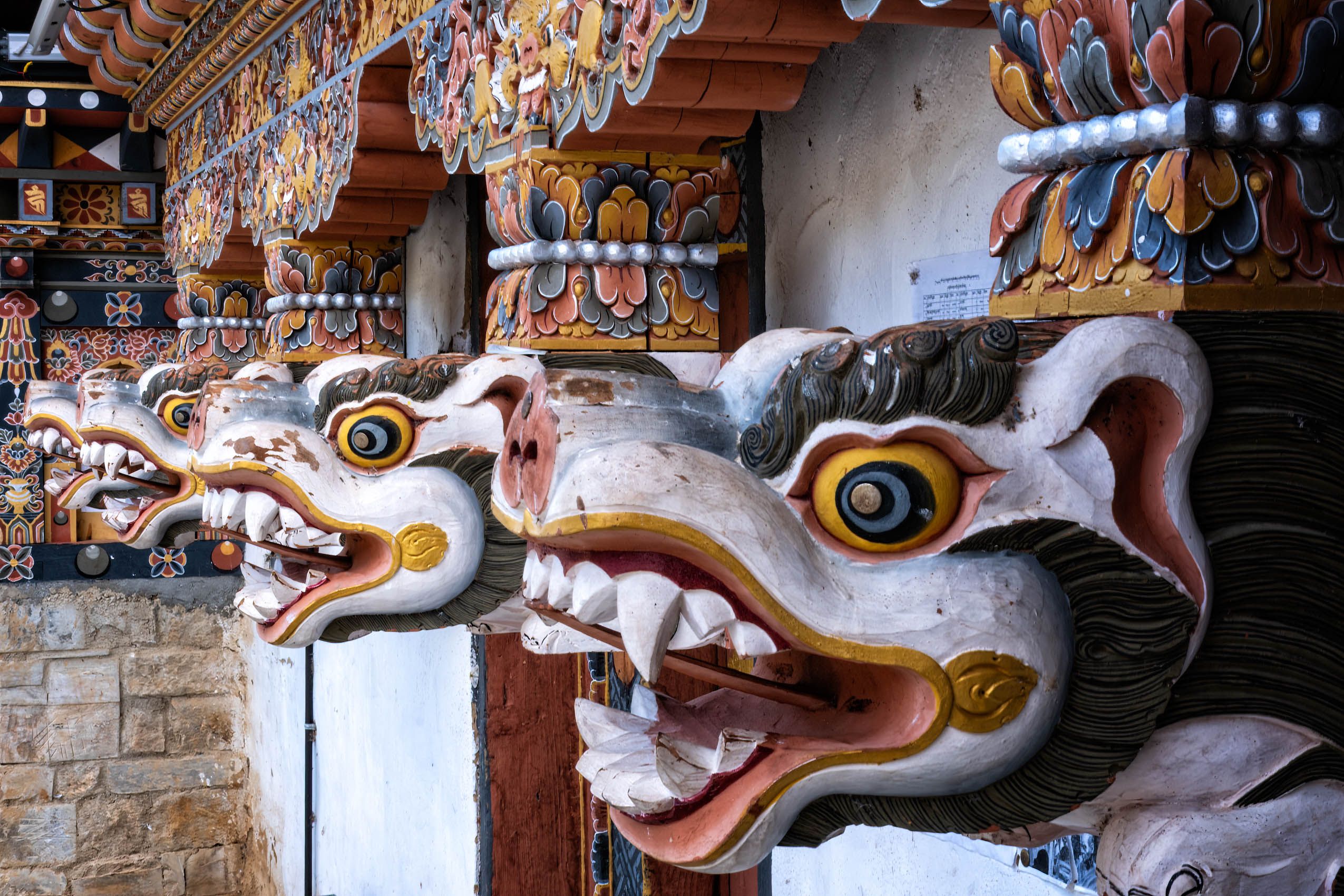
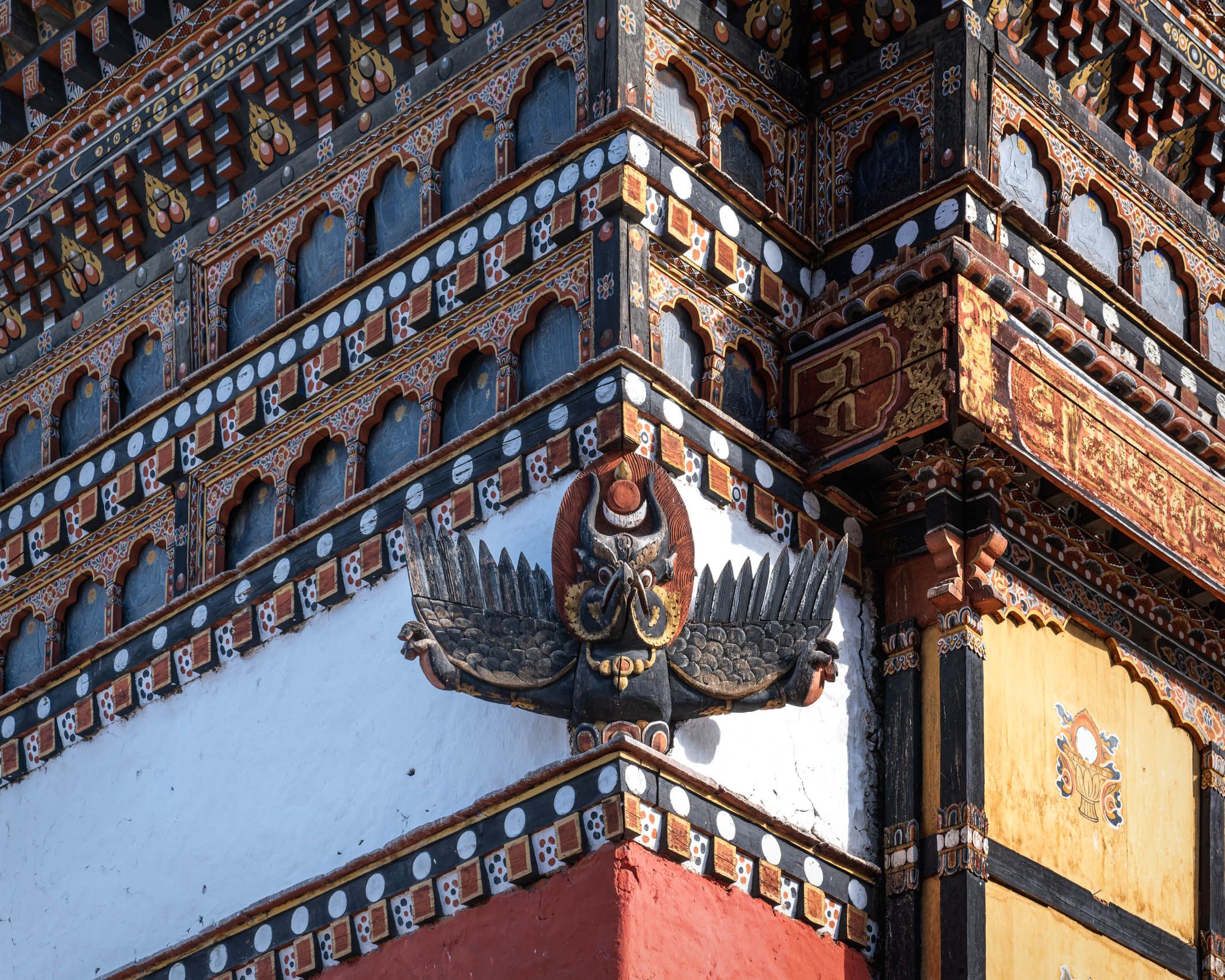
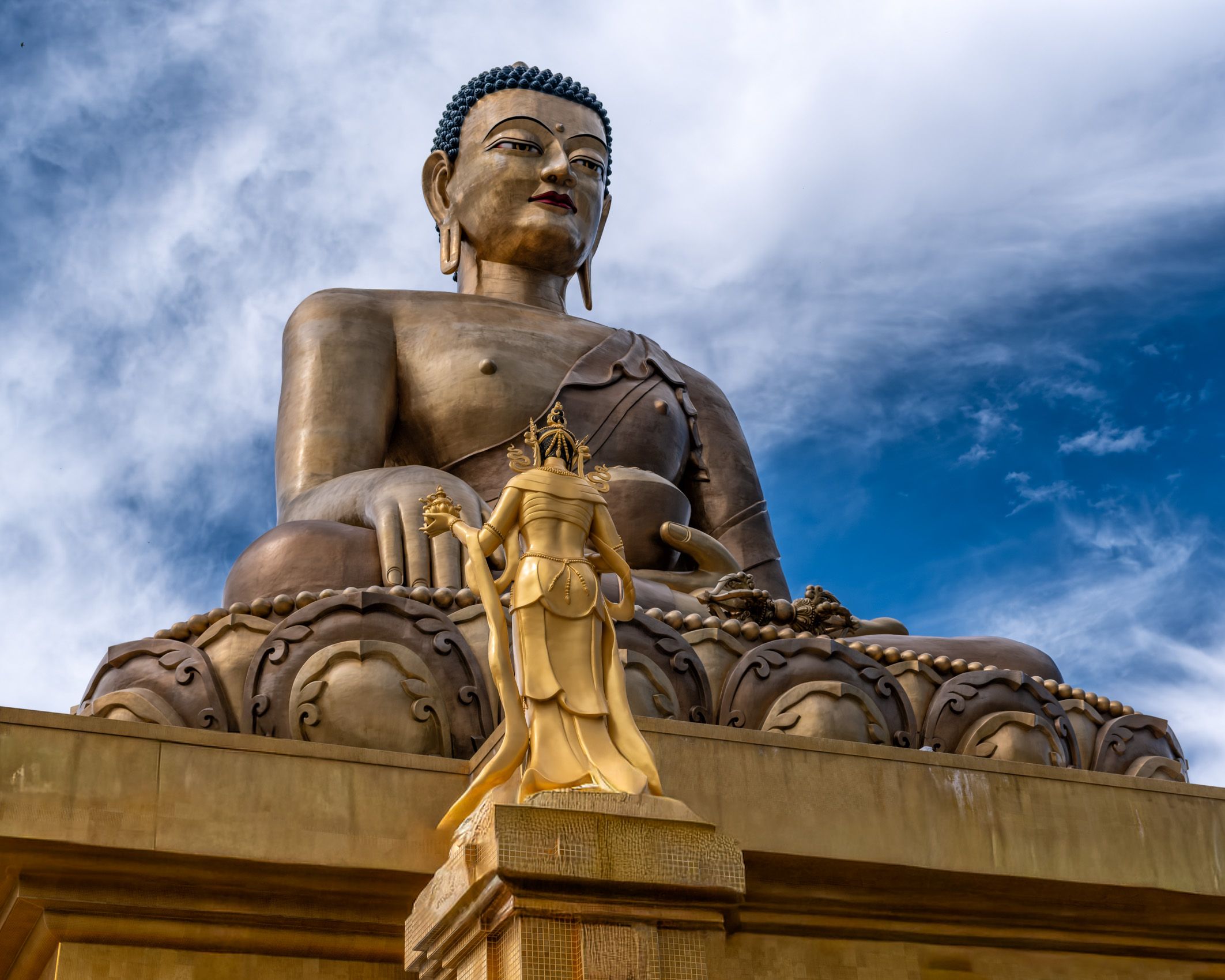
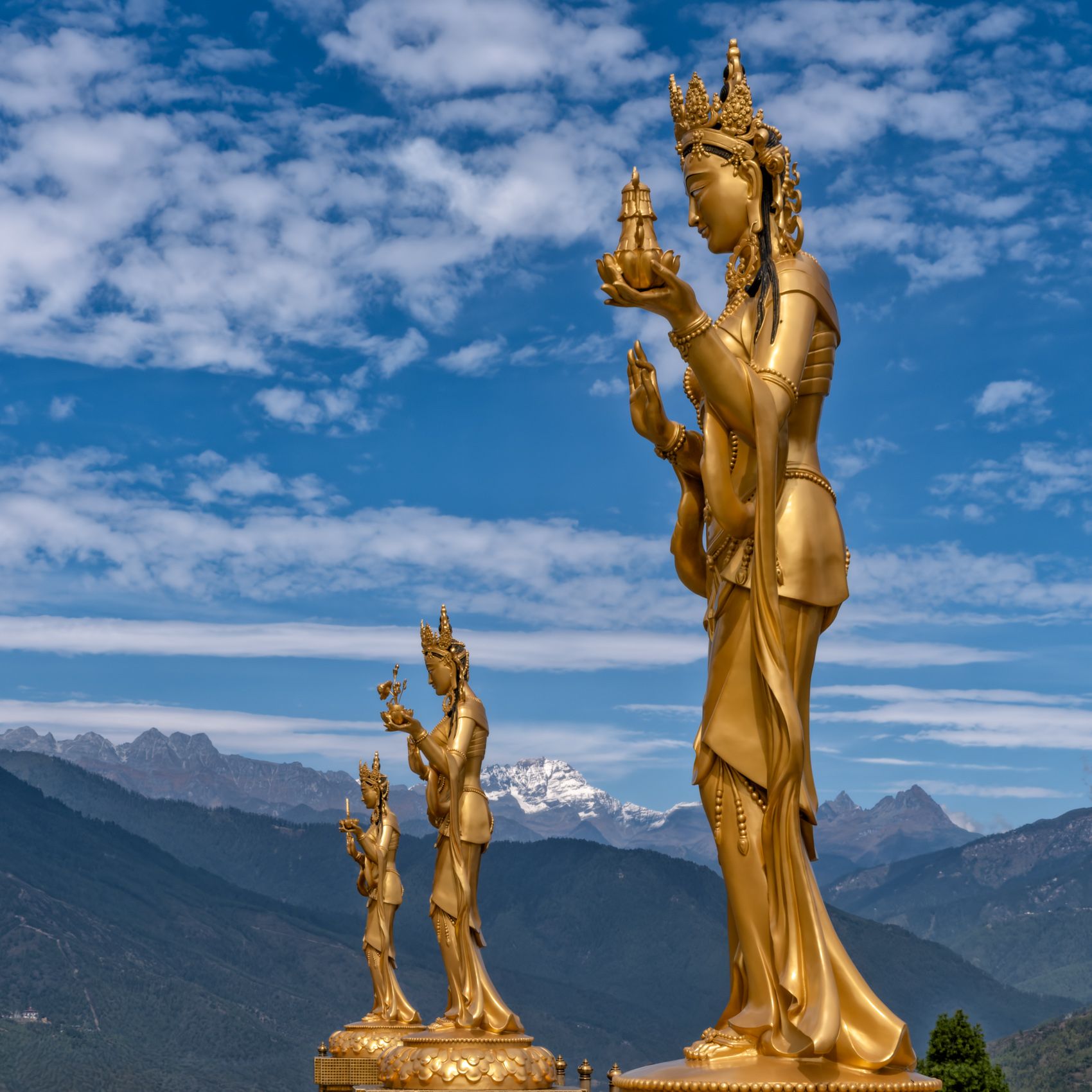
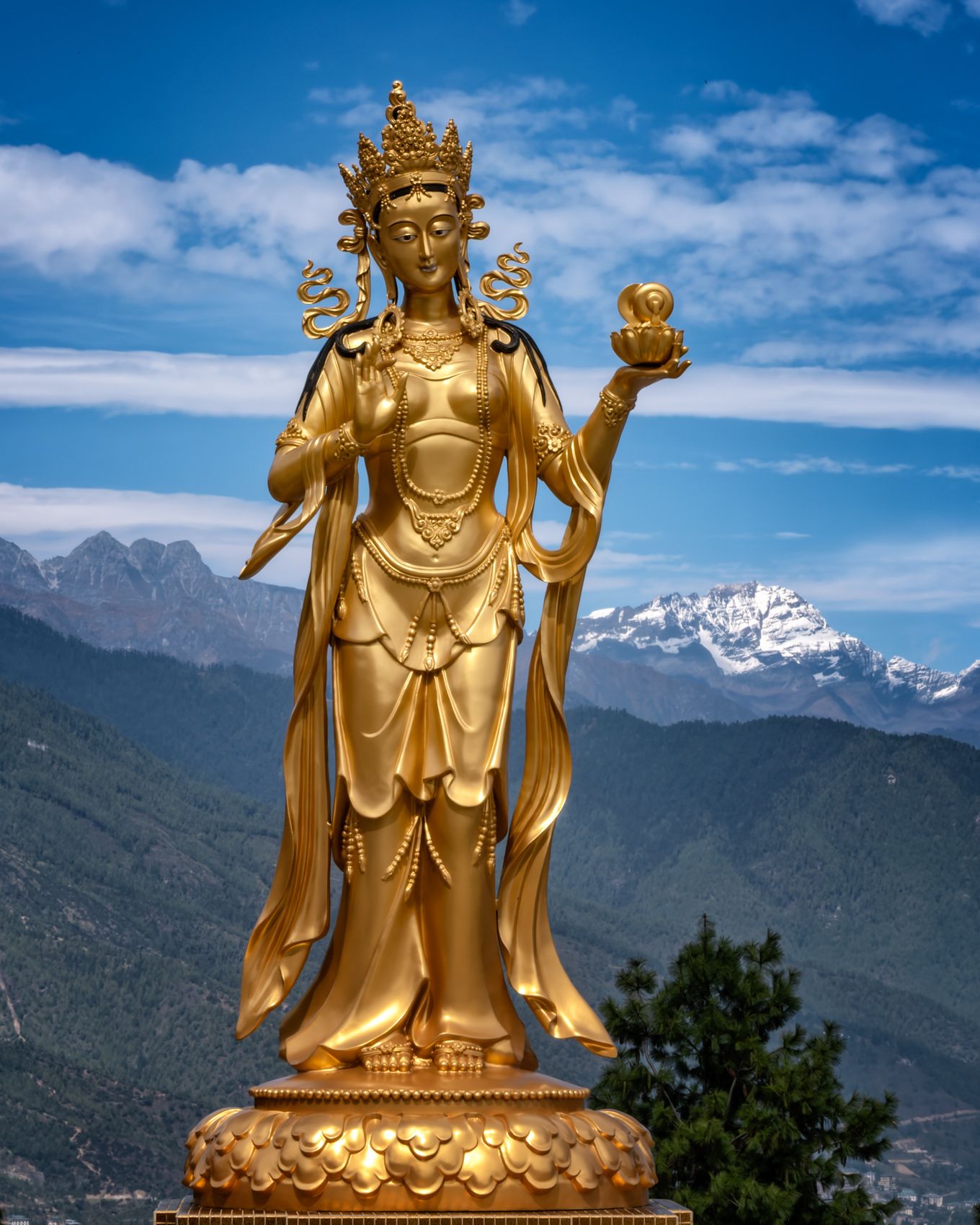
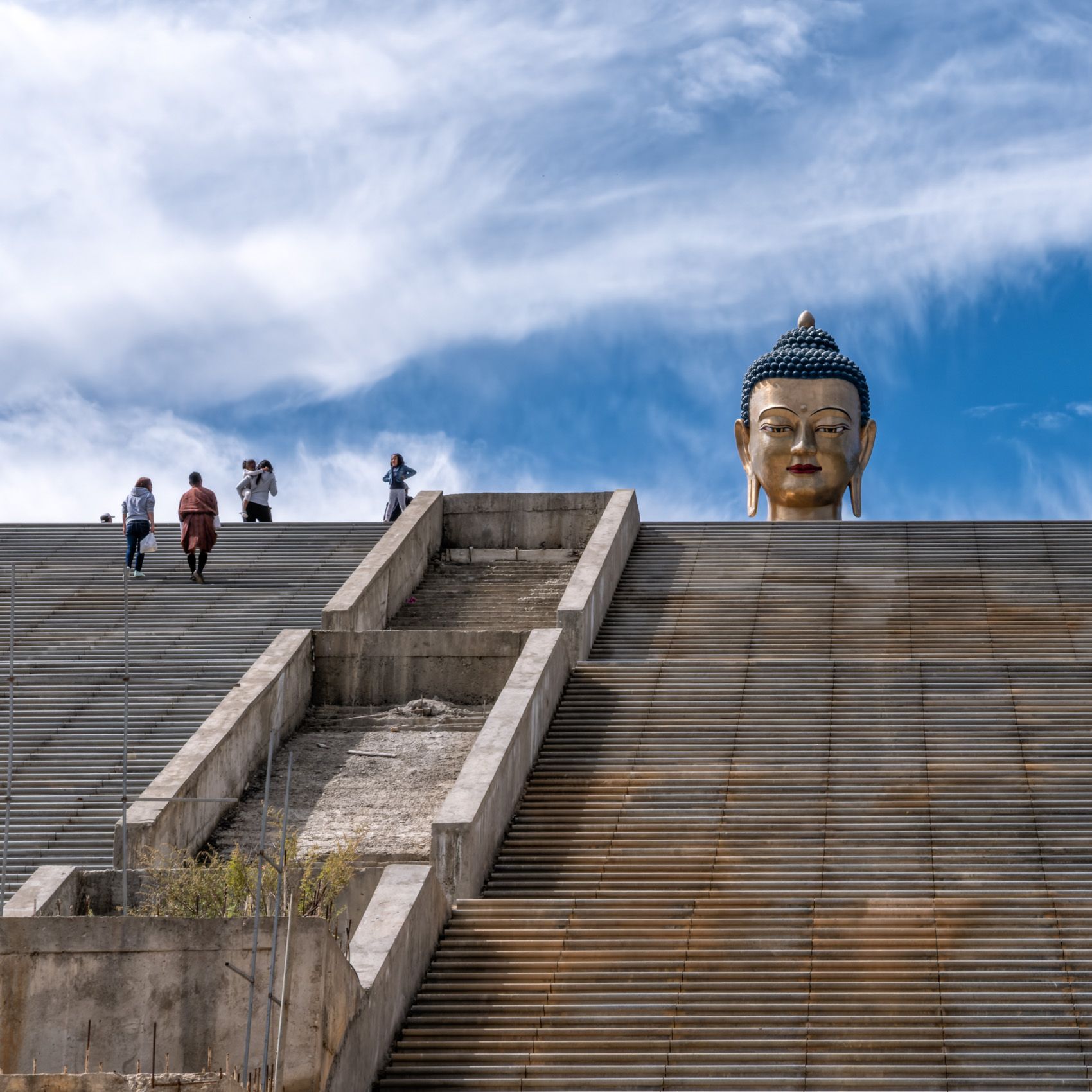
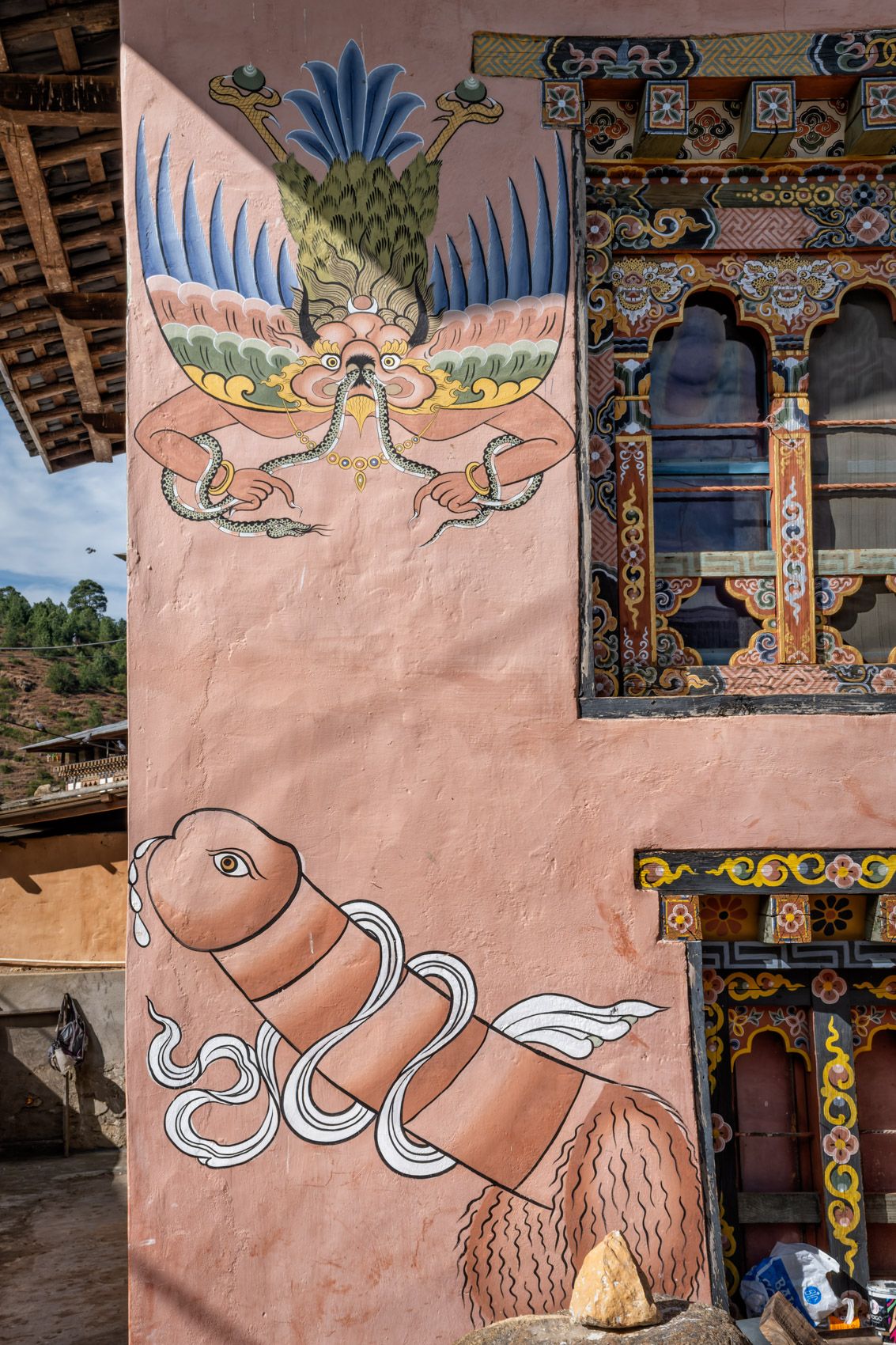
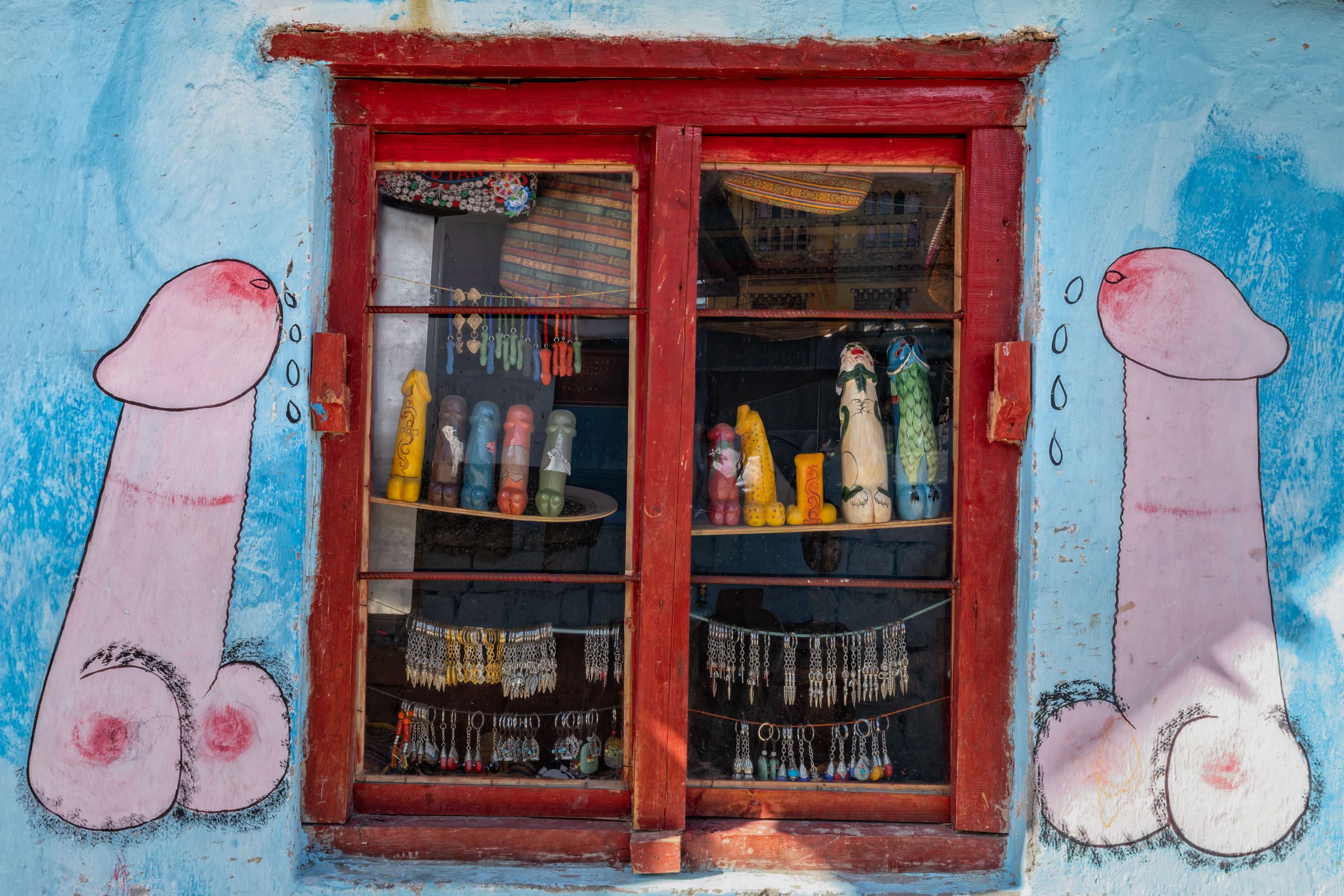
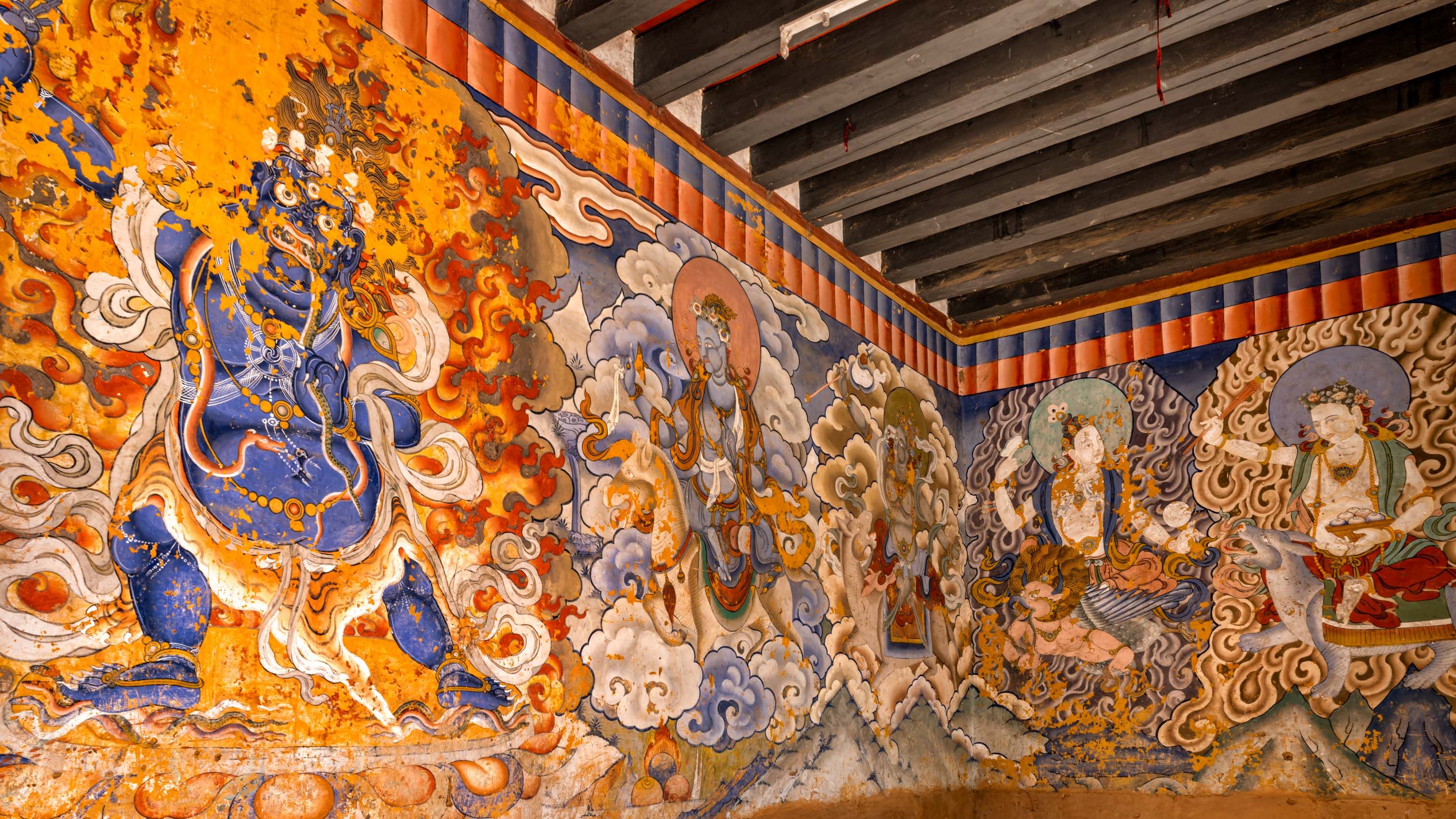
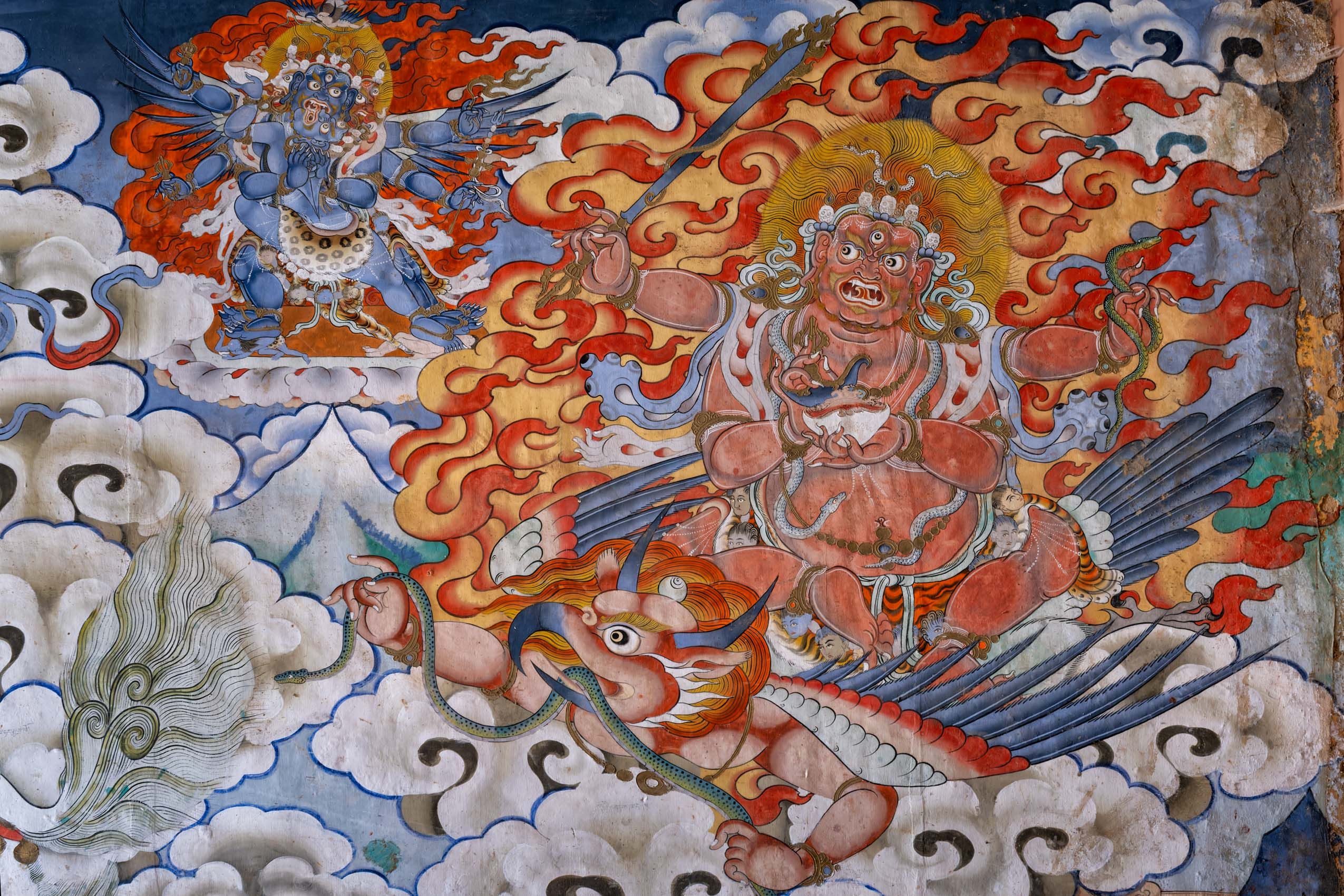
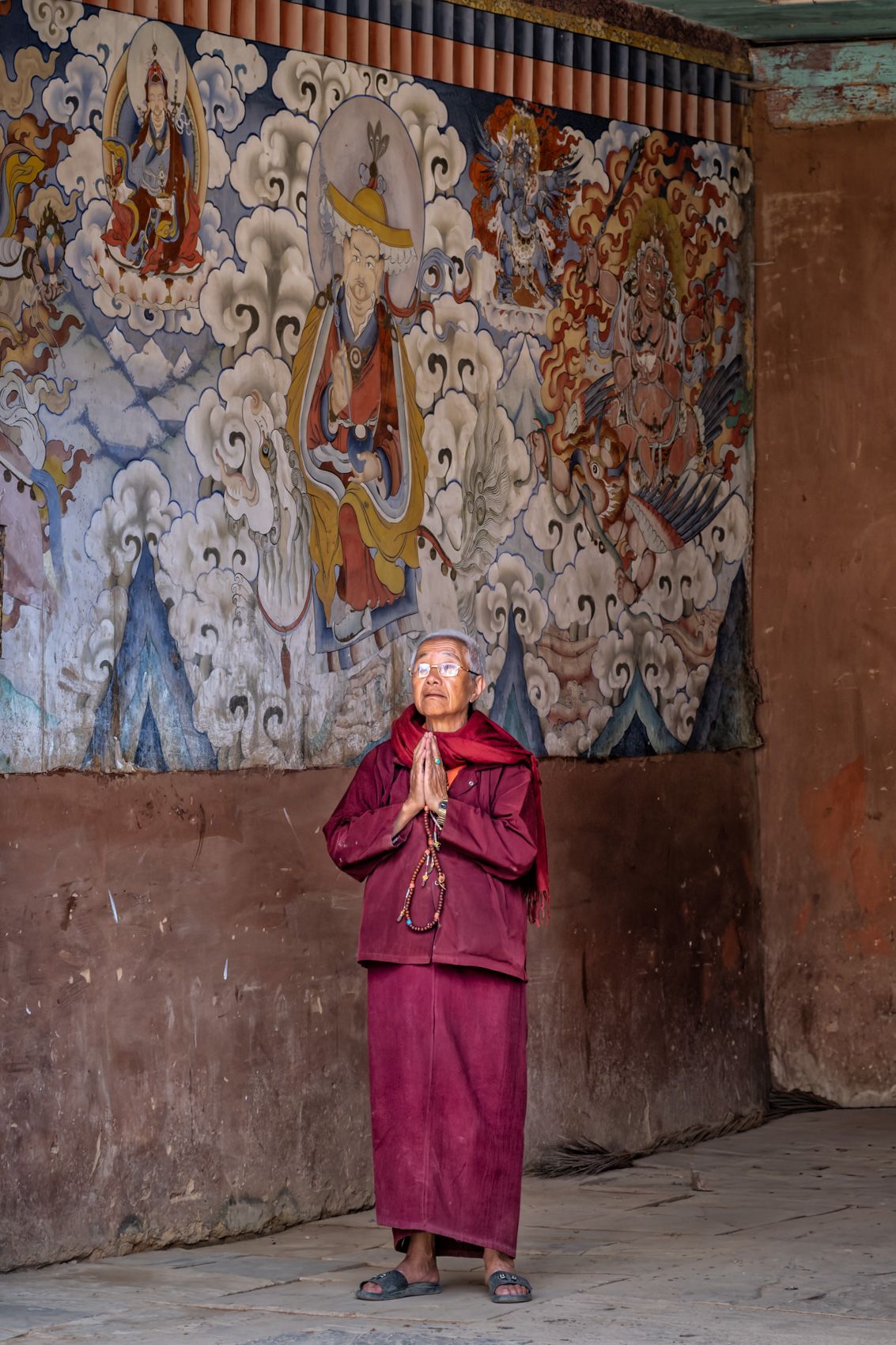
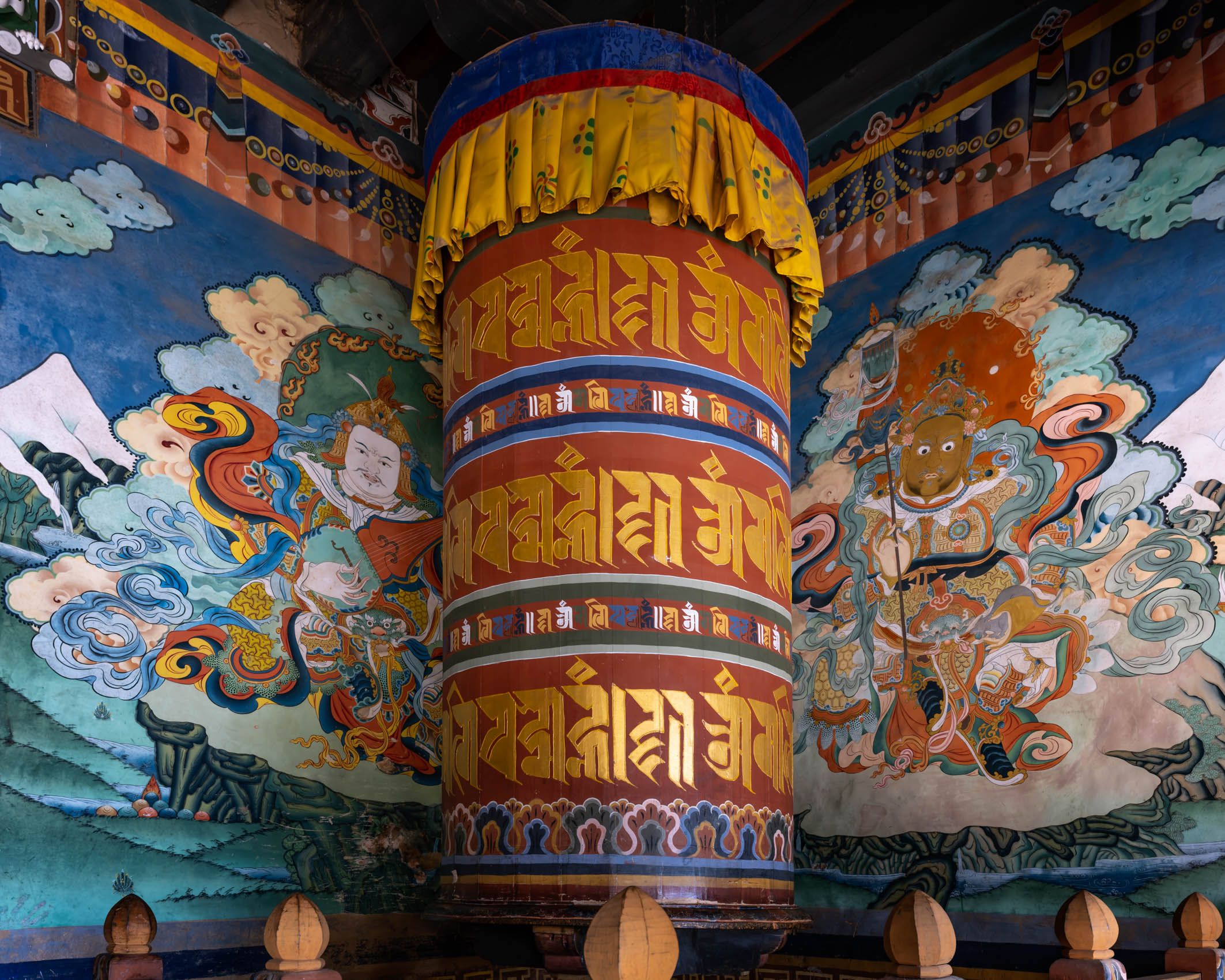
tsechus, Bhutanese Buddhism is the spiritual and cultural backbone of the Himalayan kingdom of Bhutan, shaping its art, architecture, ethics, and daily rhythms of life. Rooted primarily in Vajrayana (Tantric) Buddhism and closely associated with the Drukpa Kagyu lineage, Bhutanese Buddhism blends Indian Mahayana philosophy with Tibetan ritual practices, local cosmology, and a strong emphasis on compassion and mindful governance.
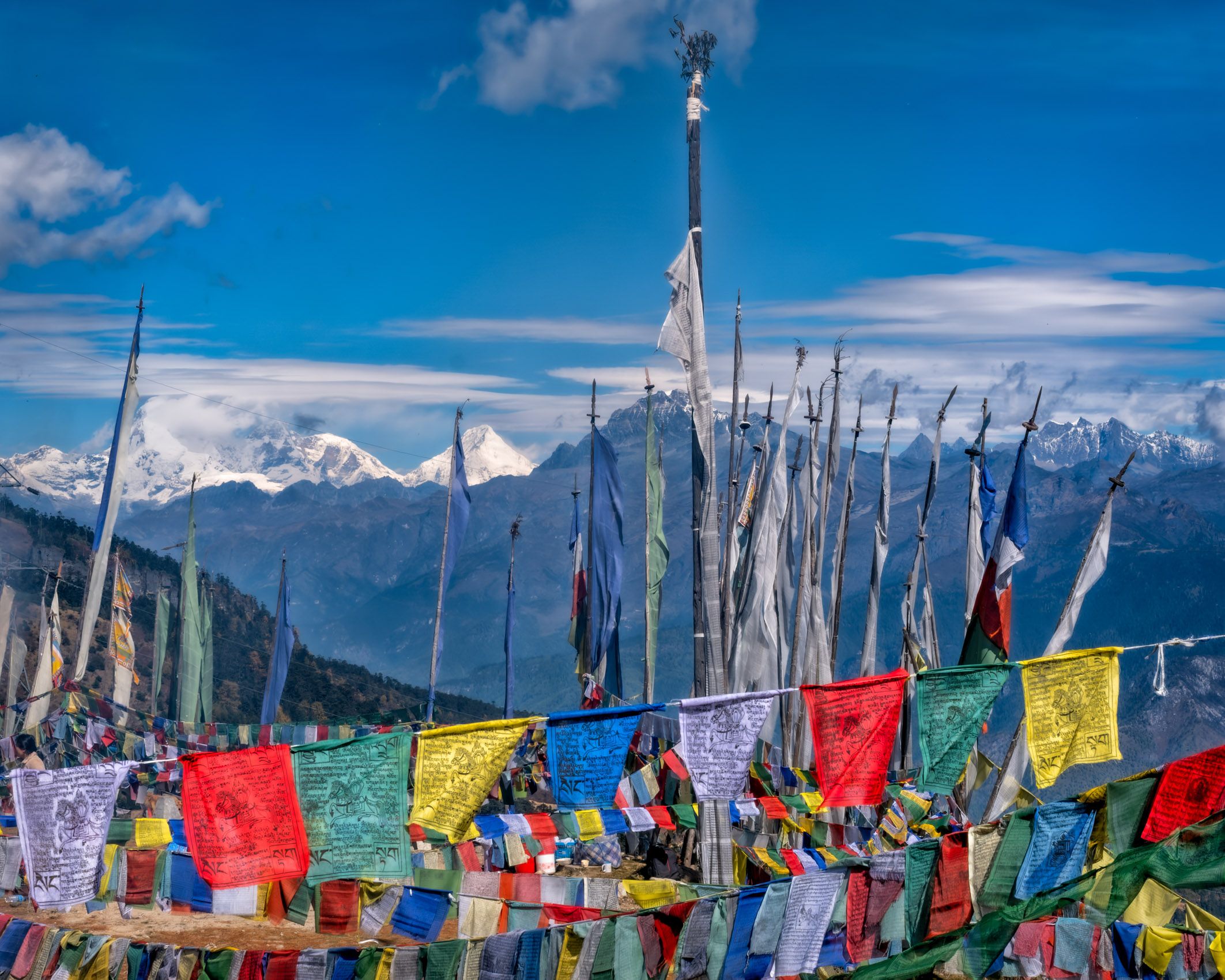
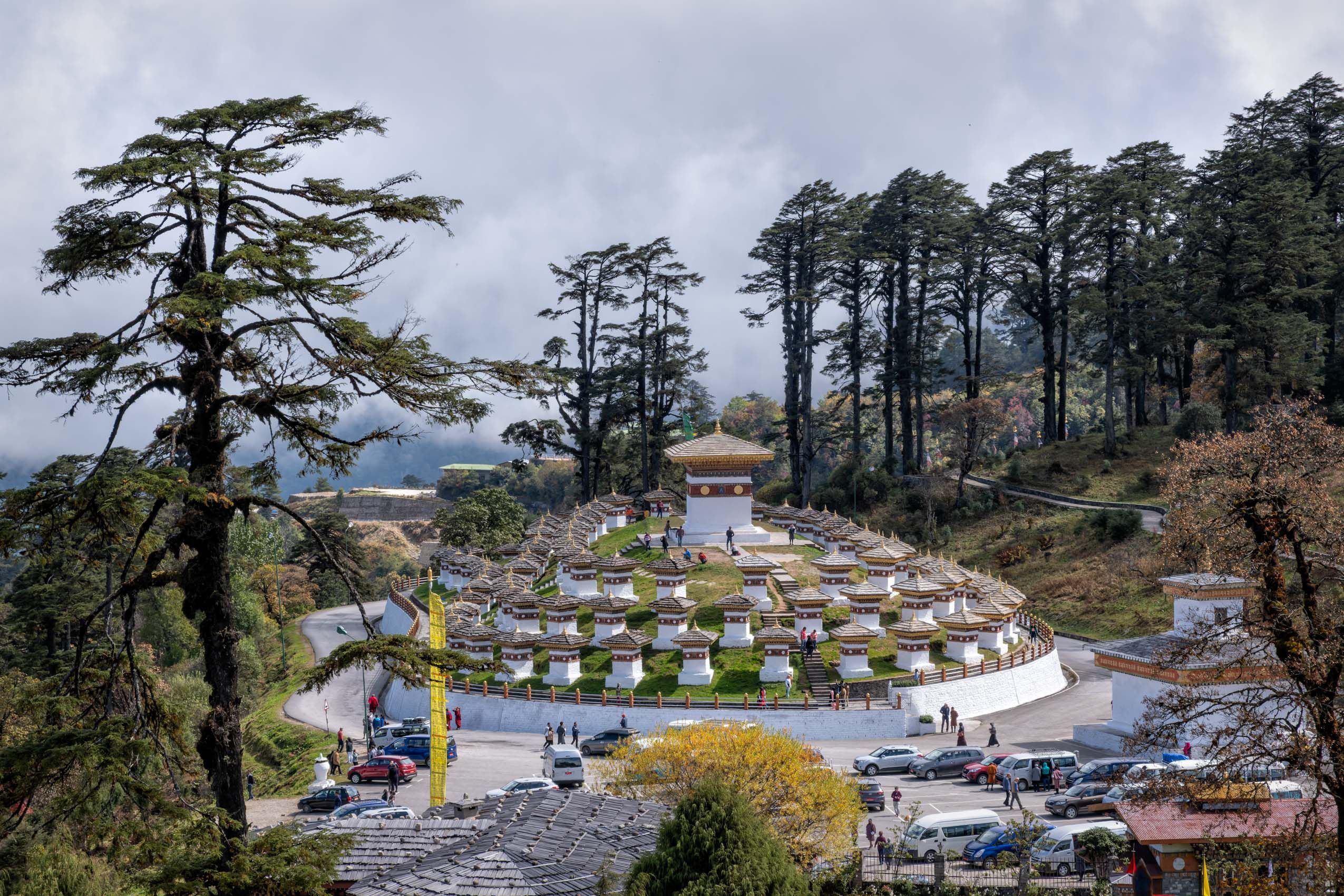
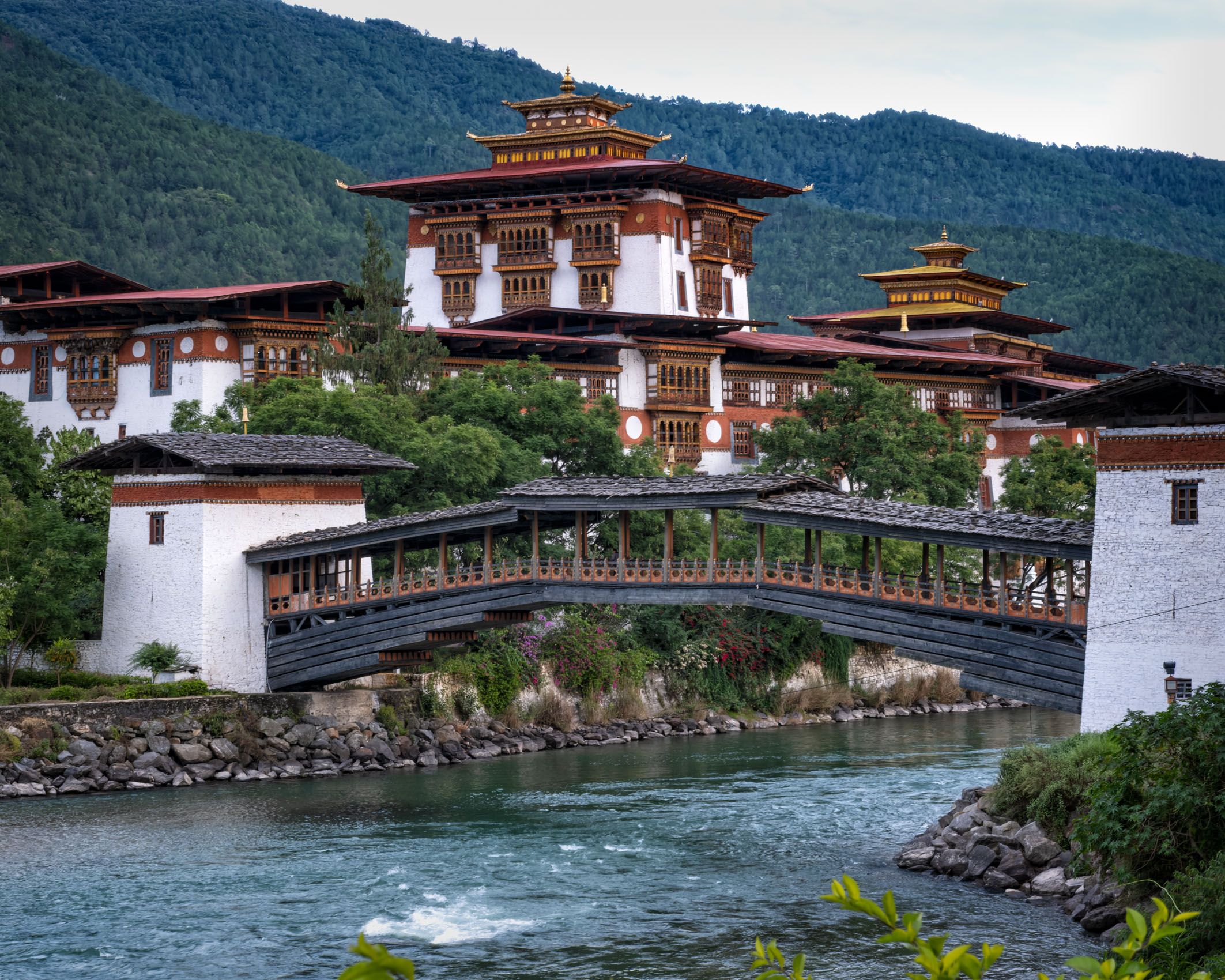
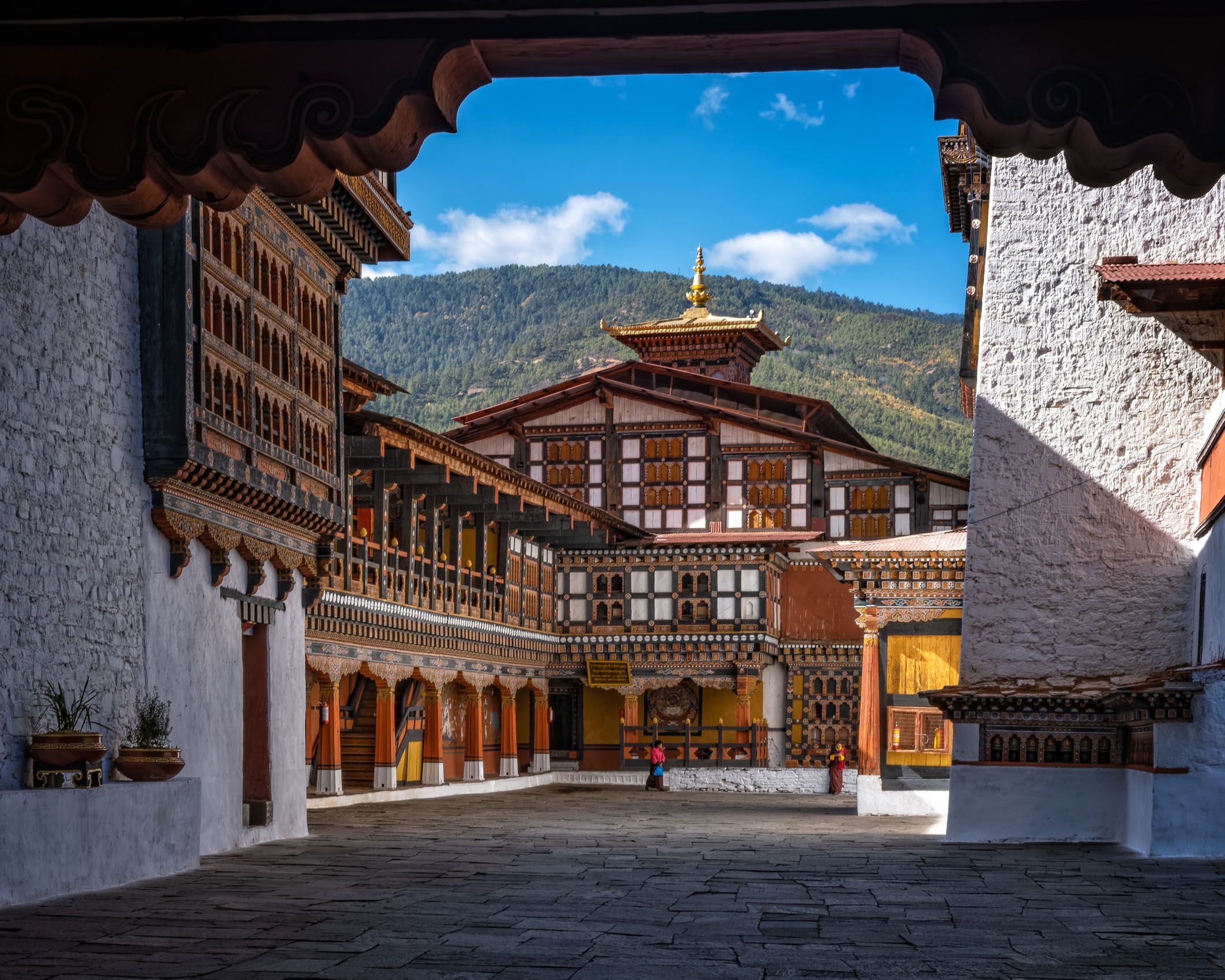
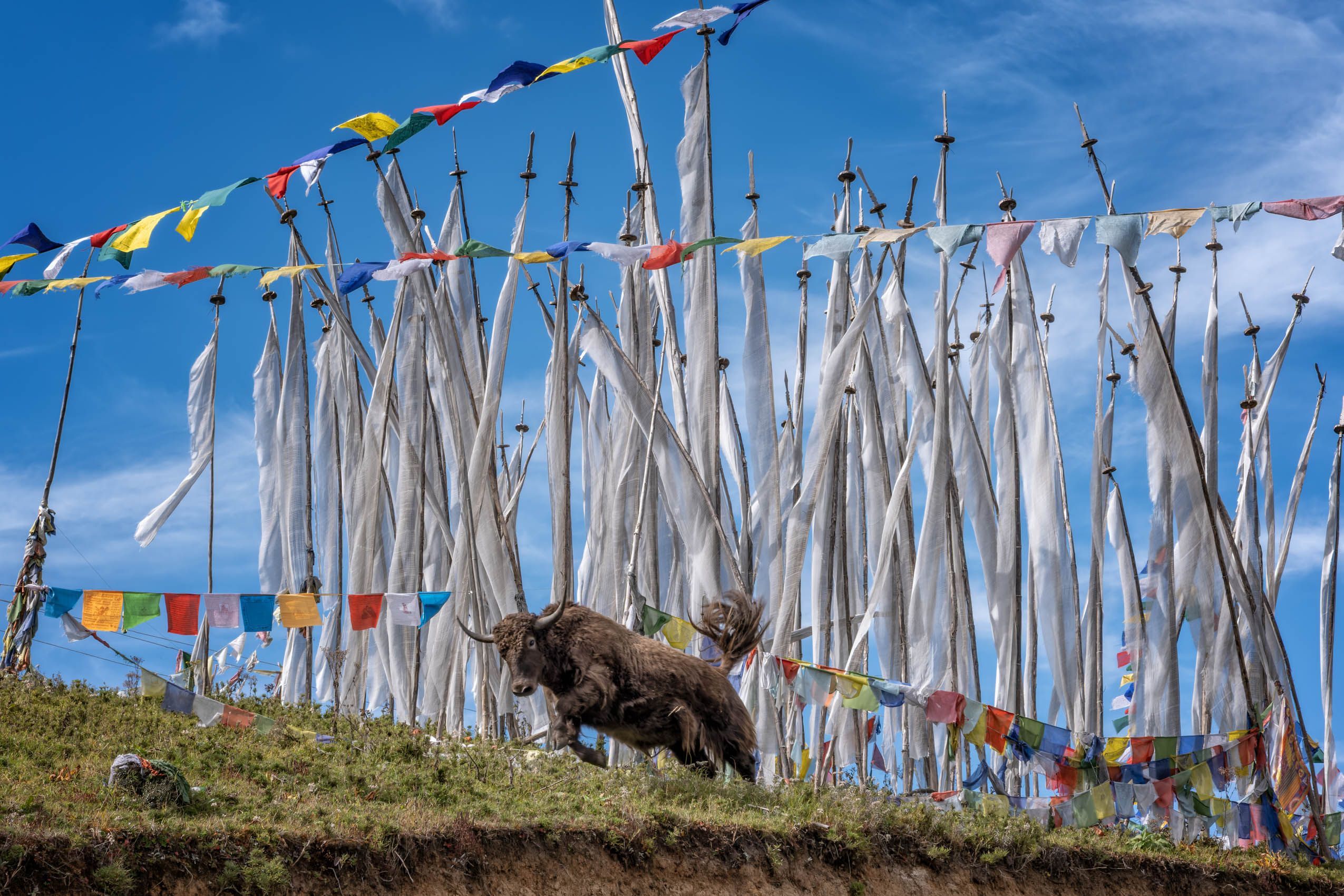
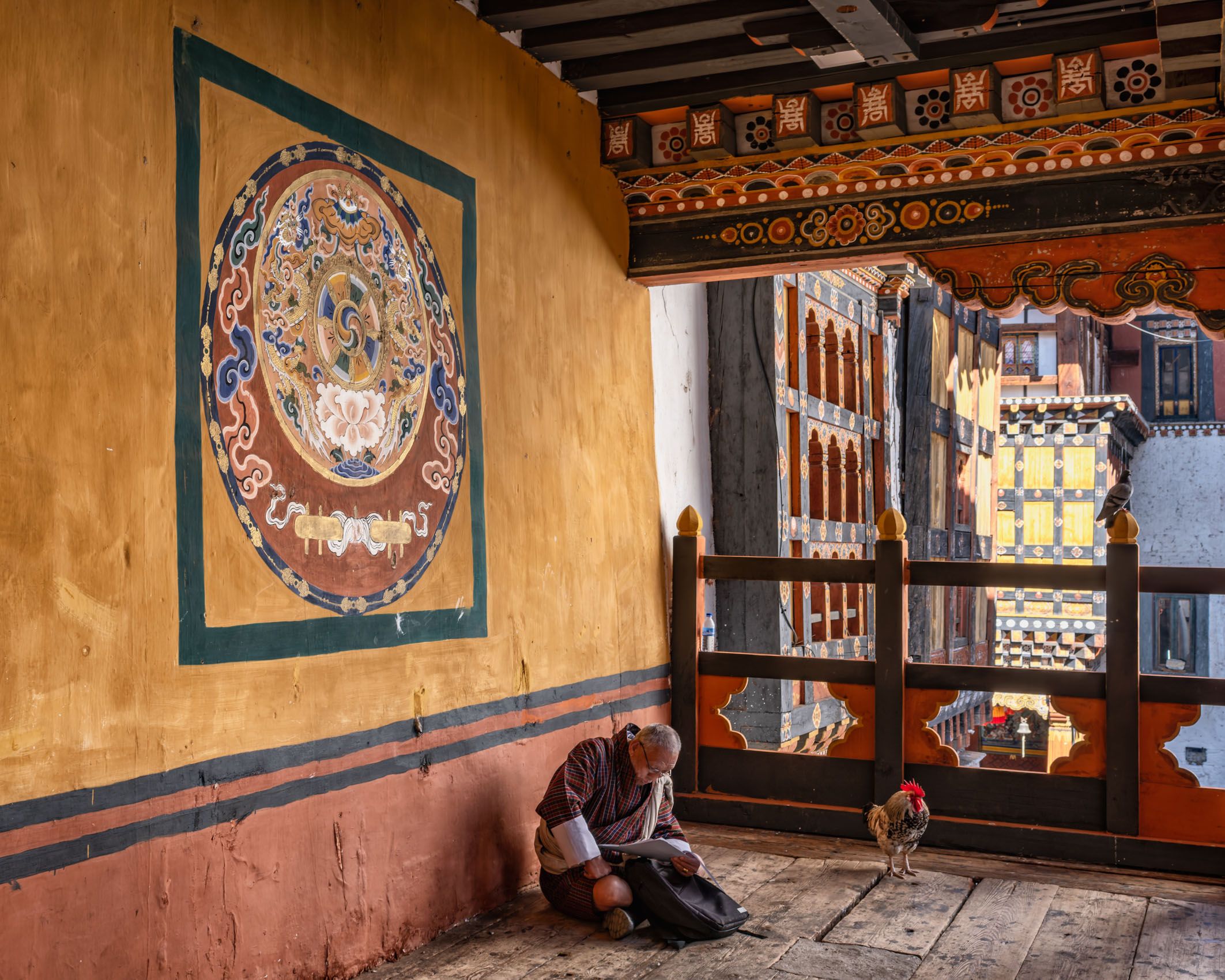
One of the most distinctive features of Bhutanese Buddhism is its rich symbolic language. The dzong, Bhutan’s fortress-monasteries, dominate both the physical and spiritual landscape. These massive whitewashed structures house monks, administrative offices, and sacred relics, embodying the inseparability of religious and civic life. Prayer flags—printed with mantras and sacred images—flutter from rooftops and mountain passes, carrying blessings on the wind to all beings. The ubiquitous chorten (stupa) symbolizes the enlightened mind of the Buddha, while also marking sacred geography and serving as a focal point for circumambulation and prayer.
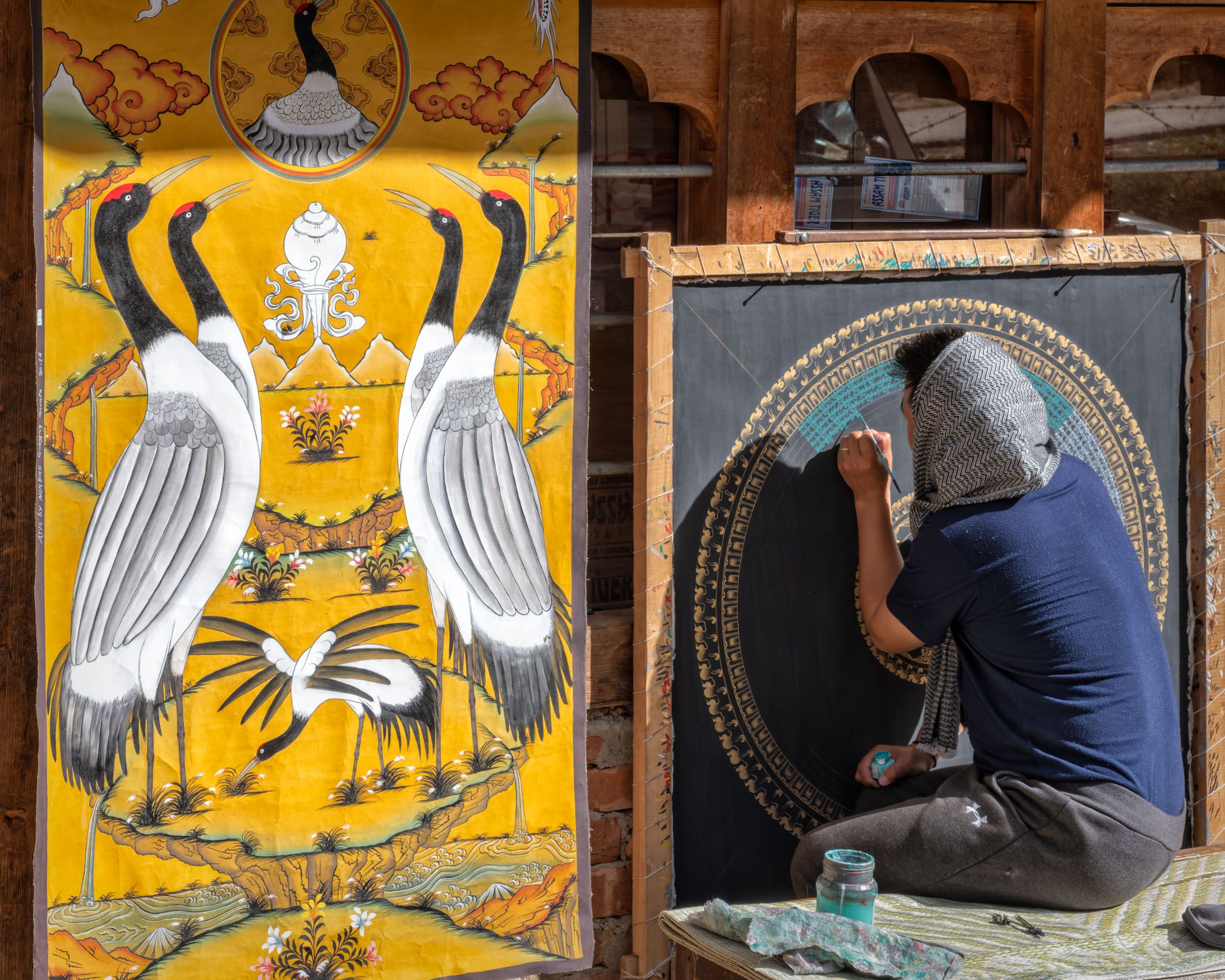
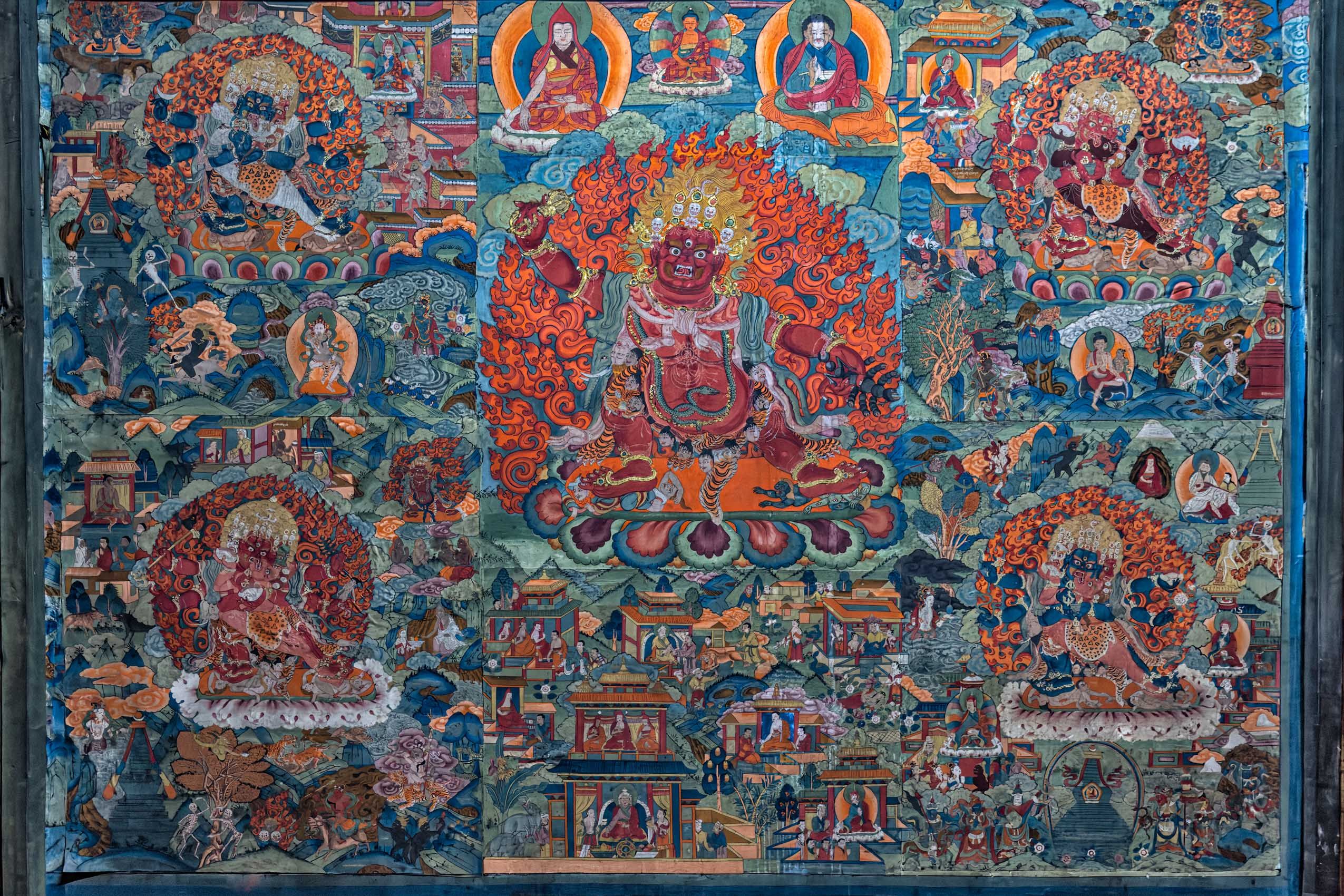
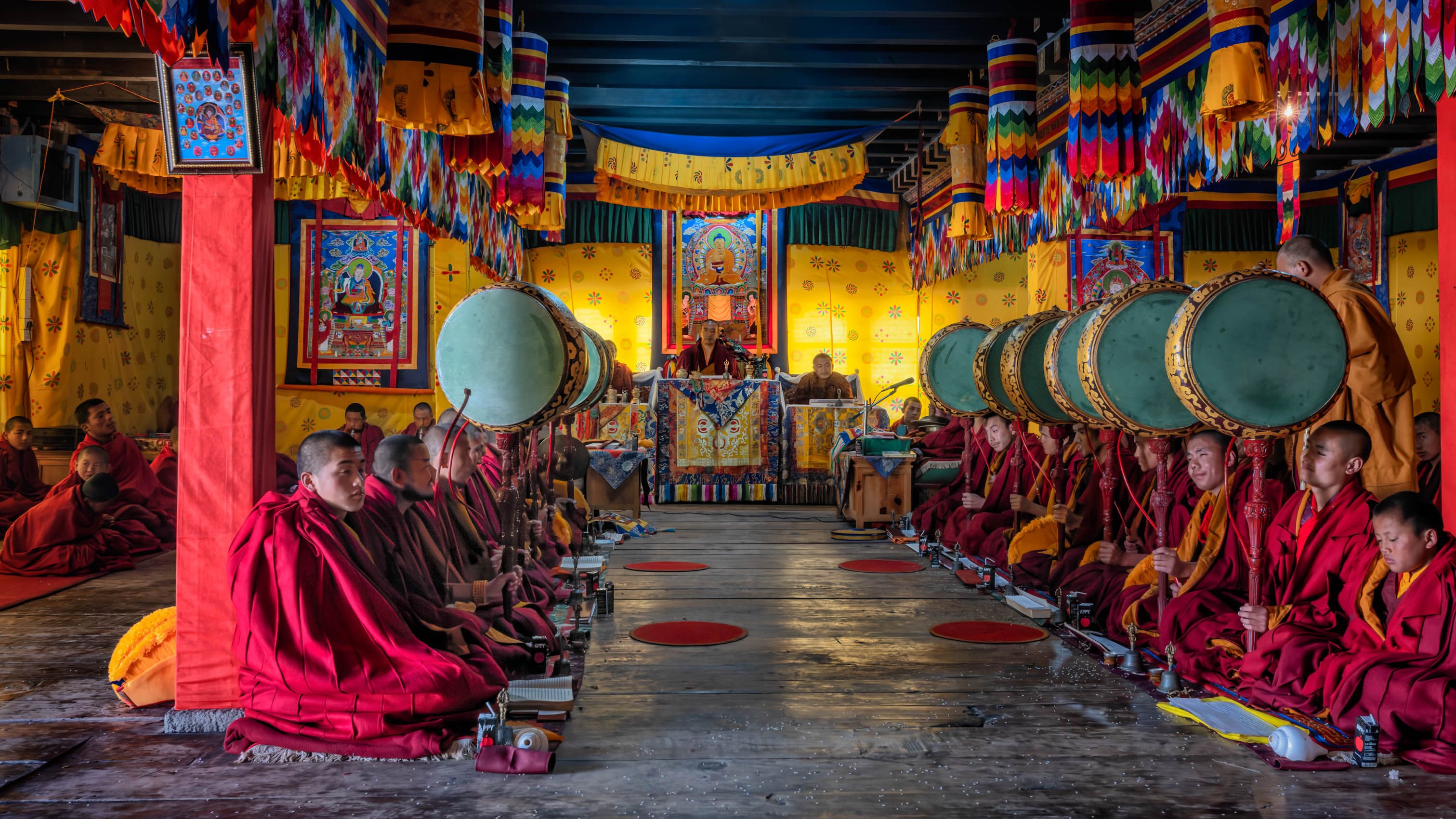
Ritual objects further express Buddhist cosmology. The vajra (thunderbolt) represents indestructible wisdom, paired with the bell, which signifies emptiness and compassion; together they embody the union of method and insight essential to enlightenment. Thangkas—intricately painted scrolls depicting Buddhas, bodhisattvas, mandalas, and protective deities—serve both as meditation aids and visual scriptures, transmitting teachings through form and color.
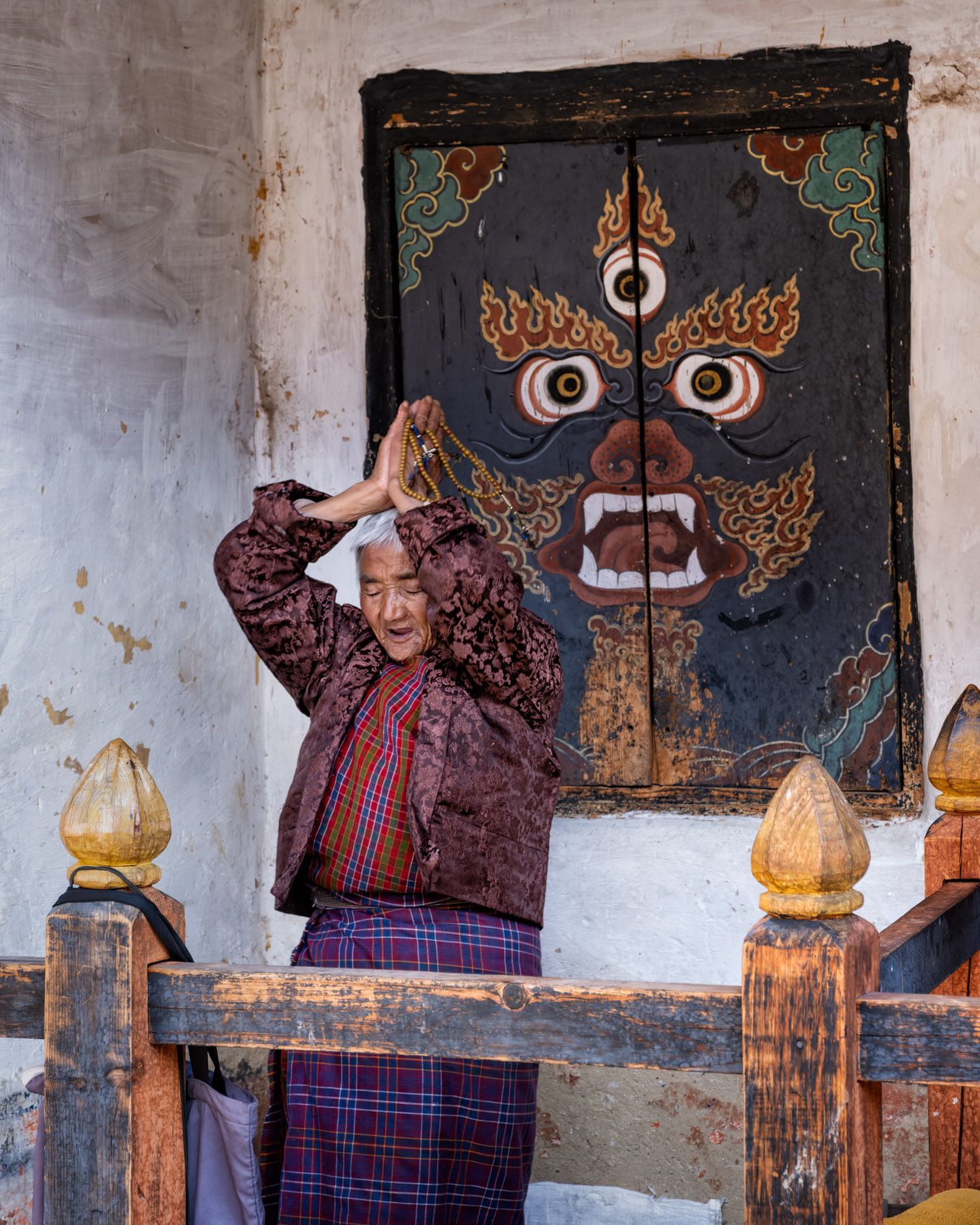
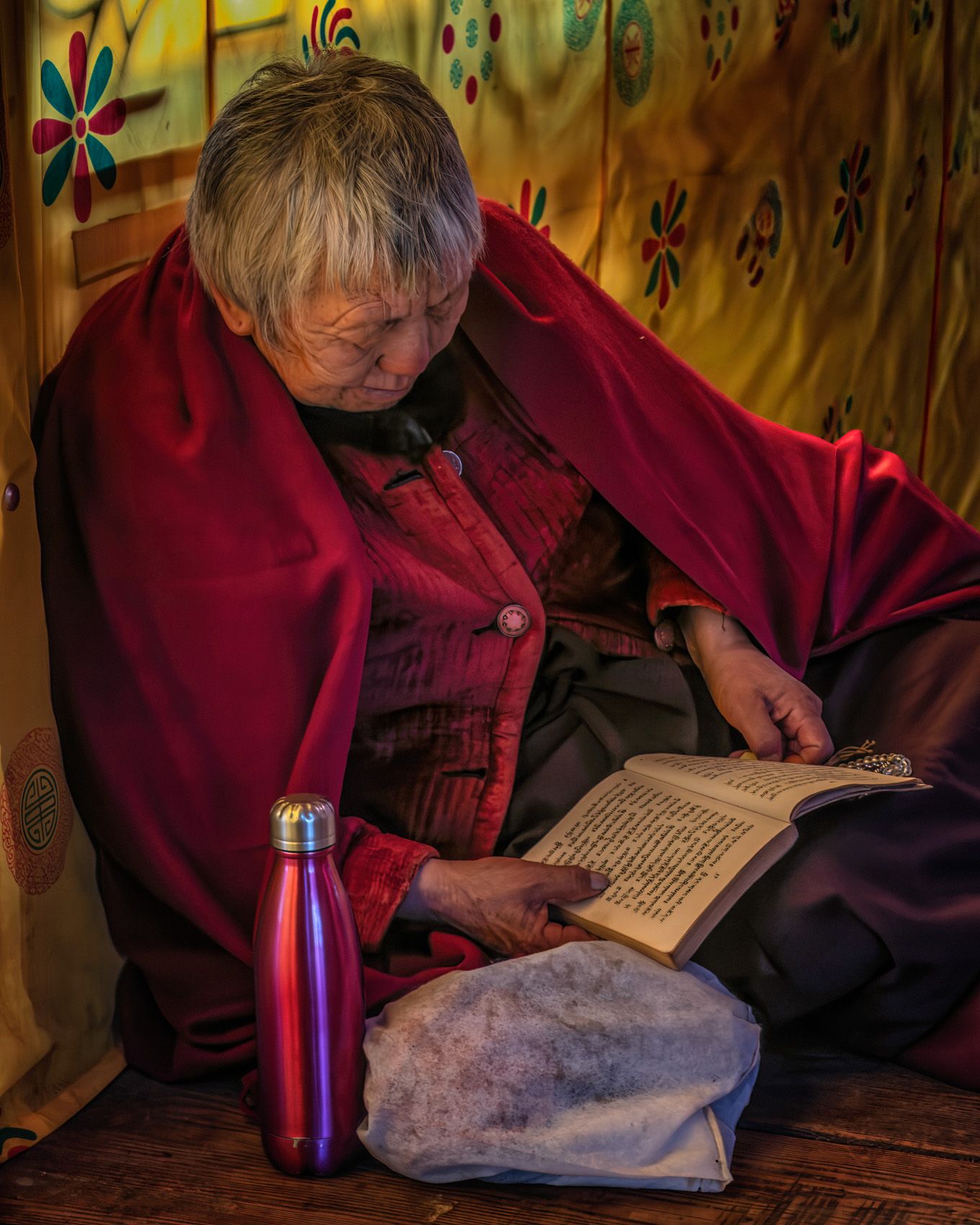
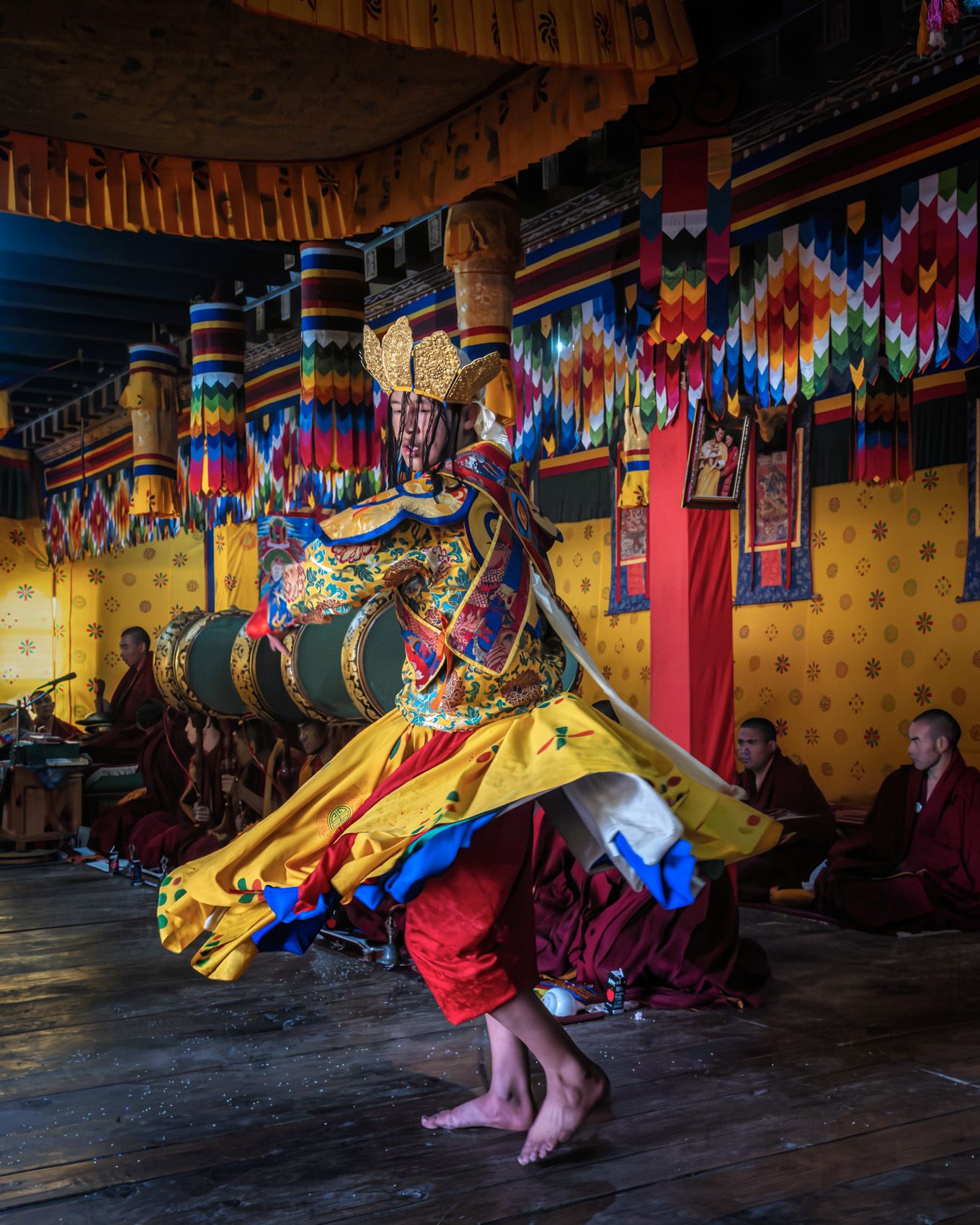
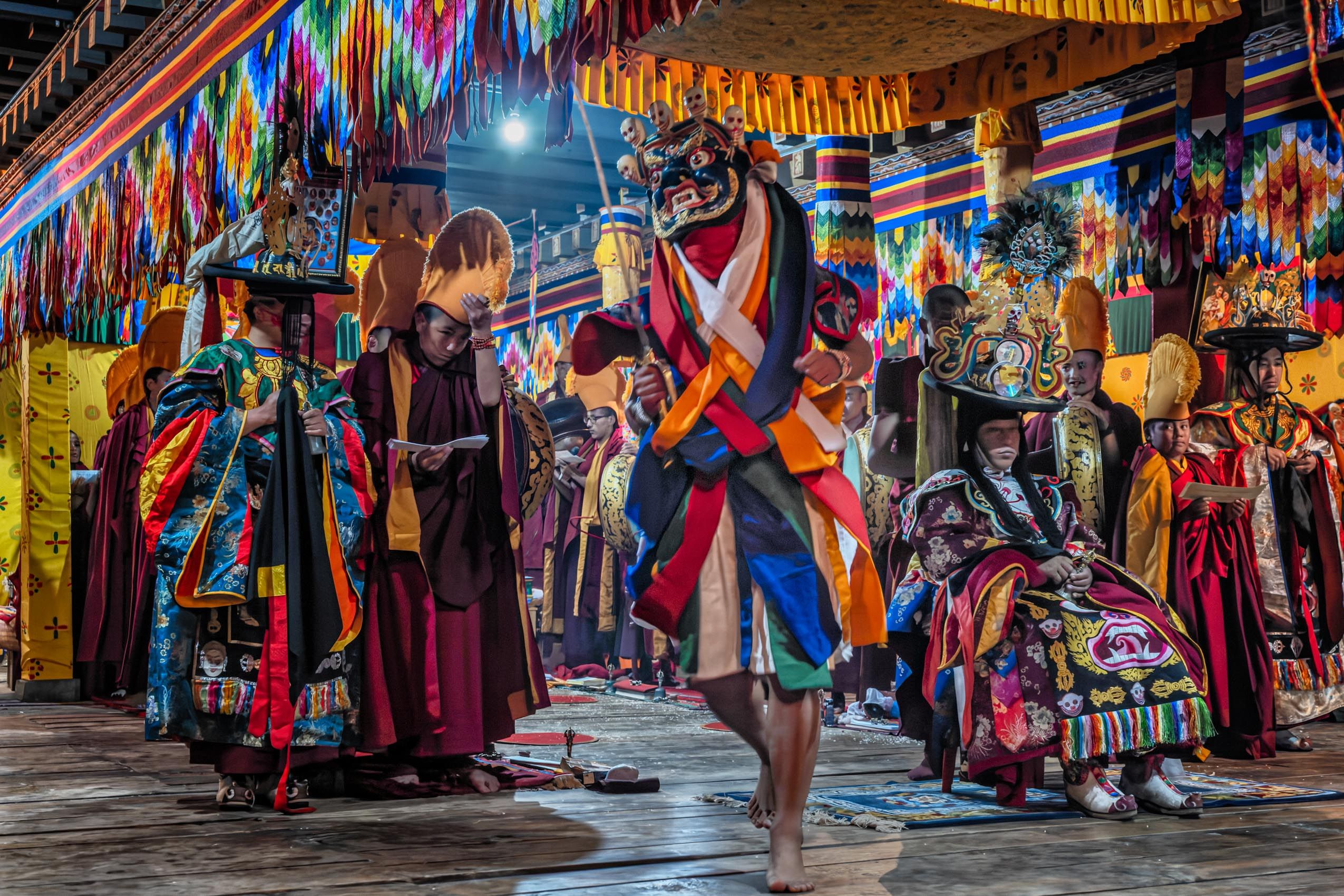
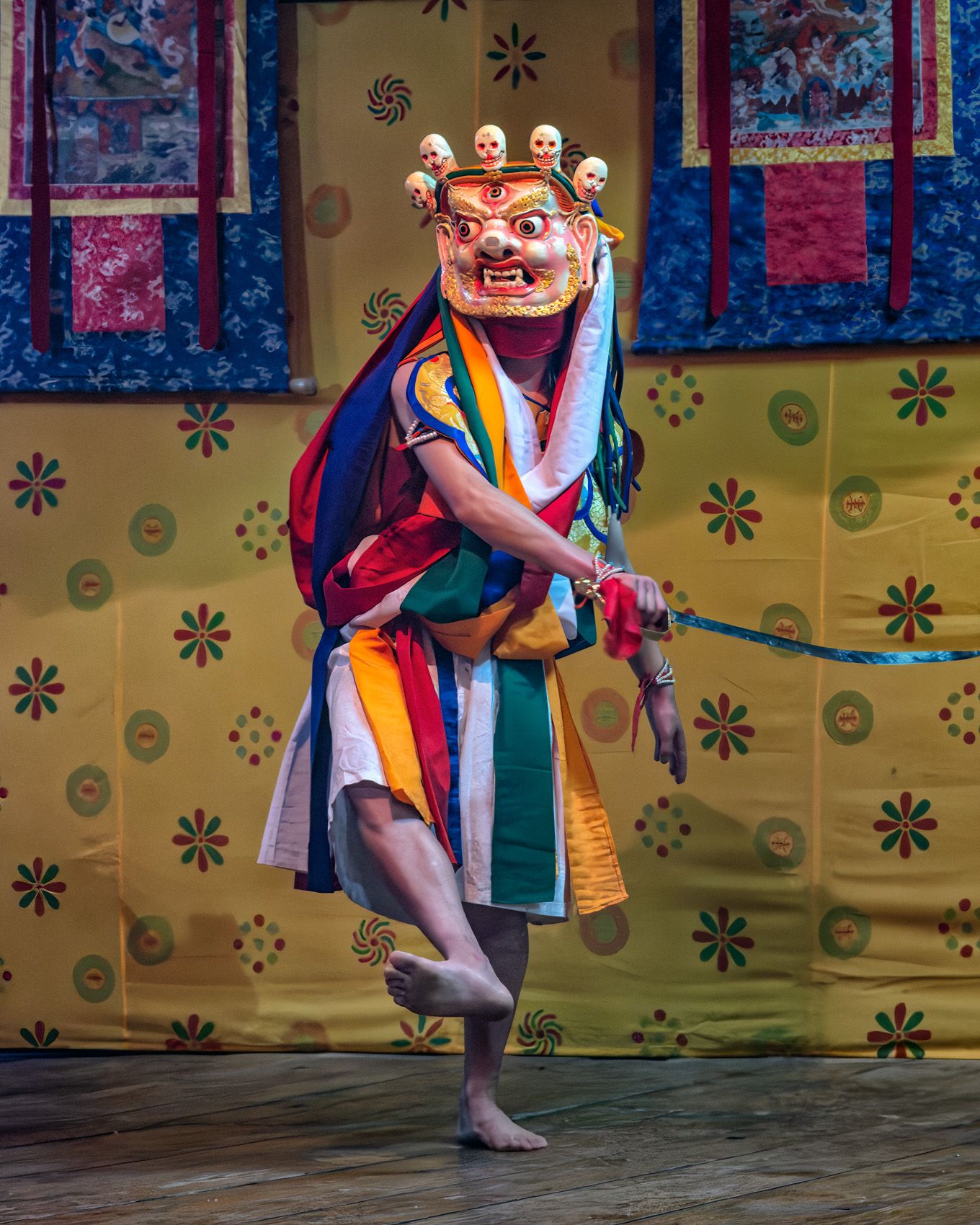
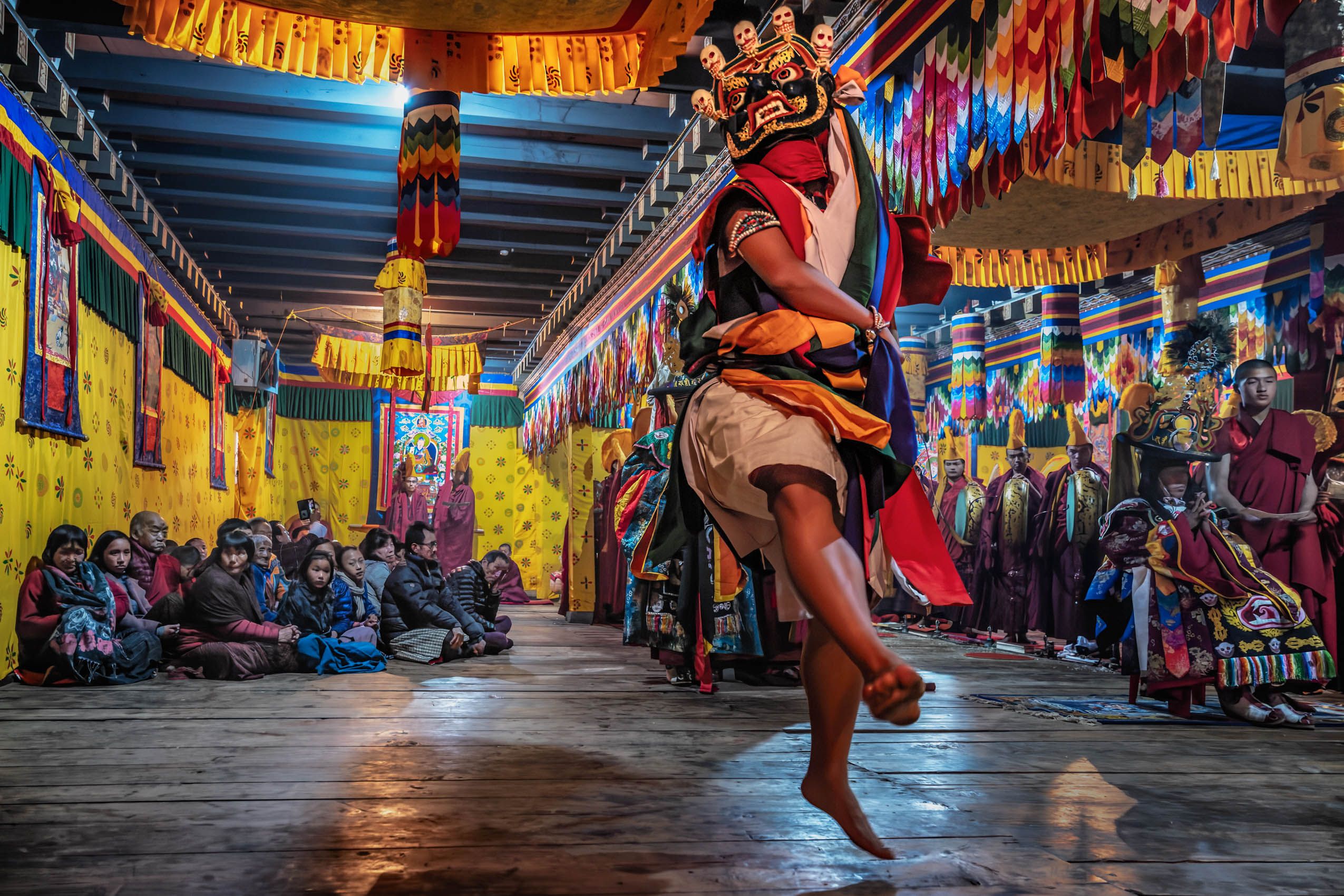
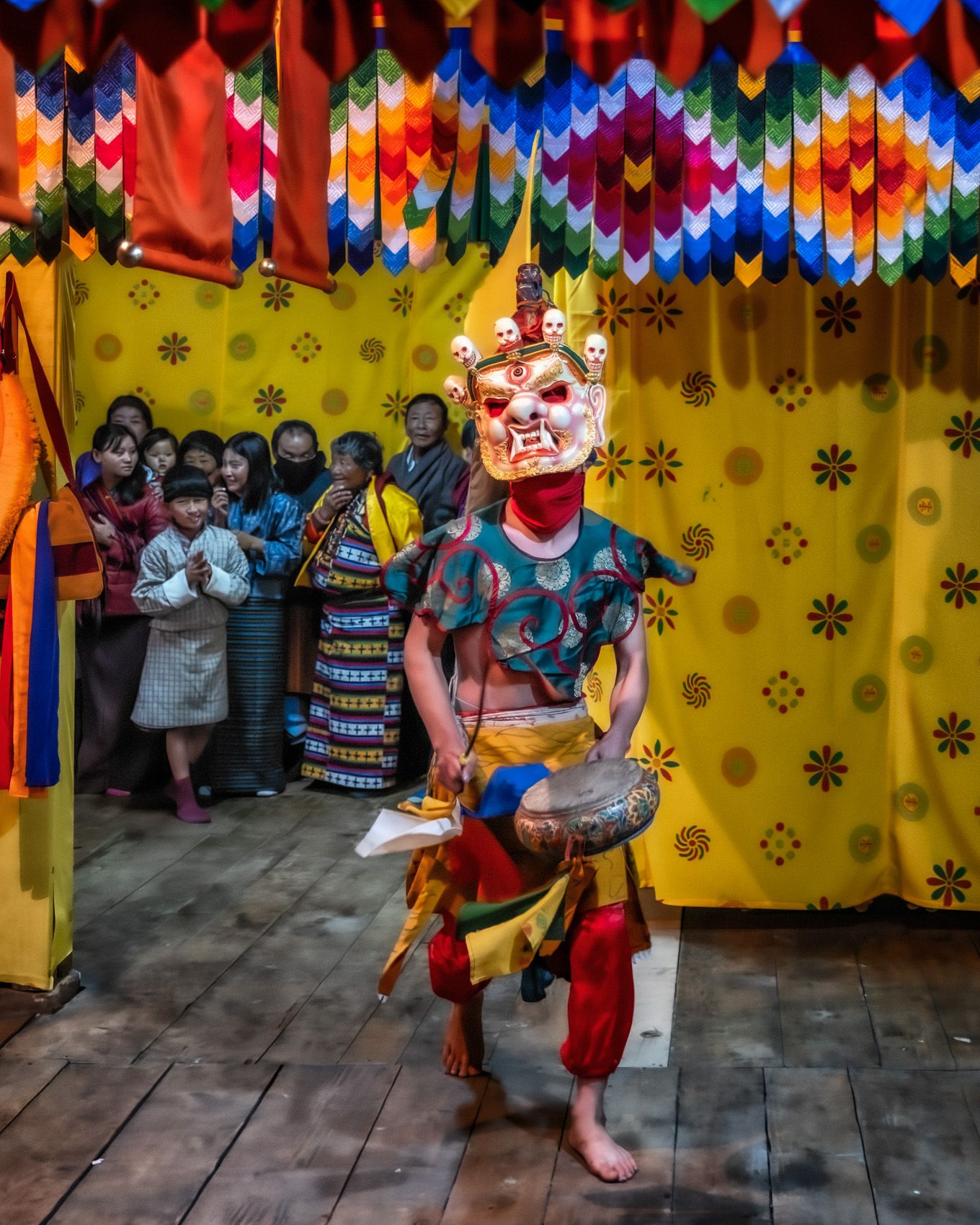
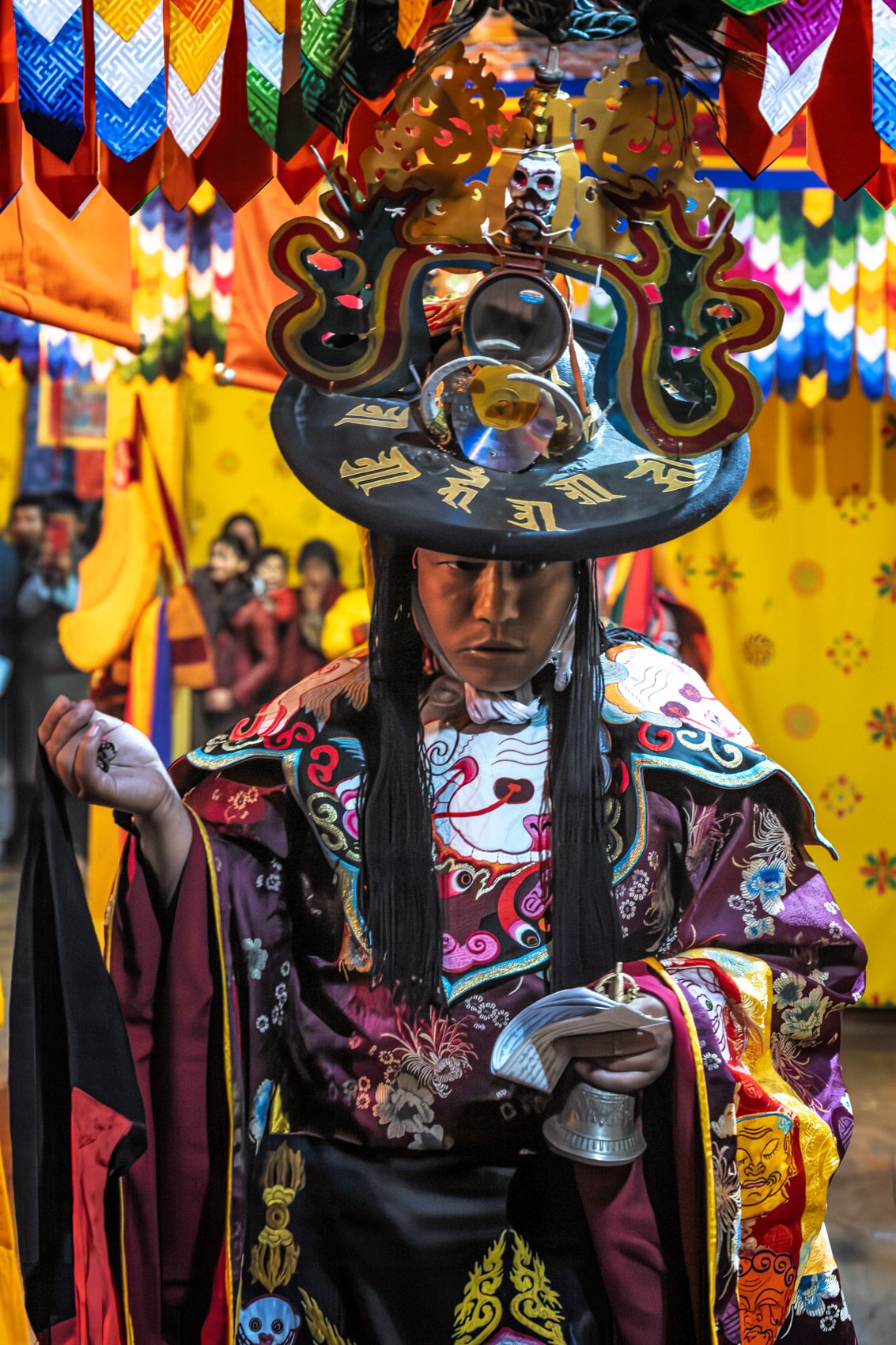
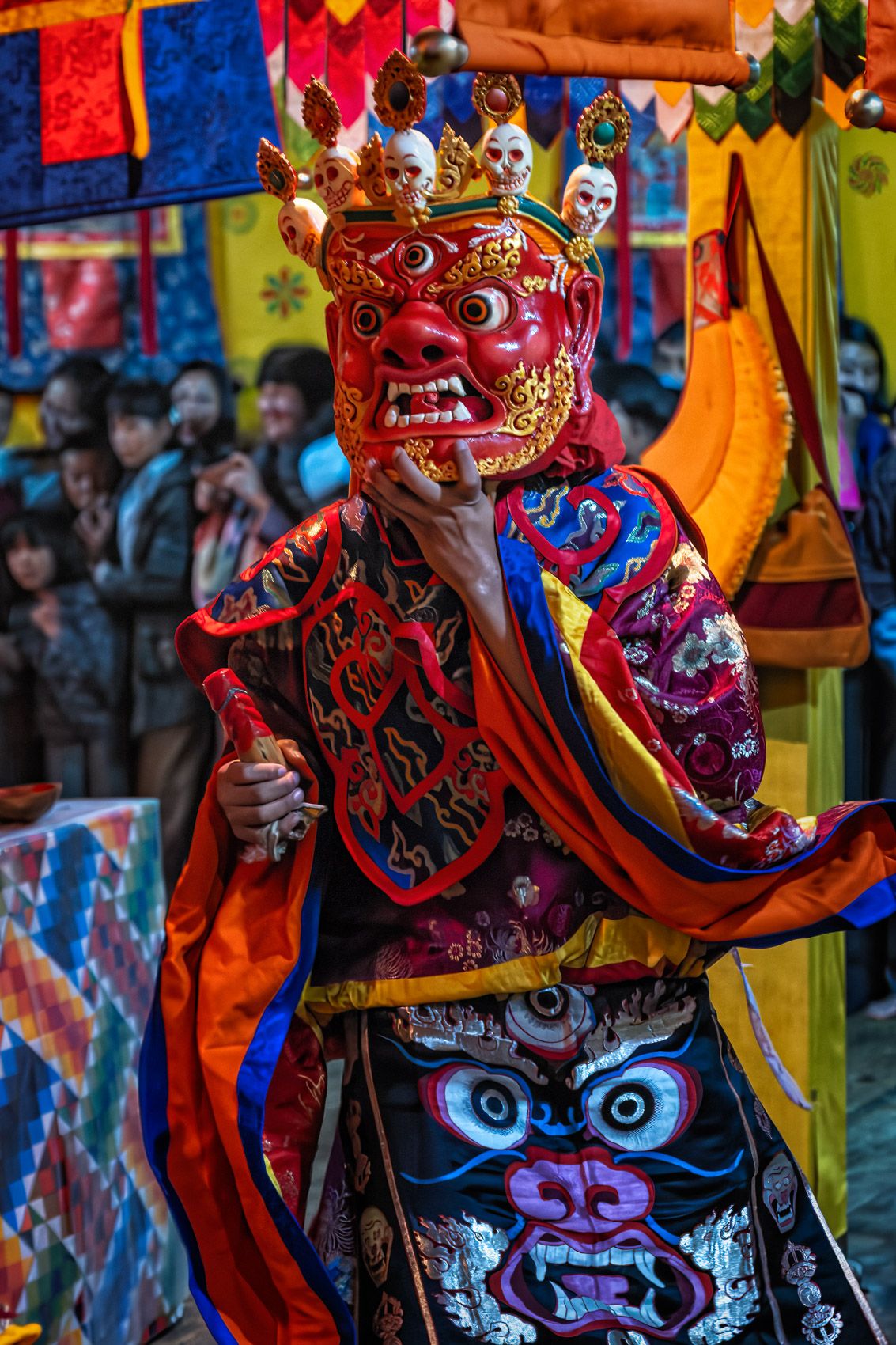
Practice in Bhutanese Buddhism is deeply communal and embodied. Daily life is punctuated by acts of devotion: spinning prayer wheels, offering butter lamps, chanting mantras, and circumambulating sacred sites. Monastic education emphasizes memorization, debate, ritual mastery, and ethical discipline, while laypeople participate actively in festivals and merit-making activities. Among the most important communal practices are the tsechus, annual religious festivals marked by masked cham dances. These dances dramatize Buddhist teachings, recount the lives of saints such as Guru Padmasambhava, and symbolically subdue negative forces, offering spiritual benefit to all who witness them.
At its heart, Bhutanese Buddhism is not merely a system of belief but a lived moral framework. It emphasizes impermanence, interdependence, and compassion, values that resonate in Bhutan’s broader cultural ideal of harmony—between individuals, society, nature, and the spiritual realm. Through its symbols and practices, Bhutanese Buddhism offers a vision of enlightenment grounded not in withdrawal from the world, but in mindful engagement with it.