
COLOMBIA: Palenque and Afro-Caribbean Culture
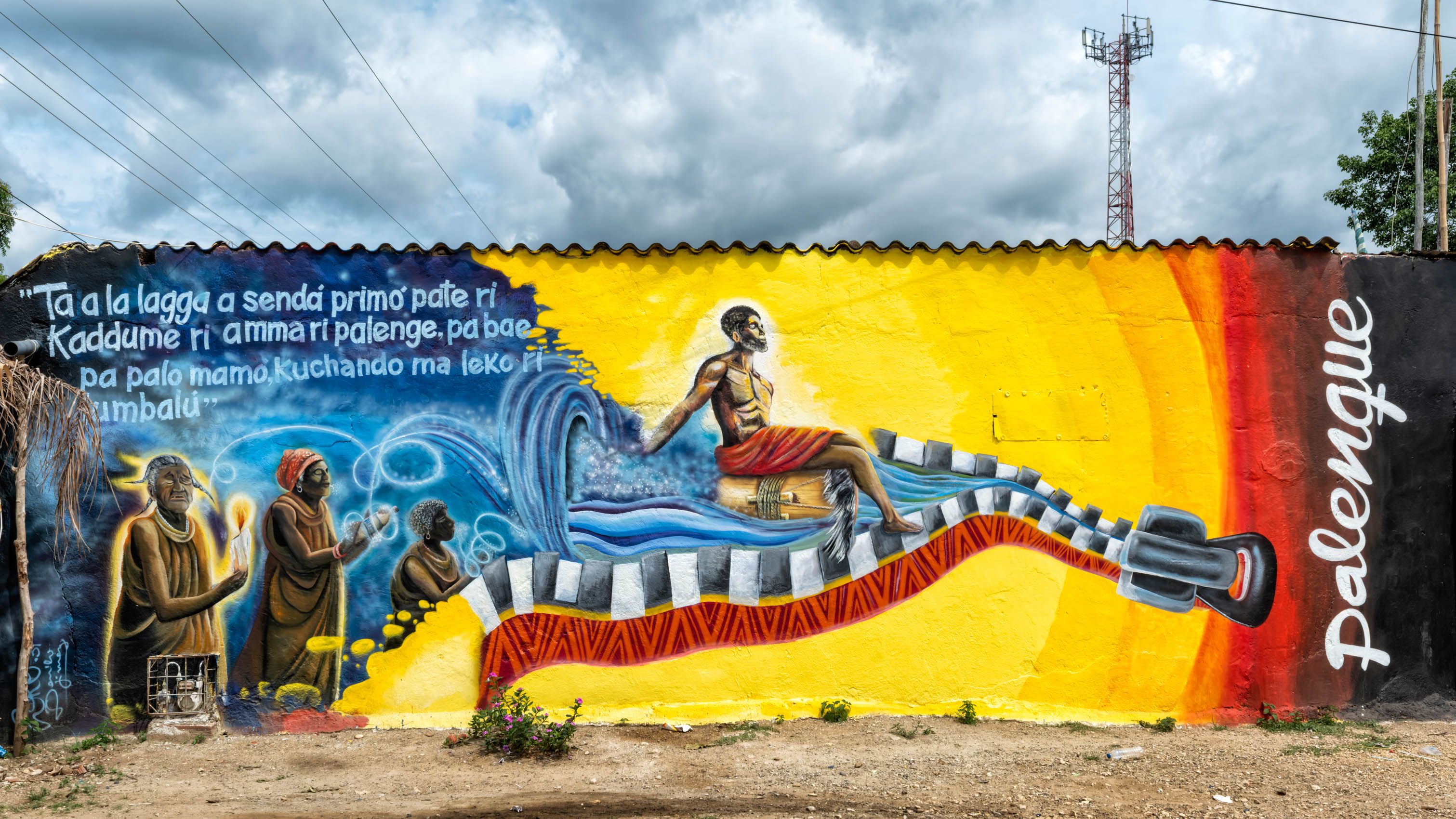
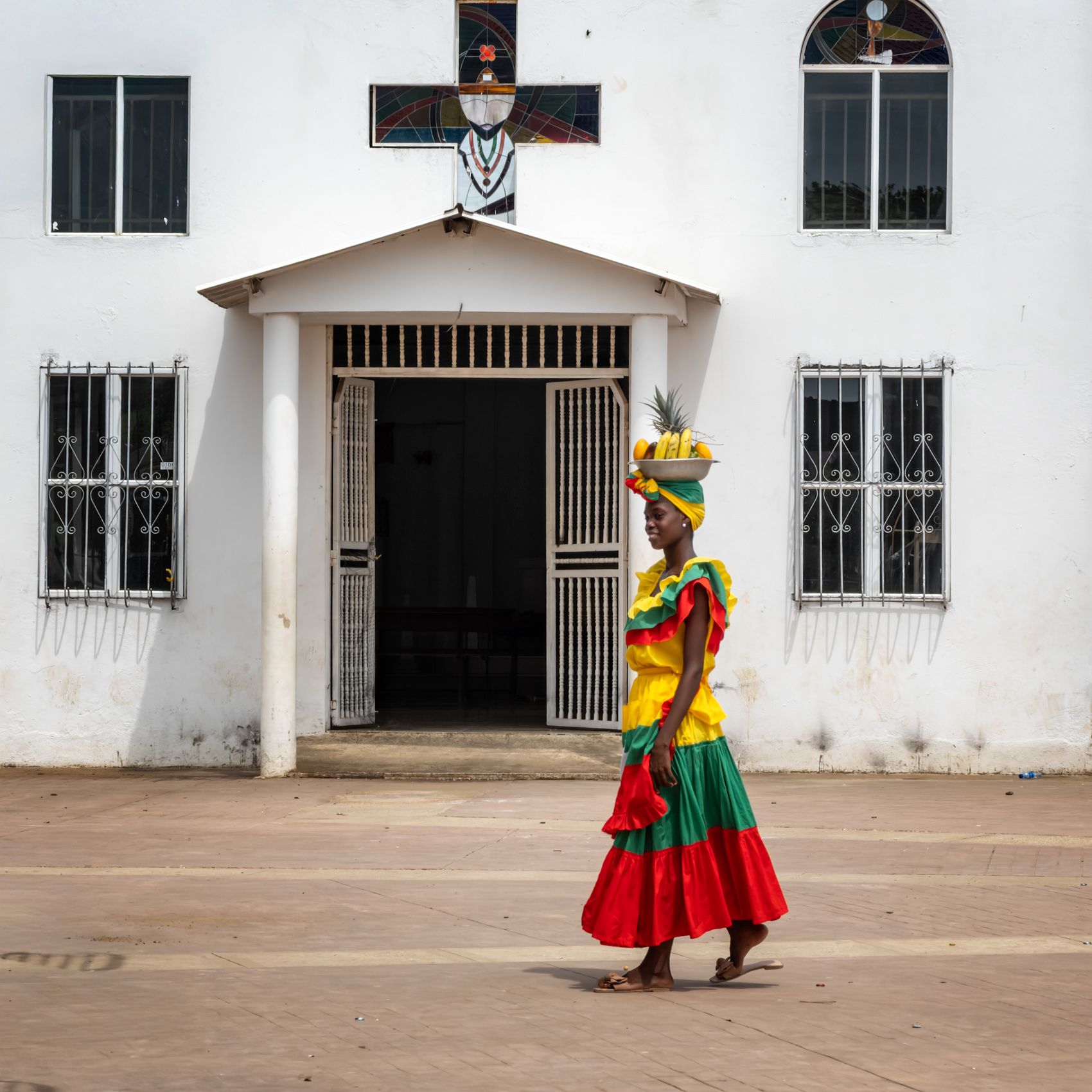
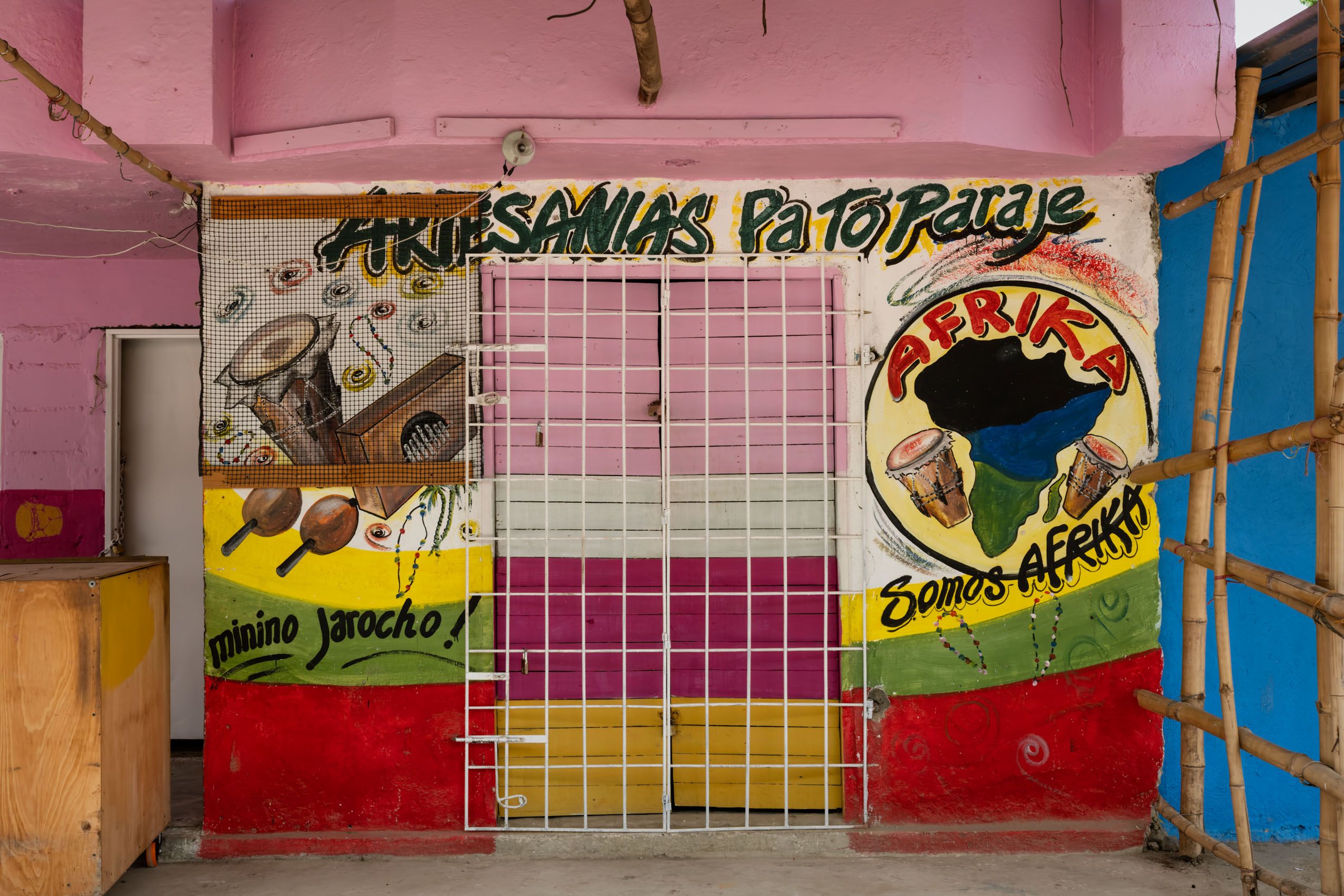
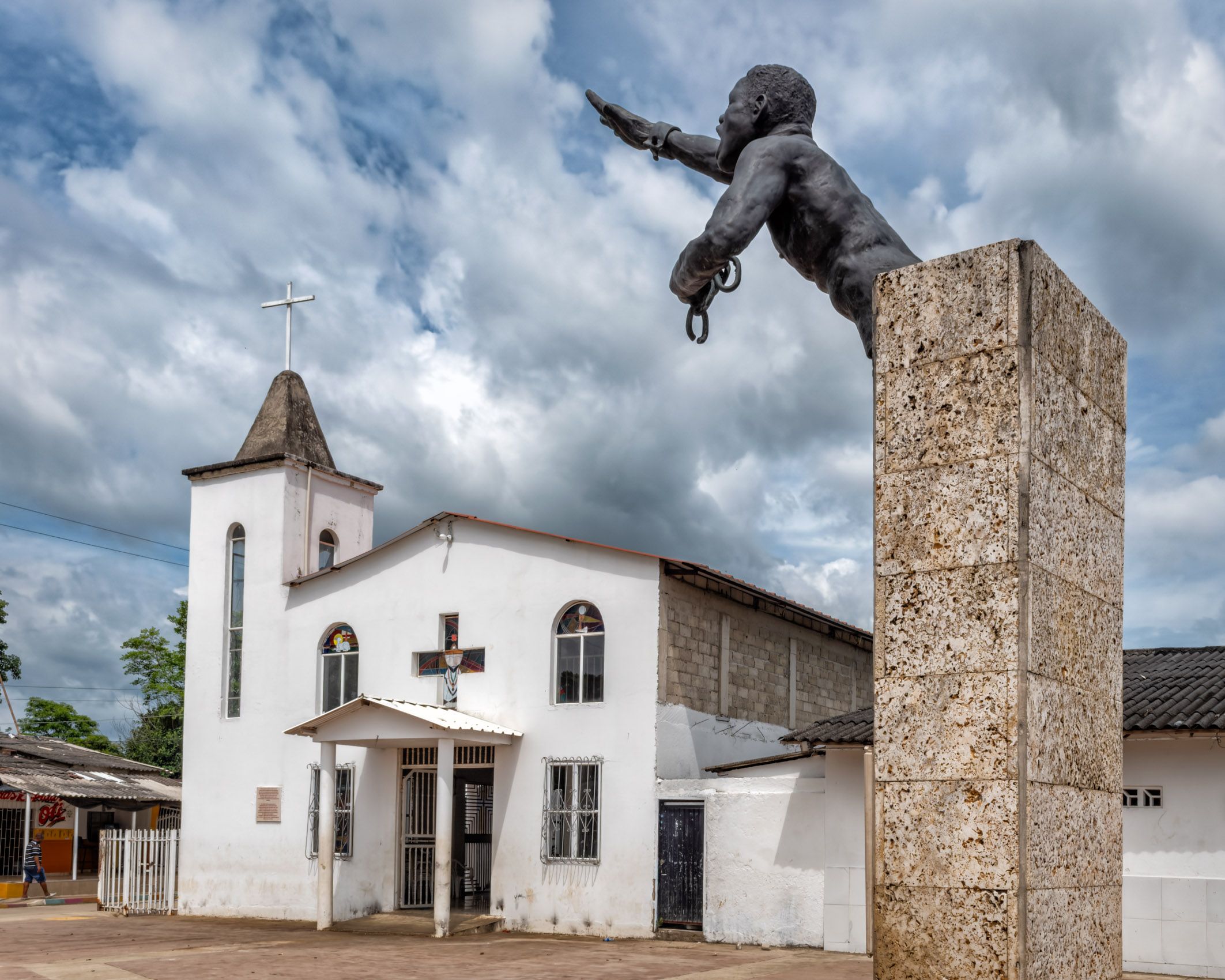
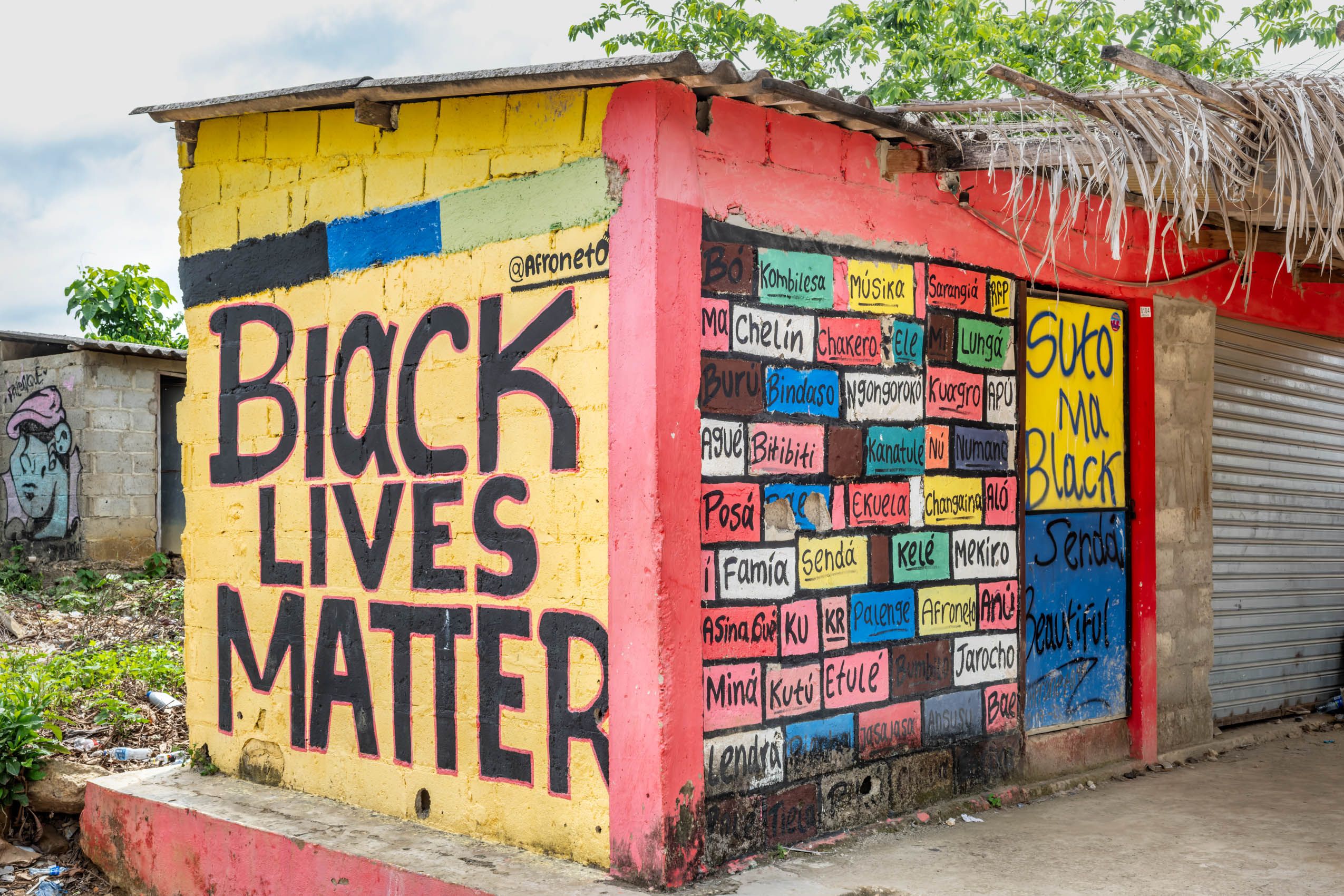
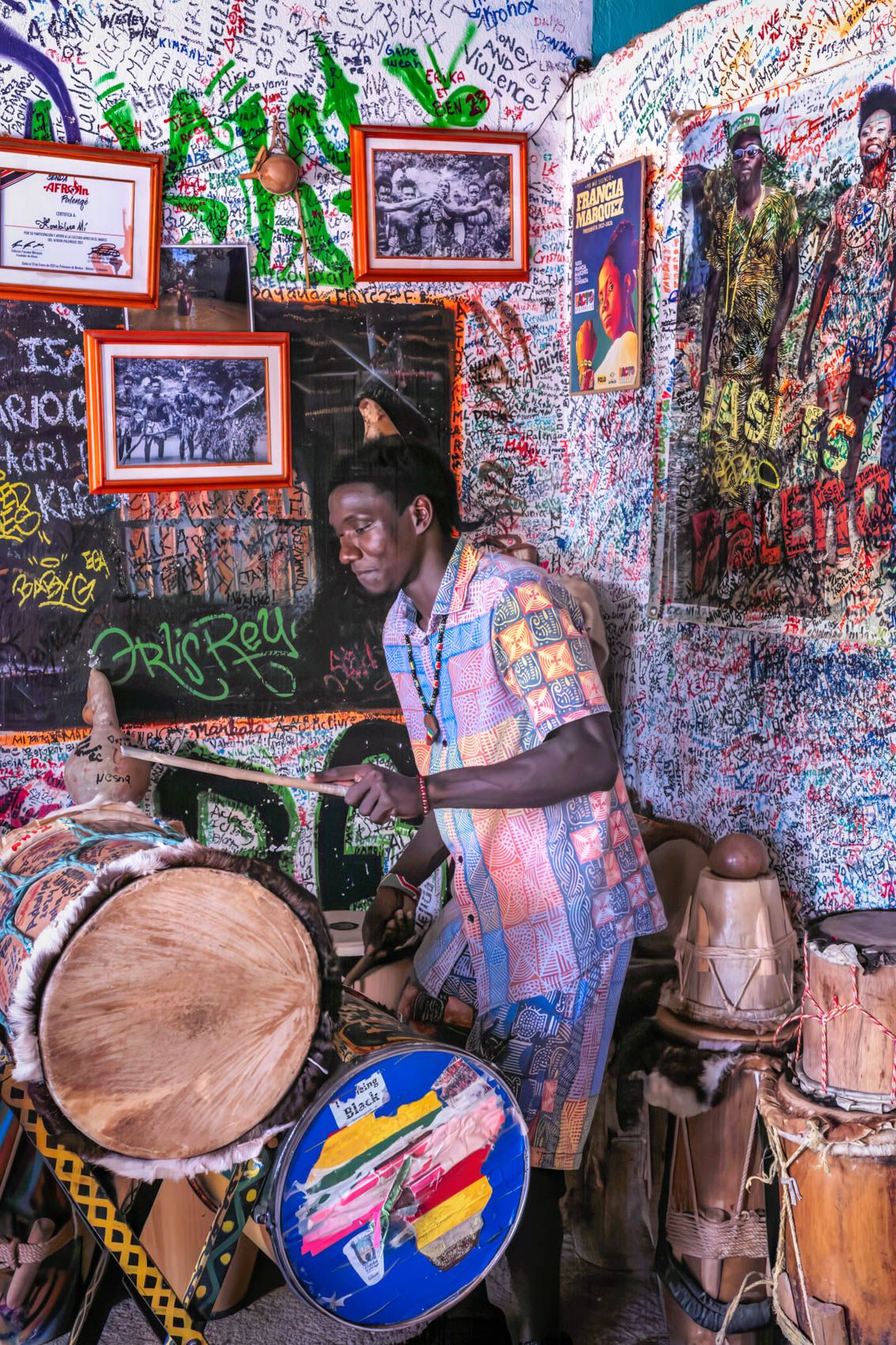
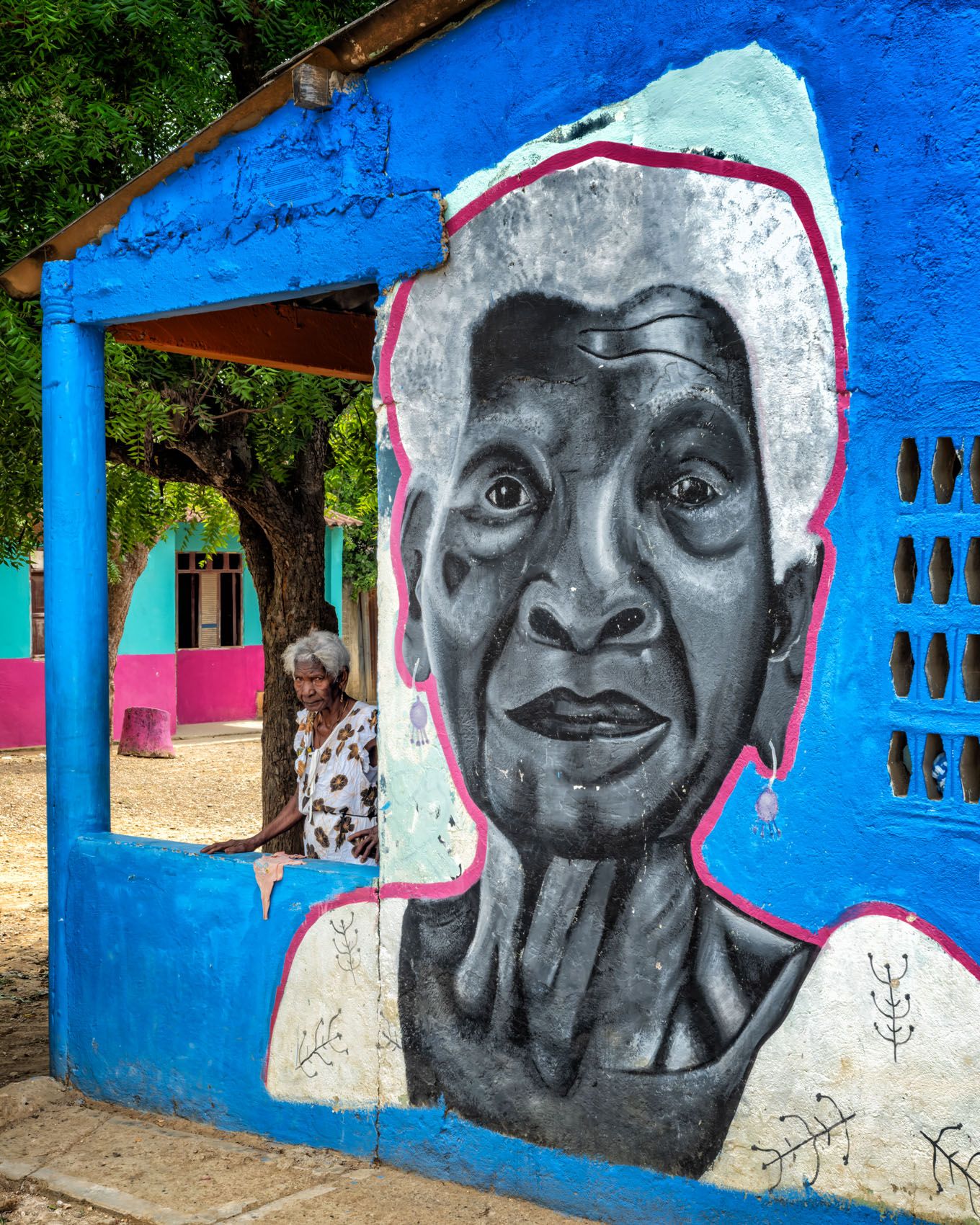
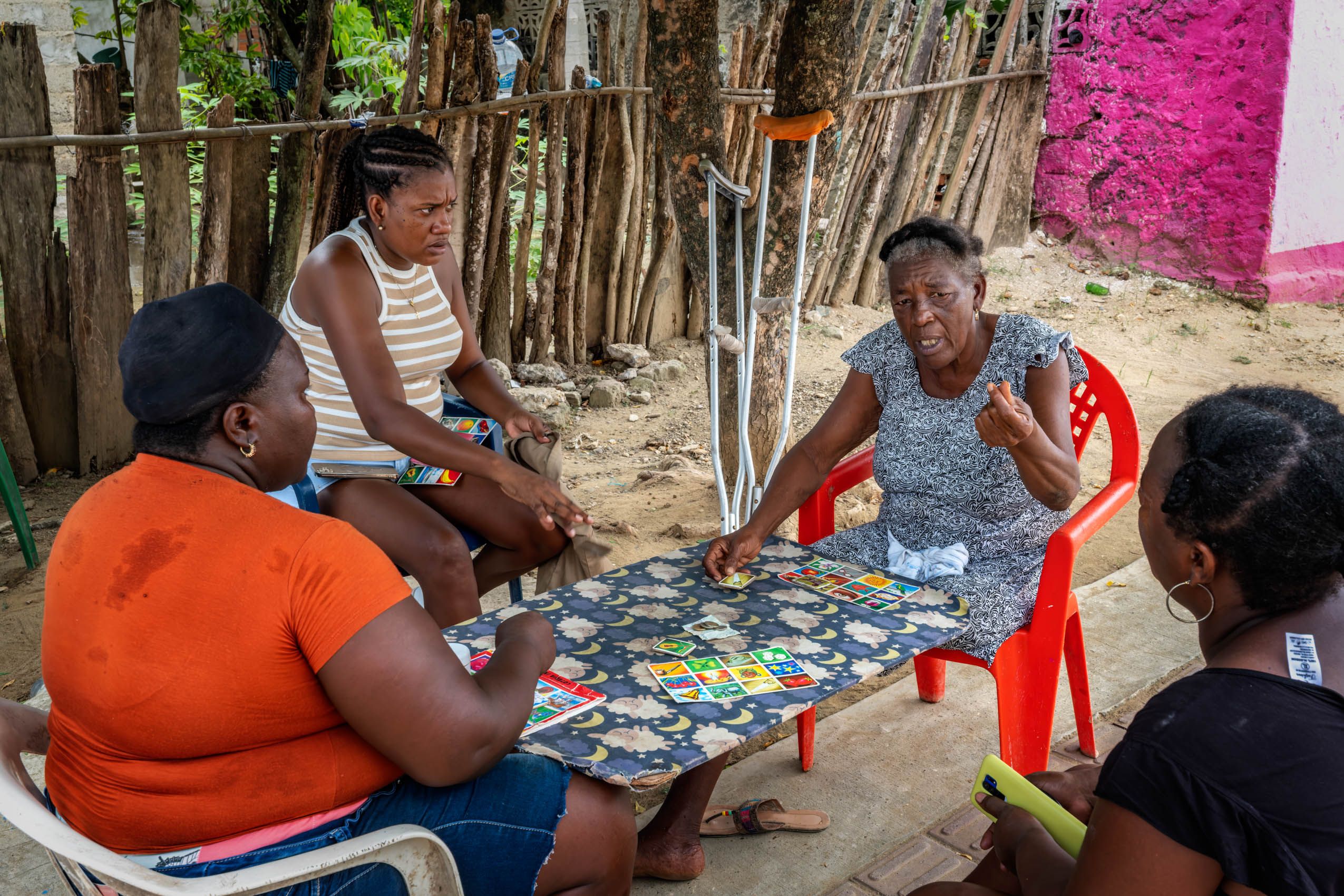
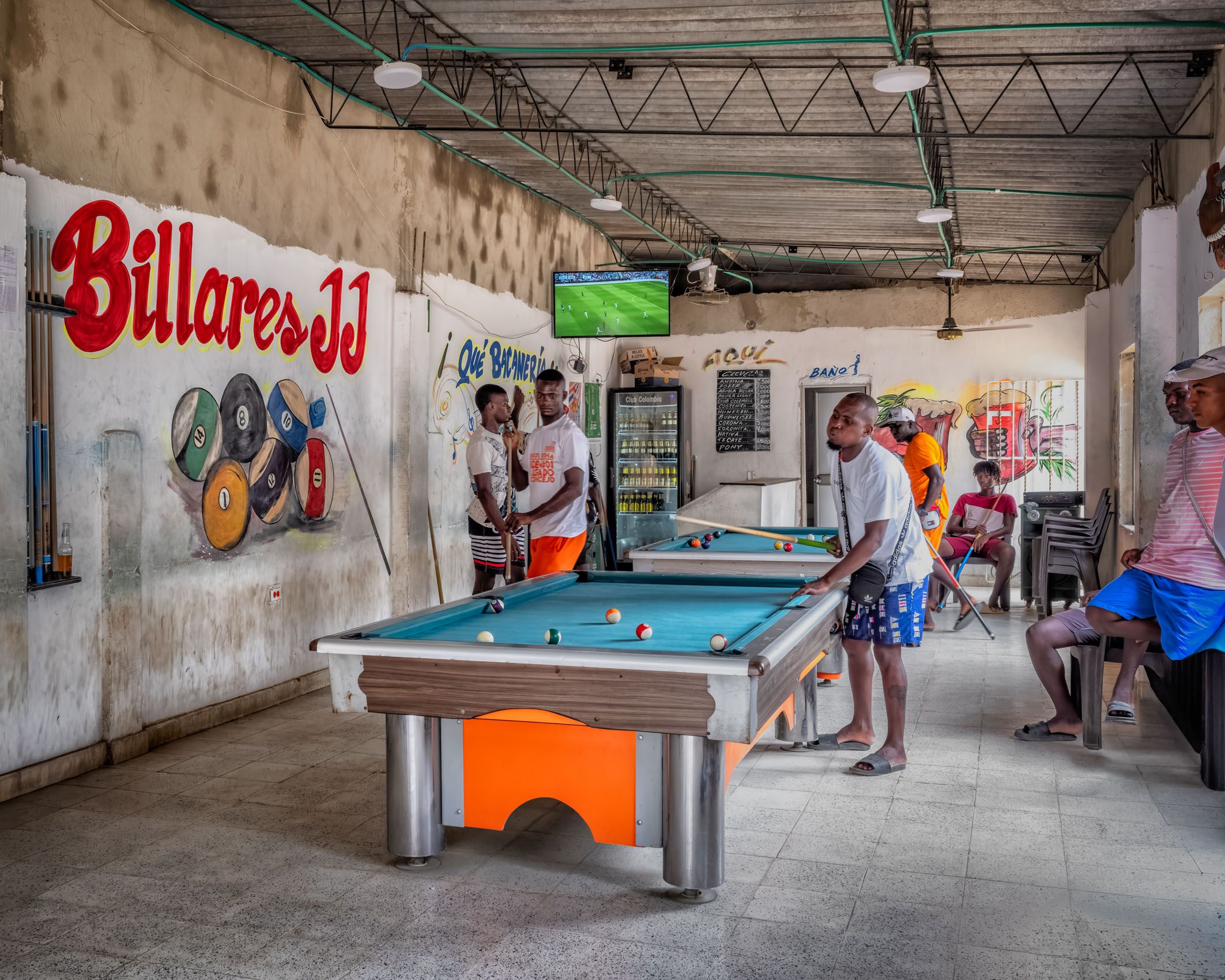
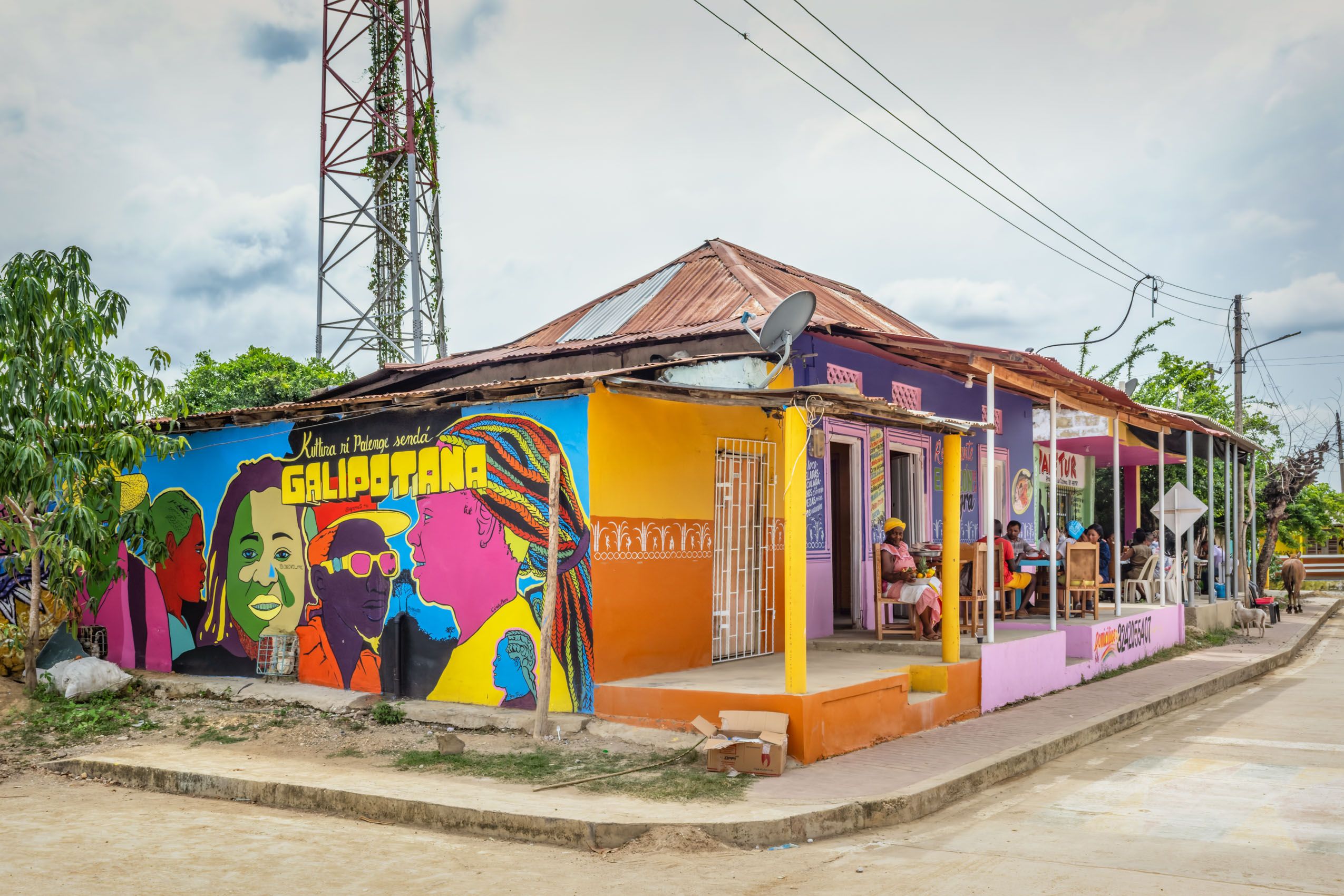
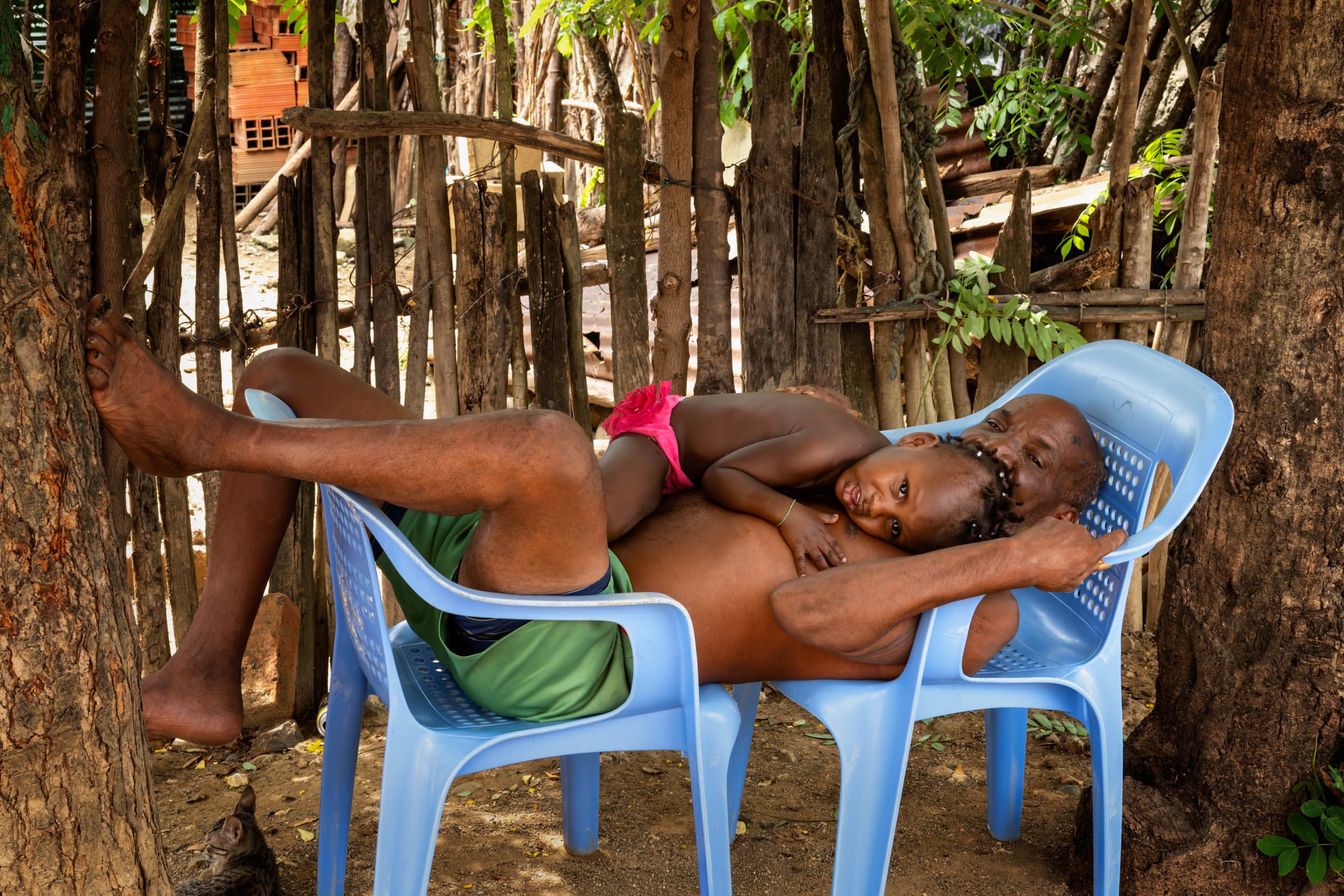
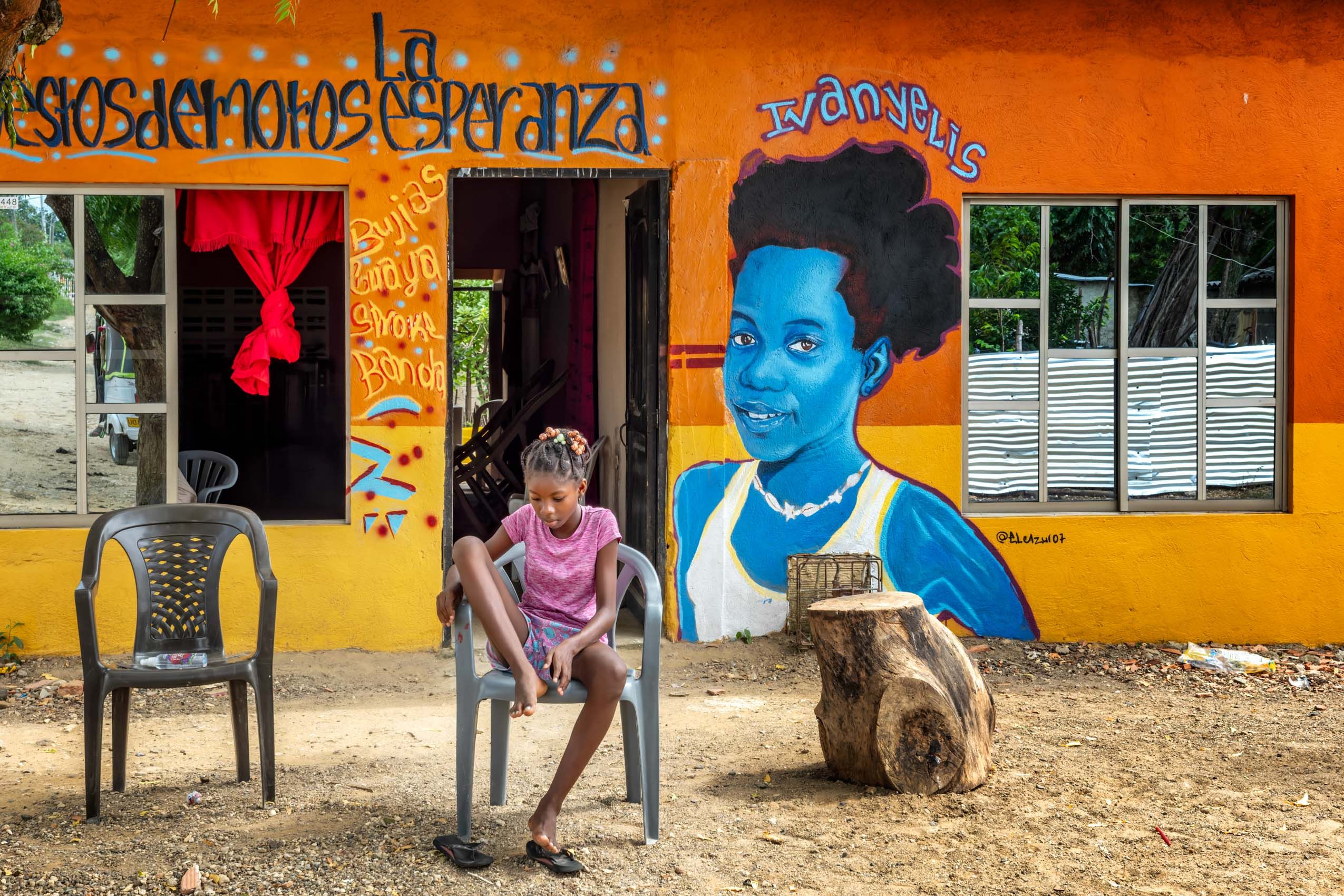
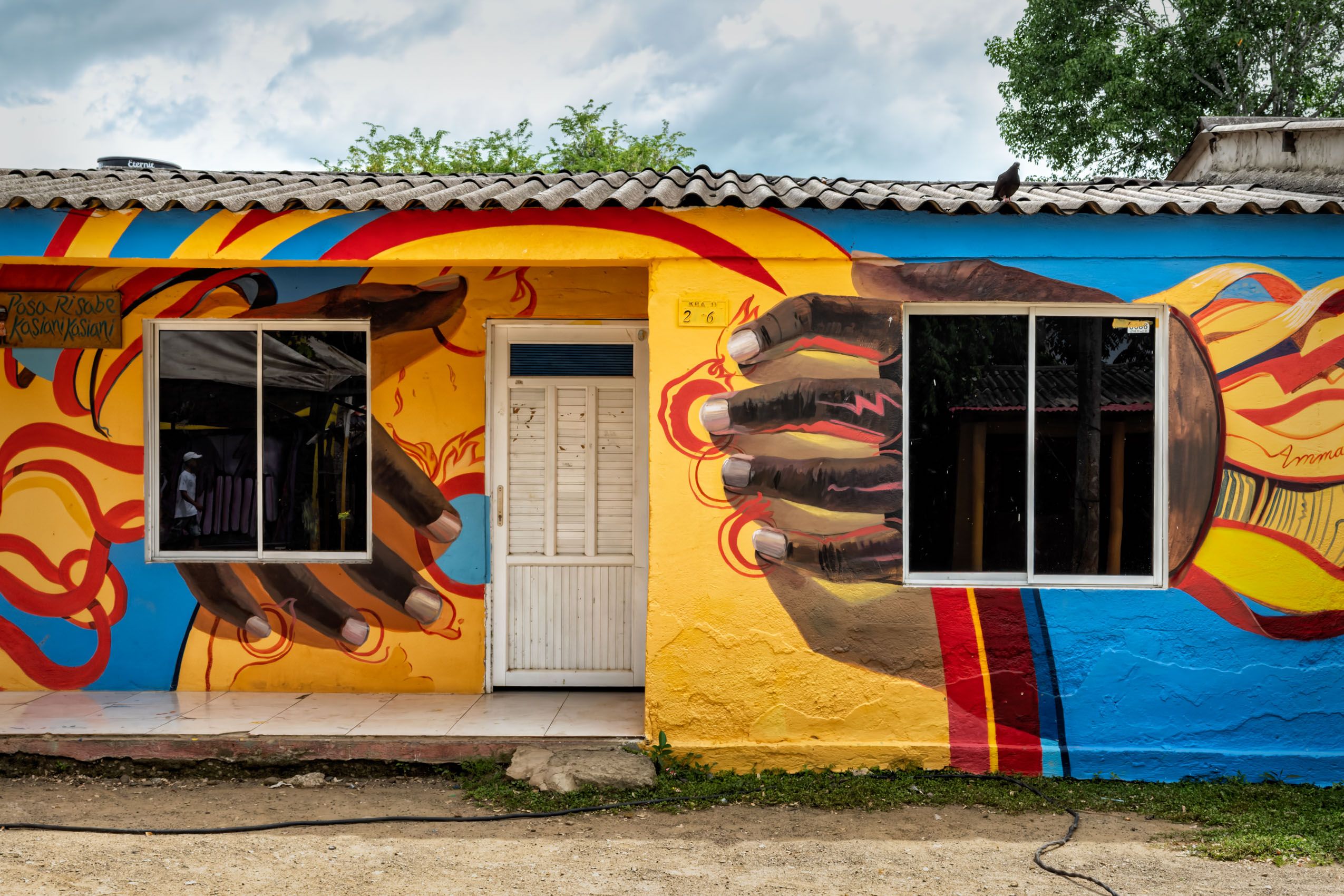
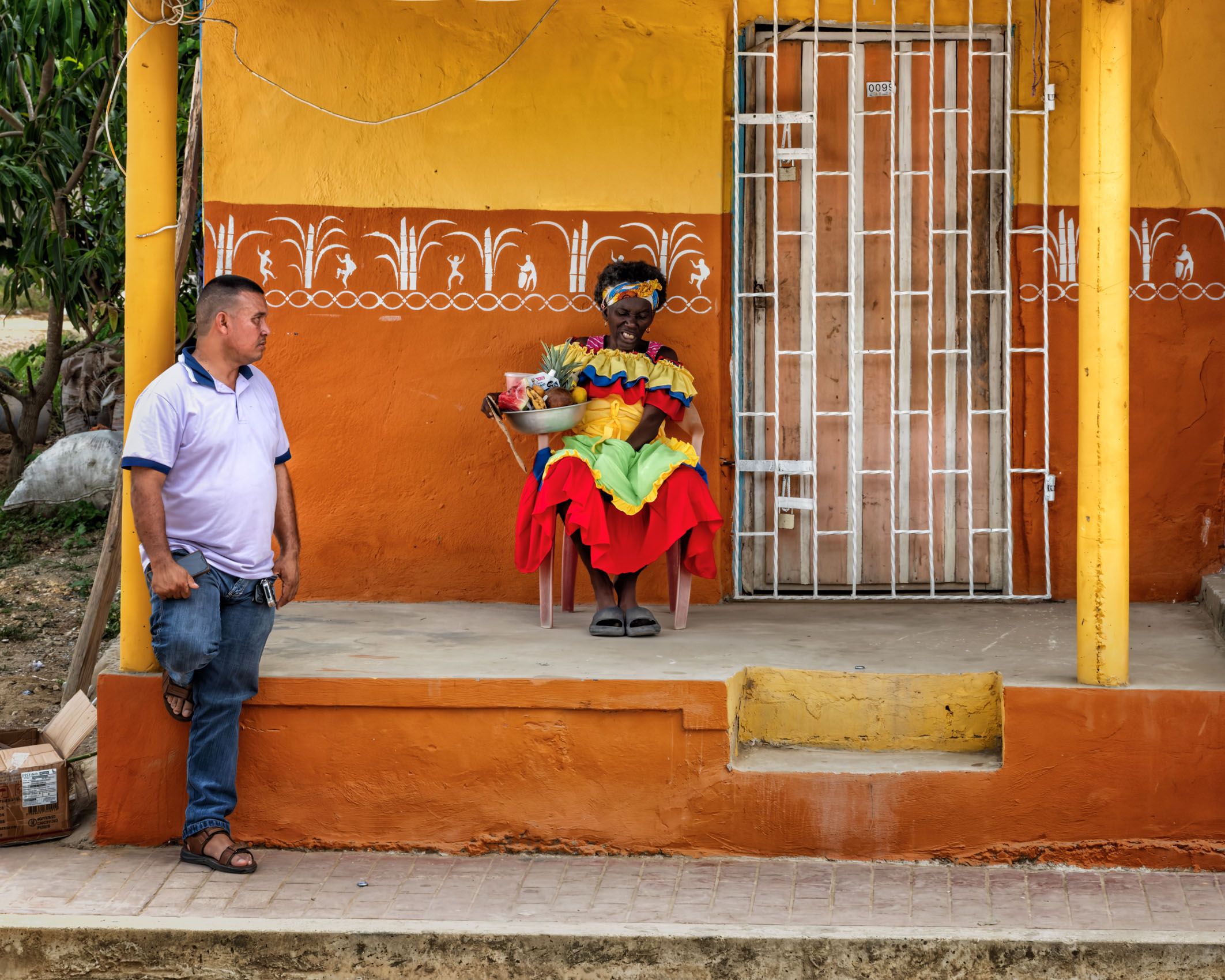
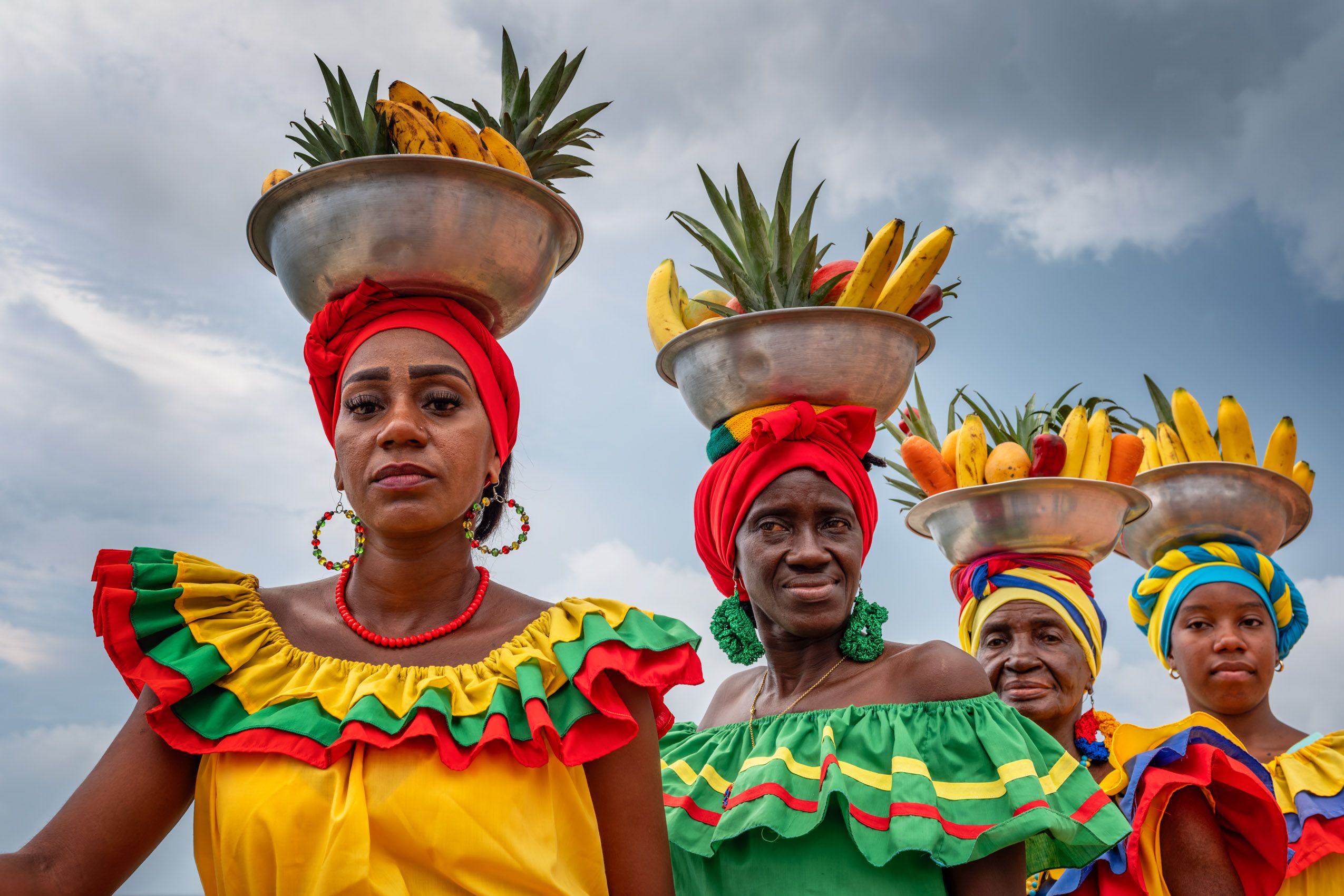
San Basilio de Palenque, a village located in the Caribbean region of Colombia southeast of Cartagena, holds a singular place in the history of the African diaspora in the Americas. Founded in the seventeenth century by escaped enslaved Africans, Palenque became one of the first free Black settlements in the Western Hemisphere. For centuries it resisted colonial authority, sustaining its autonomy through guerrilla defenses, strategic diplomacy, and the sheer resilience of its people.The cultural legacy of Palenque stands apart within Colombia. Its inhabitants have preserved traditions that connect powerfully to Central and West African heritage. As seen in some of these images, the community maintains a distinctive Creole language, Palenquero, the only Spanish-based Creole in Latin America. Palenque’s music and dance traditions as well as other aspects of local culture and social organization offer living testimony to a collective African diasporic memory. More broadly, Palenque symbolizes the experience and identity of the Afro-Colombian people, one of the nation’s largest ethnic communities. Afro-Colombians are concentrated on the Caribbean coast, in the Pacific region of Chocó, and in major urban centers like Cartagena. Despite centuries of marginalization, they have significantly shaped Colombian culture through music, cuisine, religious practices, and social activism. In recent decades, Afro-Colombian movements have mobilized for rights to land, cultural recognition, and political representation—gains partially realized in Colombia’s 1991 Constitution and subsequent legal reforms. In 2005, UNESCO recognized San Basilio de Palenque as a Masterpiece of the Oral and Intangible Heritage of Humanity.