
COLOMBIA: The Feast of Corpus Christi In Two Ways
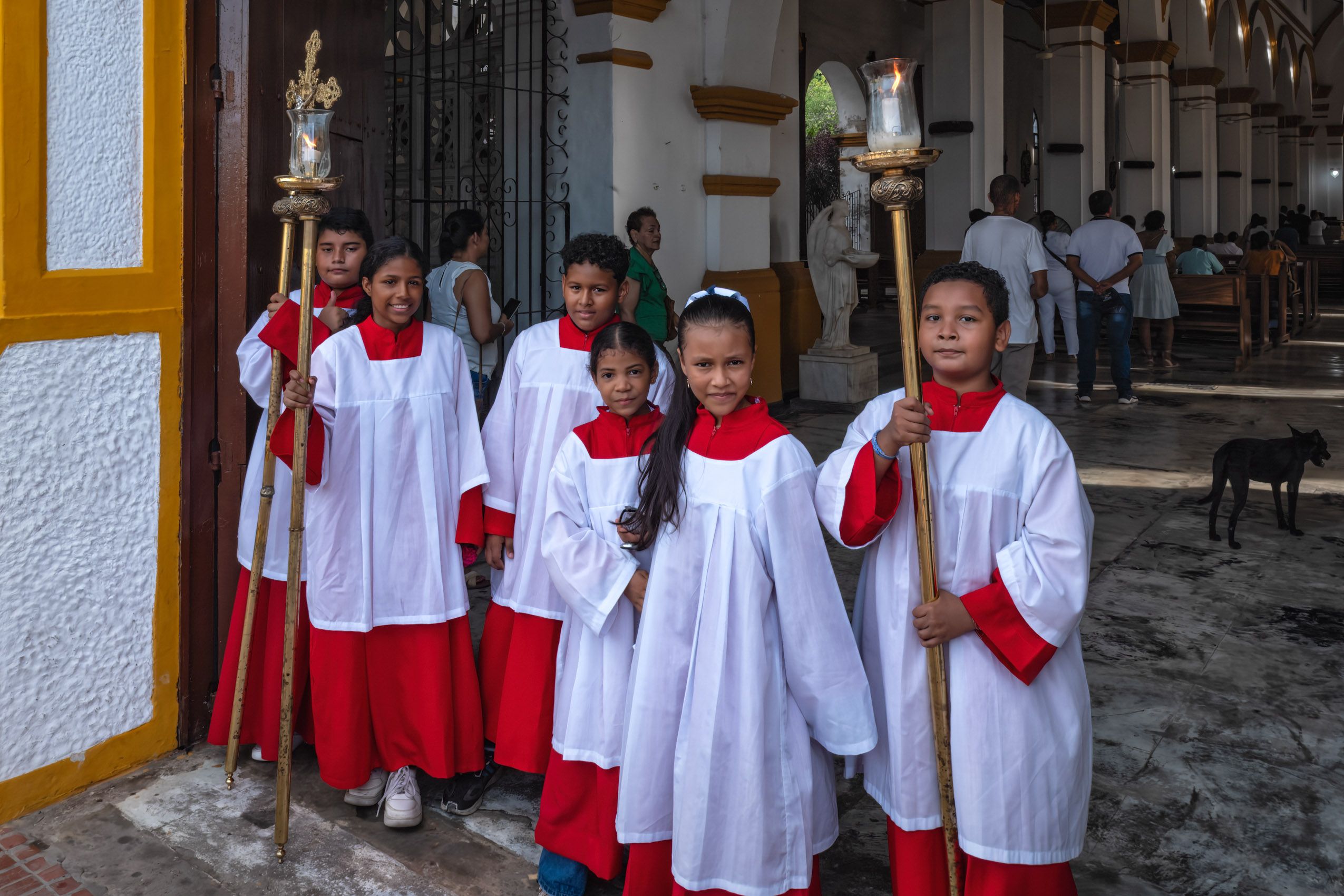
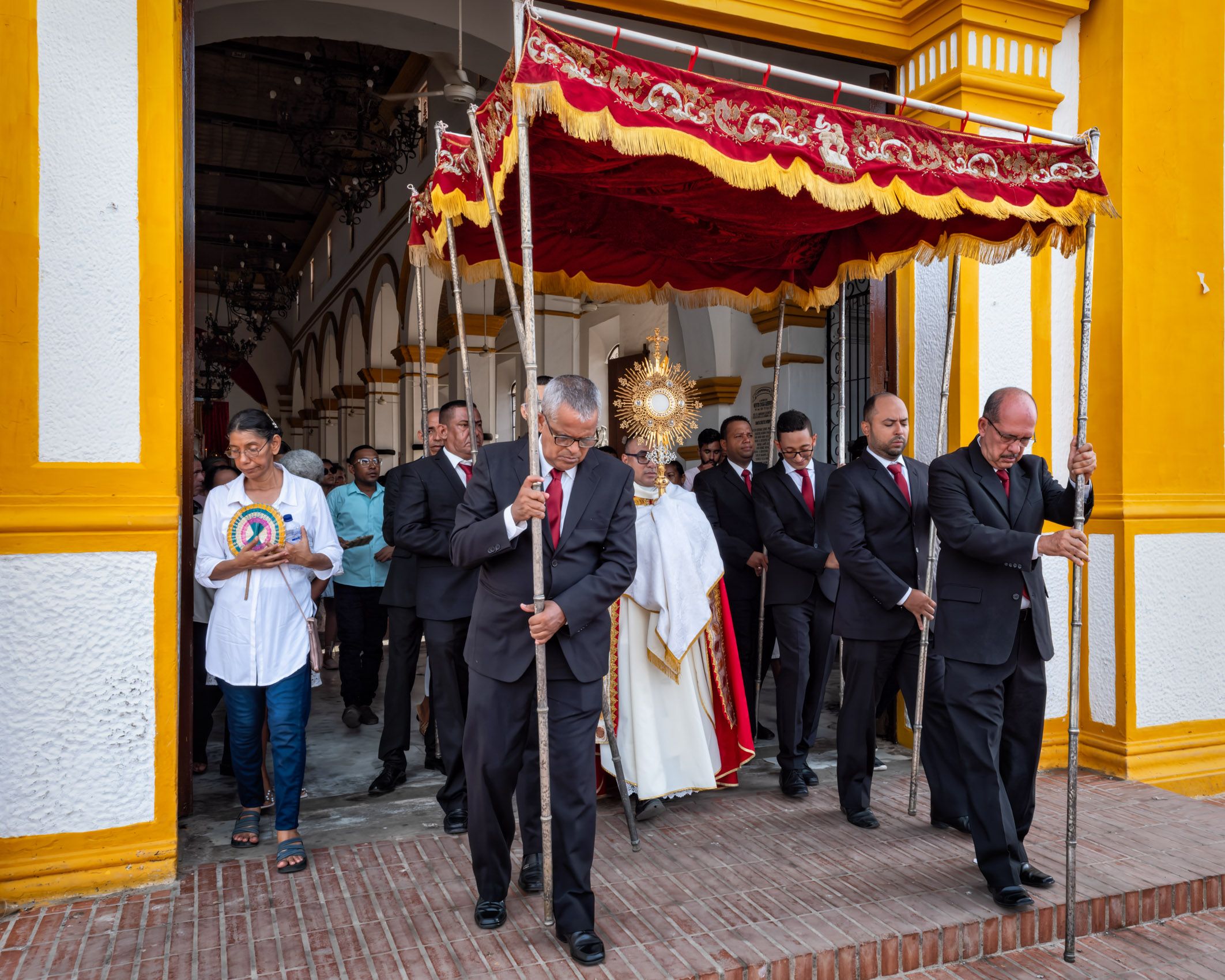
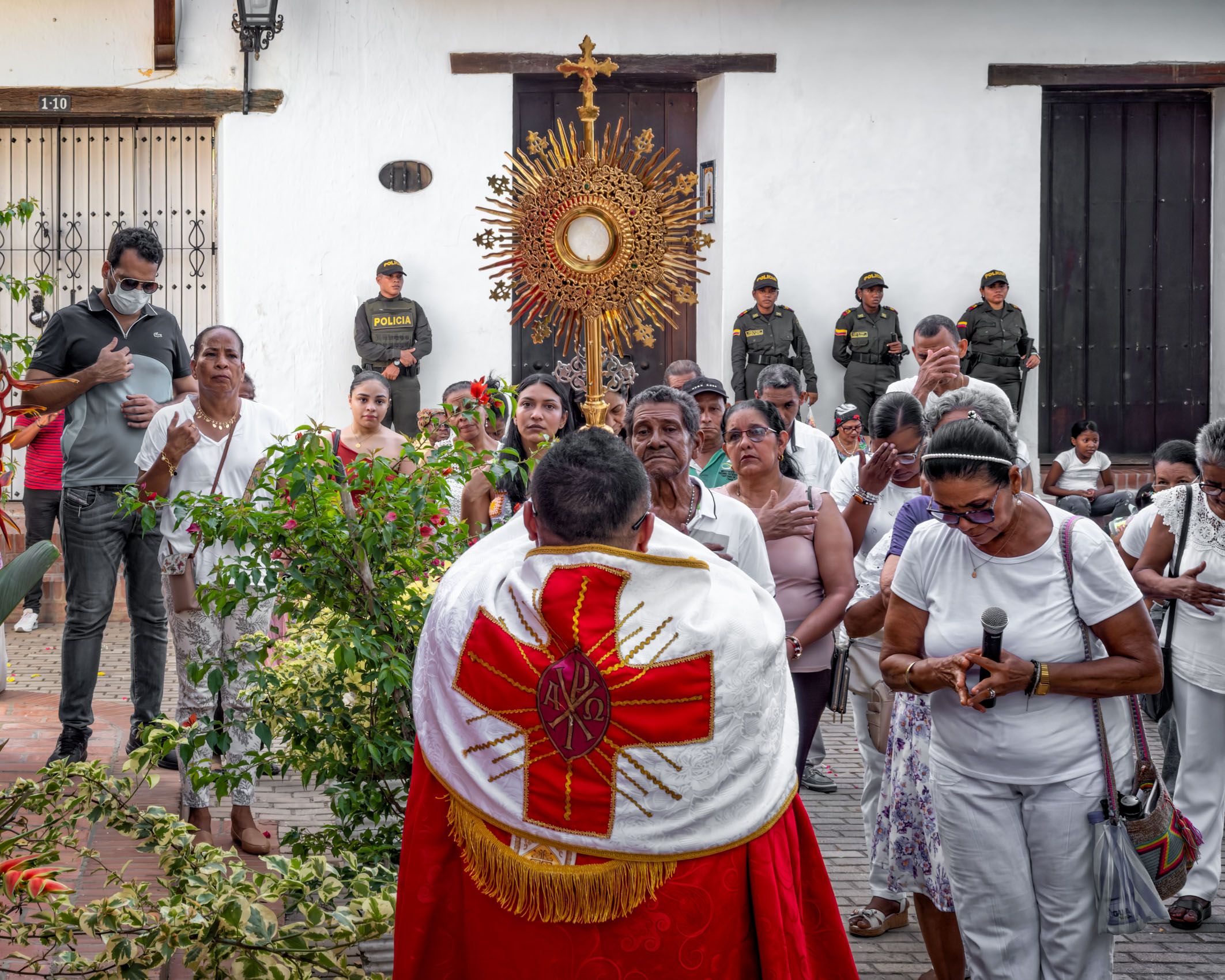
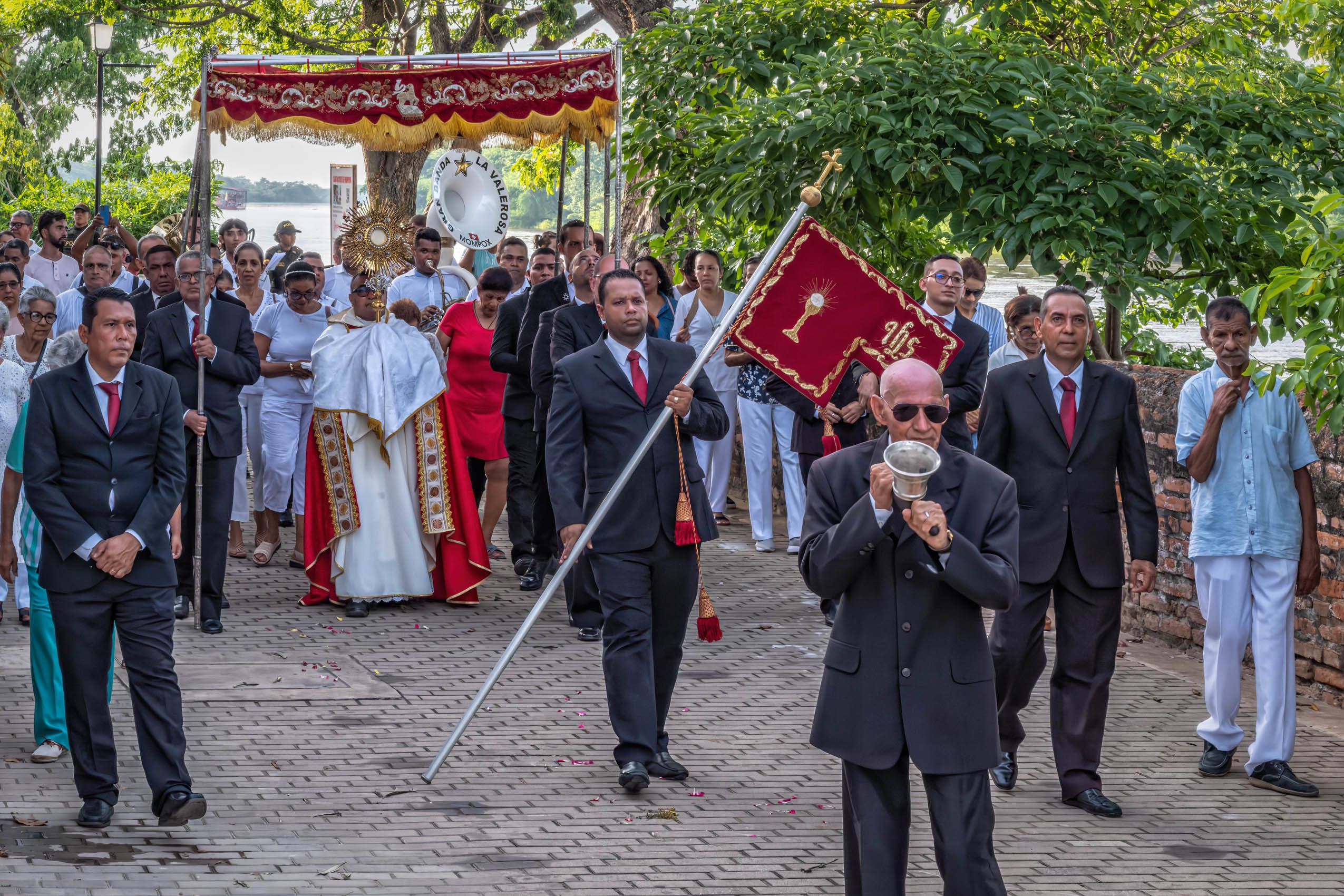
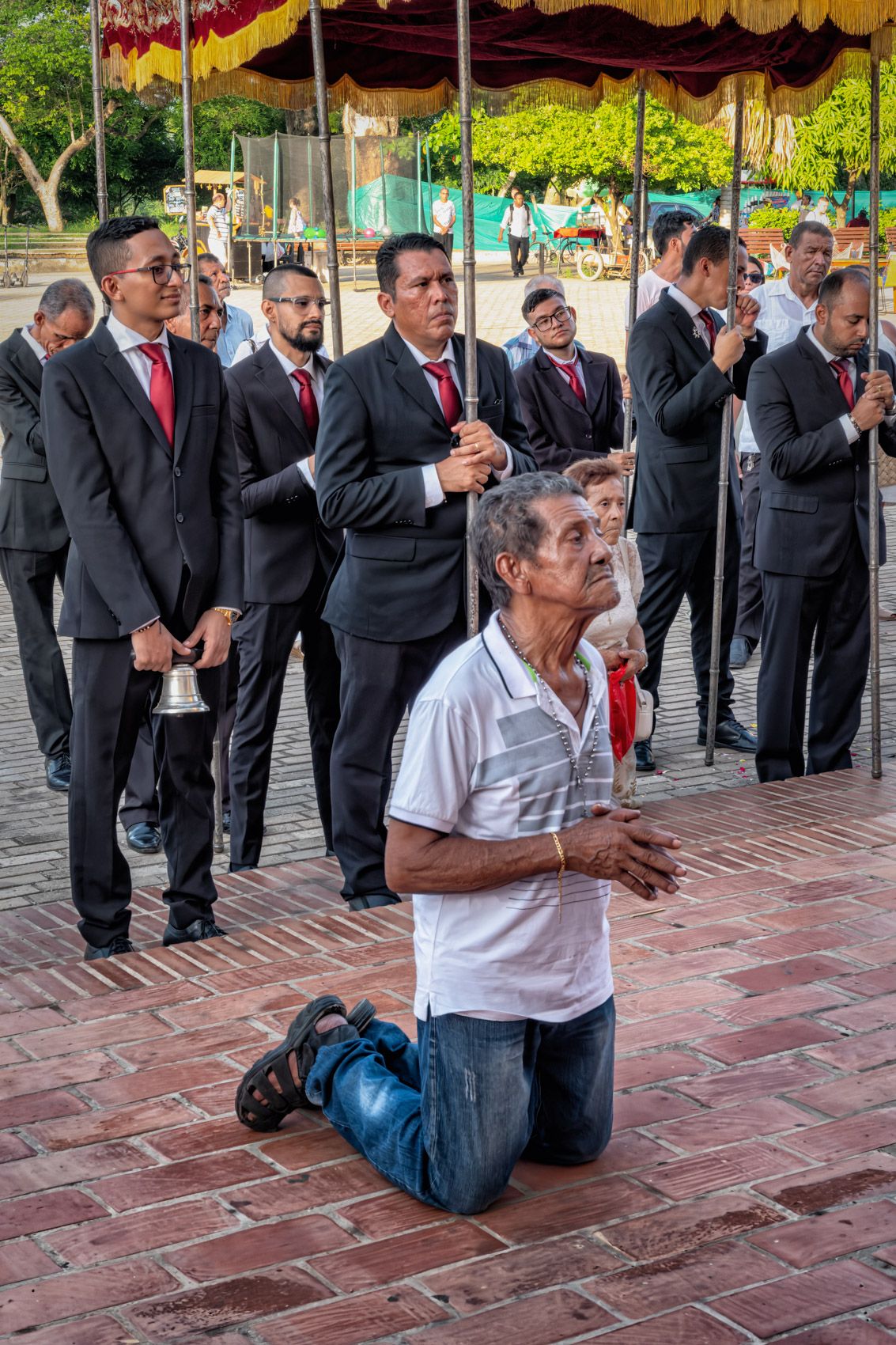
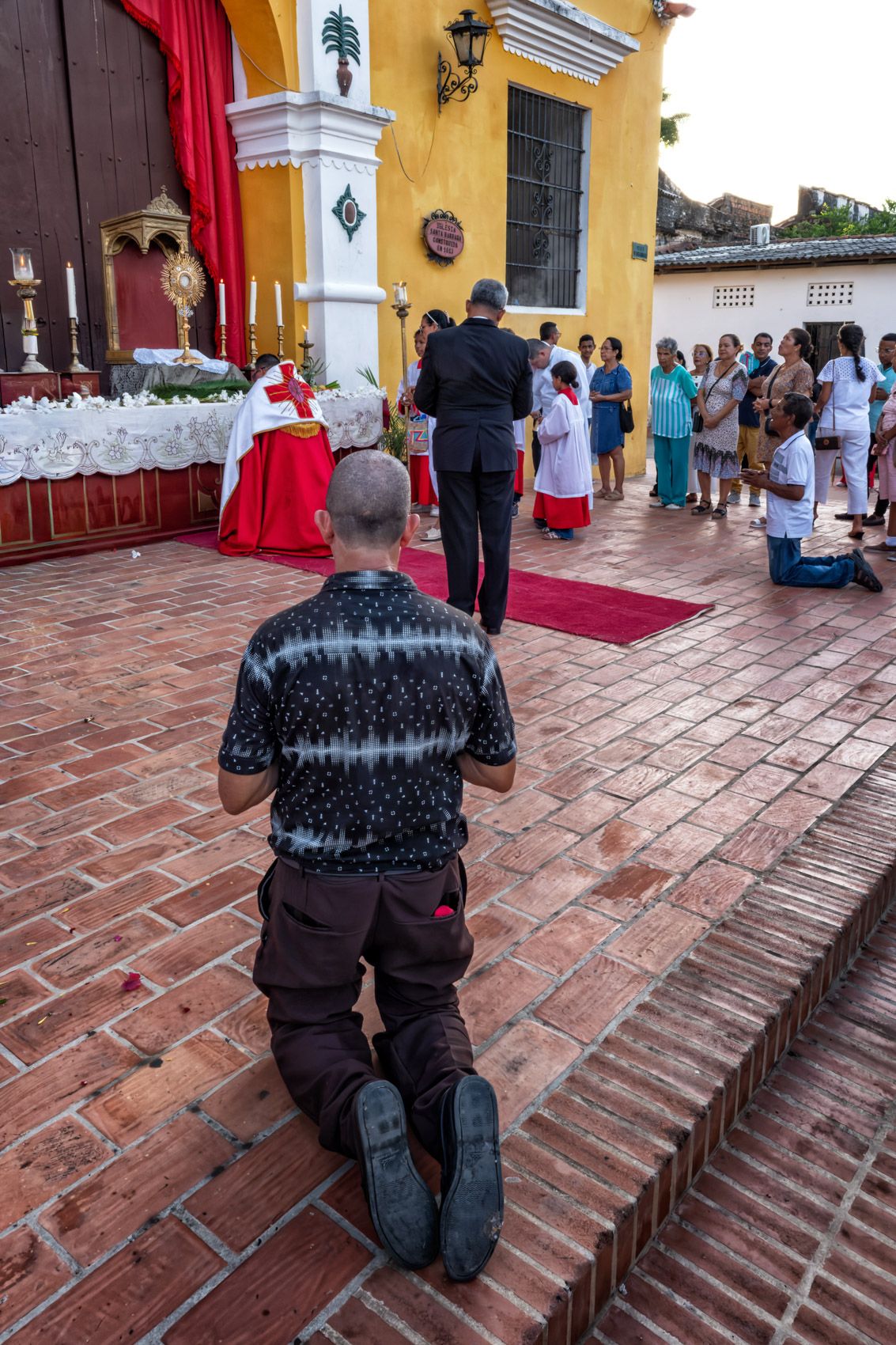
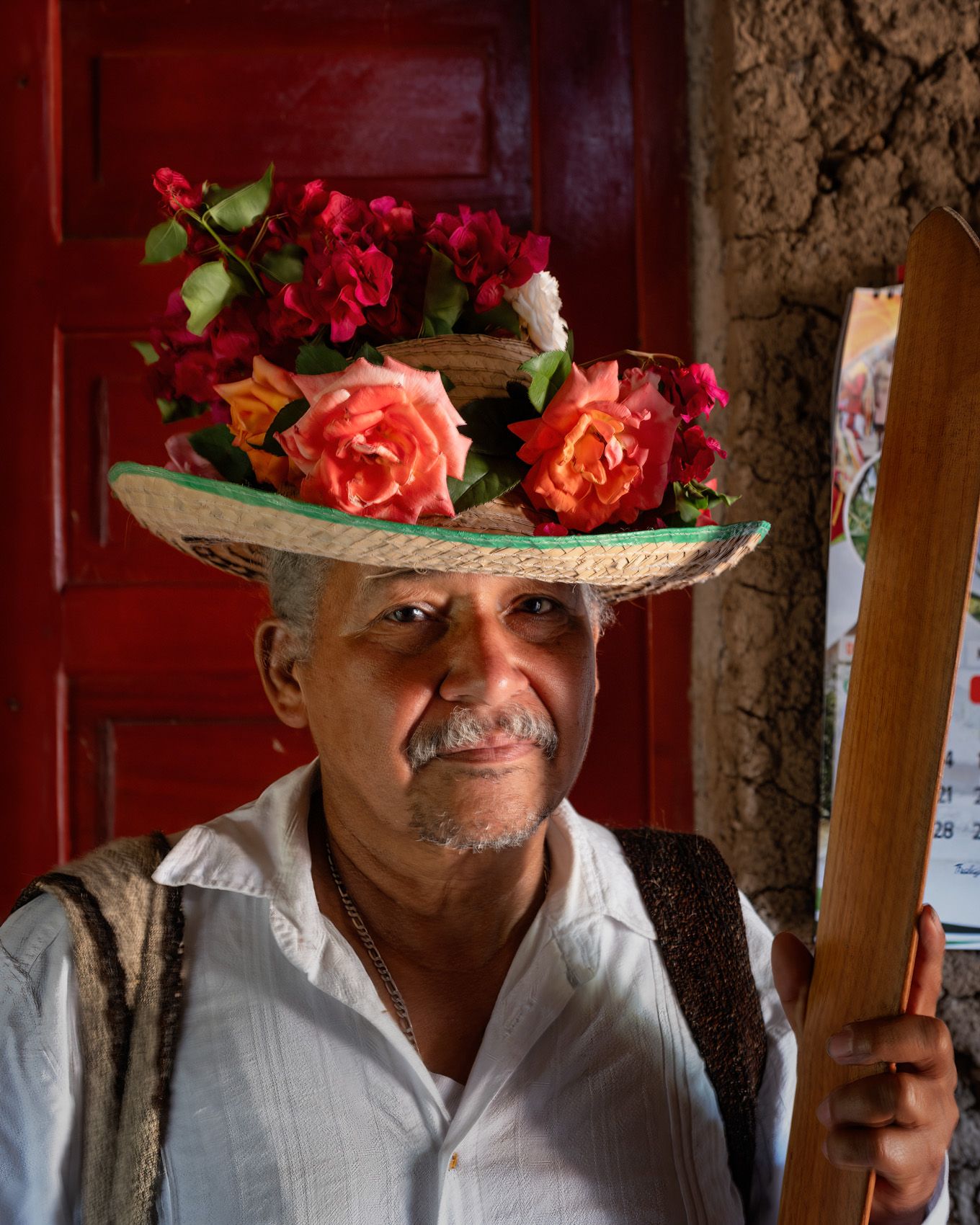
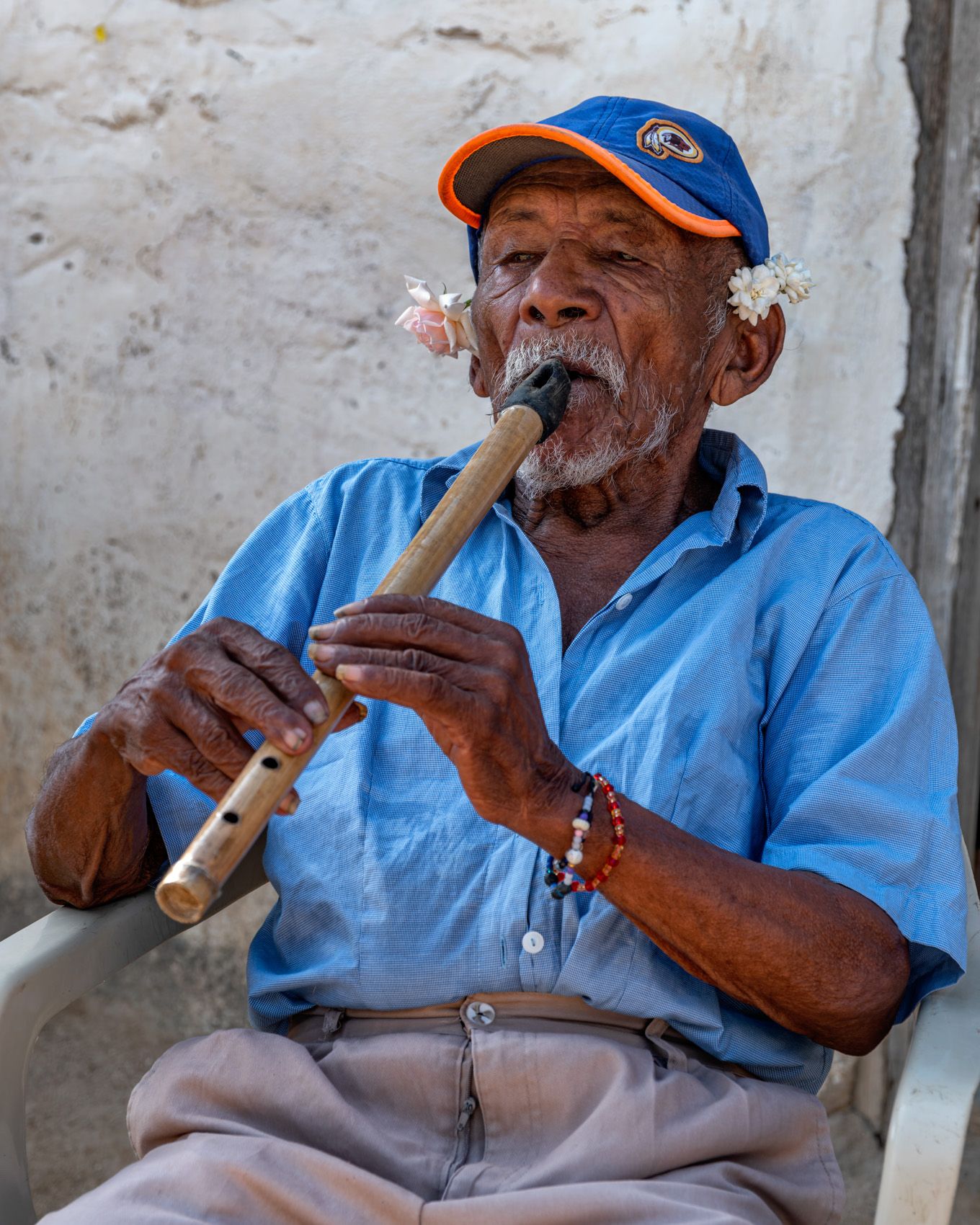
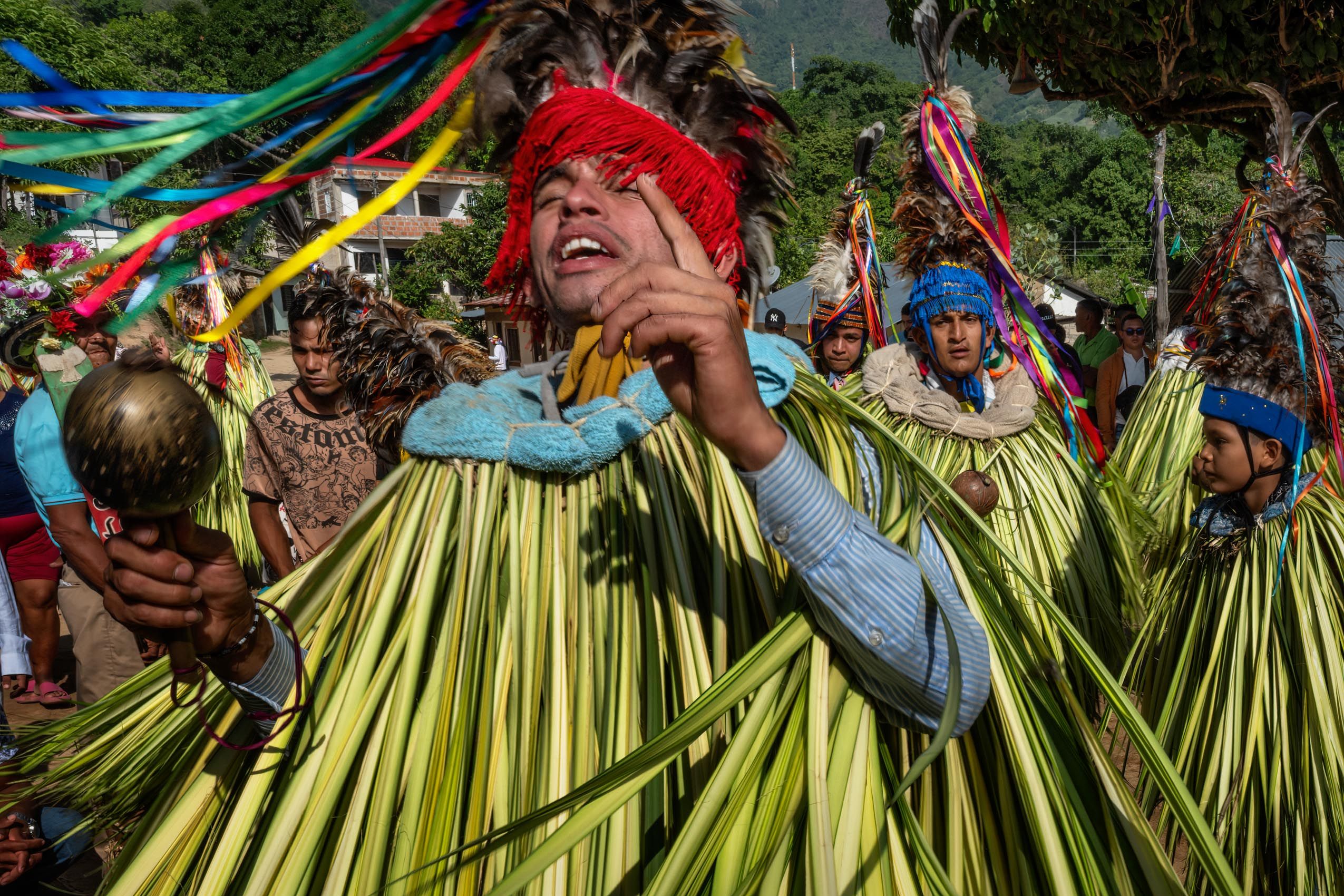
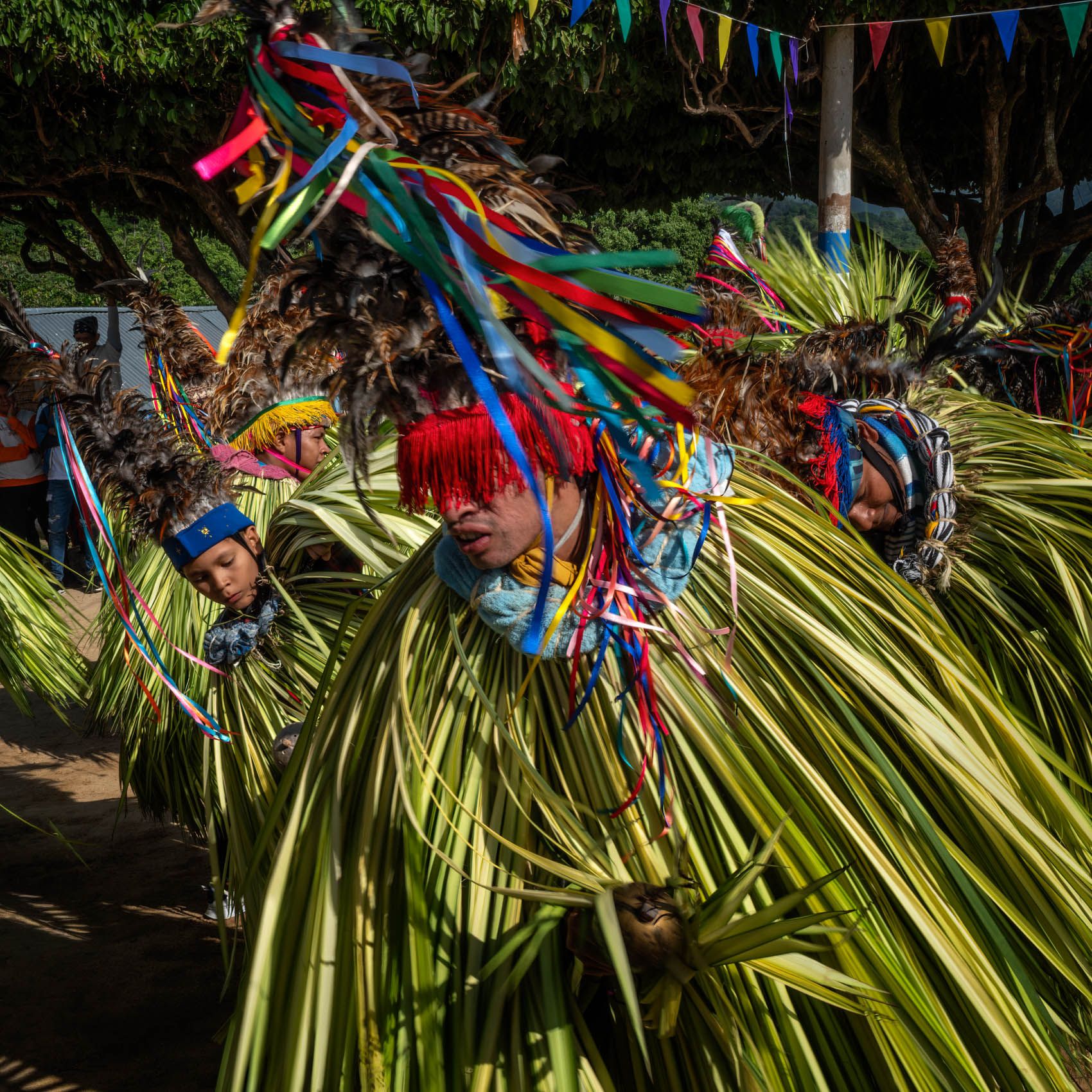
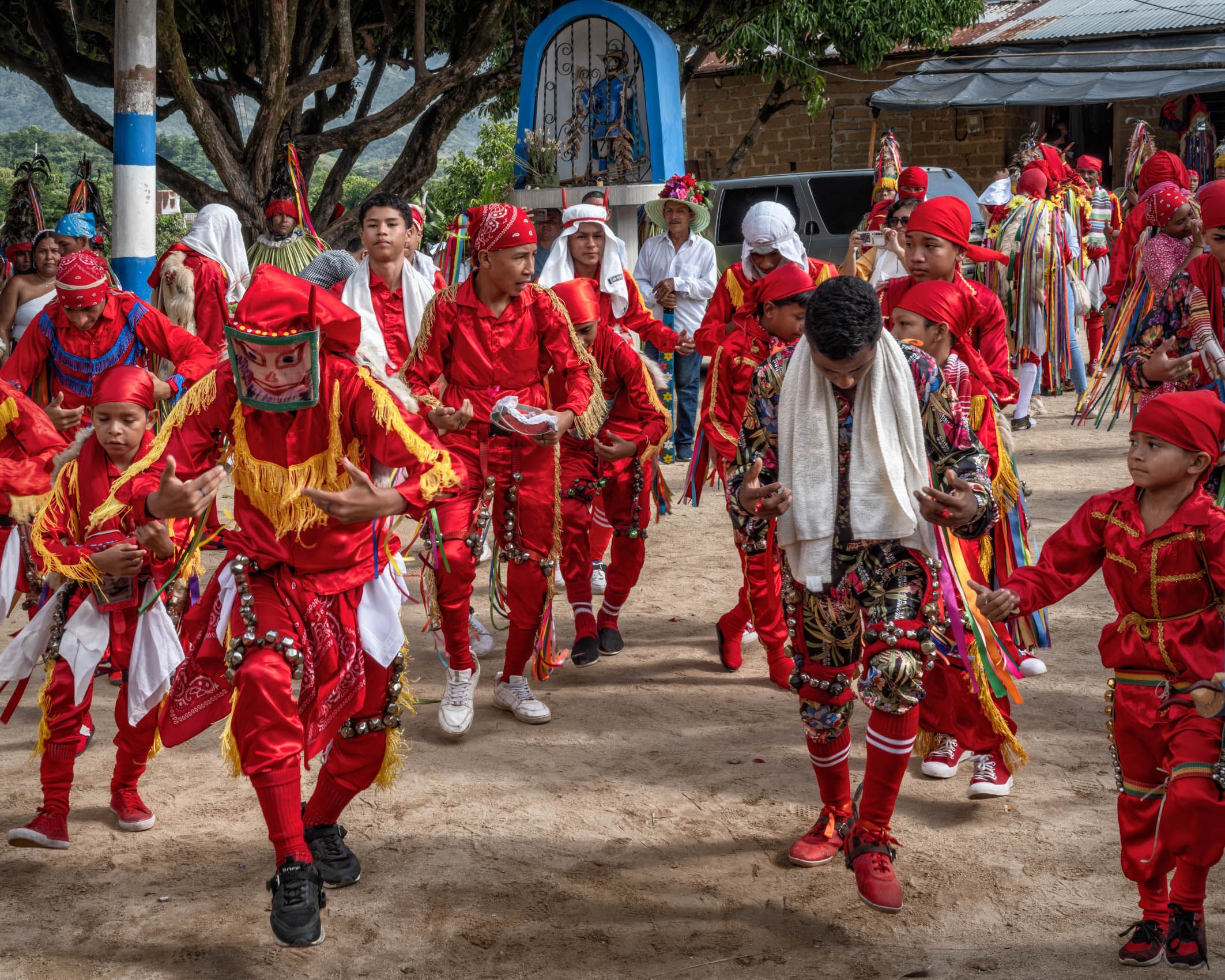
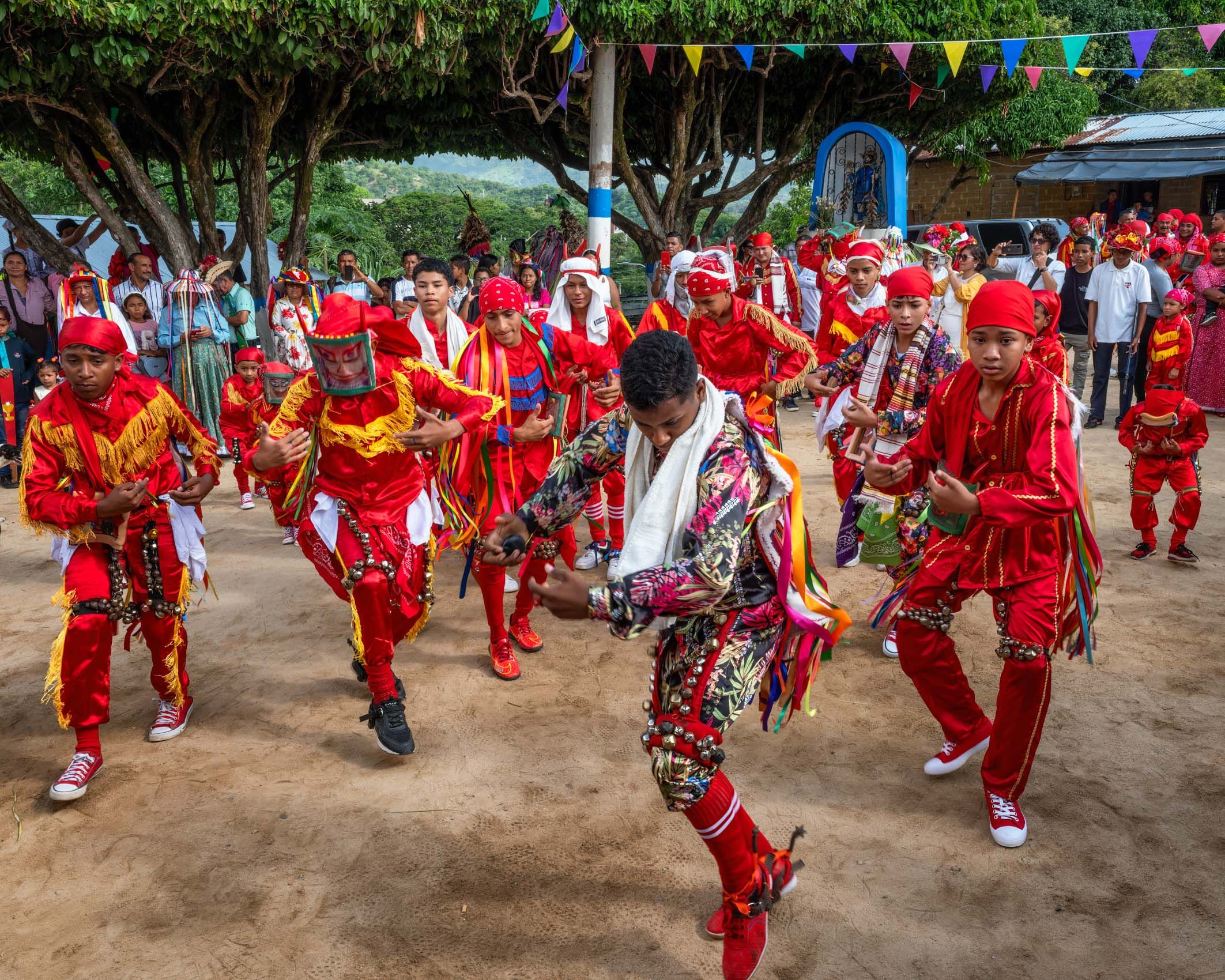
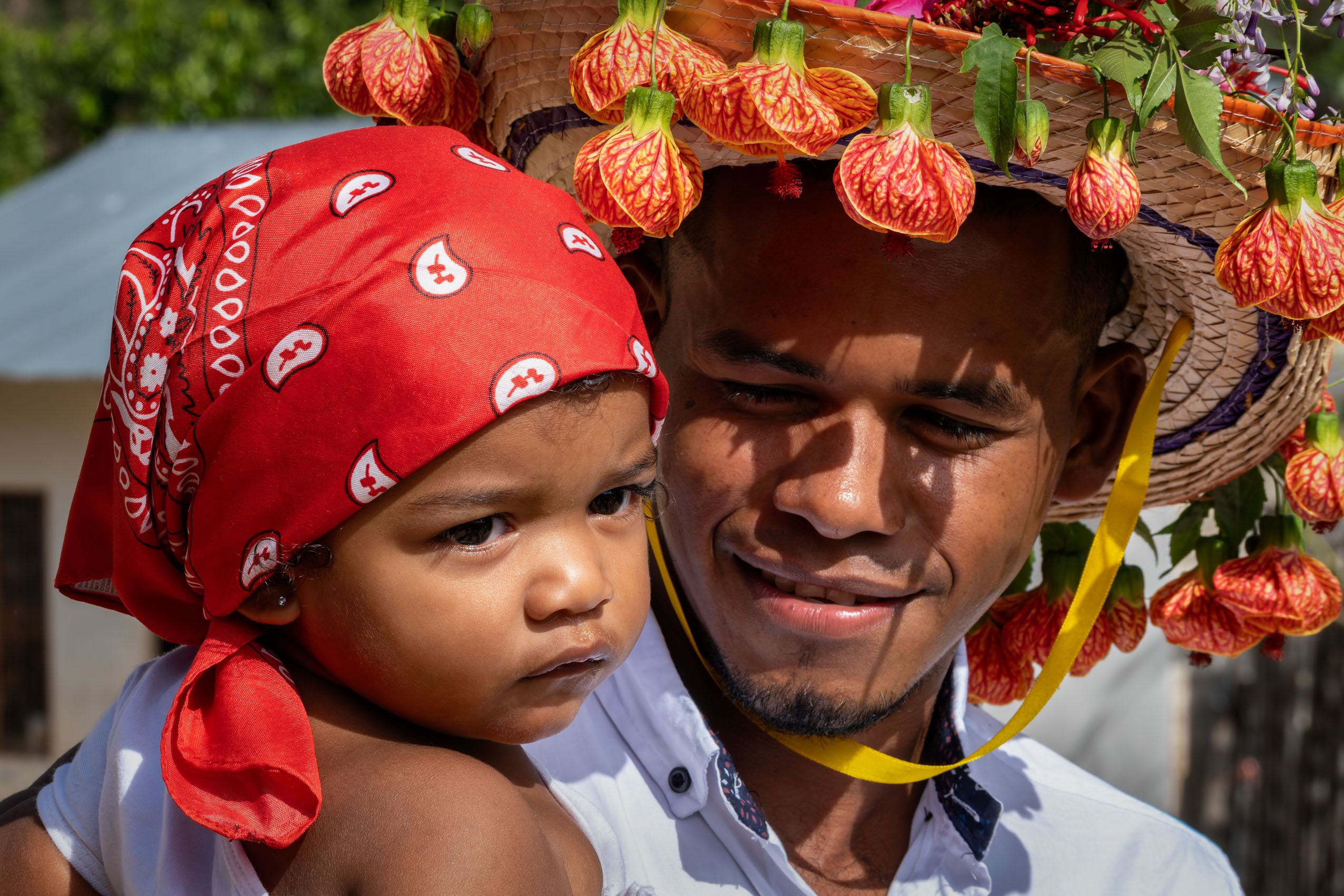
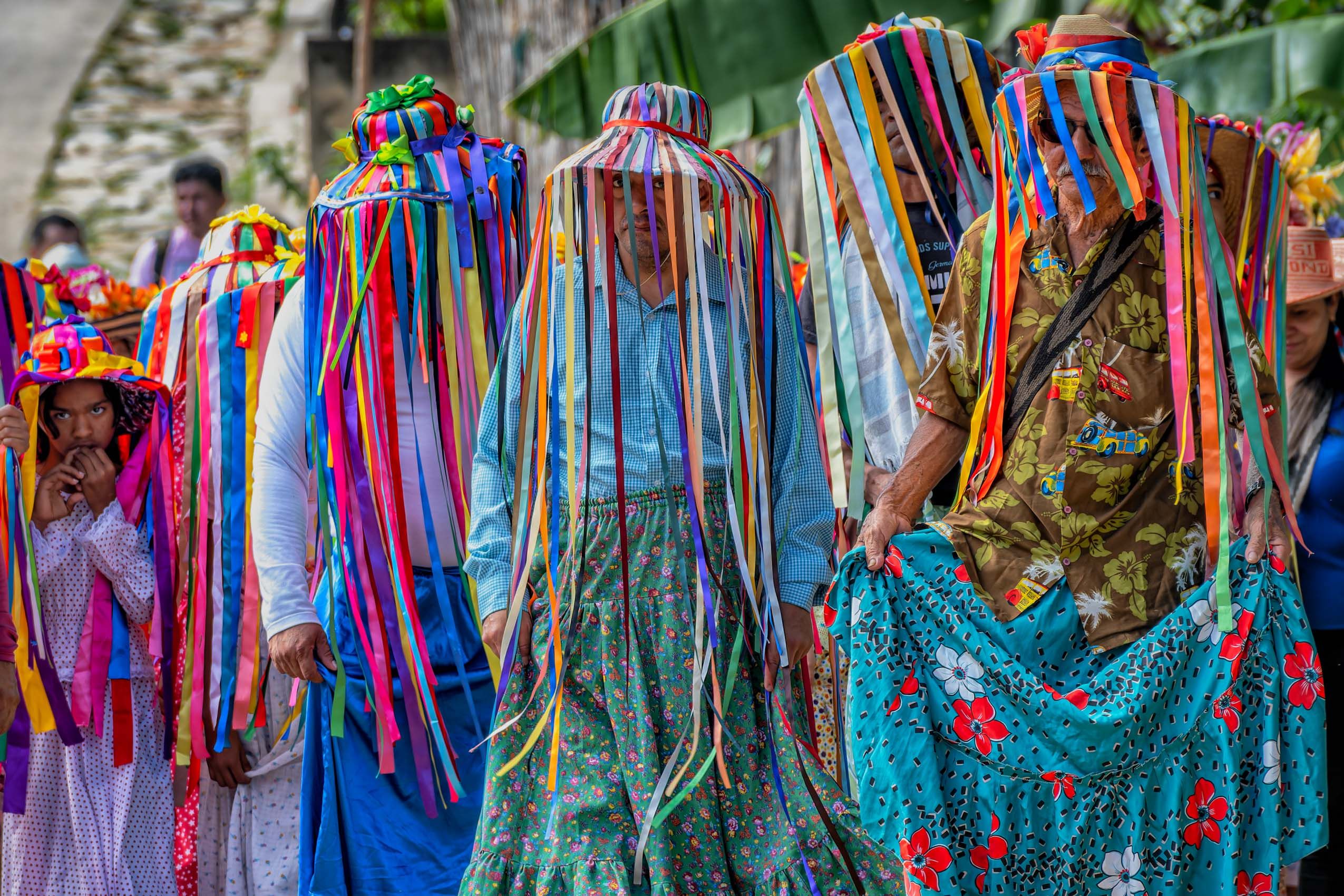
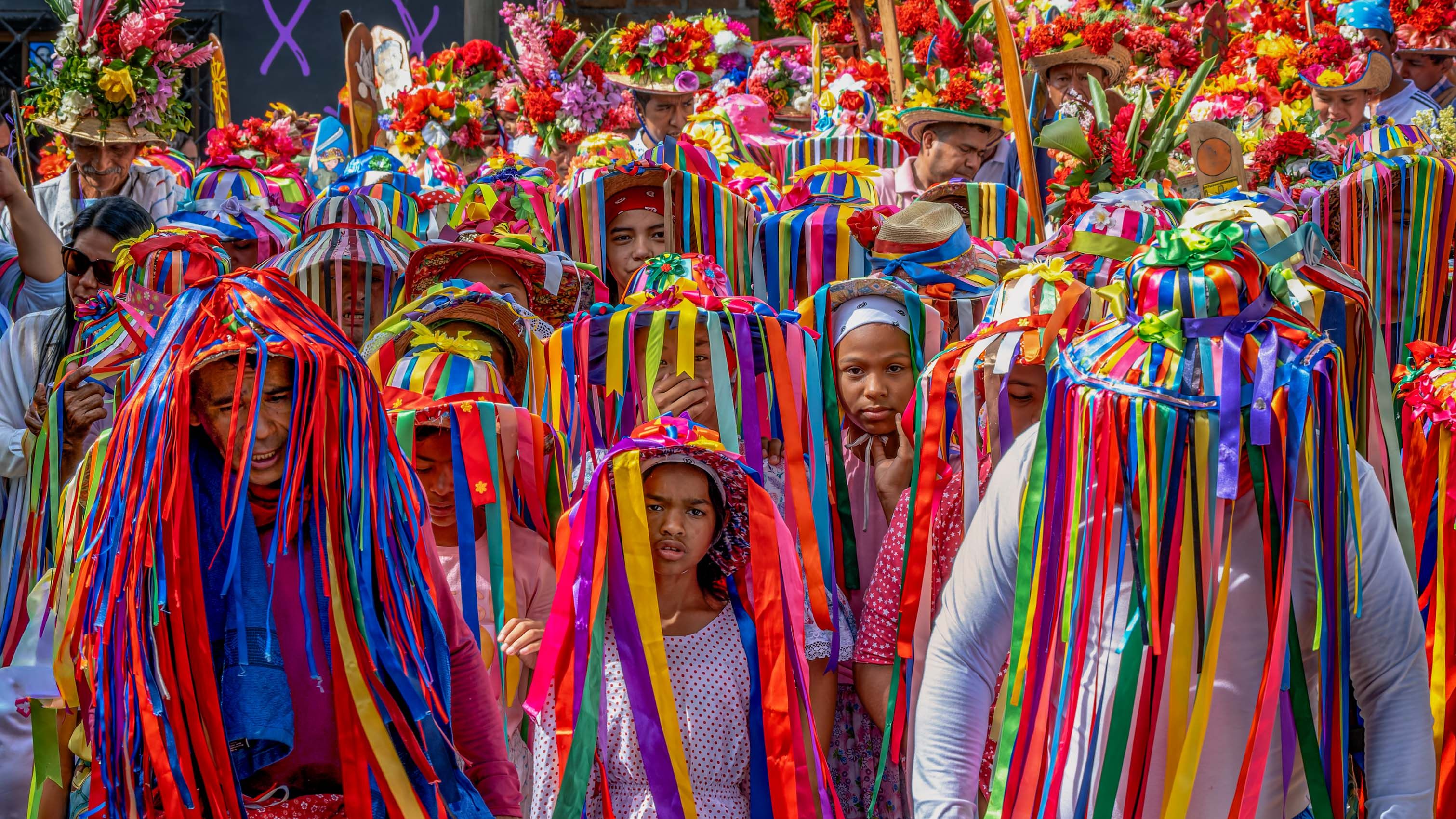
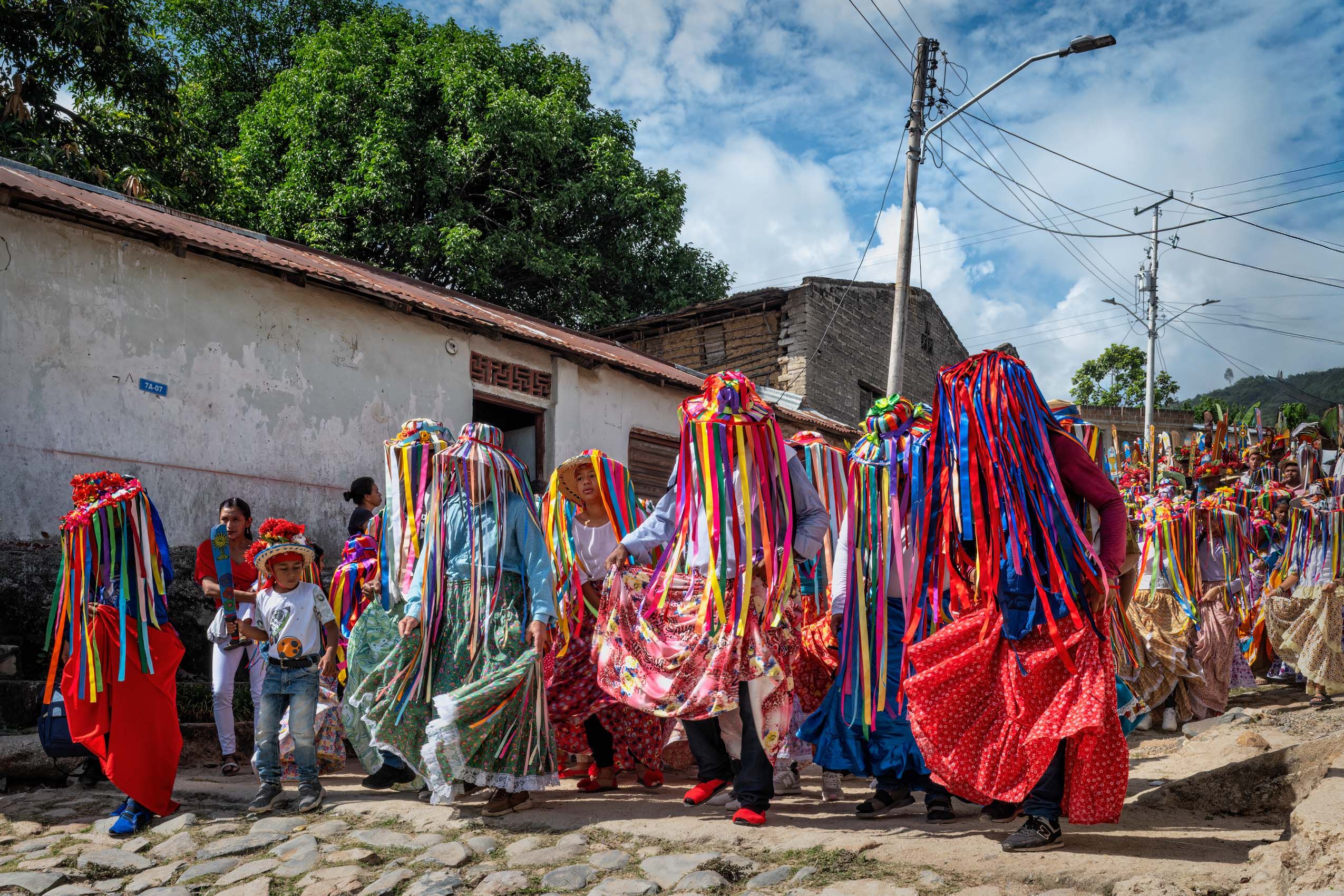
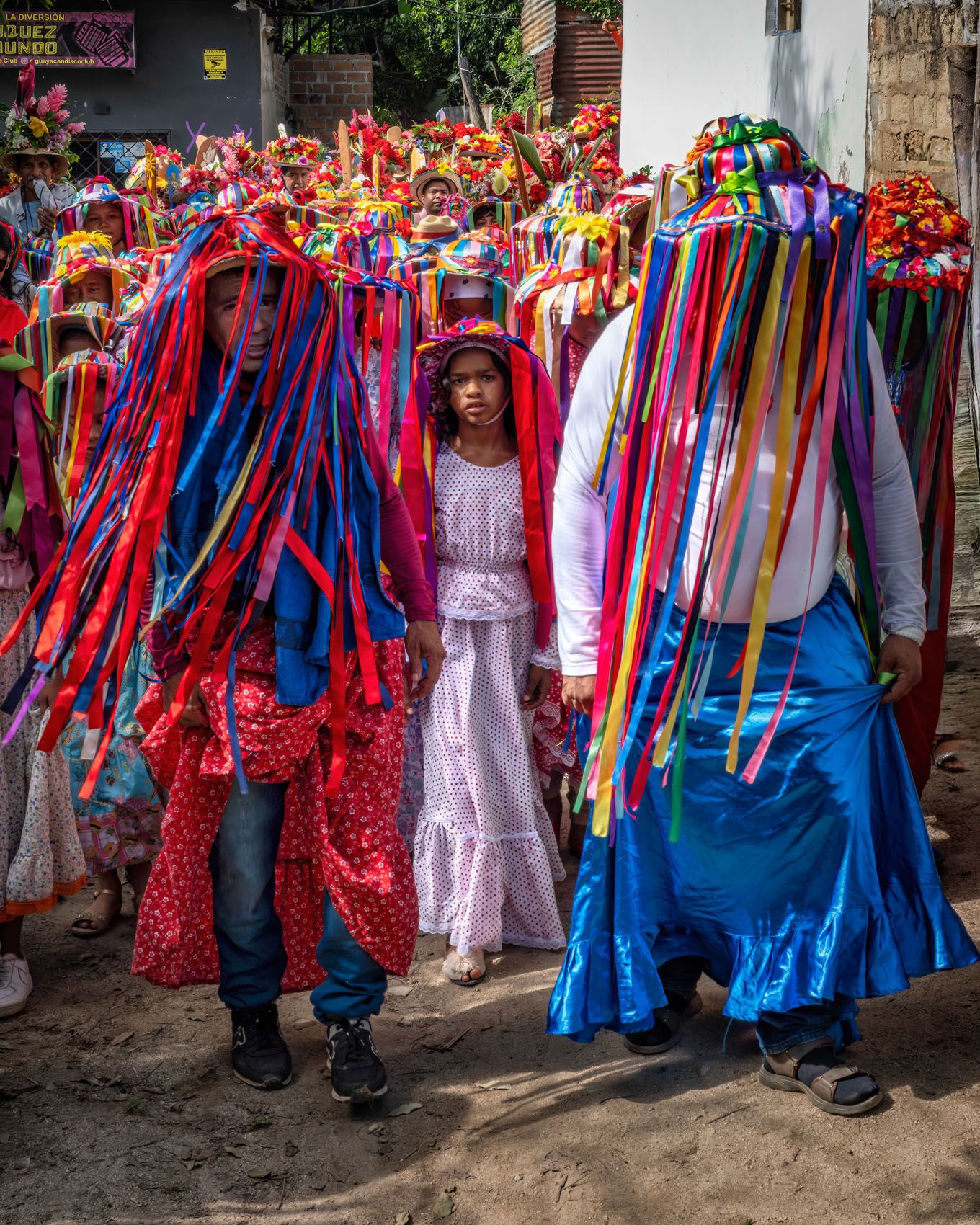
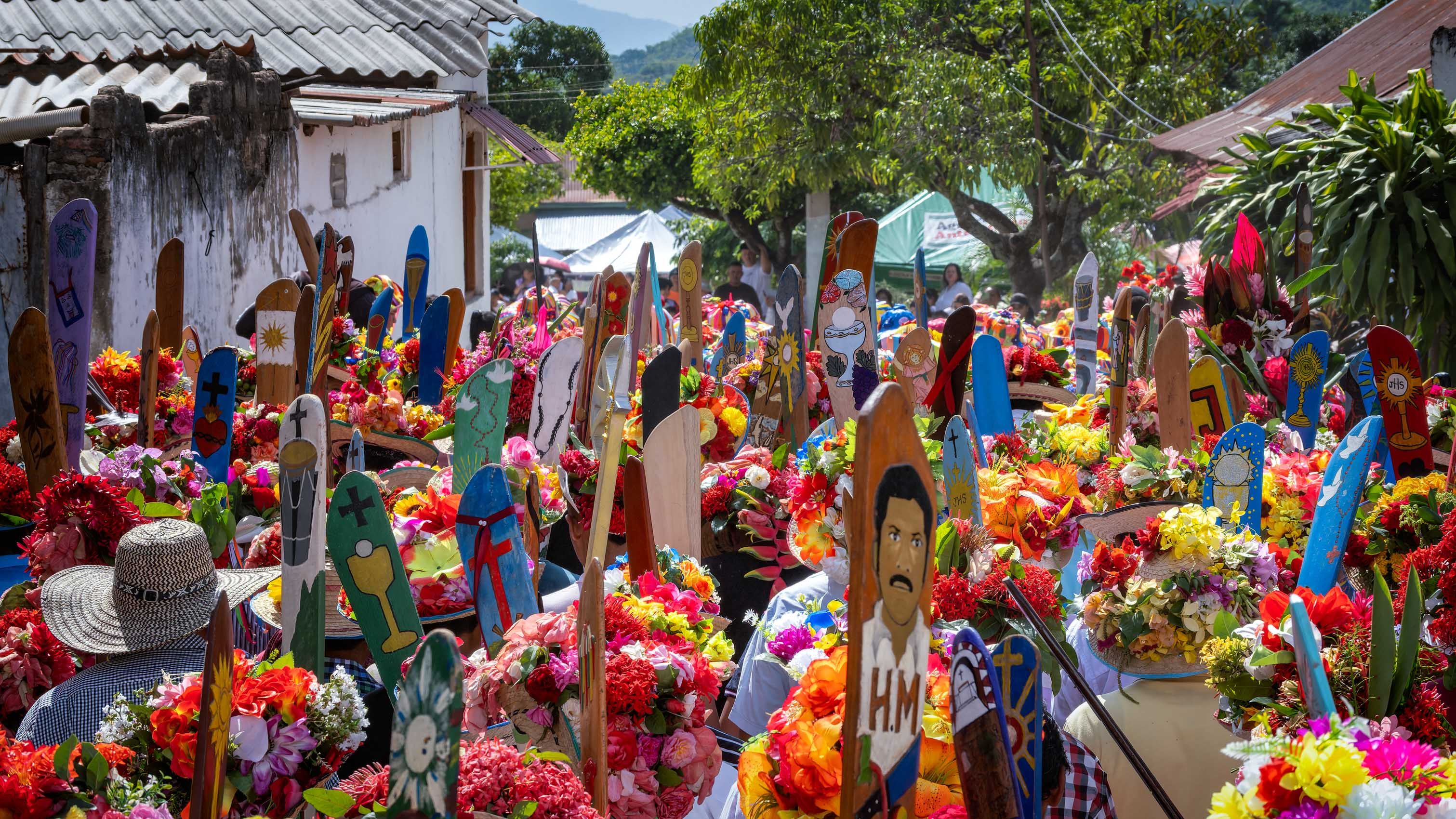
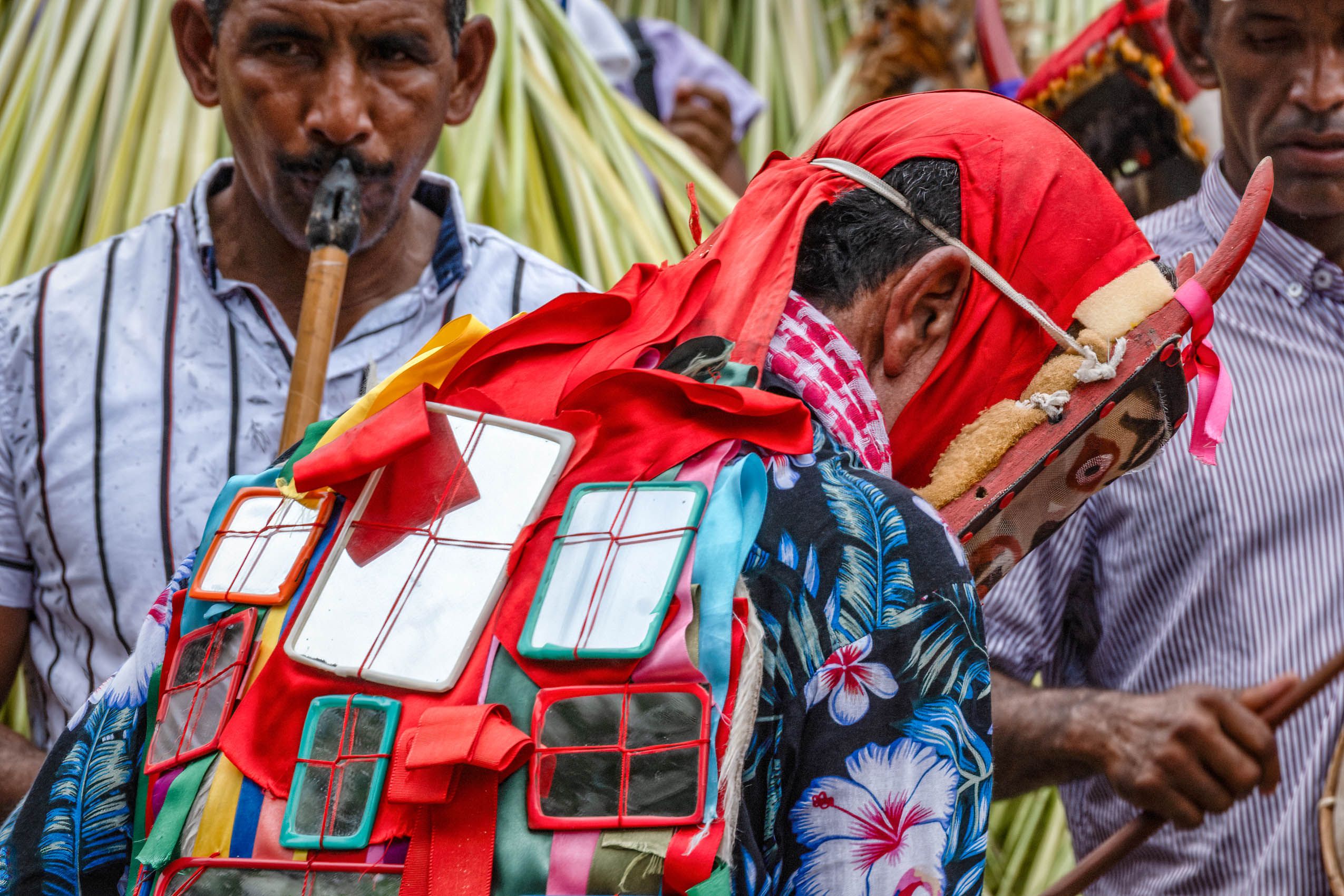
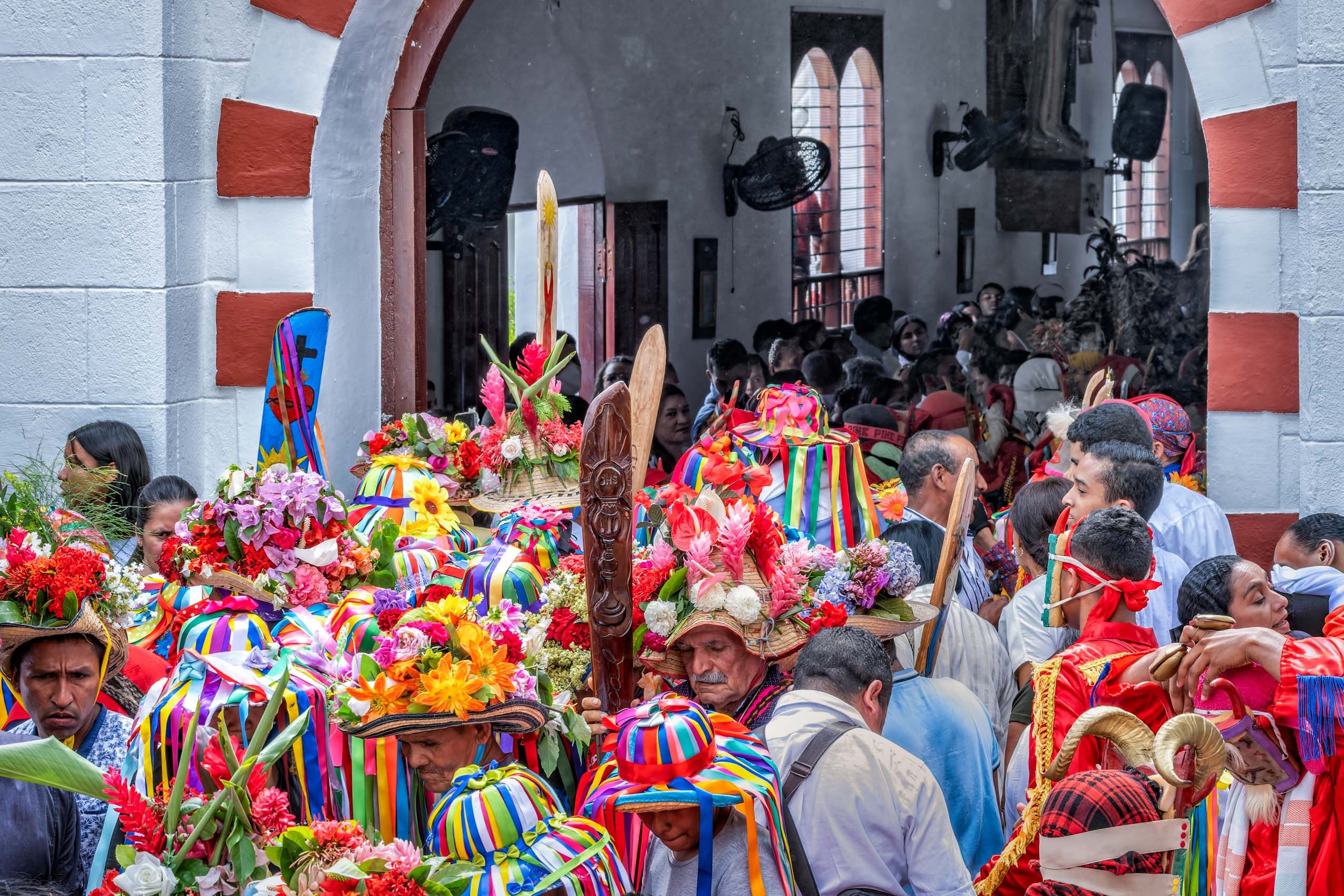
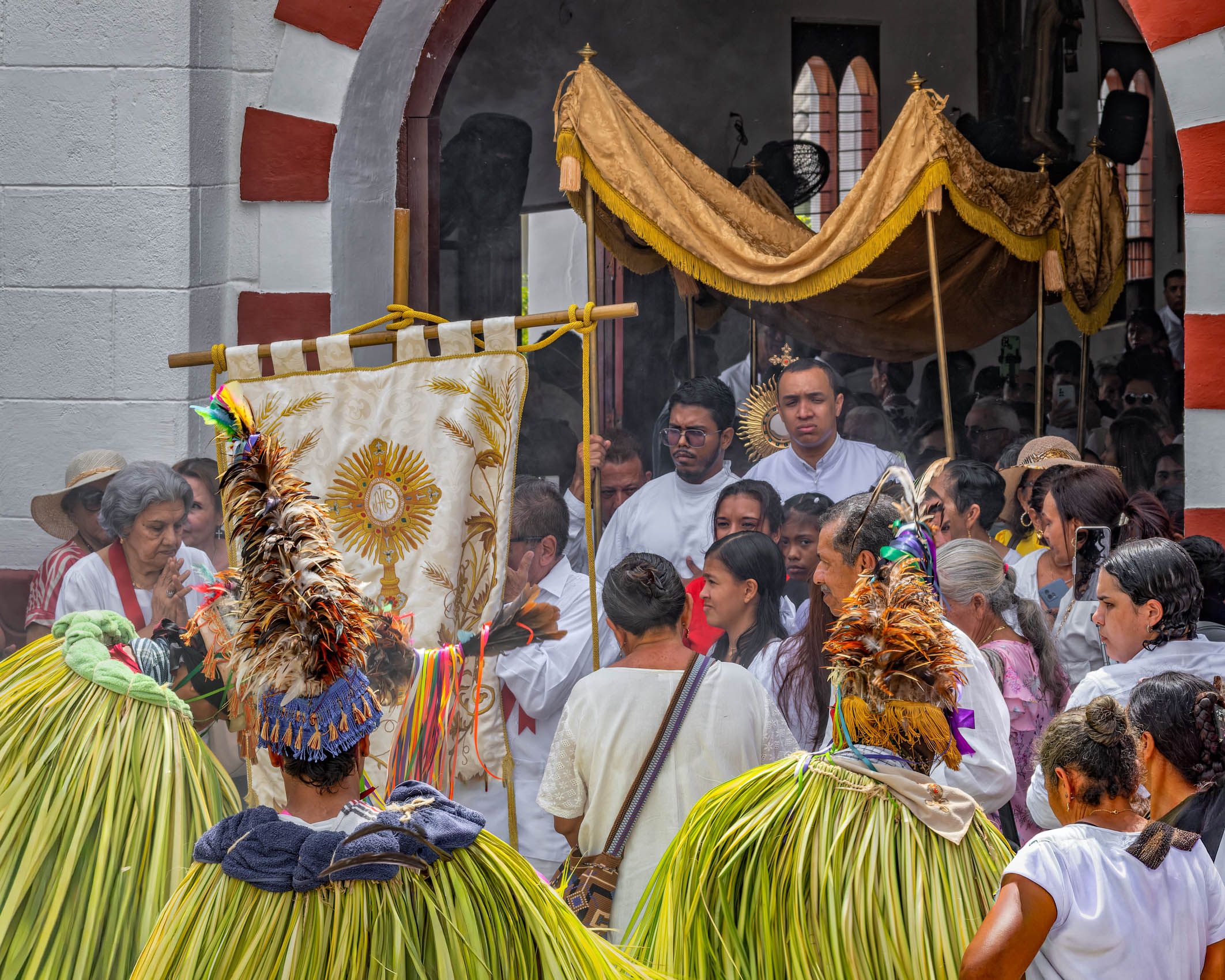
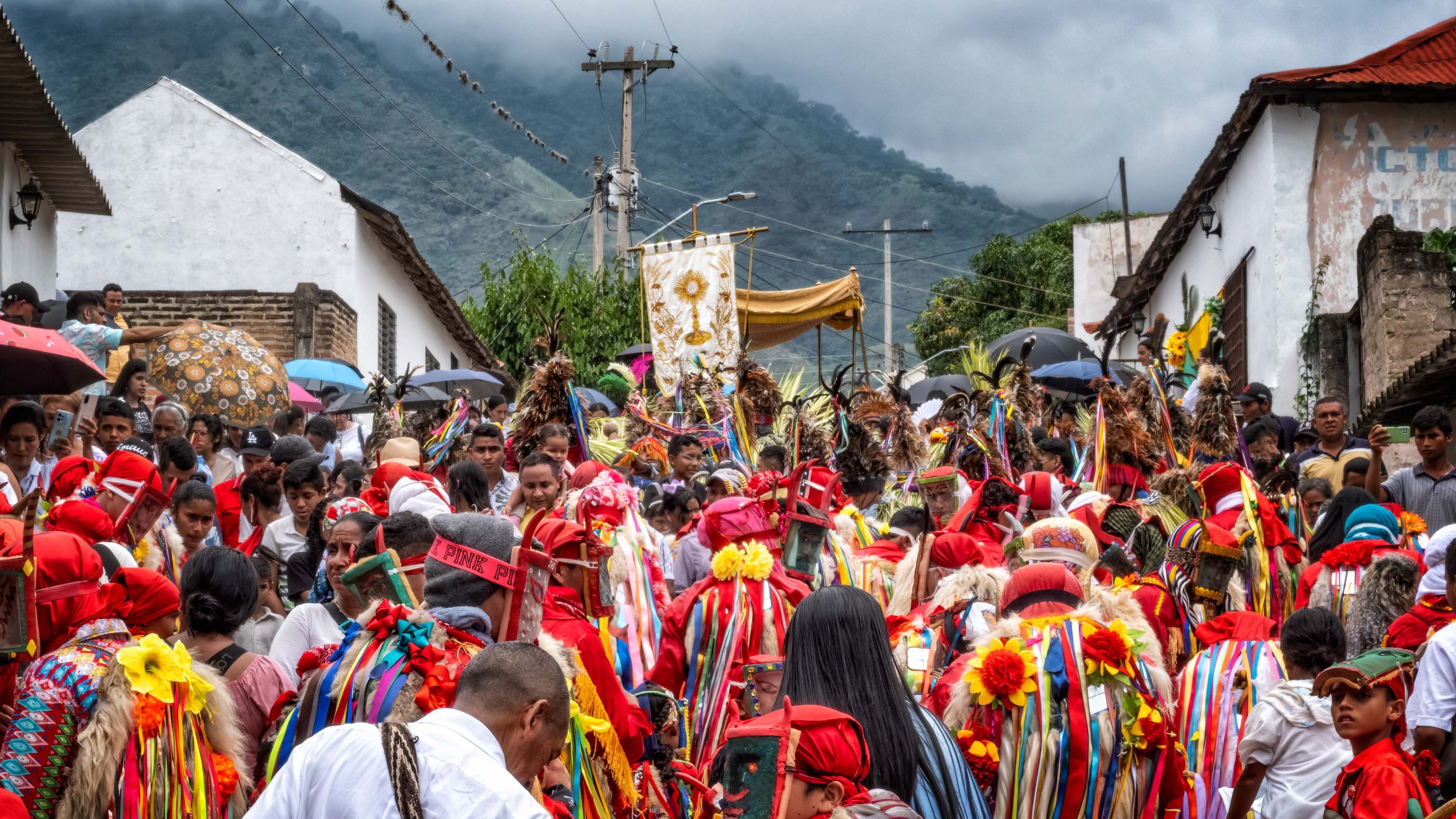
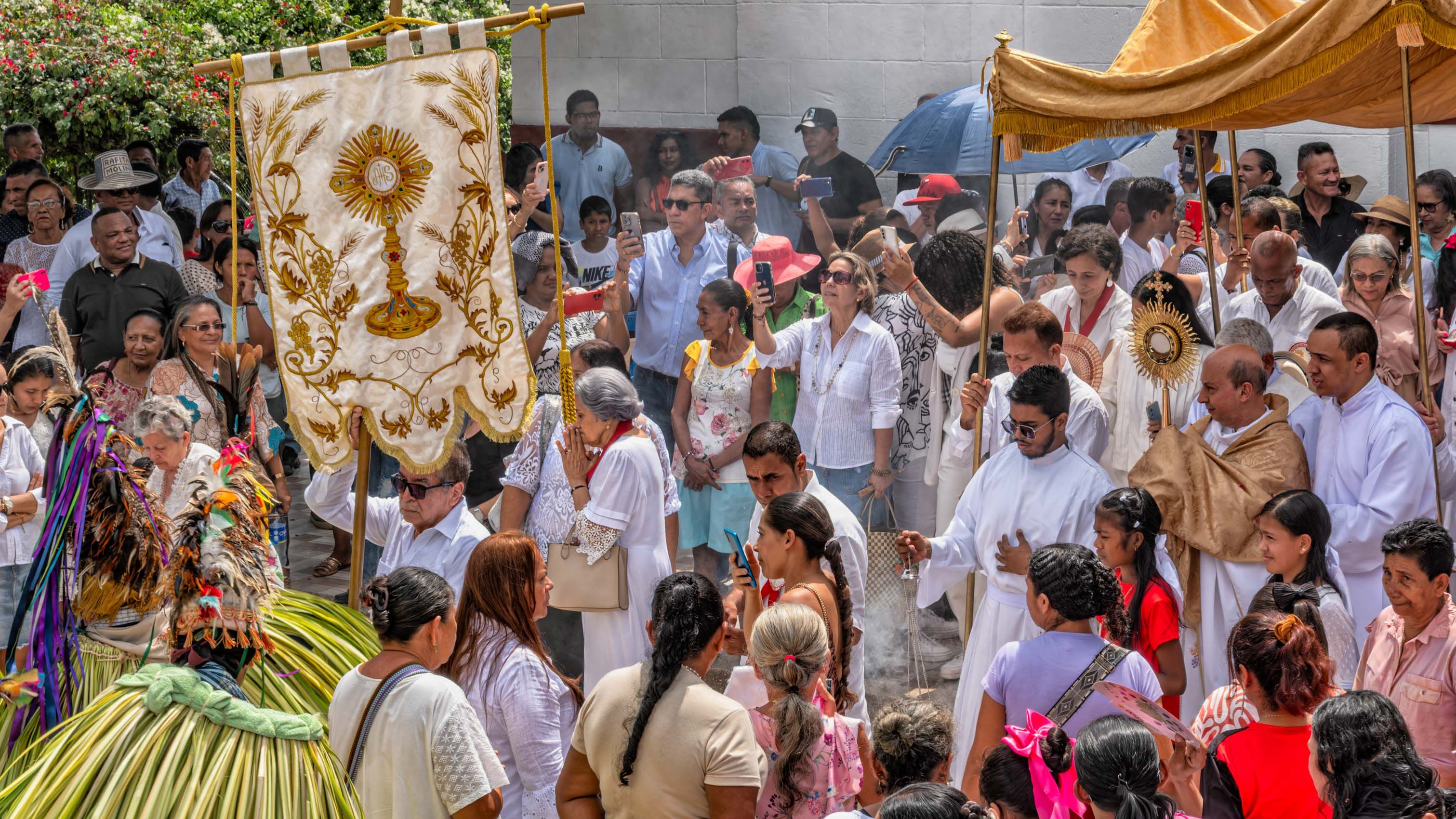
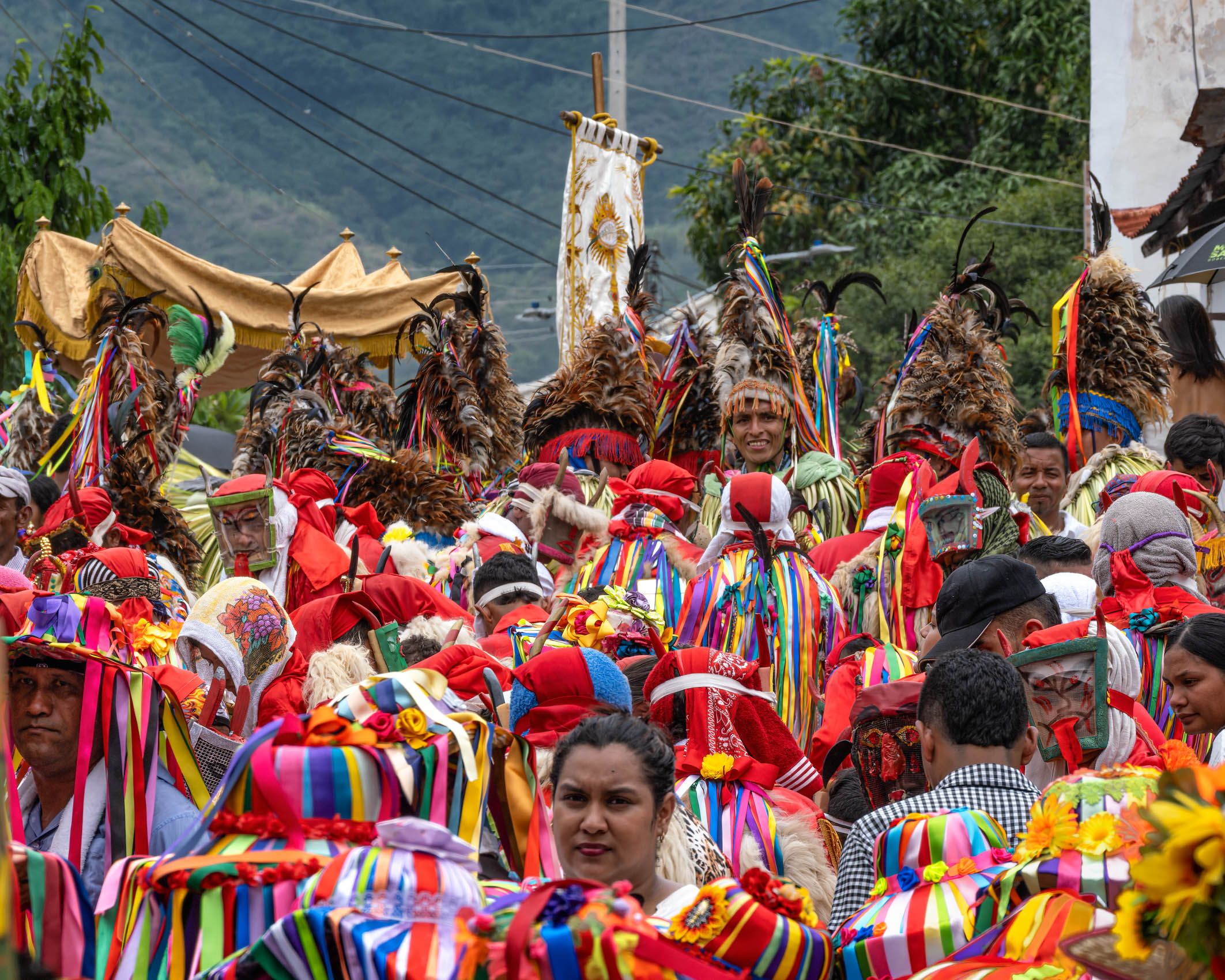
The Feast of Corpus Christ is one of the most distinctive celebrations in the Christian liturgical year, honoring the real presence of Christ in the Eucharist. Instituted in the 13th century, the feast emerged from a period of growing theological reflection on the sacrament and a popular devotional movement that sought to give public expression to the mystery at the heart of Christian worship. Corpus Christi is unique in that it is not tied directly to a specific event in the life of Christ but instead celebrates a central theological doctrine: that Christ is truly present in the consecrated bread and wine. While Holy Thursday commemorates the institution of the Eucharist within the solemn context of the Passion, Corpus Christi provides an opportunity for joyful and public veneration. This shift from reflective liturgy to exuberant procession is key to the feast’s character. The most characteristic feature of the feast is the Corpus Christi procession, in which the consecrated host, carried in a monstrance, is accompanied through the streets by clergy, religious, and laypeople. These processions—often featuring music, altars along the route, floral carpets, and traditional dress—allow the Eucharist to be carried symbolically into the world, reinforcing its central role in Christian life. In many regions of Europe and Latin America, such processions developed into elaborate cultural and artistic traditions, blending liturgical devotion with civic celebration. I document here two celebrations of Corpus Christi that I experienced in Colombia: One in the multi-ethnic town of Santa Cruz de Mompox, quite similar in form and tone to those regularly performed in the Catholic cultures of southern Europe; the other, in the indigenous highland village of Atánquez, a radically hybrid variant.
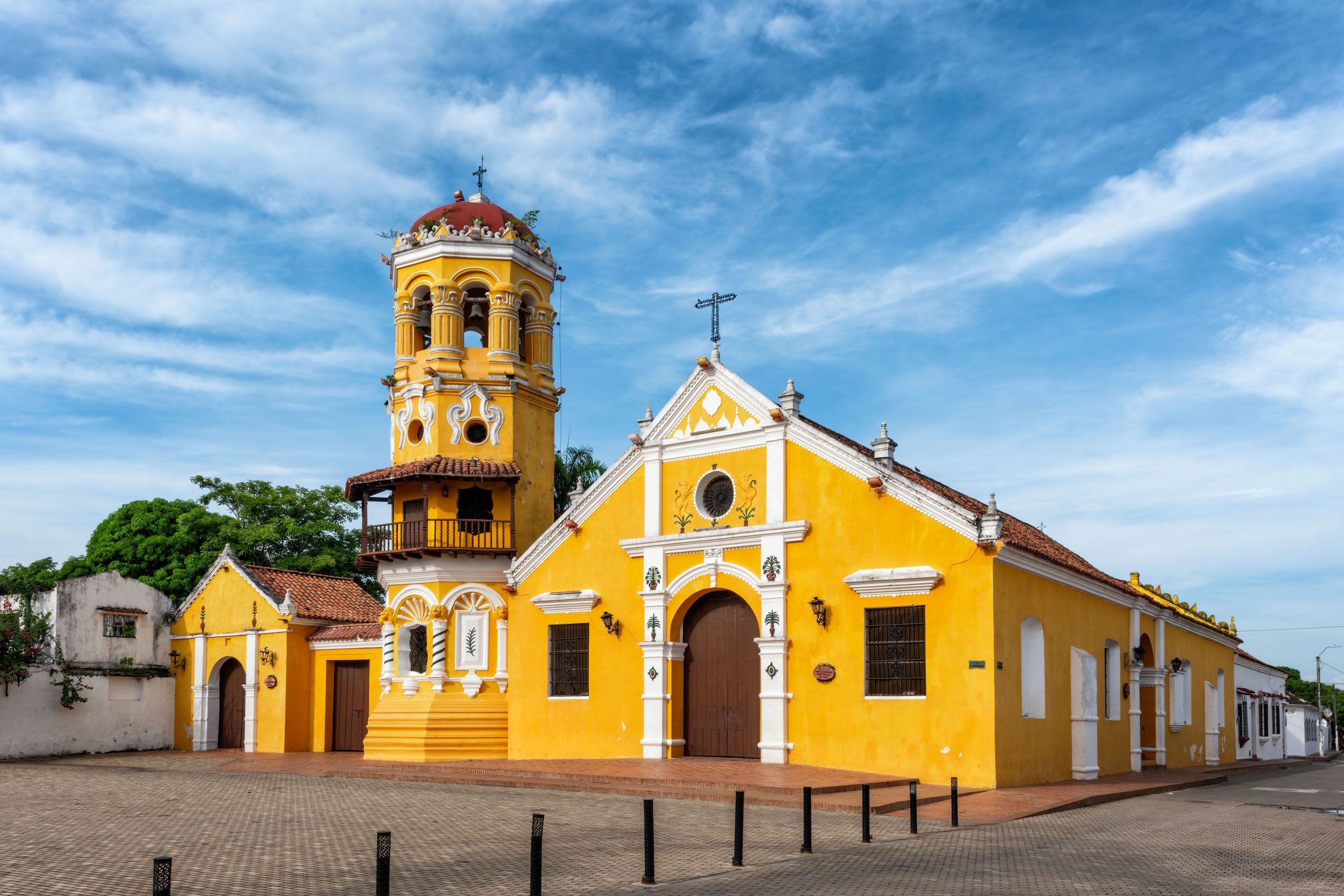
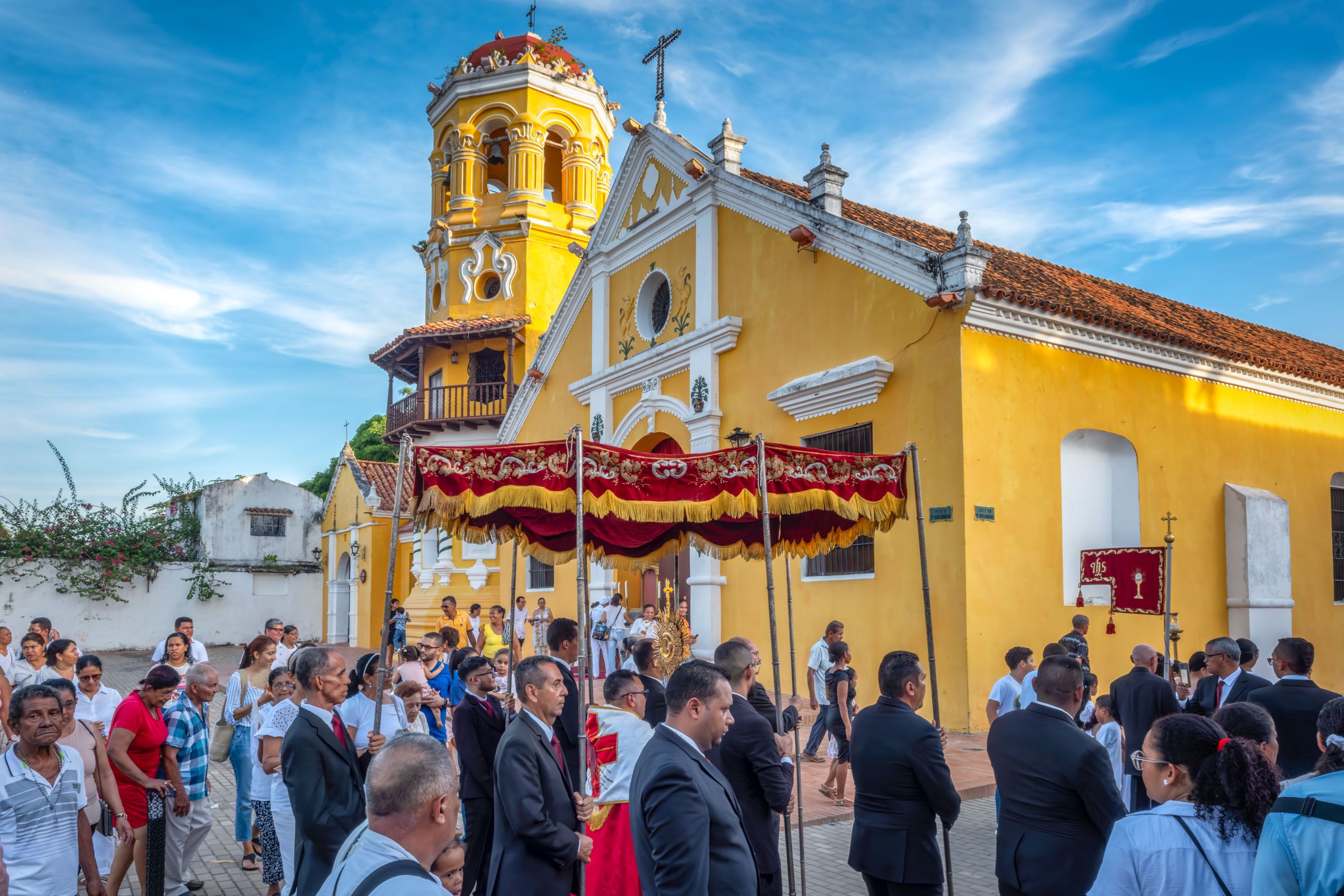
Nestled on an island in the interlacing channels of the Magdalena River, Mompox is one of Colombia’s most evocative colonial towns. Founded in 1537, it grew as a river port linking the Caribbean coast with the Andean interior, its prosperity tied to the slow but constant movement of goods, people, and ideas along the waterway. Although its political and commercial prominence waned after new routes bypassed the river in the nineteenth century, Mompox endures as a well-preserved and evocative monument to the layered histories that shaped the Caribbean lowlands. Now a UNESCO World Heritage site, the town’s architectural ensemble is one of its defining features. Long arcaded streets, sun-washed facades, thick-walled churches, and vast courtyards reflect the wealth that river trade once generated. The Church of Santa Bárbara—with its elegantly carved wooden belfry and distinctive octagonal tower—is among the most celebrated examples of colonial architecture in the region. The route of the Corpus Christi procession follows the promenade along the river and ends at the Church of Santa Bárbara, images of which open and close the Mompox section of the portfolio.
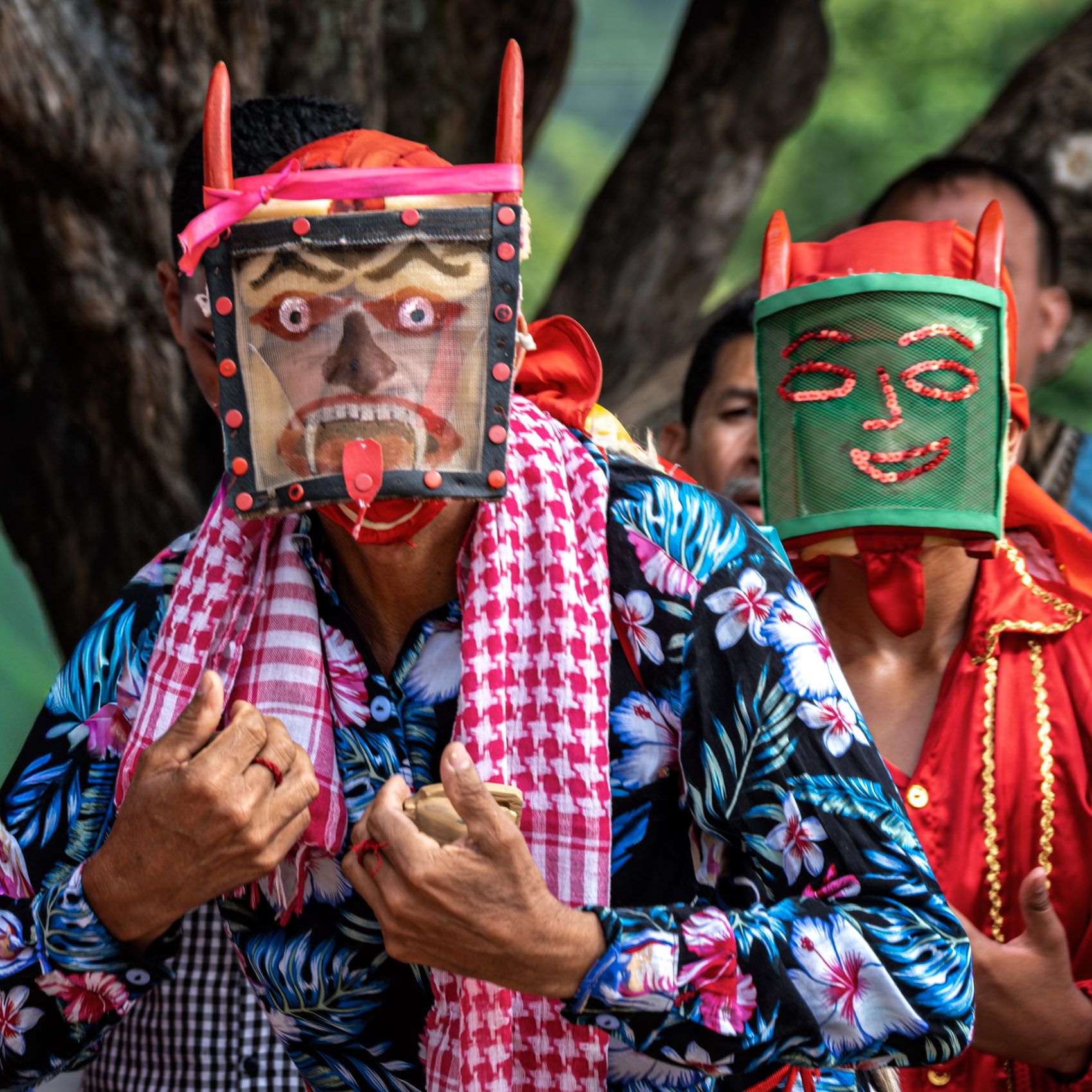
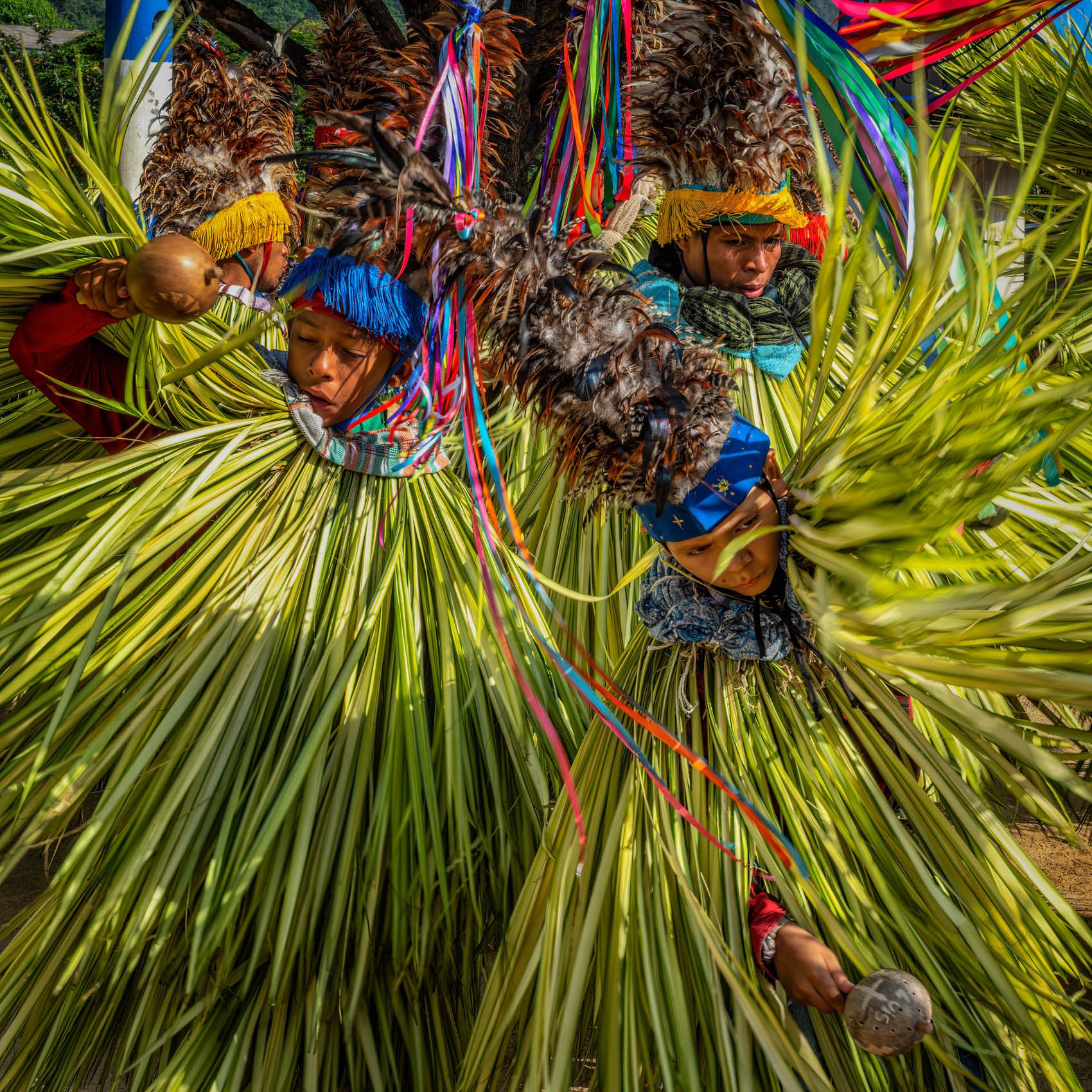
Located high in the Sierra Nevada de Santa Marta, Atánquez stages one of Colombia’s most striking examples of religious syncretism: a Corpus Christi celebration in which Roman Catholic forms (Mass, Eucharistic procession, altars) are fused with pre-Columbian and local Kankuamo rites, dances, and symbols. Atánquez is a predominantly Kankuamo settlement whose people maintain a living relationship to the mountain and its sacred places; the festival there folds the Catholic feast into a seasonal cycle that is also rooted in indigenous time and place. All of the essential elements of the Corpus Christi feast are present— the procession, the monstrance, the parish mass — but incorporated into a collective performance that is profoundly indigenous and local in style and resonance. Costumed dancers, masks, and characters such as the red devils and bird-like figures covered with leaves and feathers perform boisterous dances that enact stories about the community’s relationship to nature, the ancestors, and the cosmos. What makes Corpus Christi as enacted and experienced in Atanques so radically different from its realization in Mompox is the pervasiveness and intensity of its appropriation as an occasion to preserve and assert the endurance and vitality of indigenous cultural traditions and spiritual beliefs.traditions.