
KENYA: The Great Migration at Maasai Mara
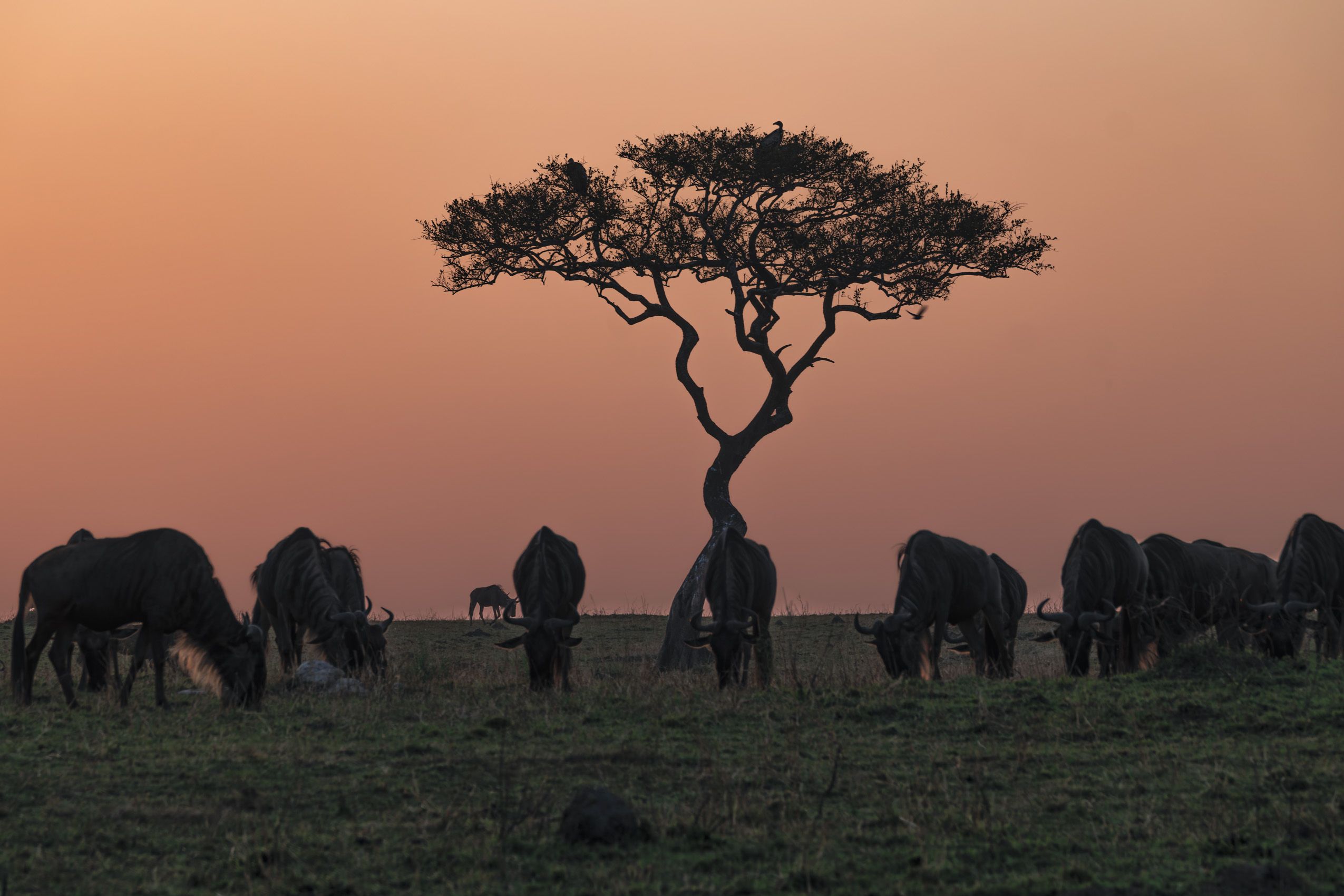
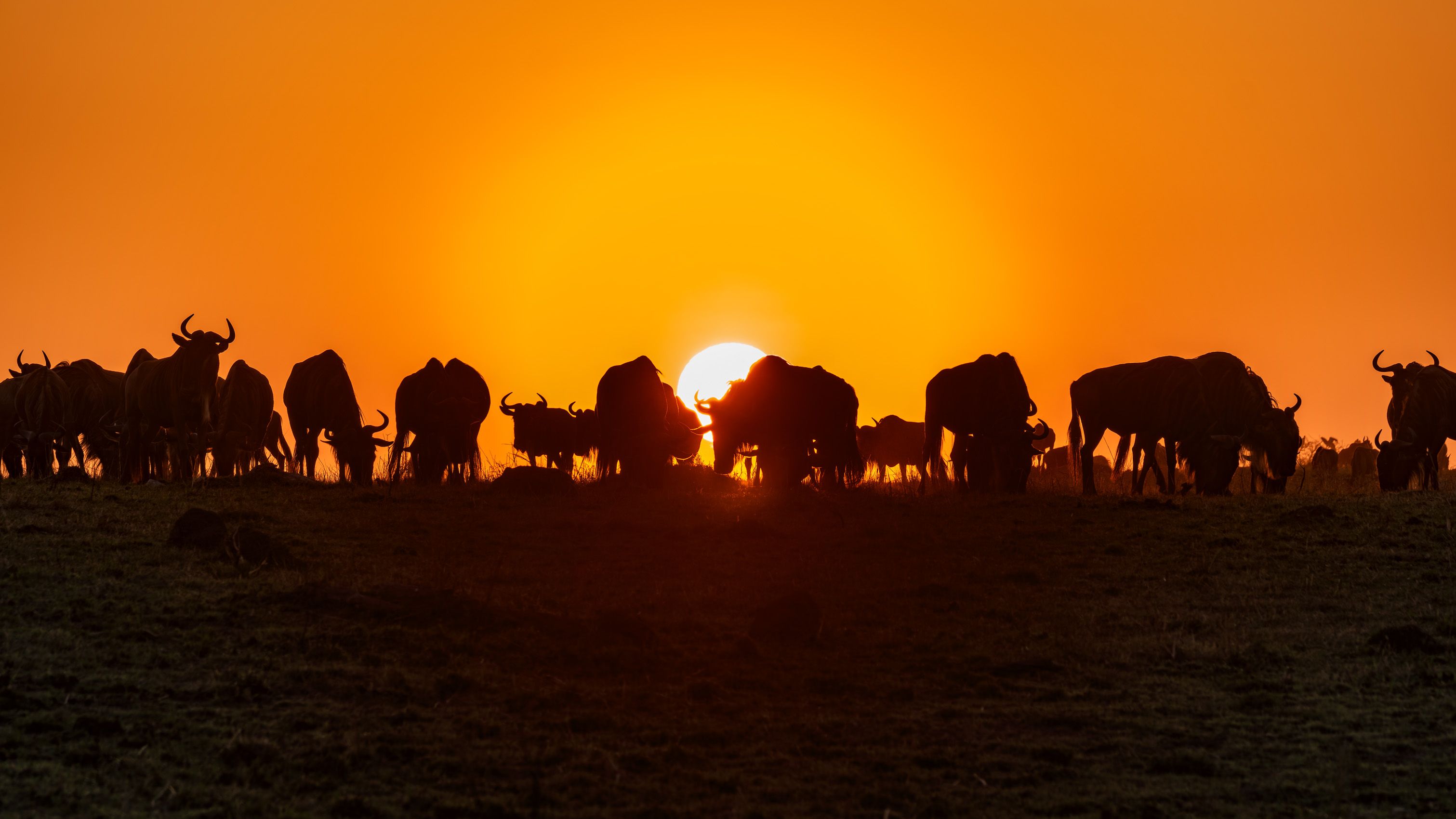
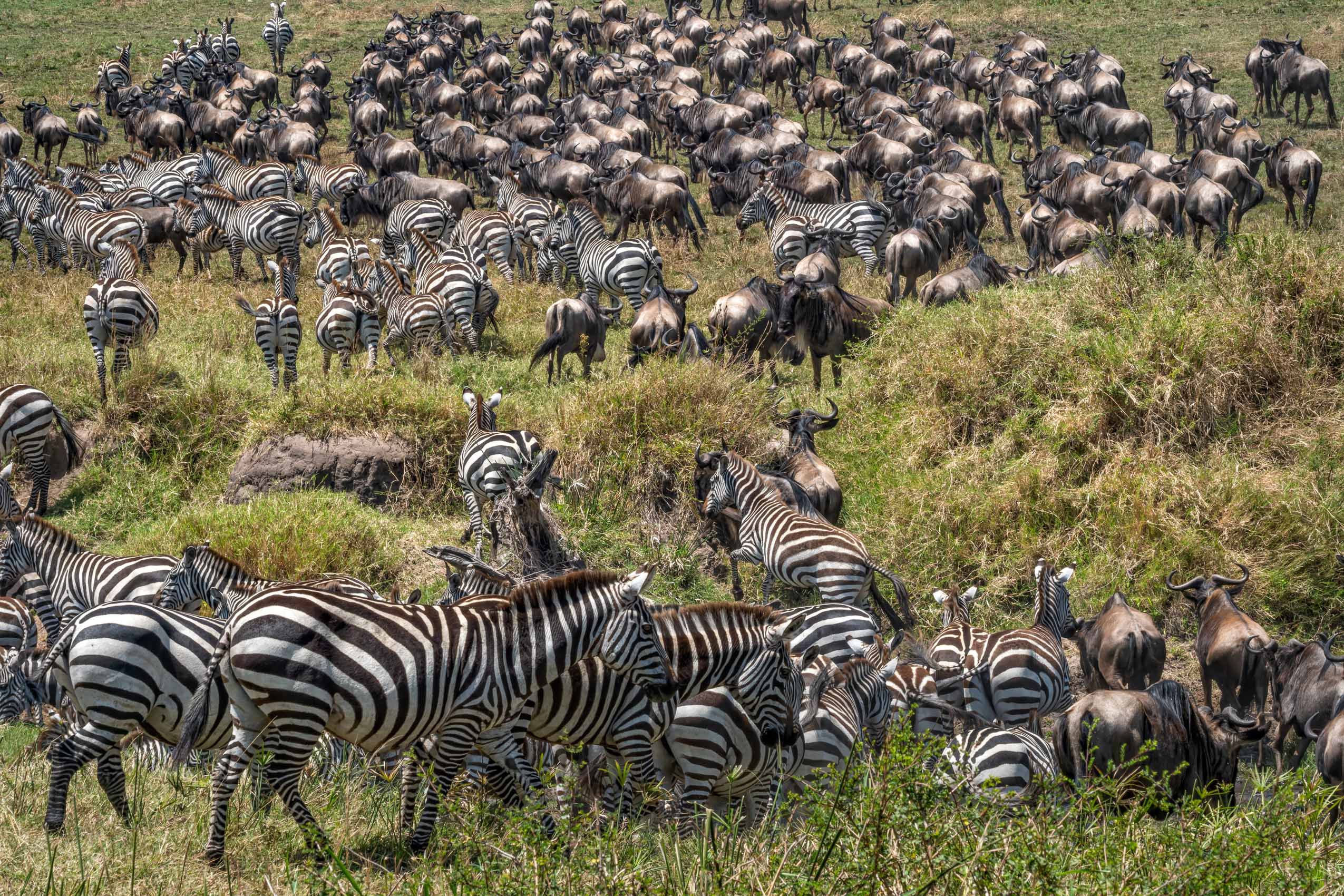
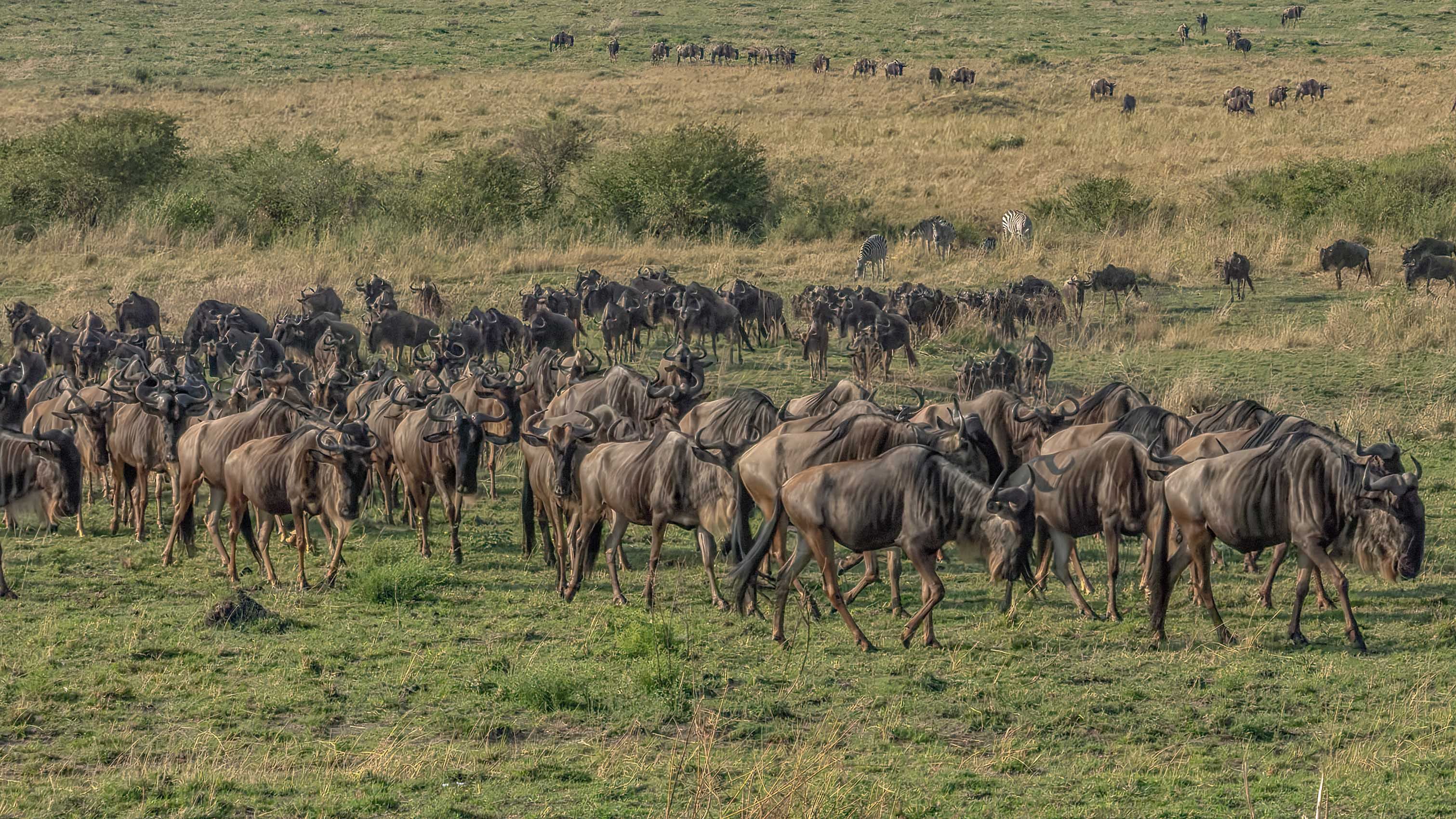
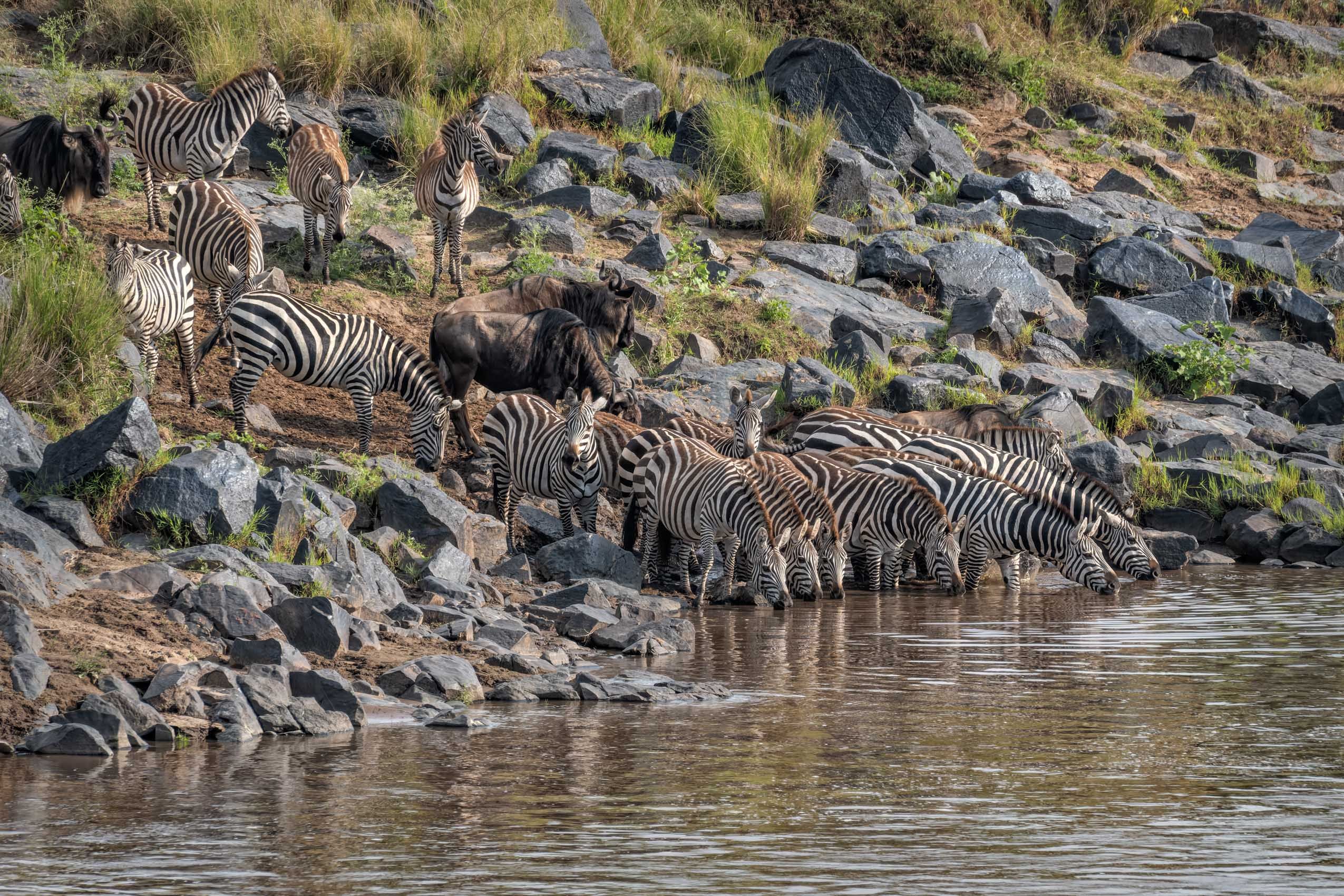
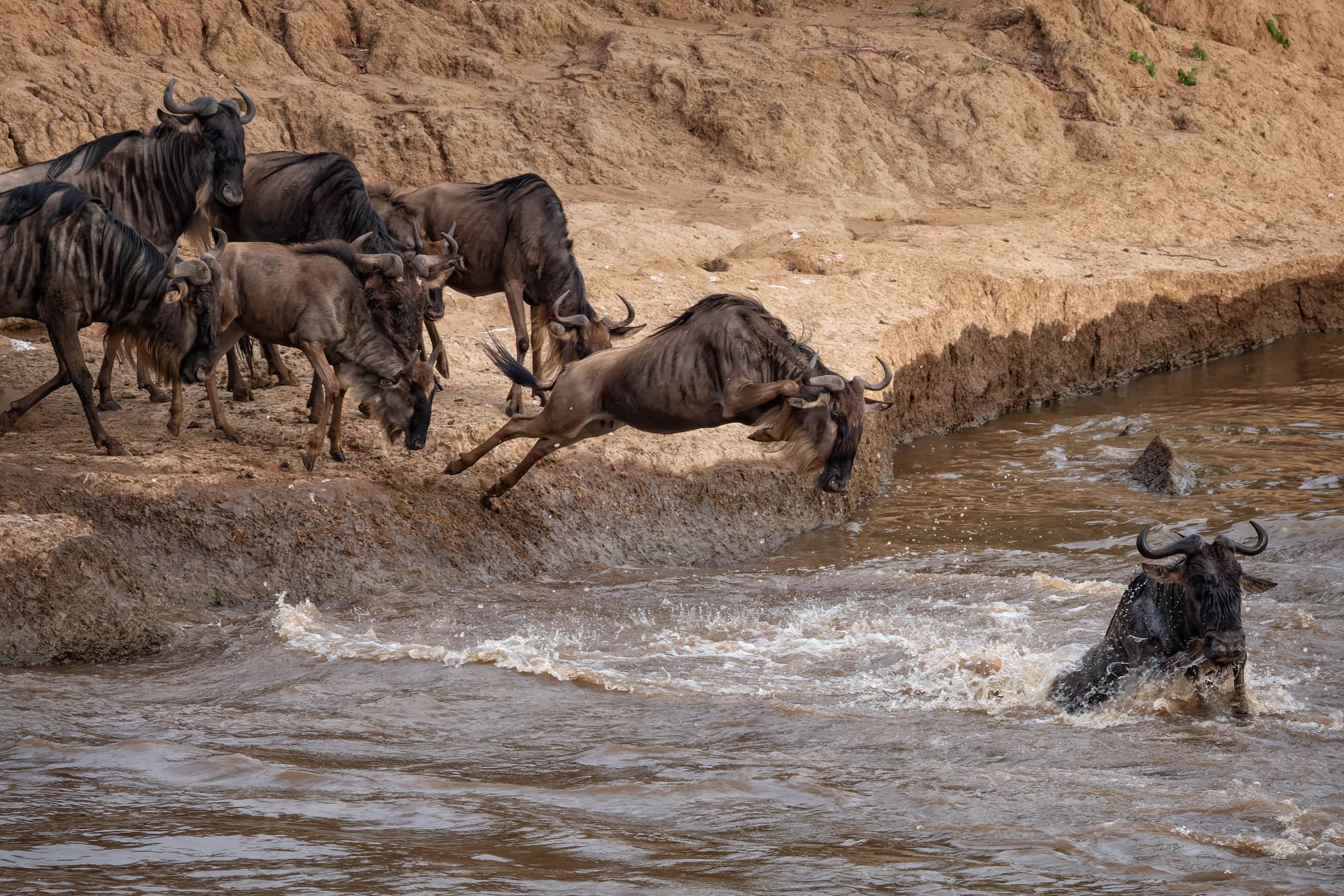
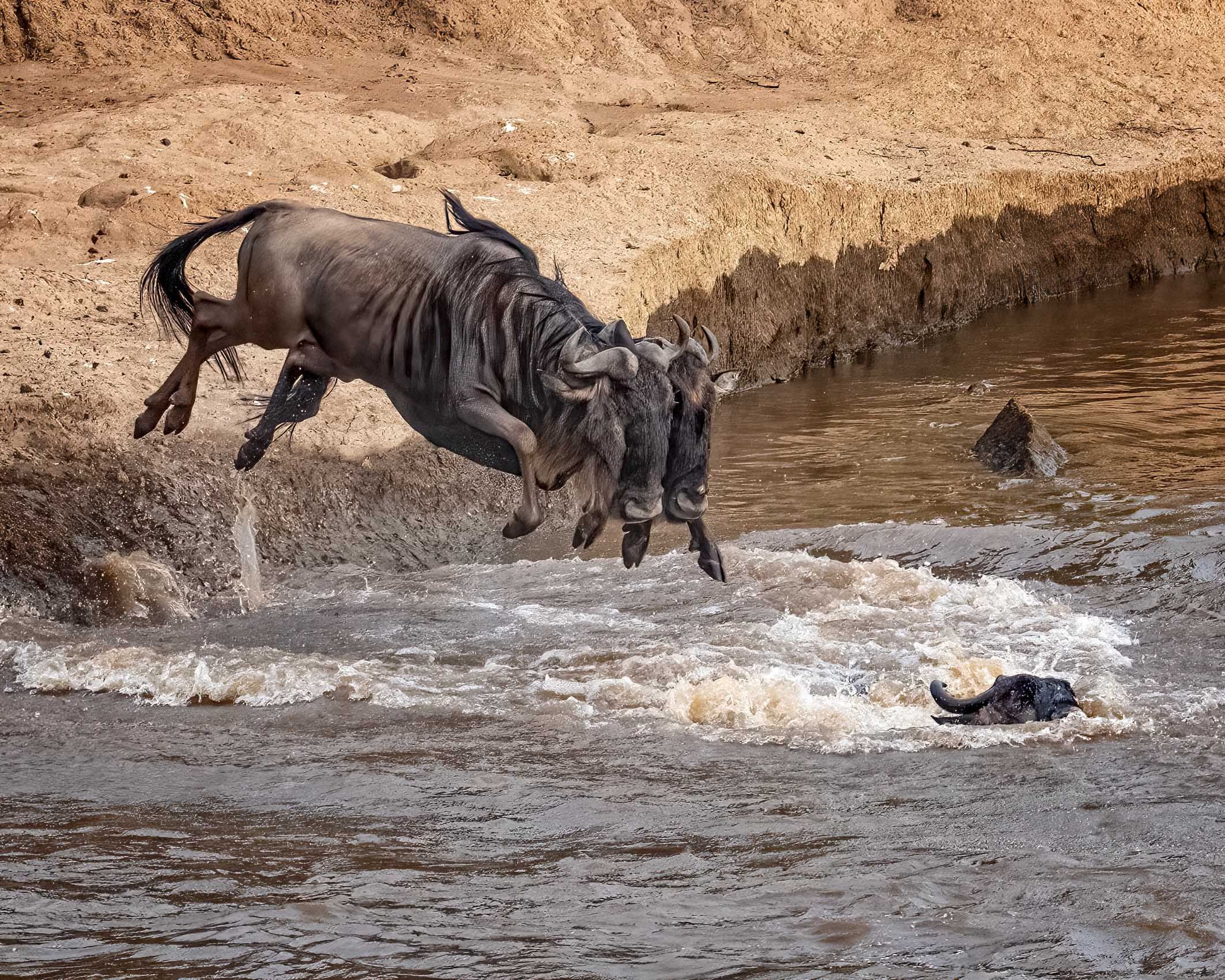
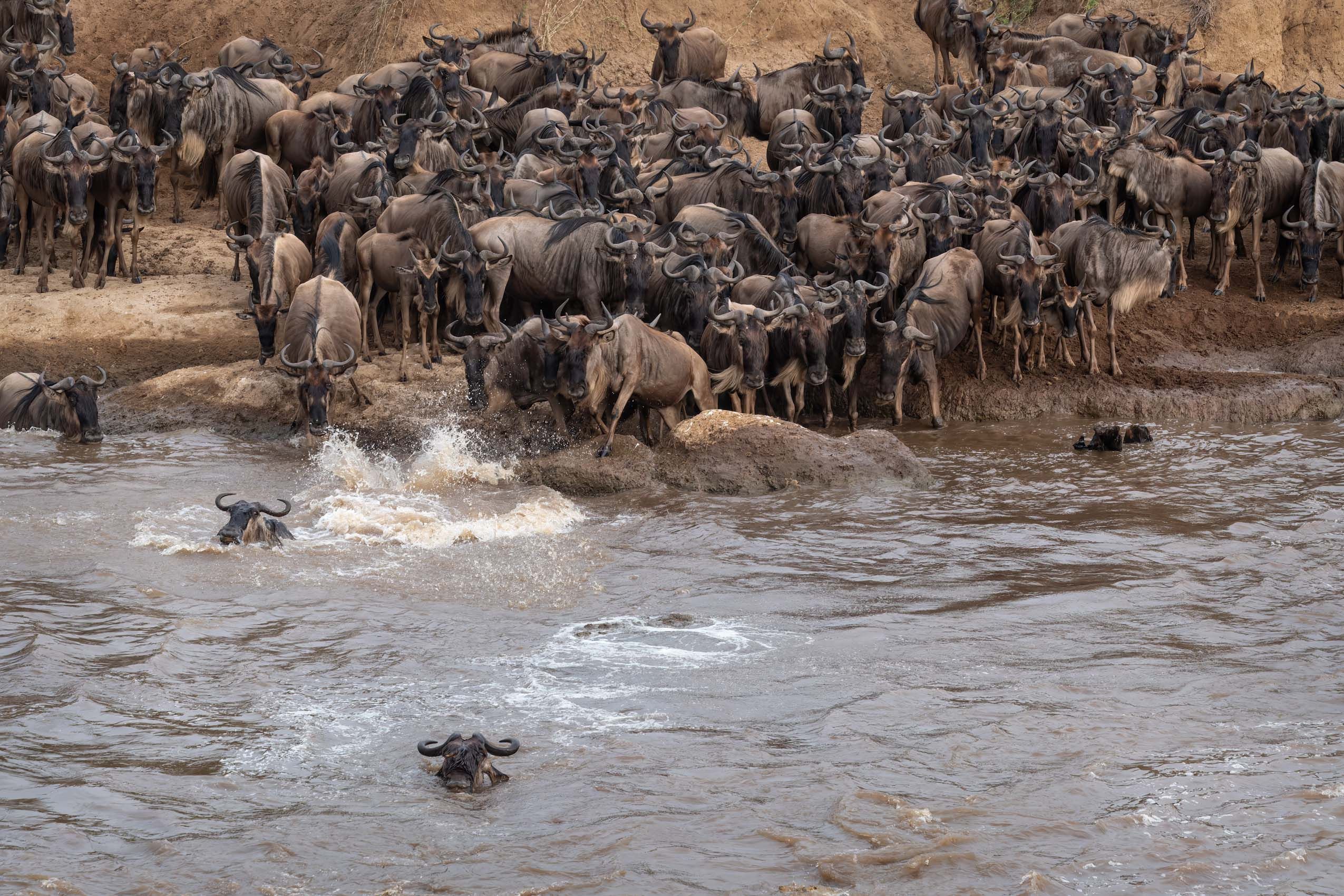
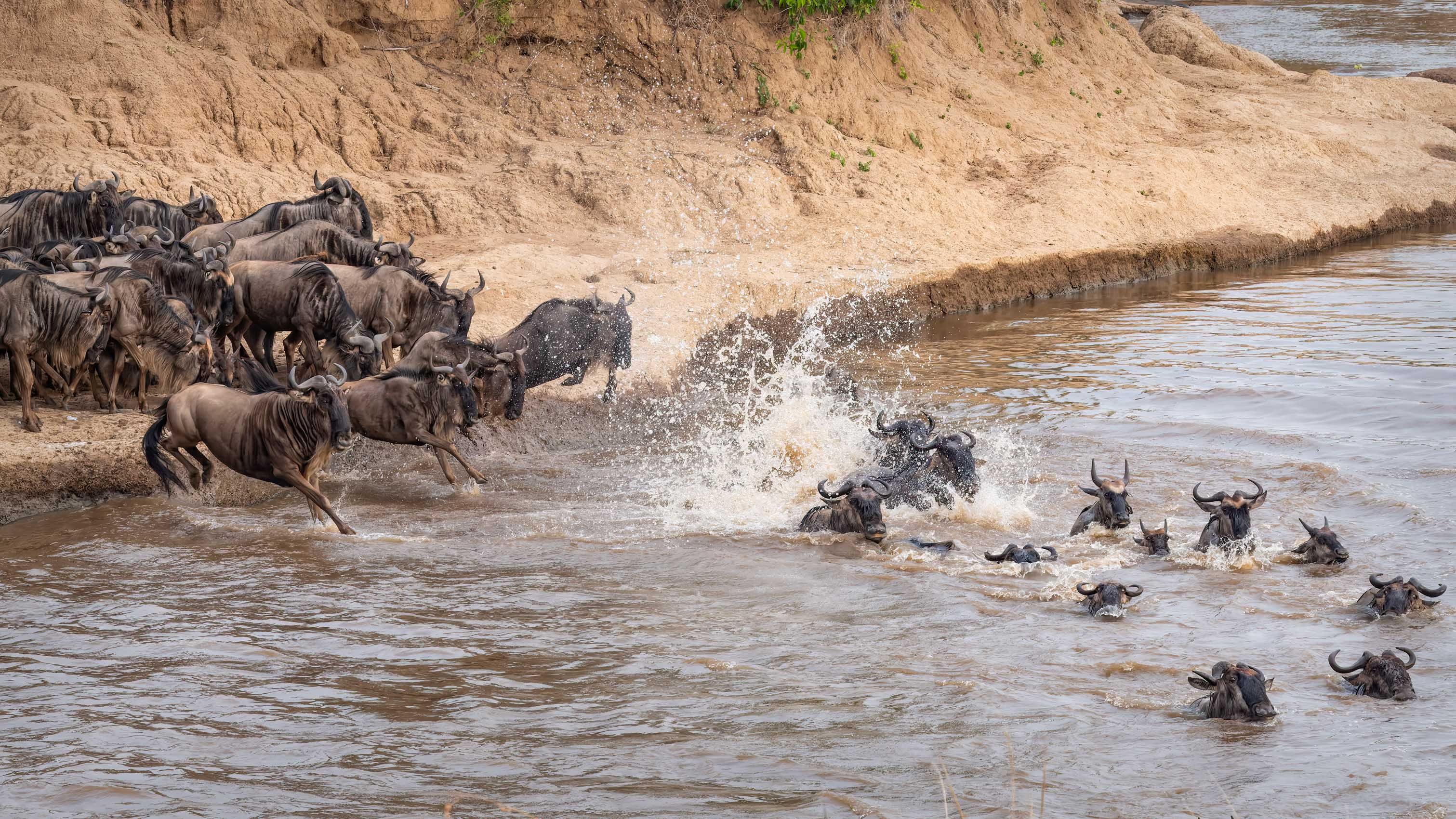
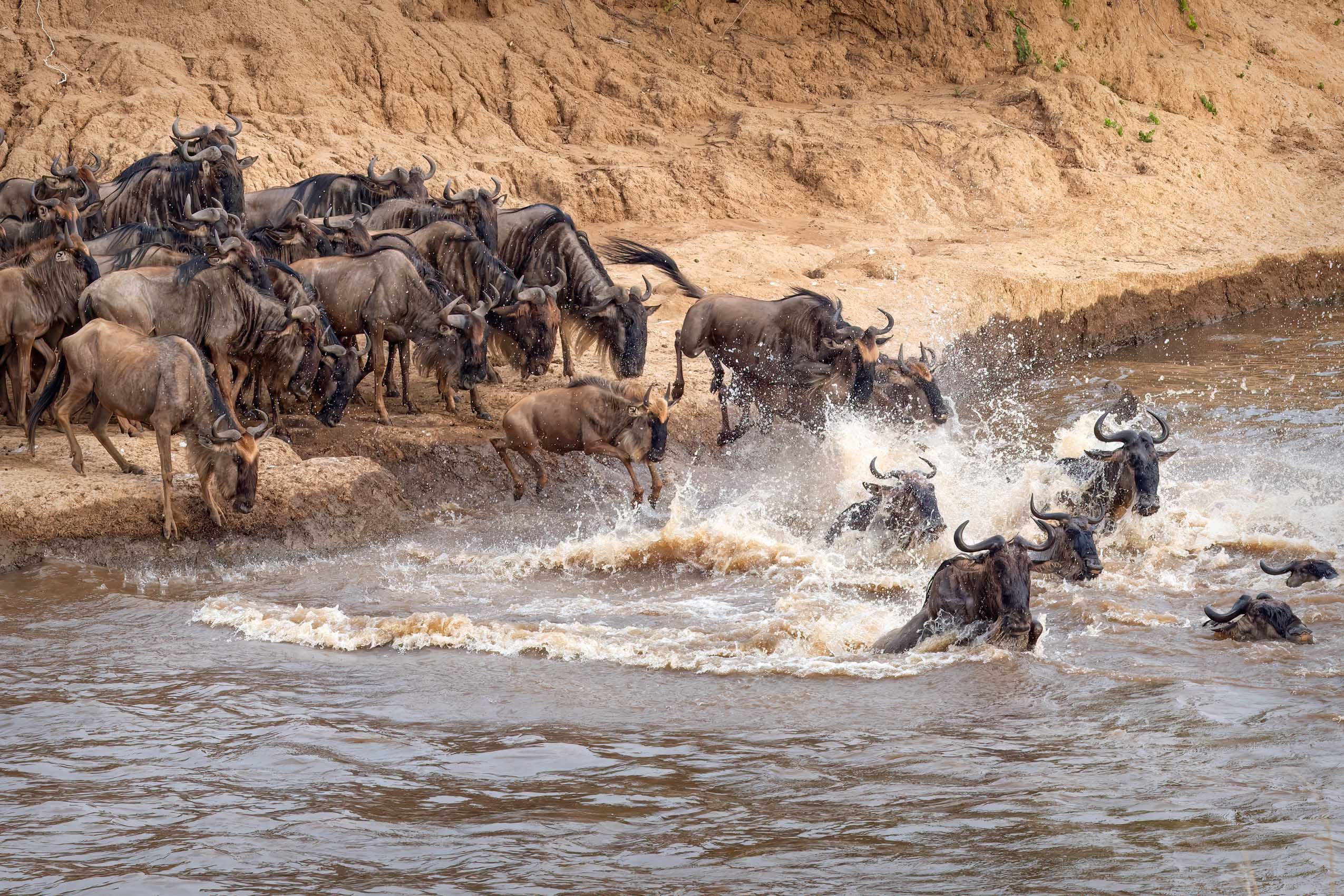
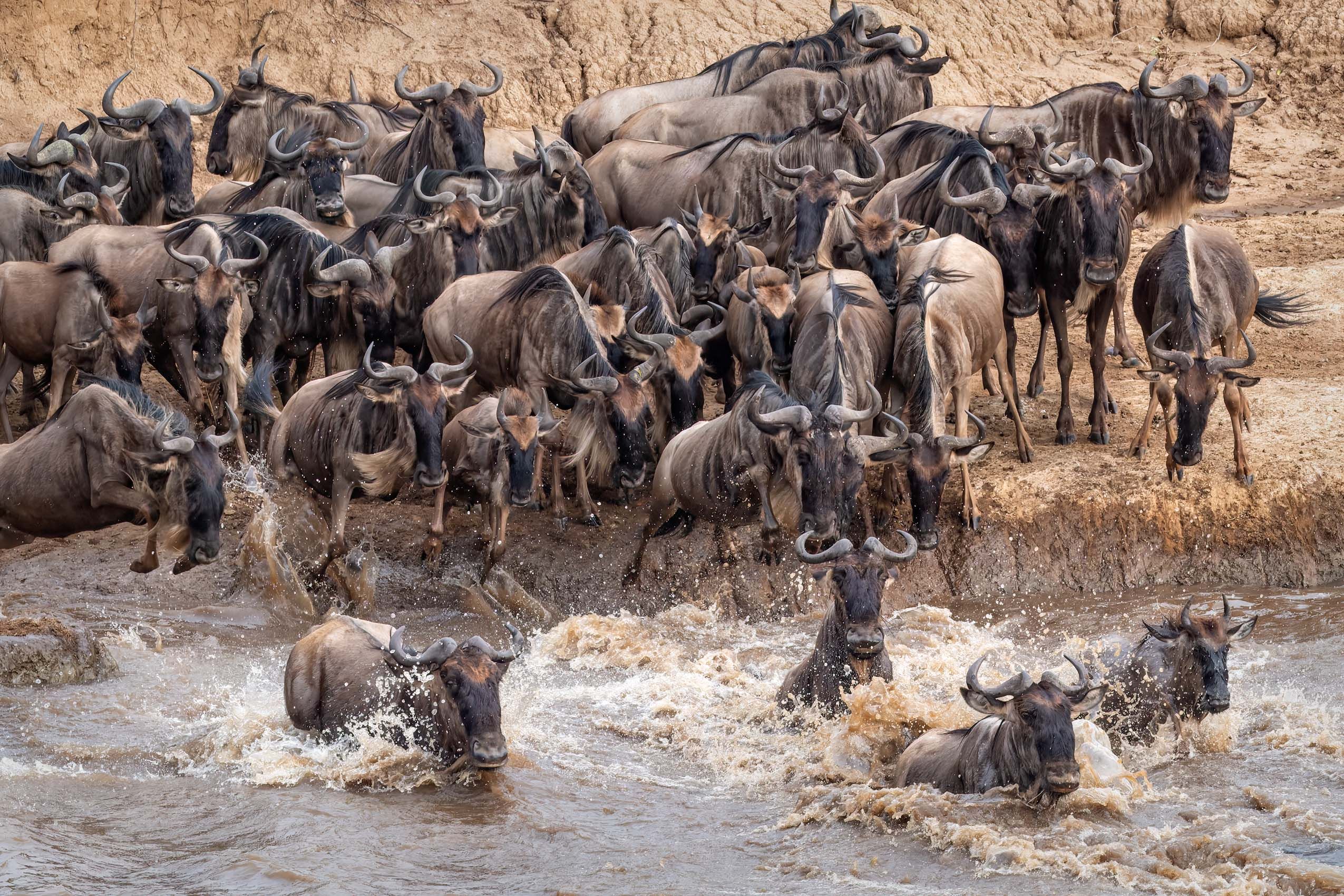
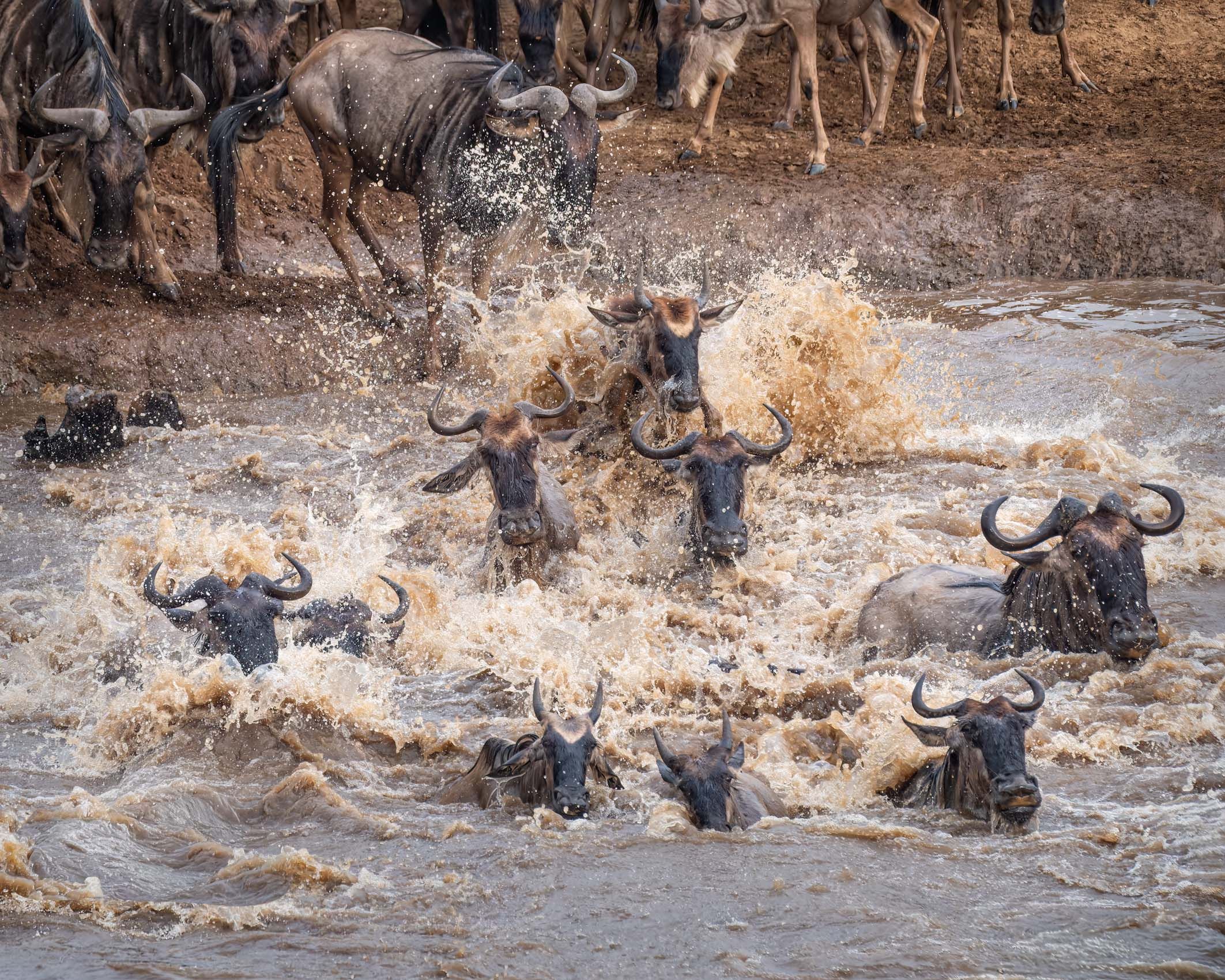
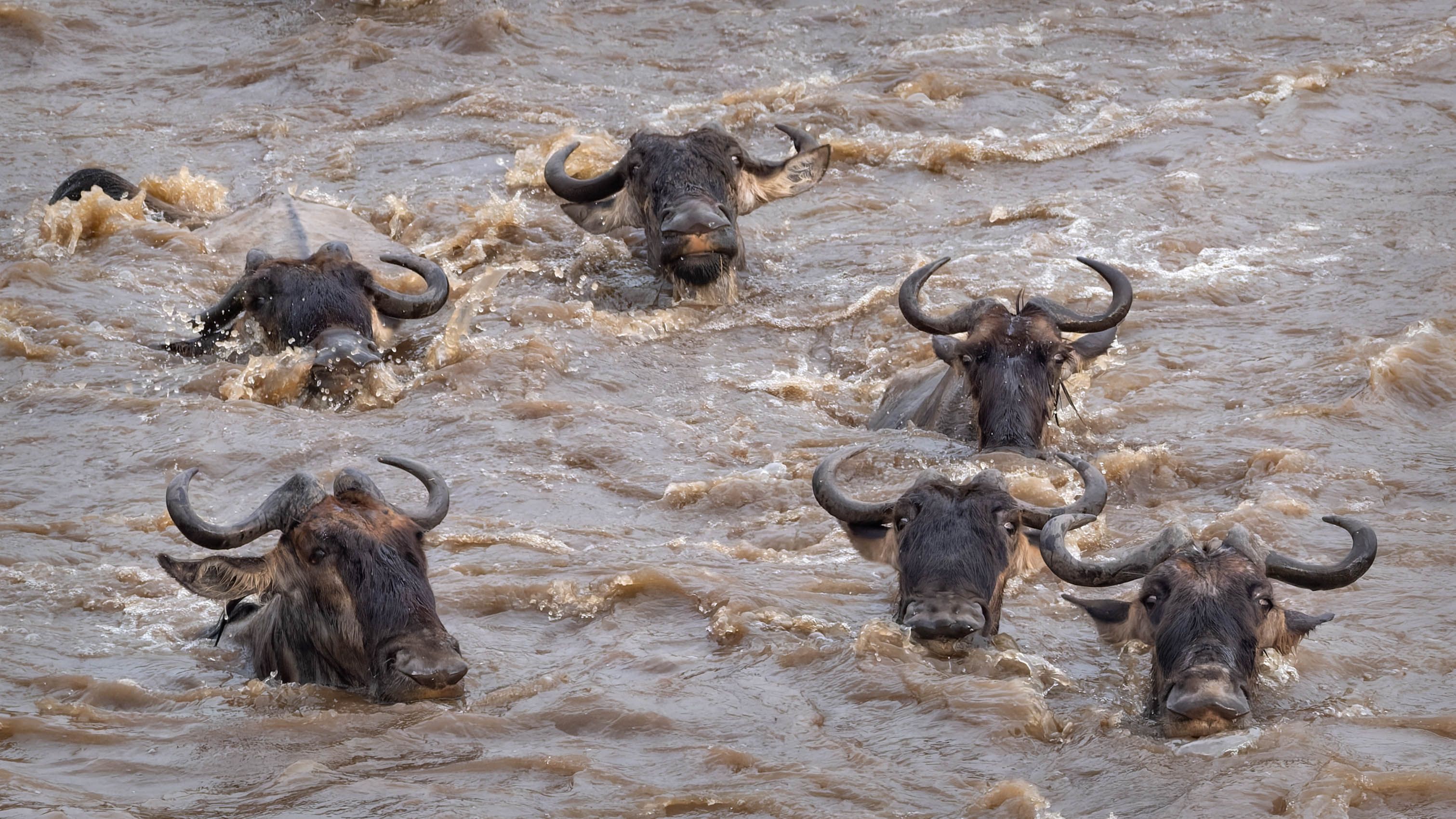
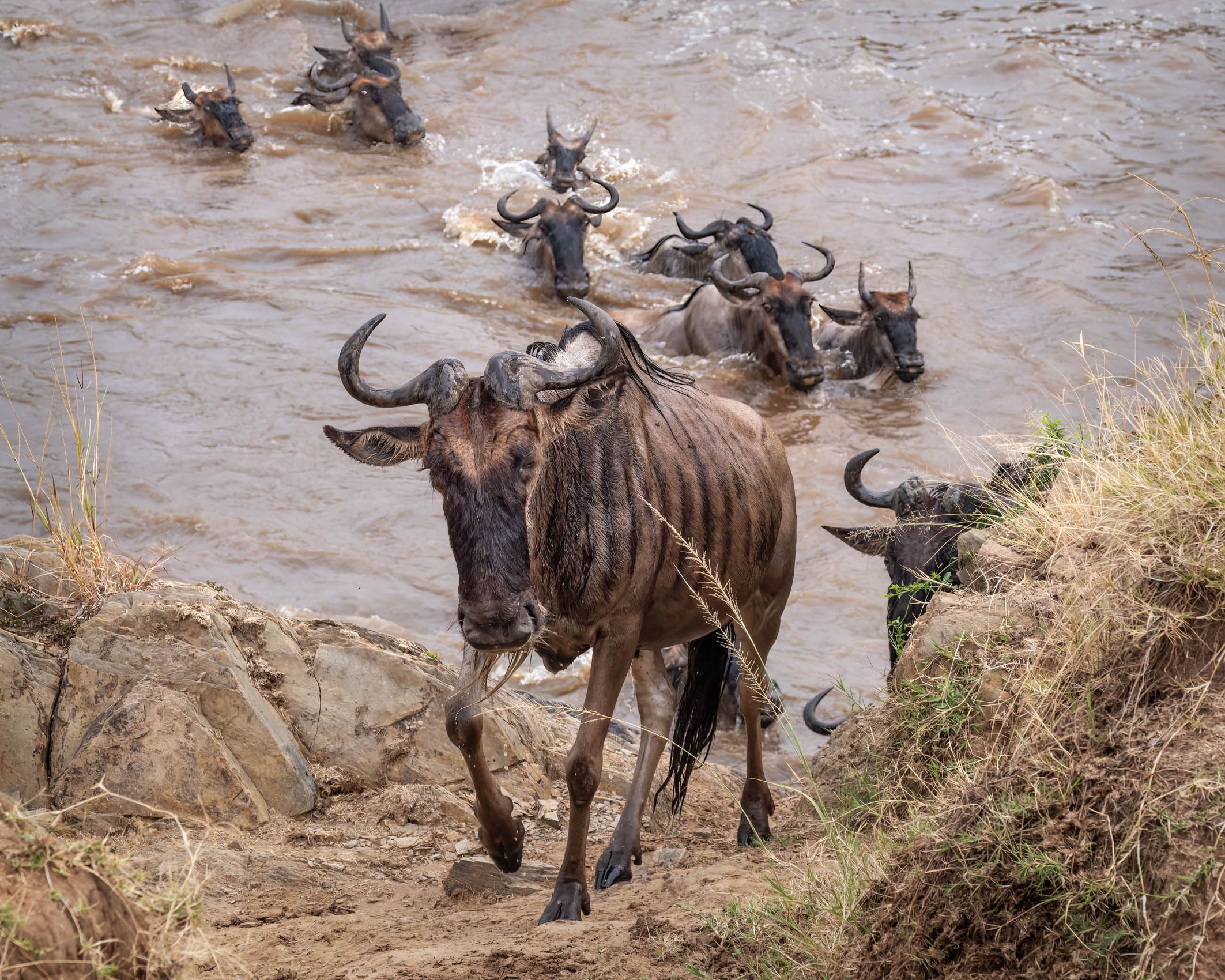
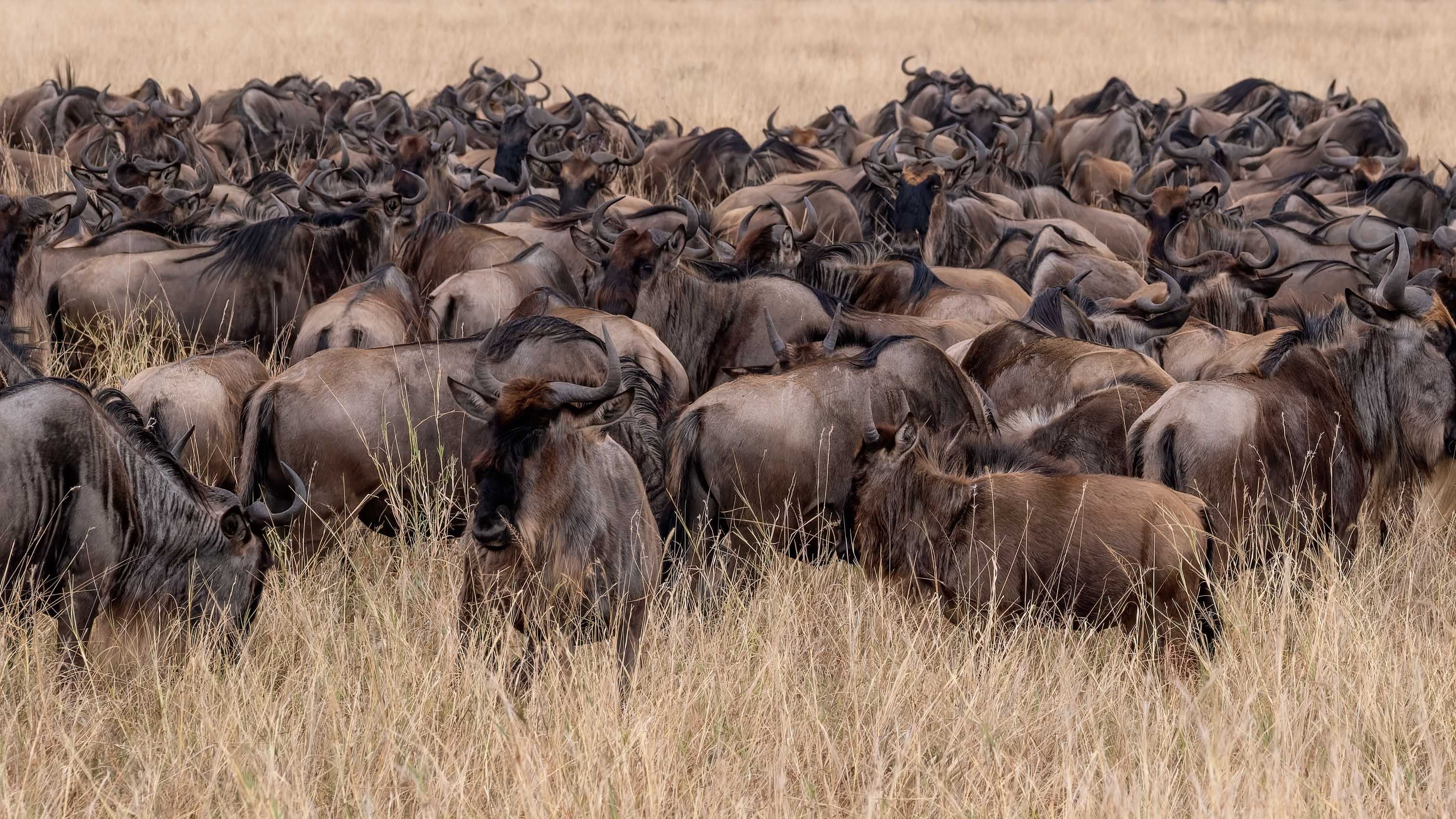
Each year, between July and October, one of the planet’s great spectacles unfolds on the plains of East Africa. More than a million wildebeest, accompanied by hundreds of thousands of zebra and gazelle, push north from Tanzania’s Serengeti into Kenya’s Maasai Mara. Standing between them and the Mara’s fresh grass is the Mara River, and crossing it is the most dramatic and dangerous moment of their journey.
The migration is not a single event but a continuous, circular movement driven by rainfall. Following the rains and the grass they nourish, the herds travel a loop of roughly 800 kilometers through the Serengeti-Mara ecosystem. By the dry season in the south, the grazing has thinned, and the animals drift northward toward greener pastures. The wildebeest are the engine of this movement, while zebra often lead the way. The two species complement each other well: zebra crop the tall, coarse upper grass, exposing the shorter, more nutritious shoots that wildebeest prefer. Their partnership is a quiet example of ecological cooperation.
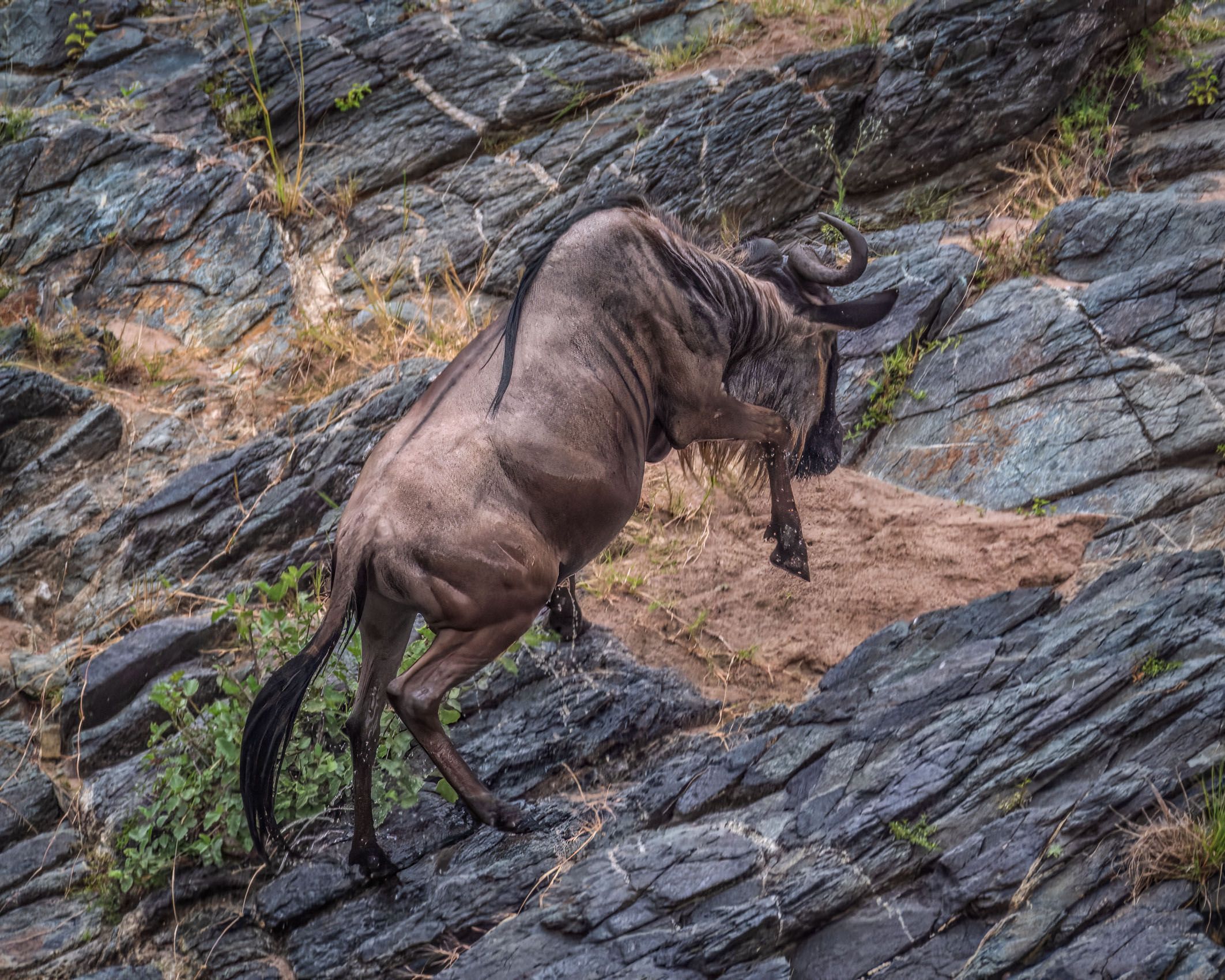
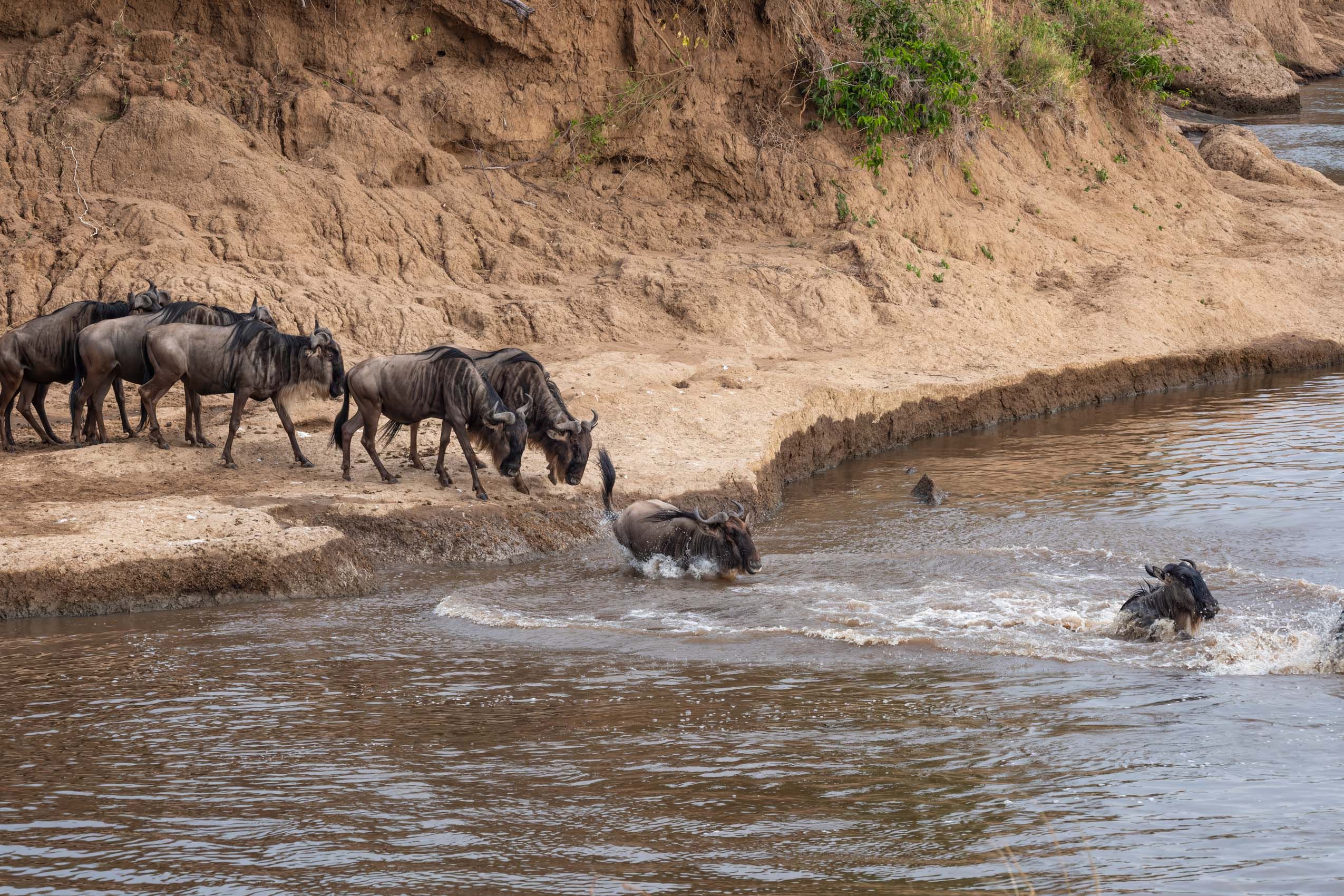
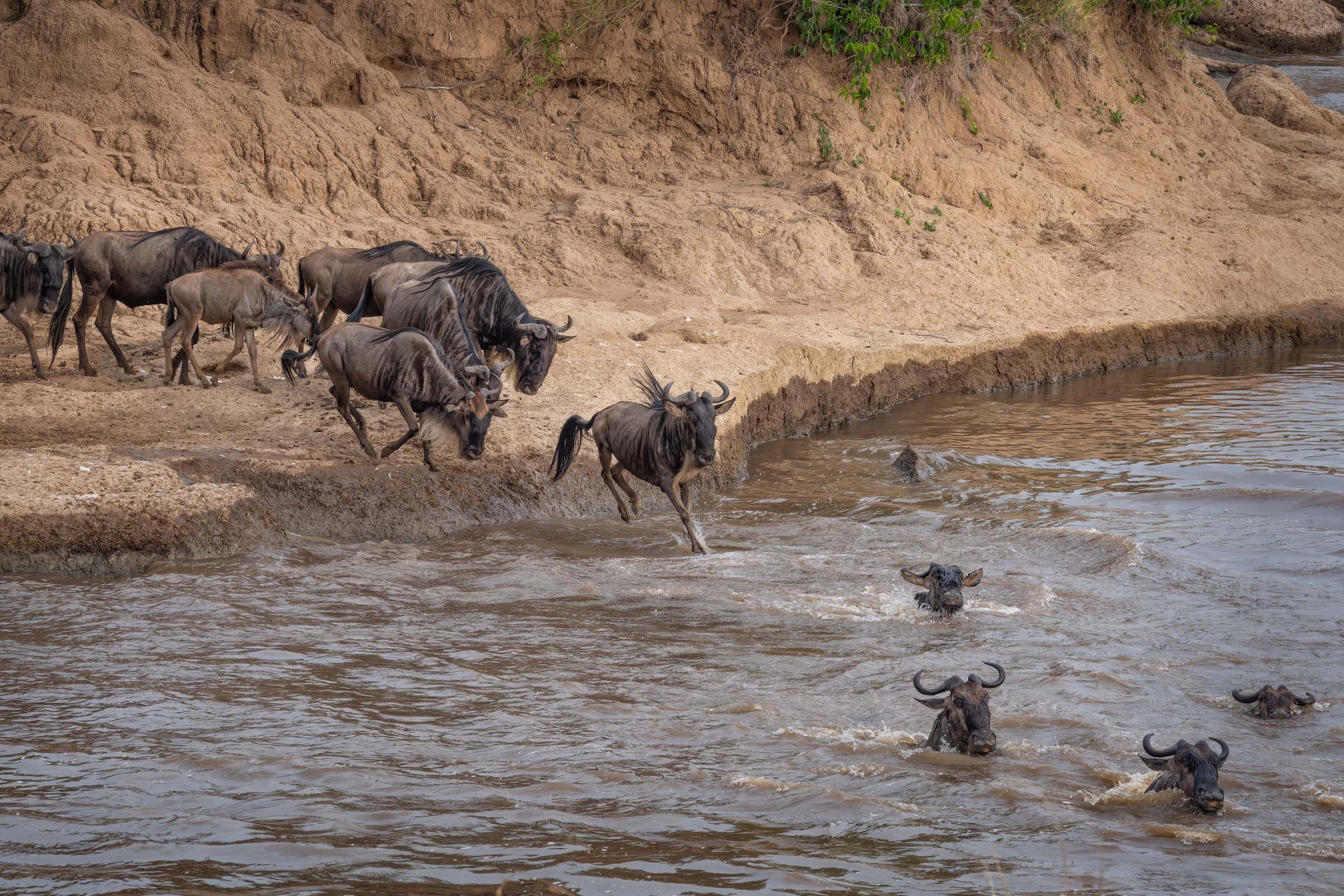
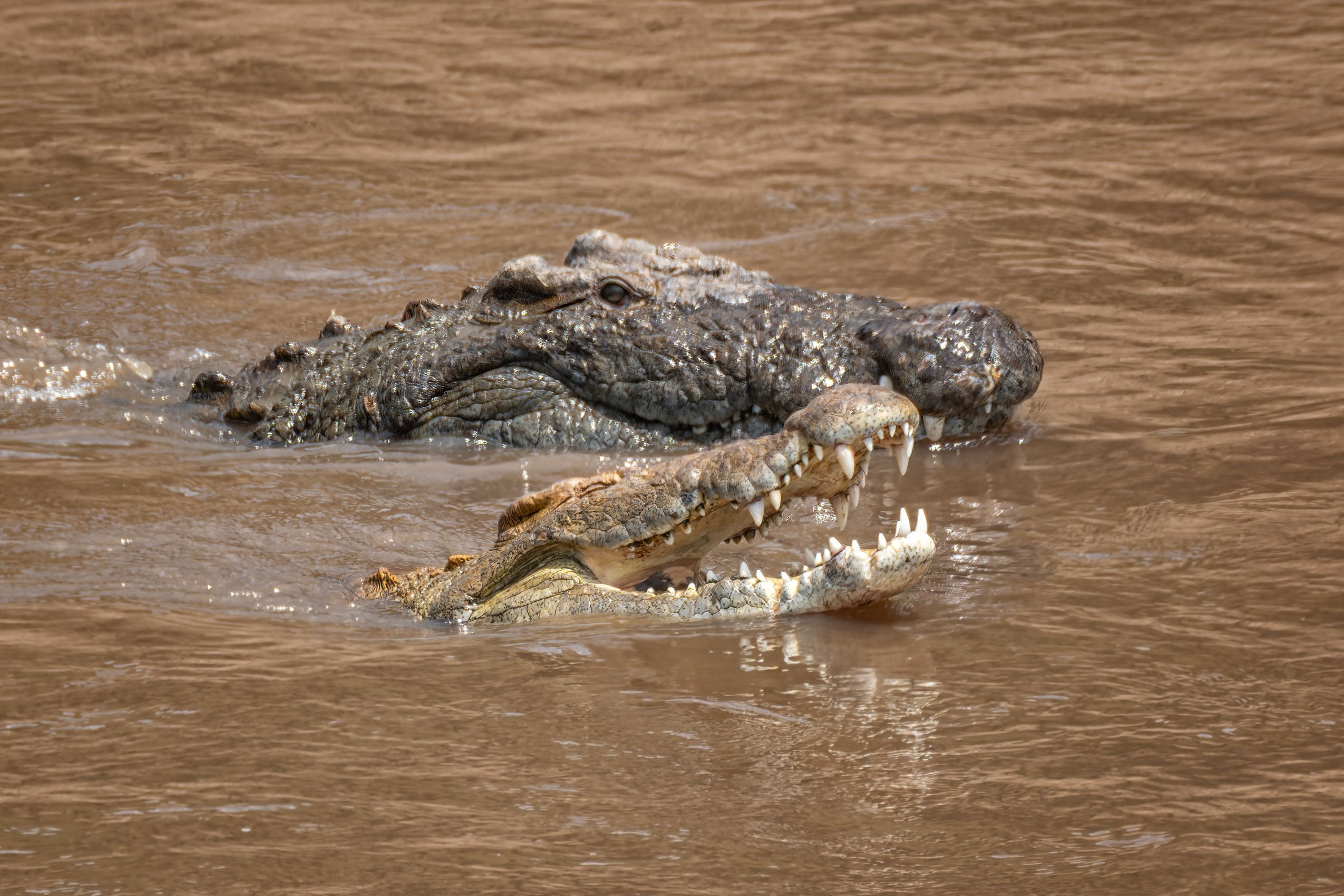
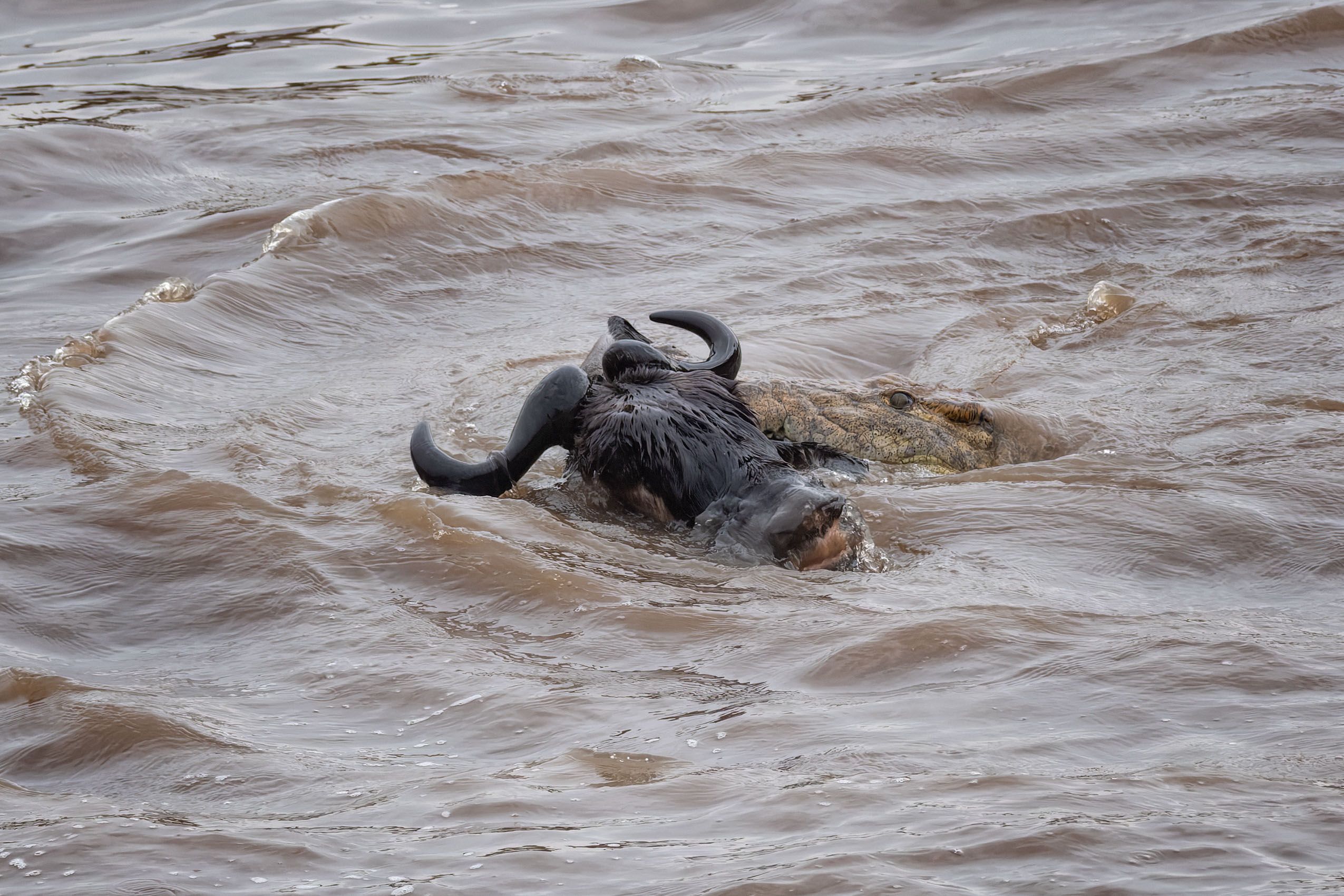
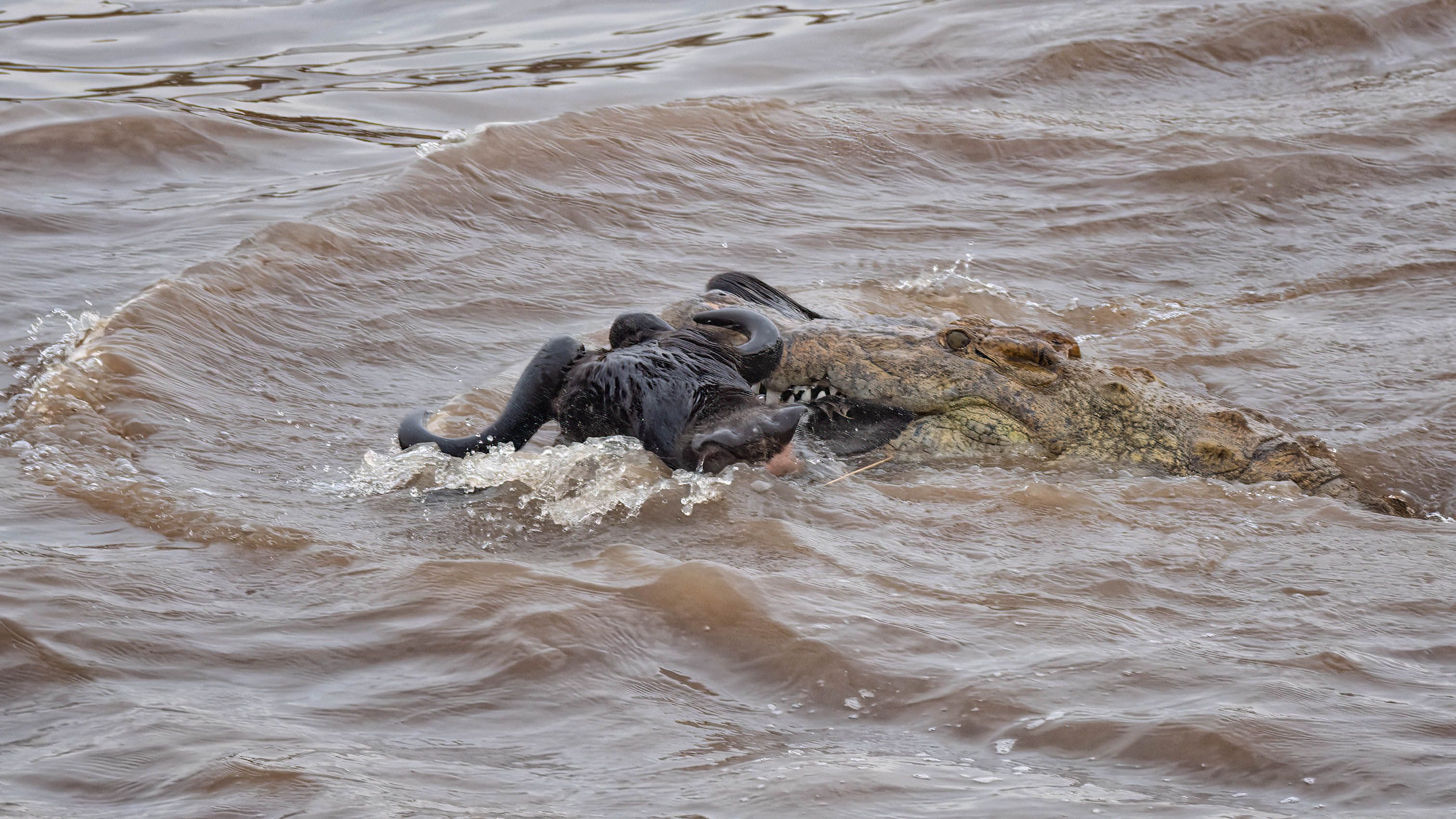
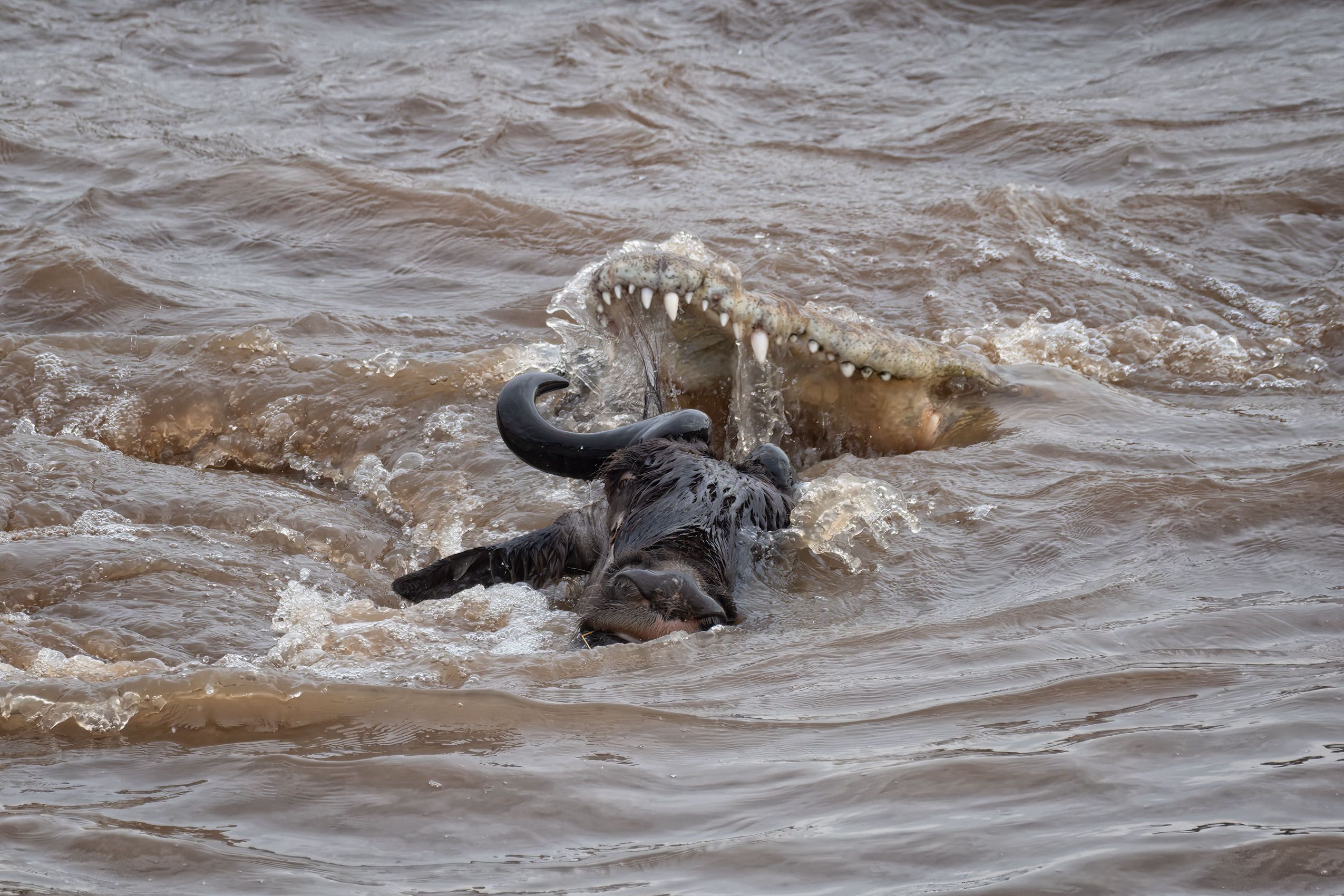
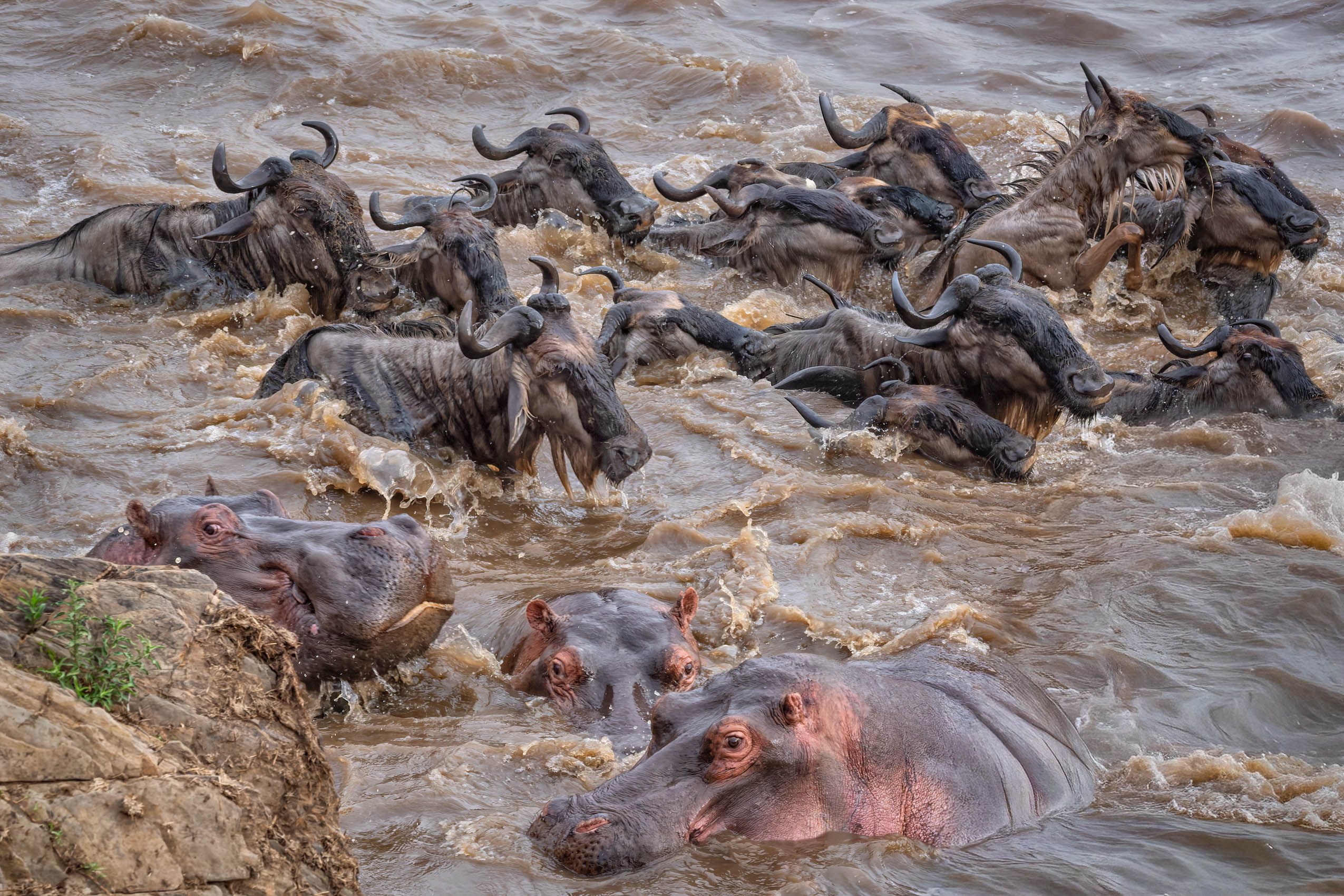
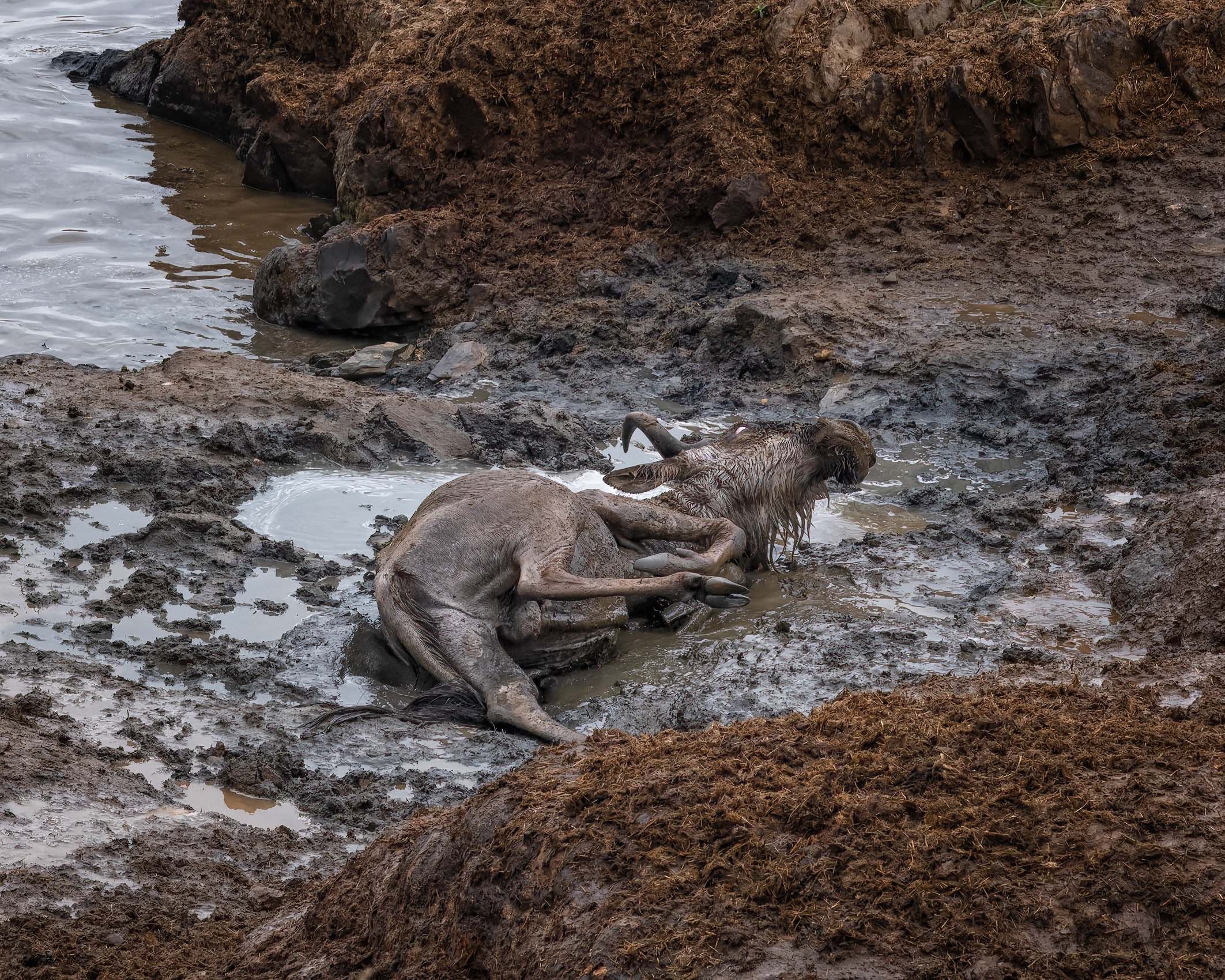
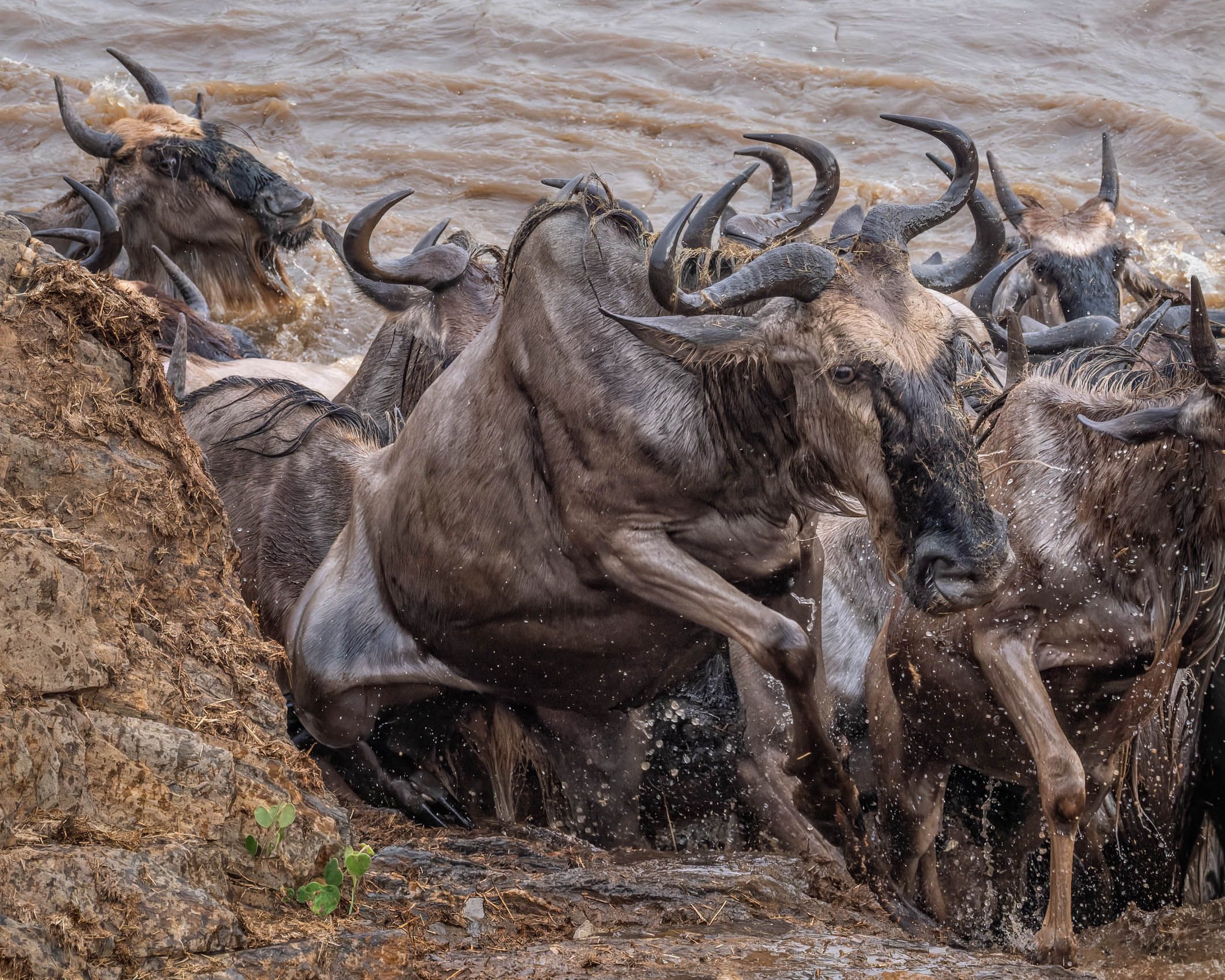
The river itself is what makes the journey legendary. Swollen and brown, the Mara is home to enormous Nile crocodiles, some exceeding five meters in length, which wait for the herds each season. The banks are often steep and slick with mud, and the current can be powerful. The animals gather at the edge for hours, sometimes days, in a tense standoff. Then, seemingly without warning, a single animal plunges in, and the rest follow in a thundering rush. The chaos that results is staggering: bodies collide, calves are separated from mothers, and the water churns with hooves and predators. Some animals drown or are trampled, while others fall to crocodiles. Yet the majority make it across, scrambling up the far bank toward the grasslands of the Mara.
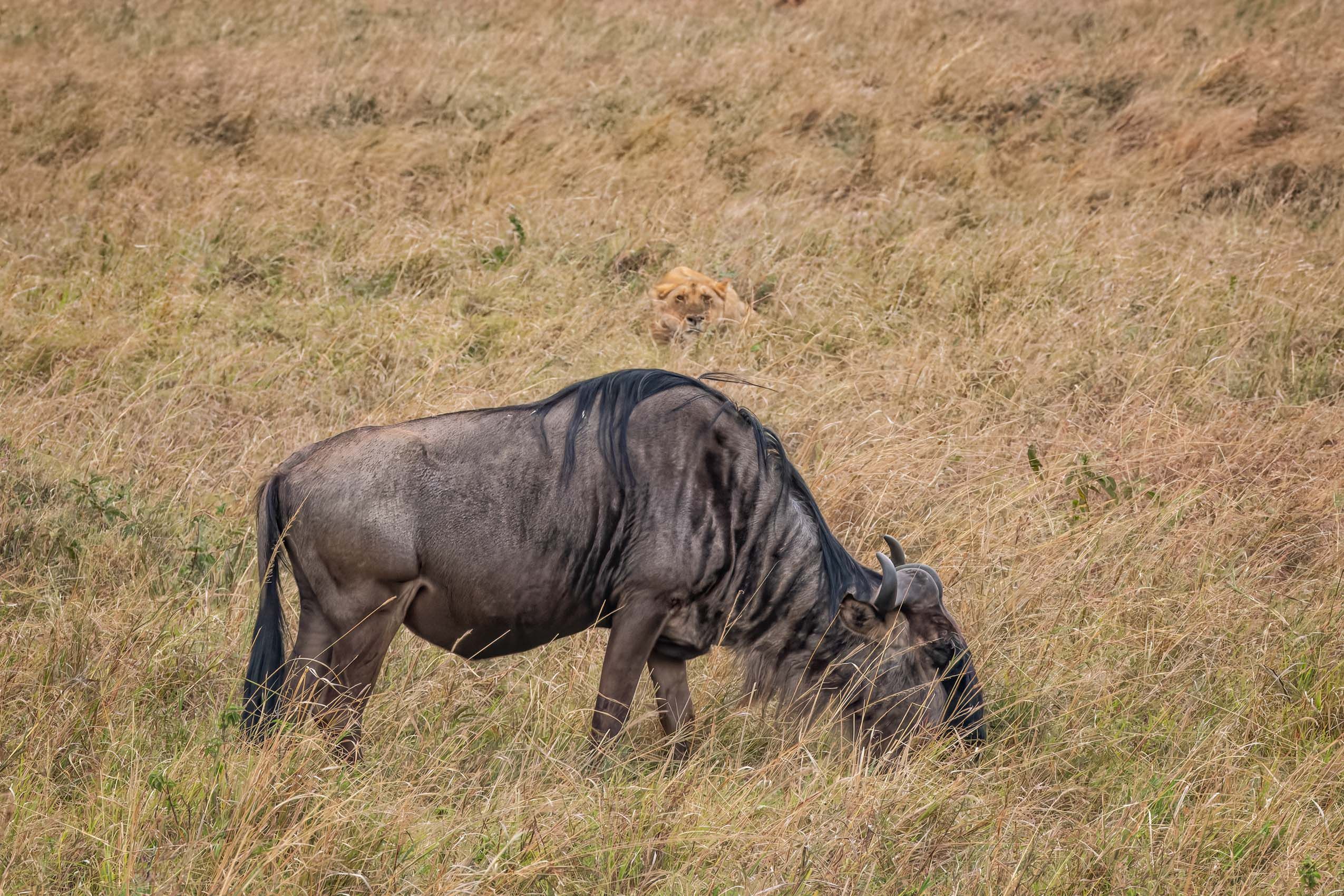
The crossings are also part of a grand ecological cycle. The carcasses that remain feed crocodiles, vultures, and other scavengers, and the nutrients they release enrich the river and surrounding soil. The migration as a whole shapes the landscape, fertilizing the plains with dung, controlling grass growth, and sustaining predators such as lions, cheetahs, and hyenas that follow the herds. The migration depends on open, connected land, and pressures such as farming, fencing, human settlement, and shifting climate patterns threaten the routes the animals have used for millennia. Conservation efforts by Kenya and Tanzania, along with local Maasai communities, aim to protect these corridors, since the survival of the migration depends on the freedom to move across borders and landscapes.