
KENYA: The Social Life of Lions at Masai Mara
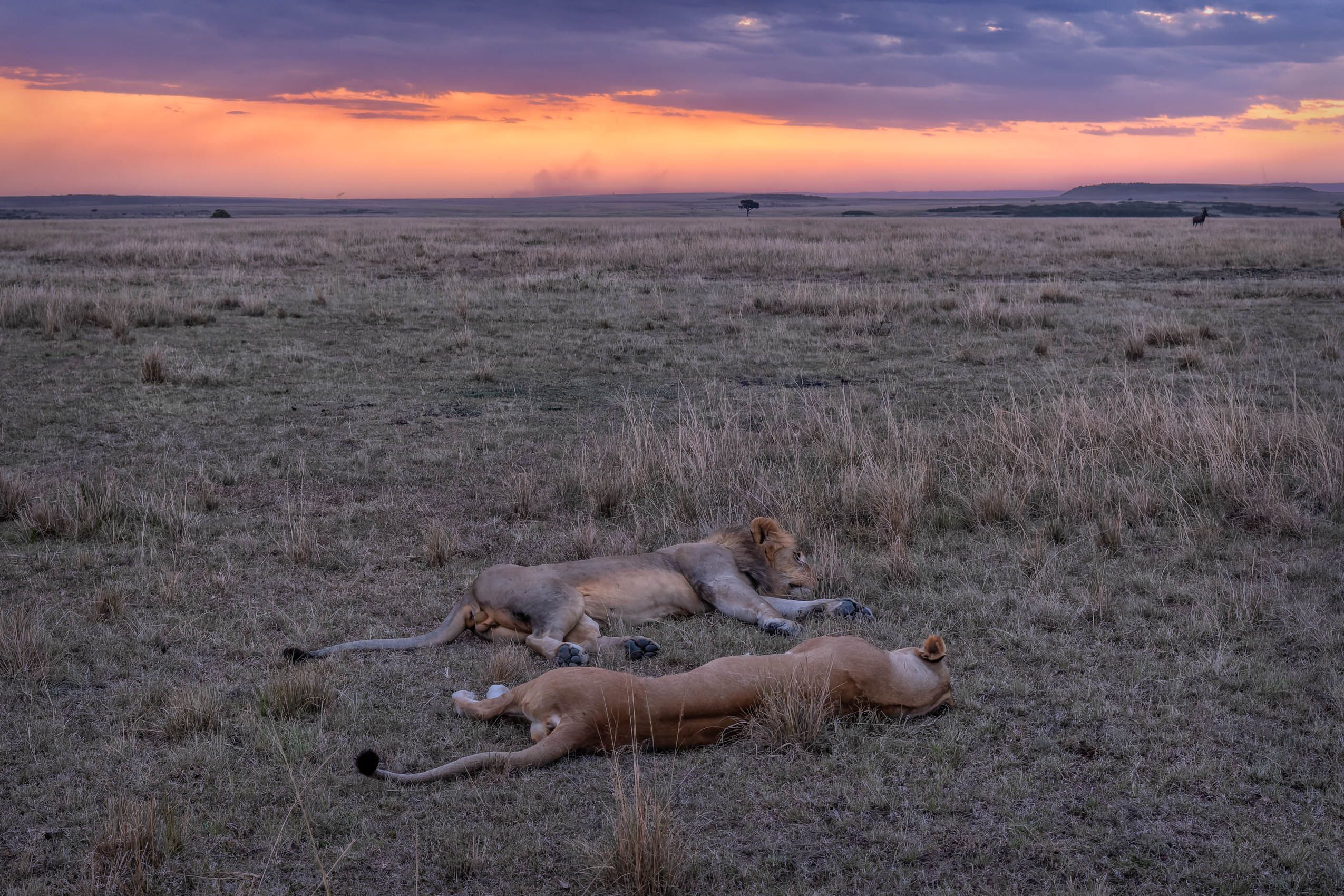
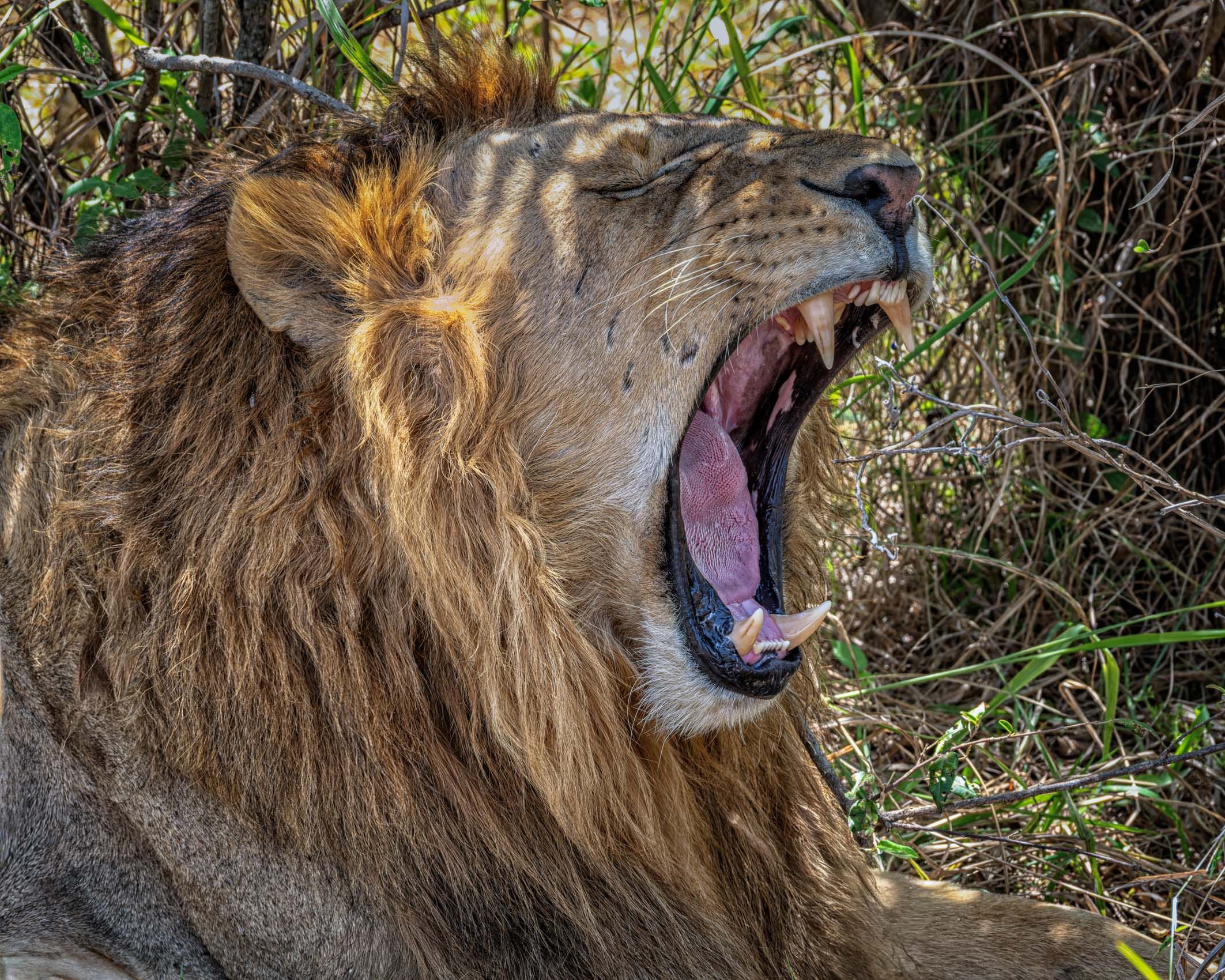
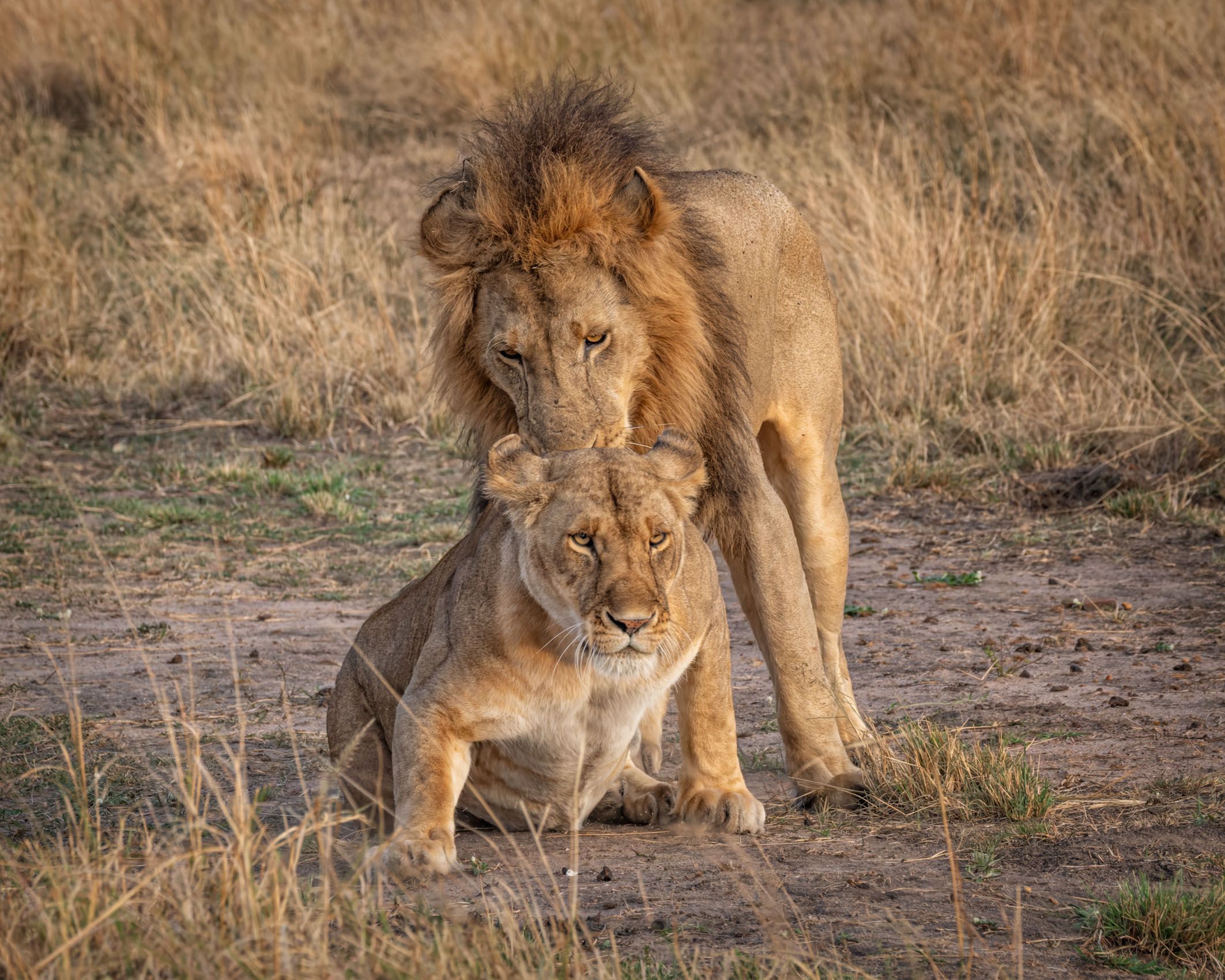
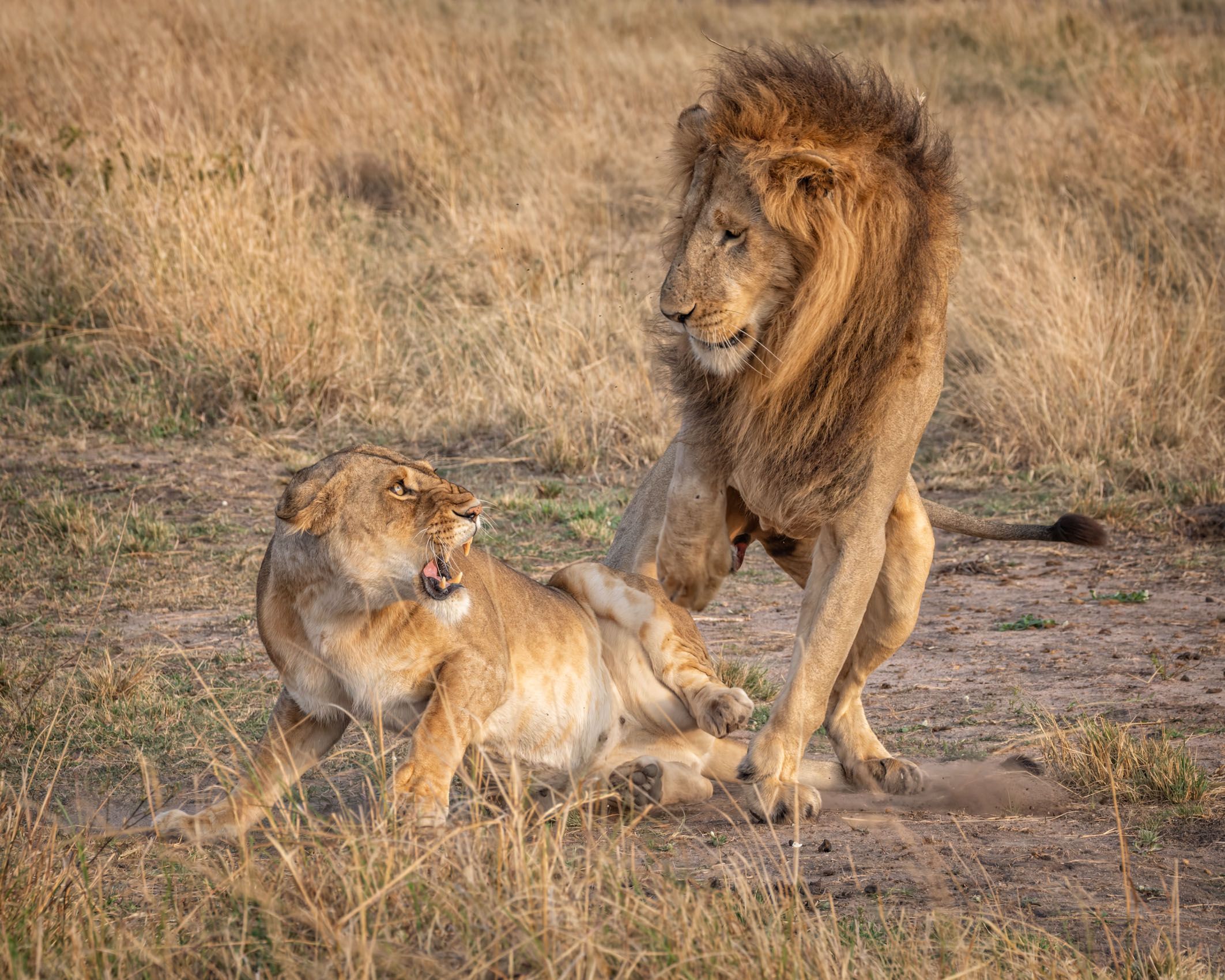
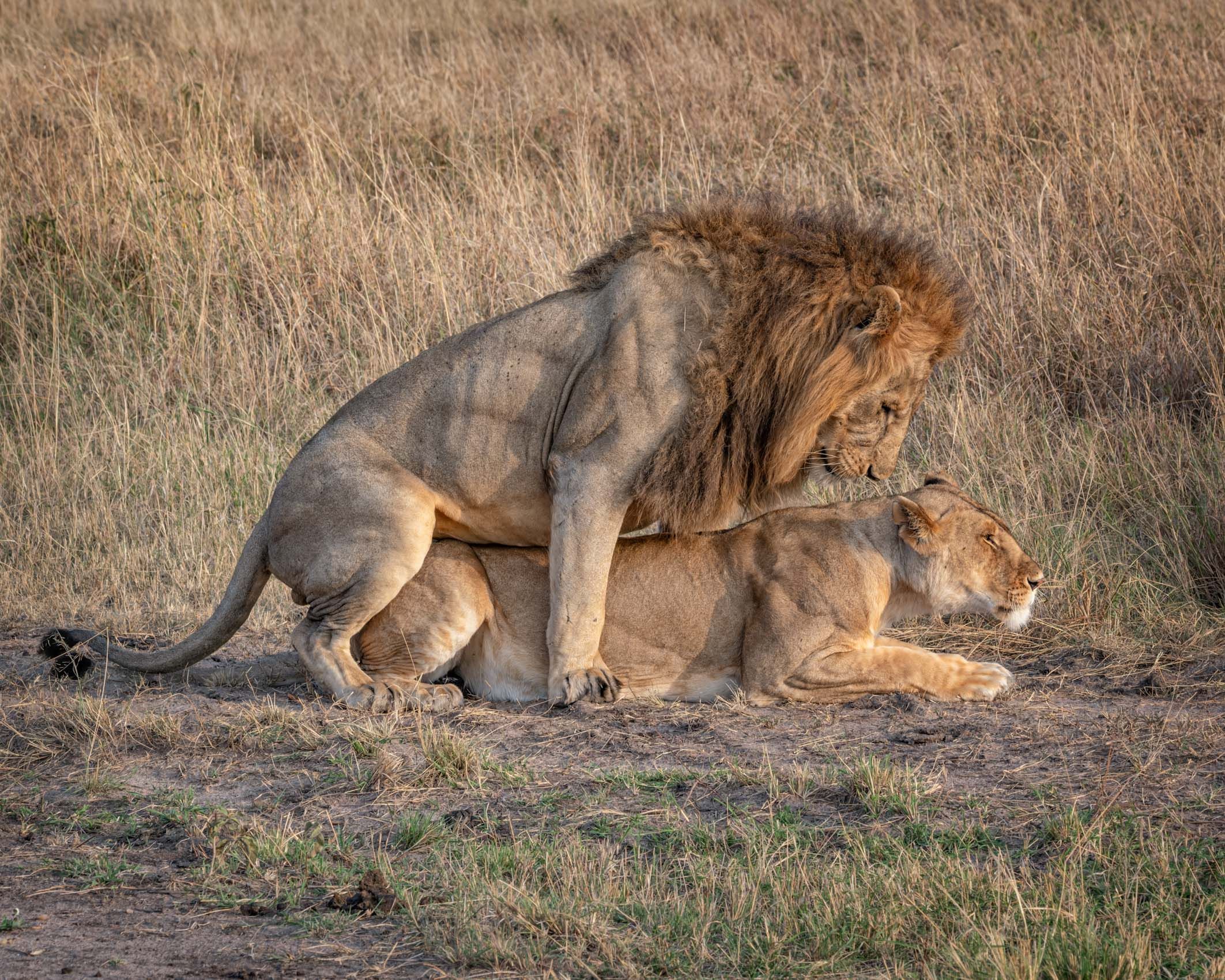
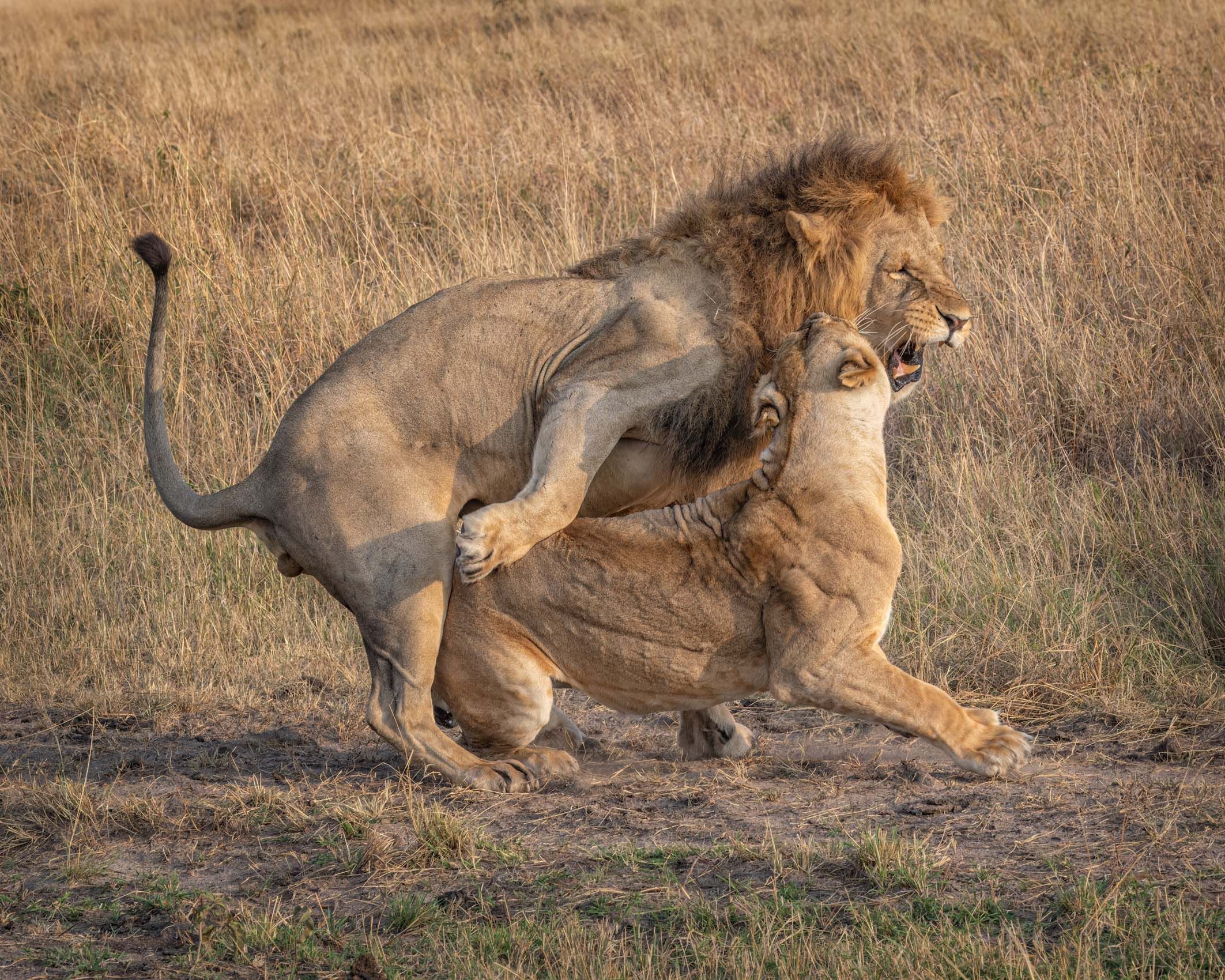
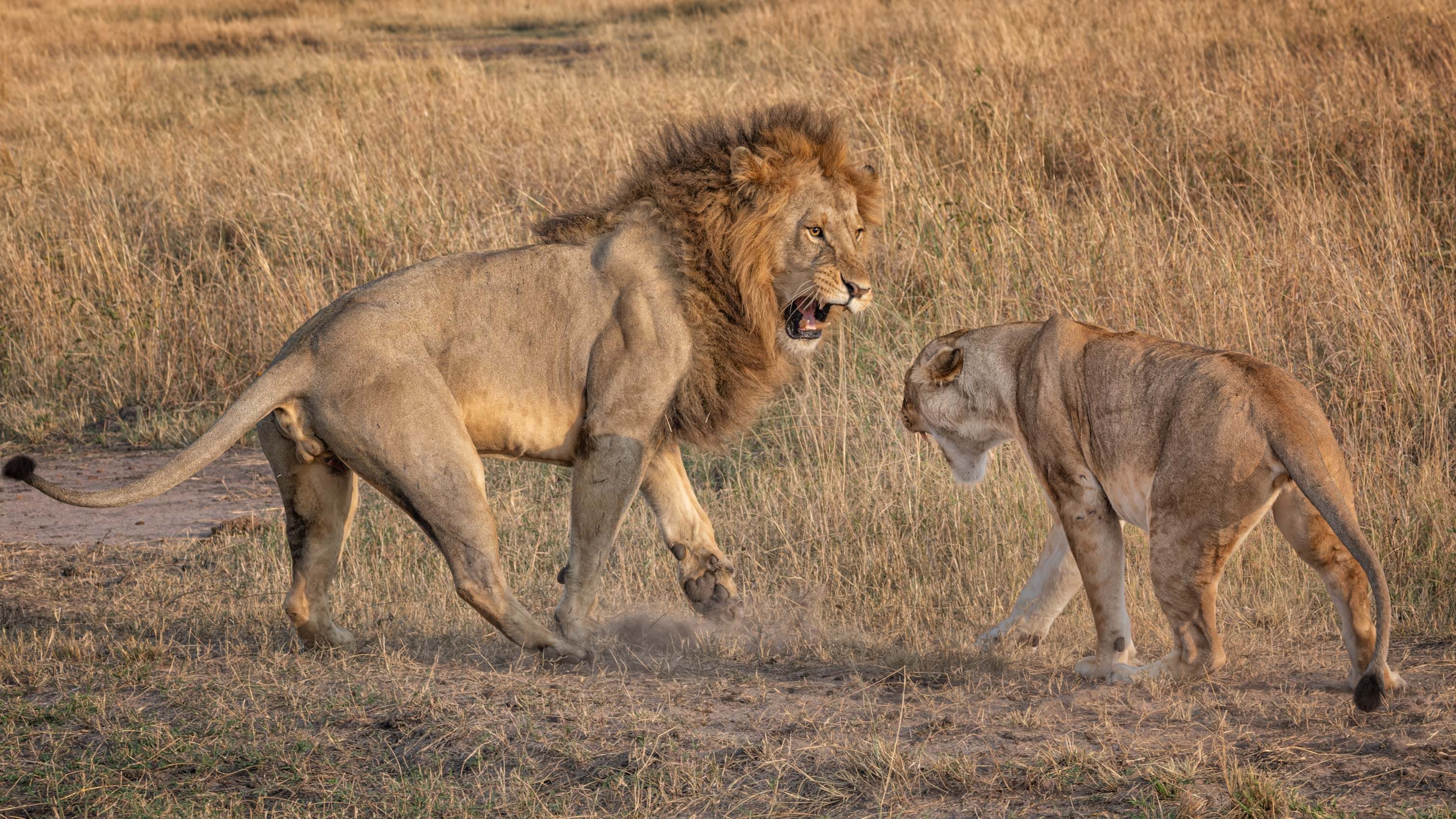
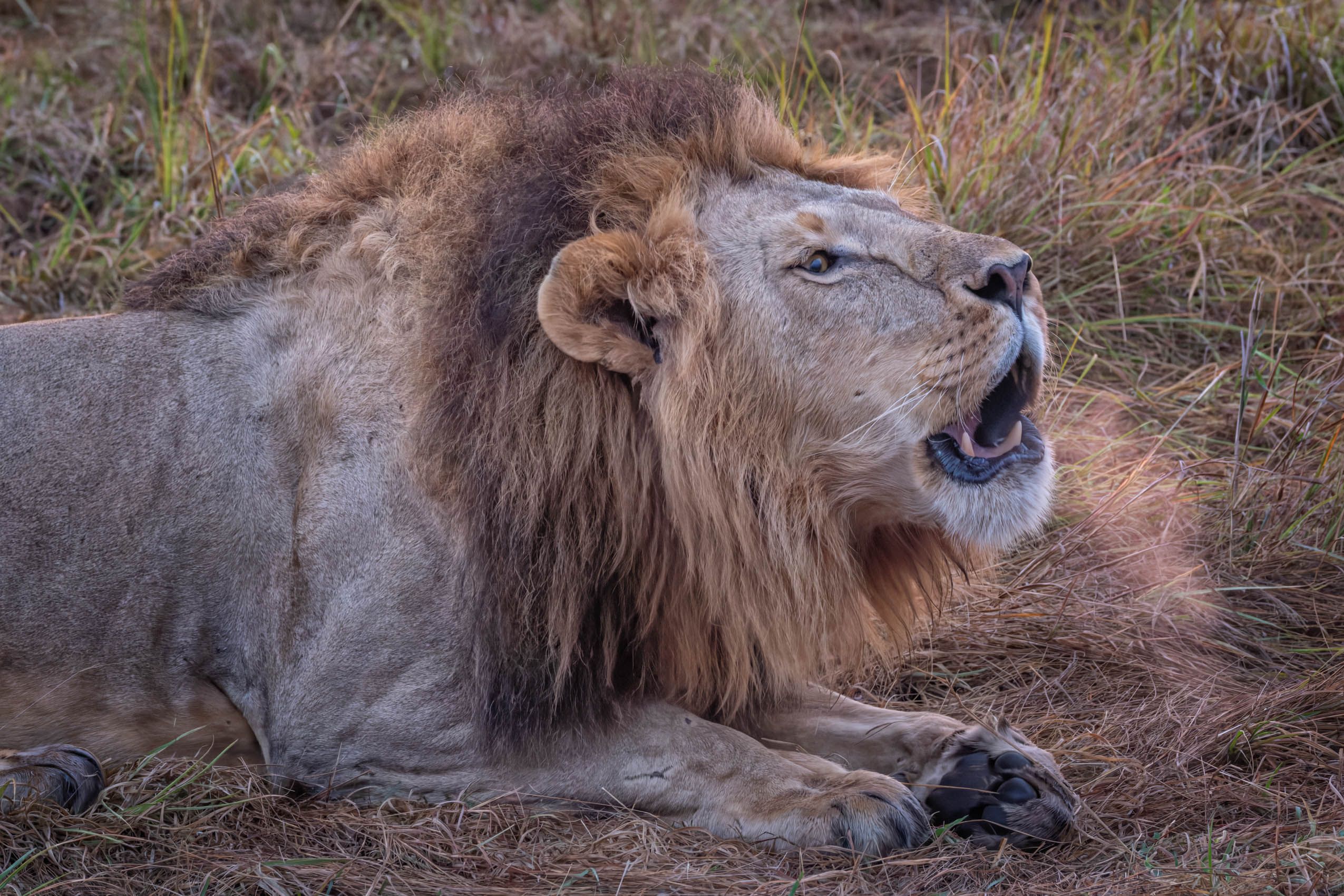
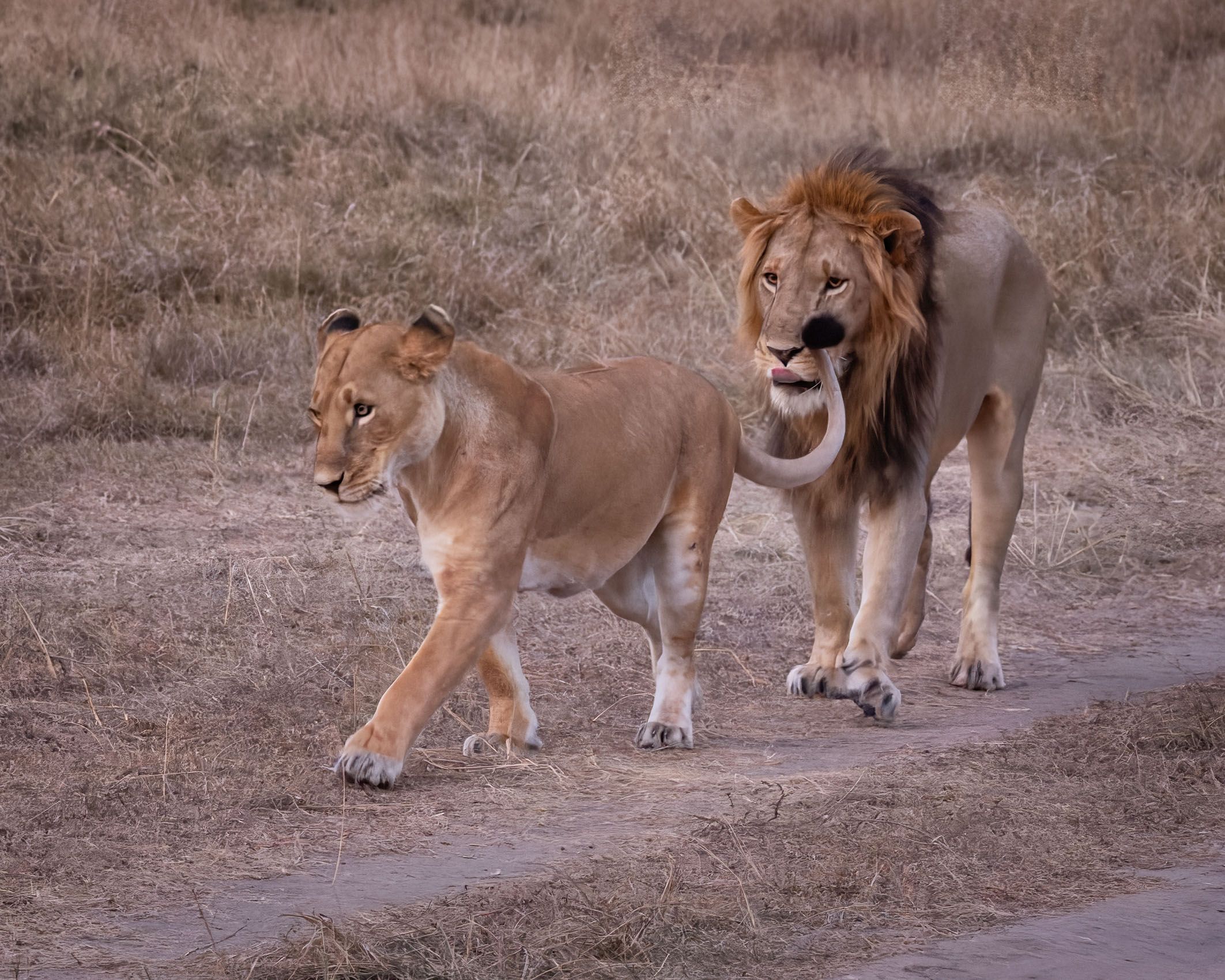
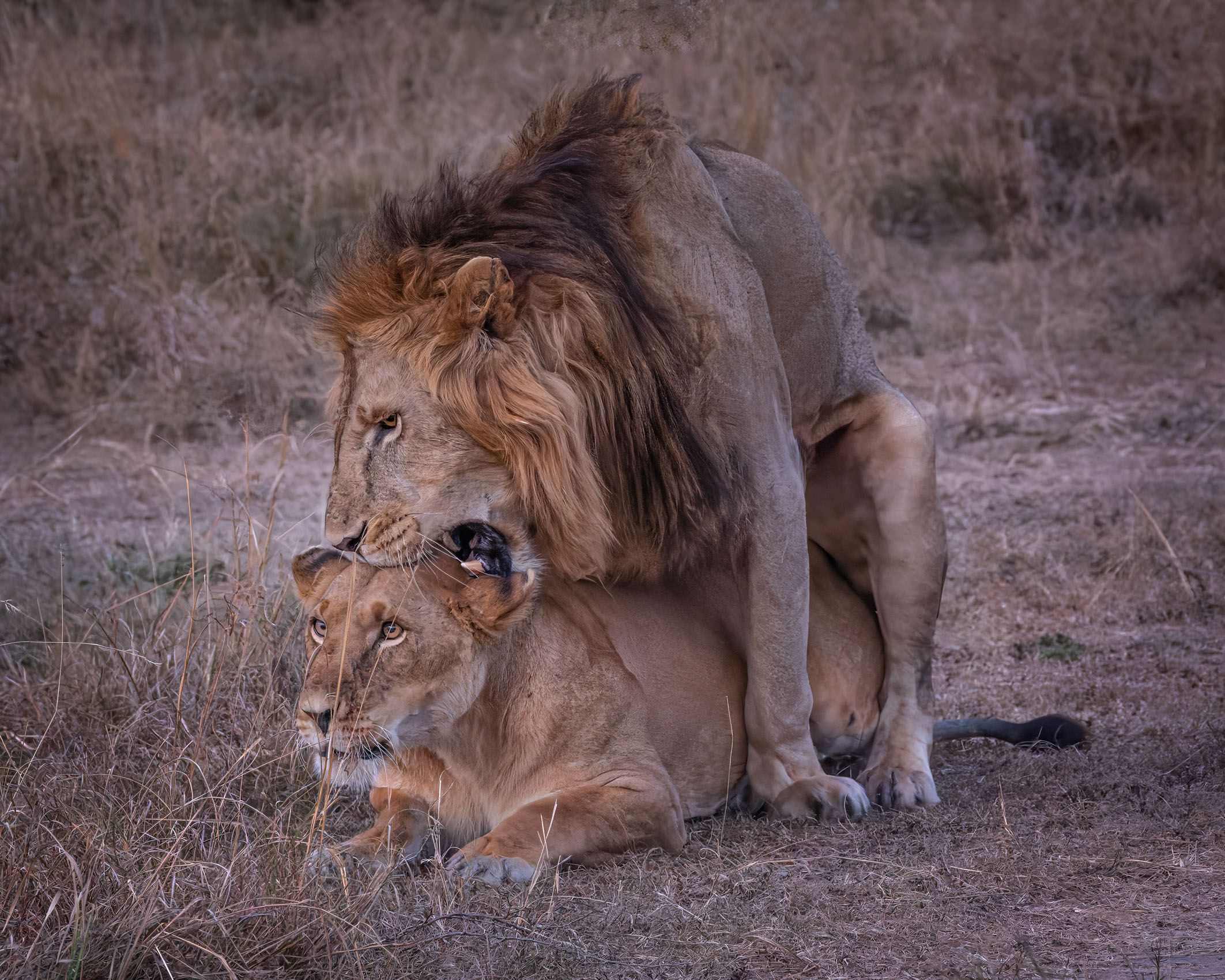
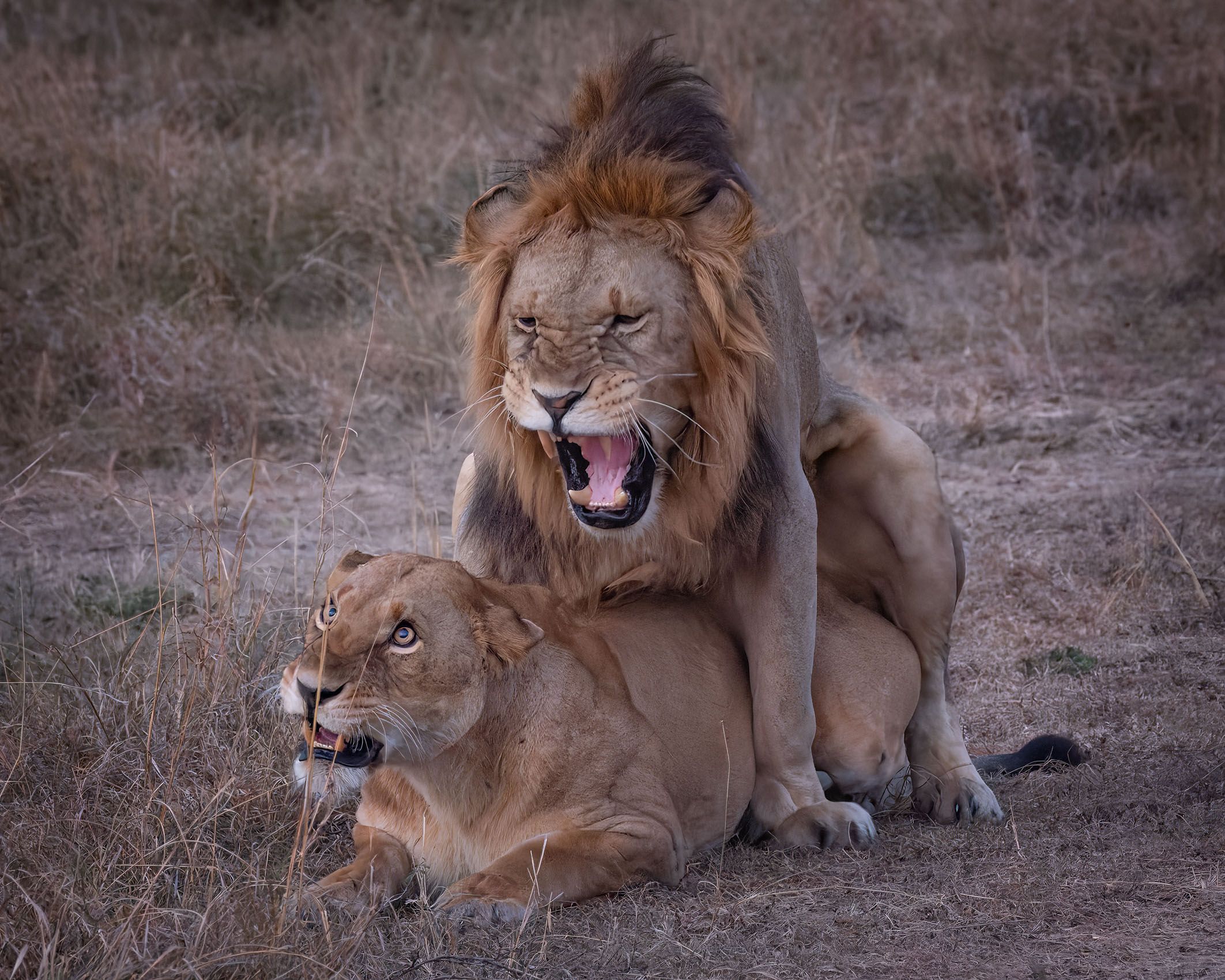
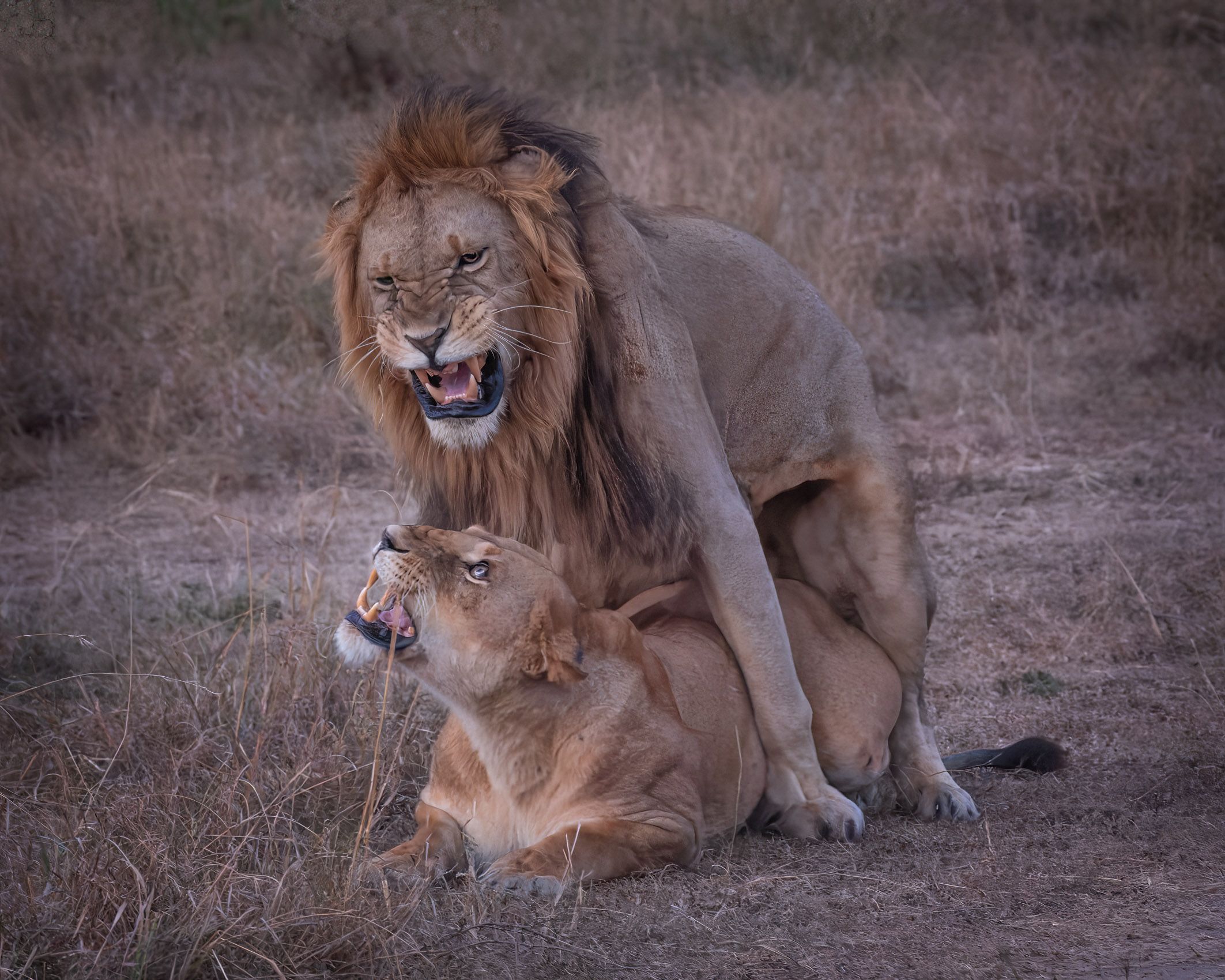
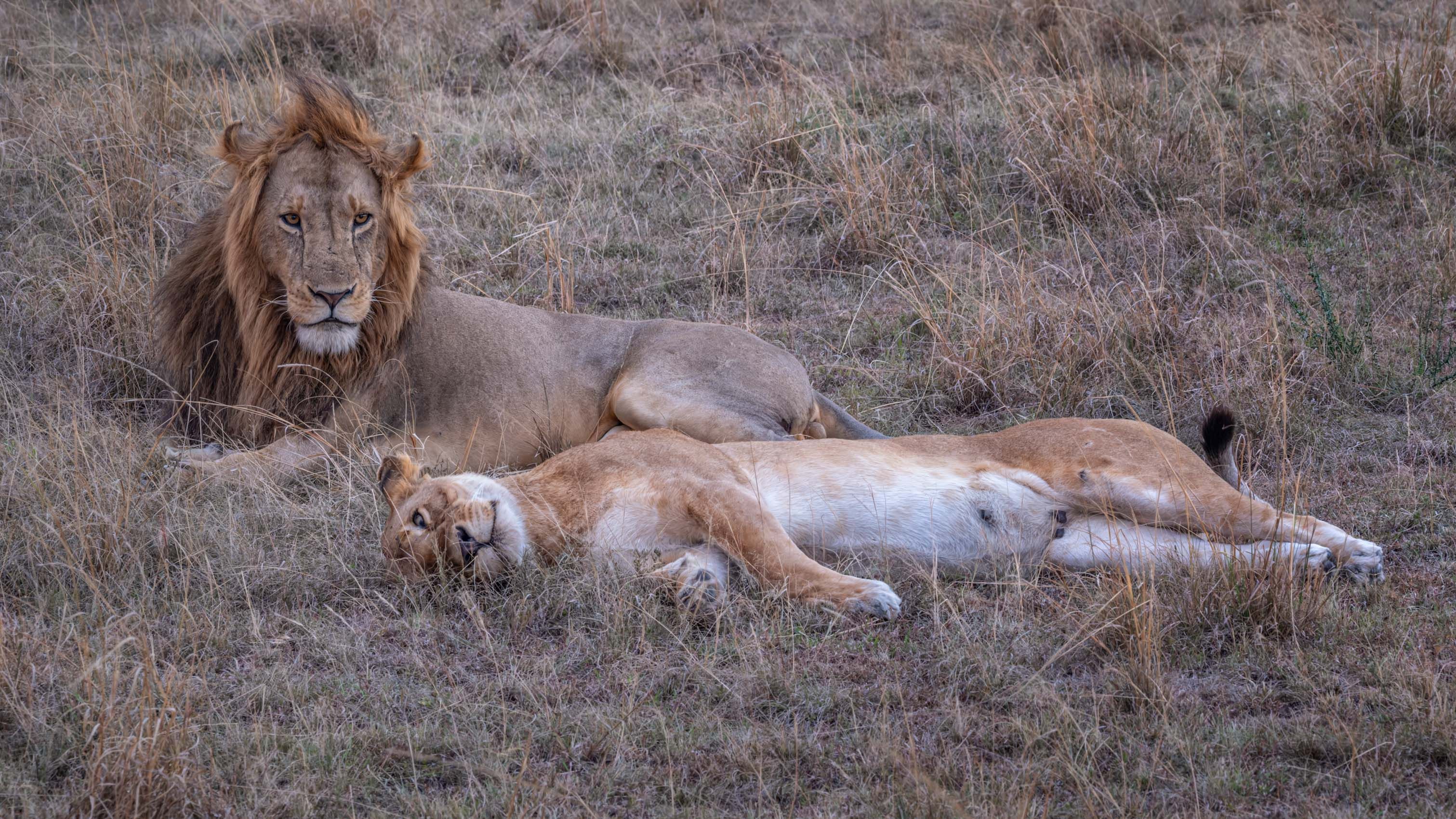
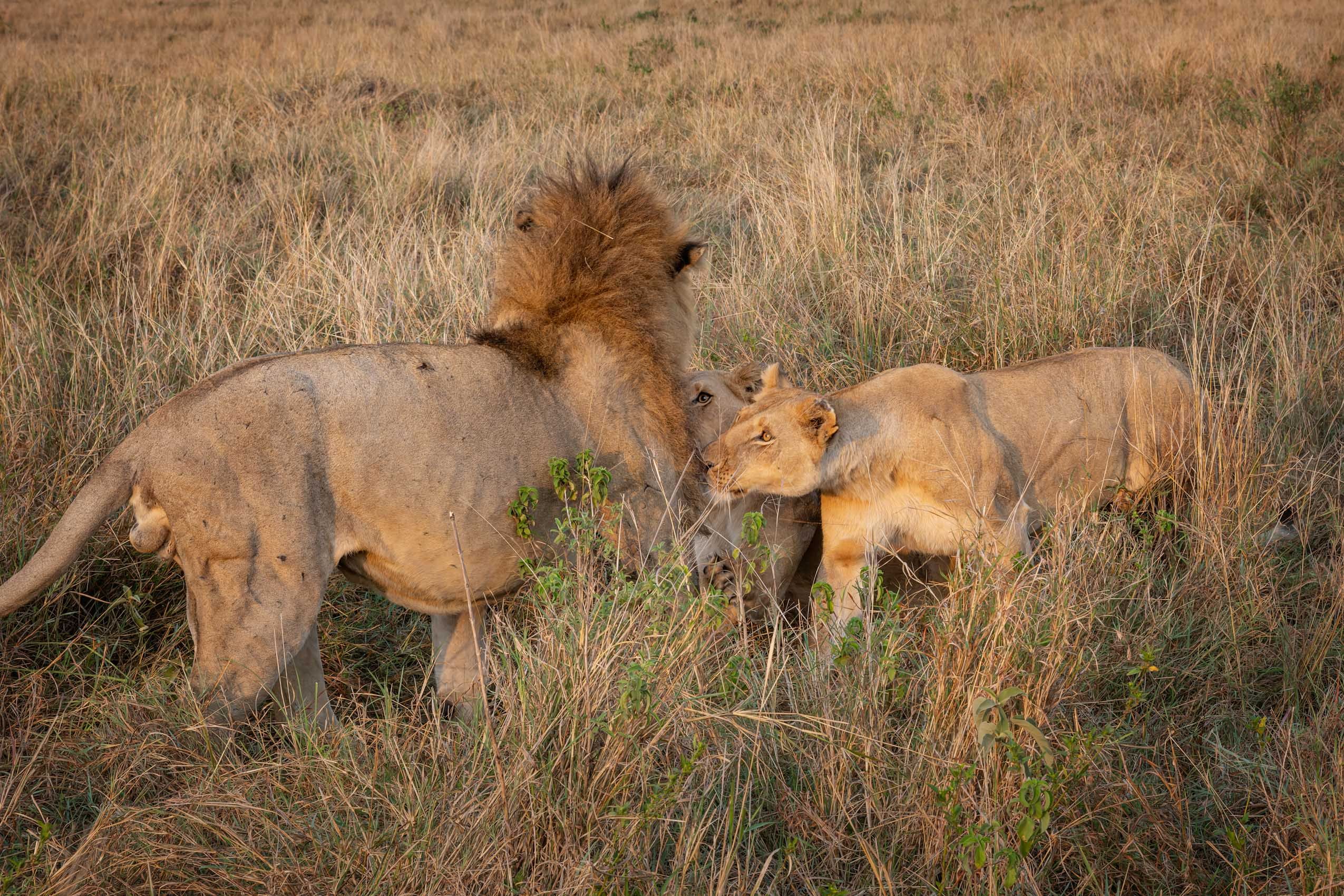
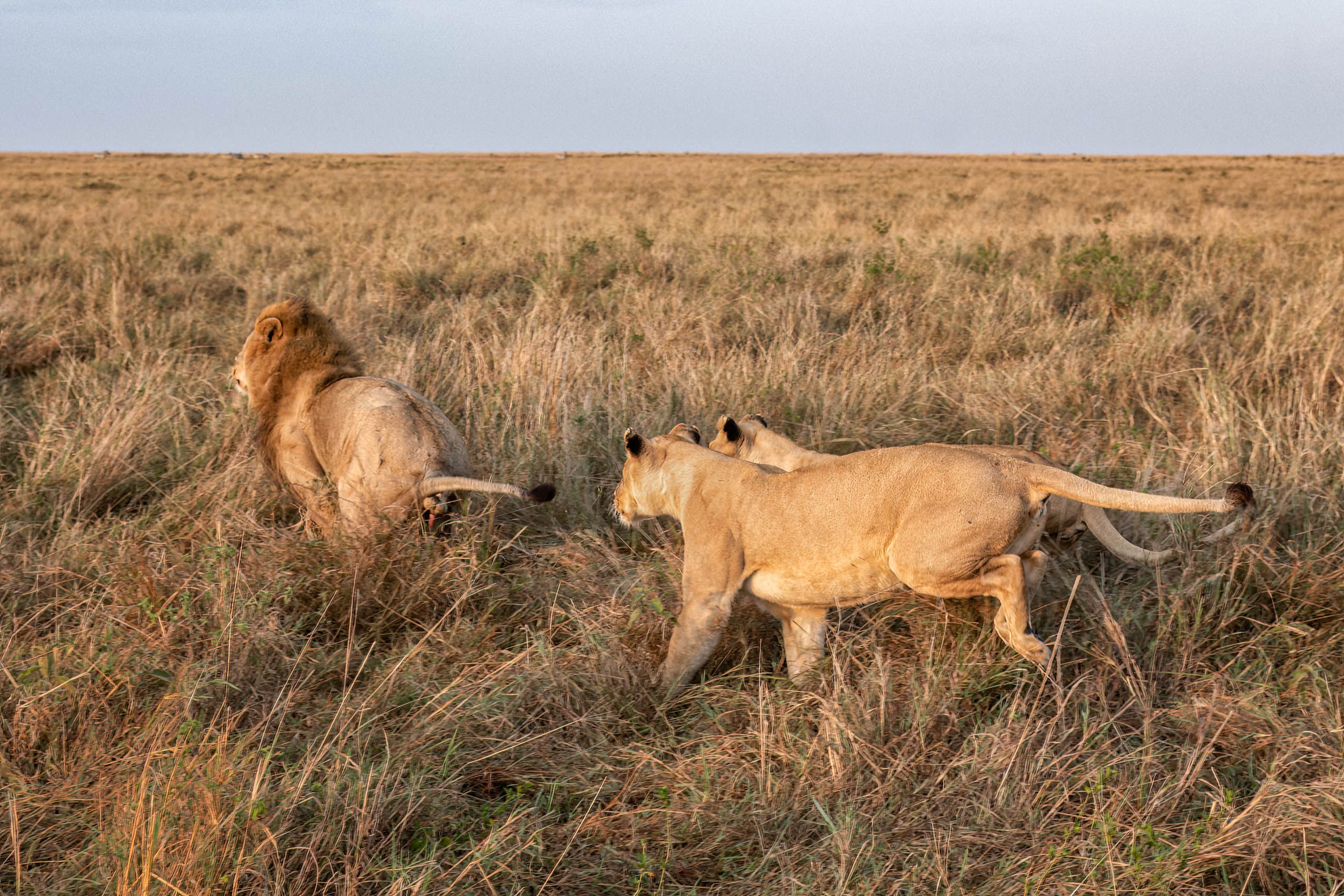
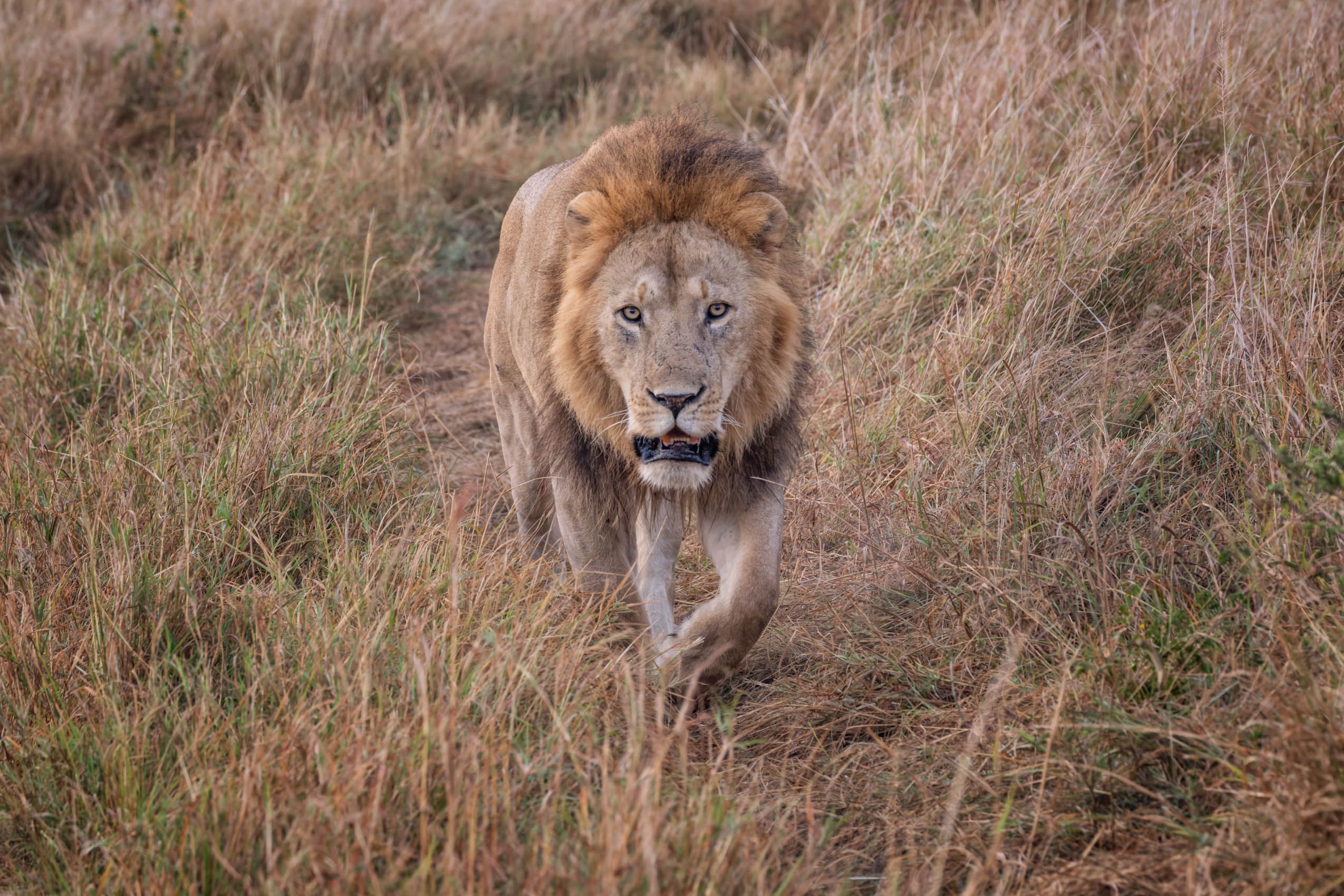
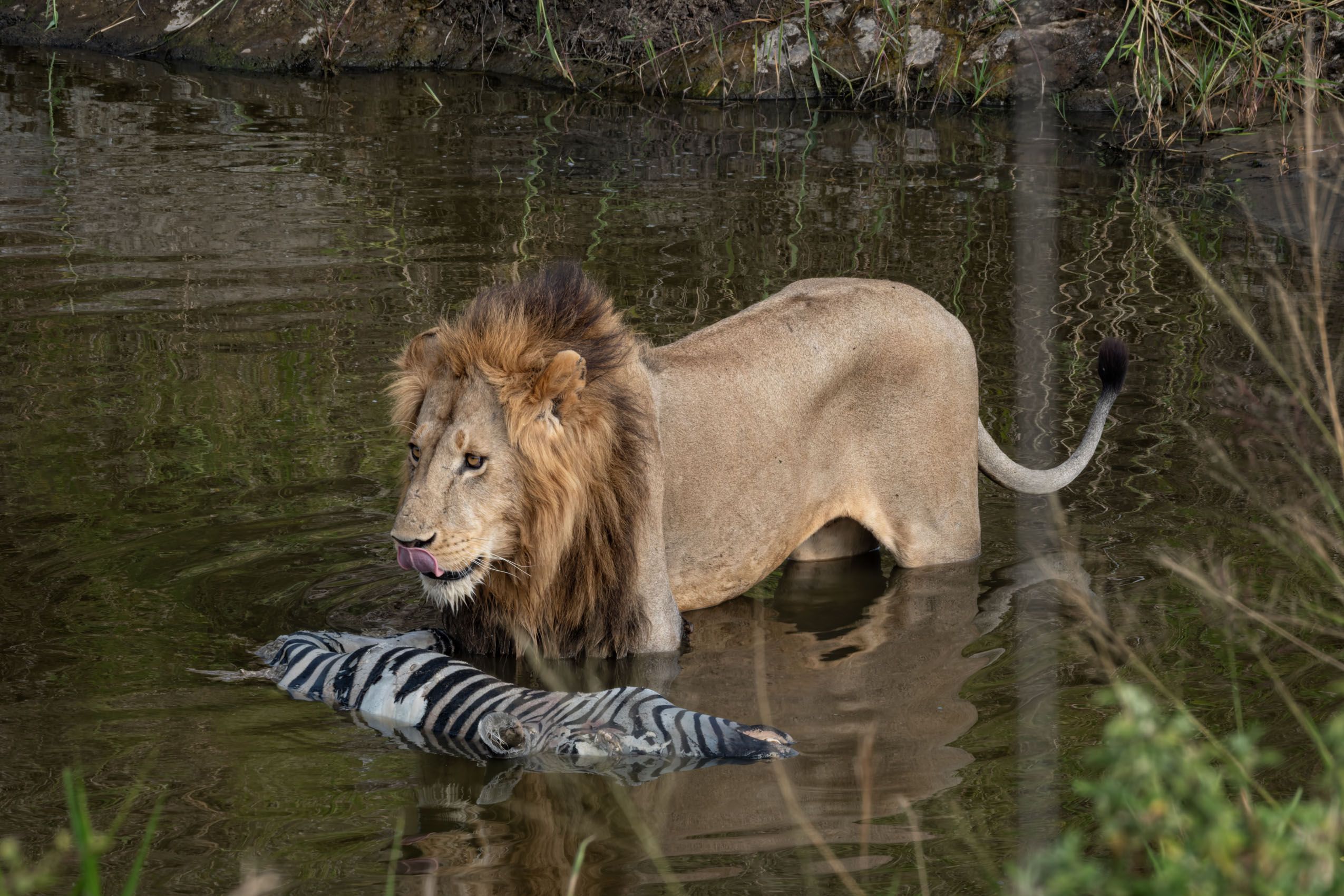
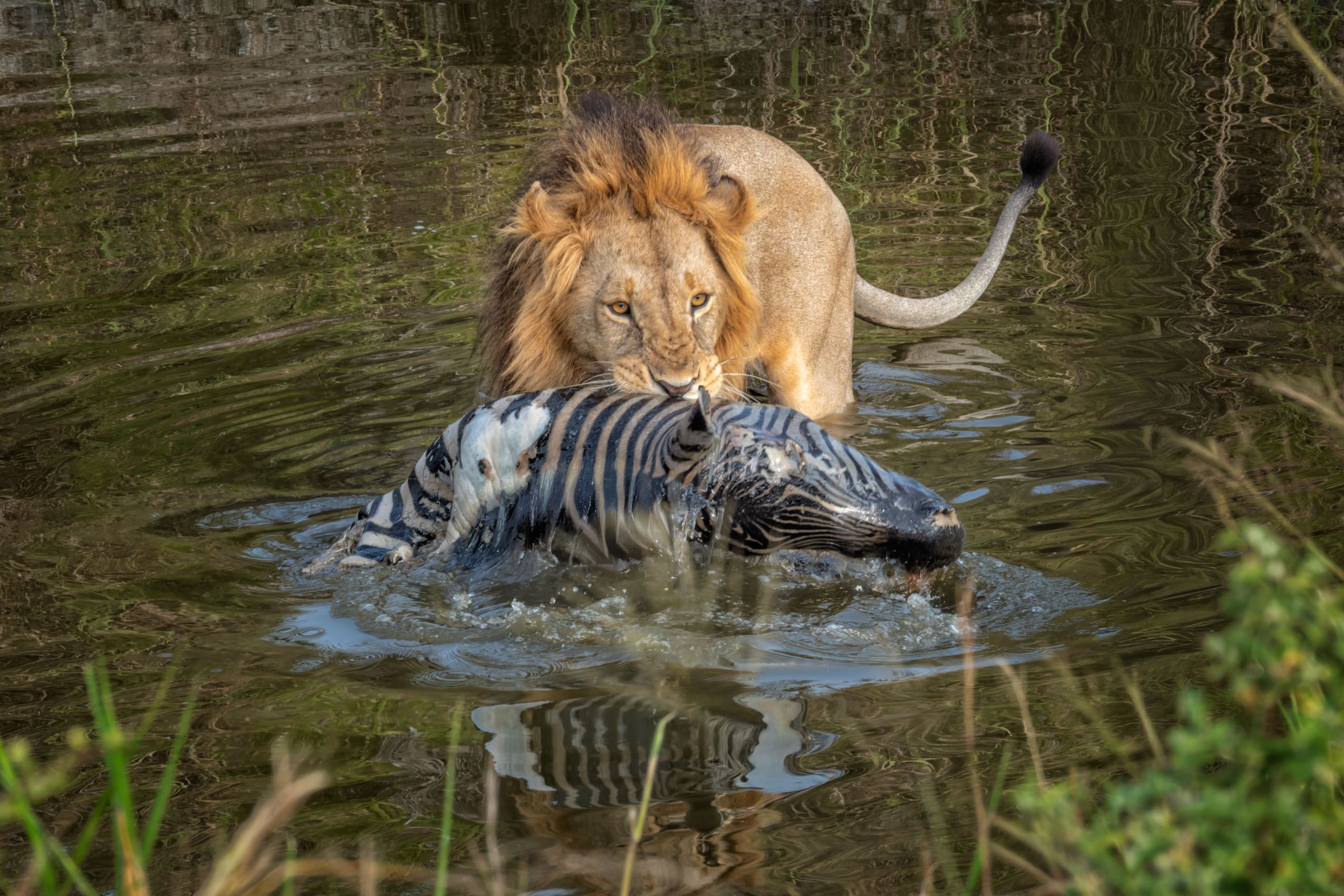
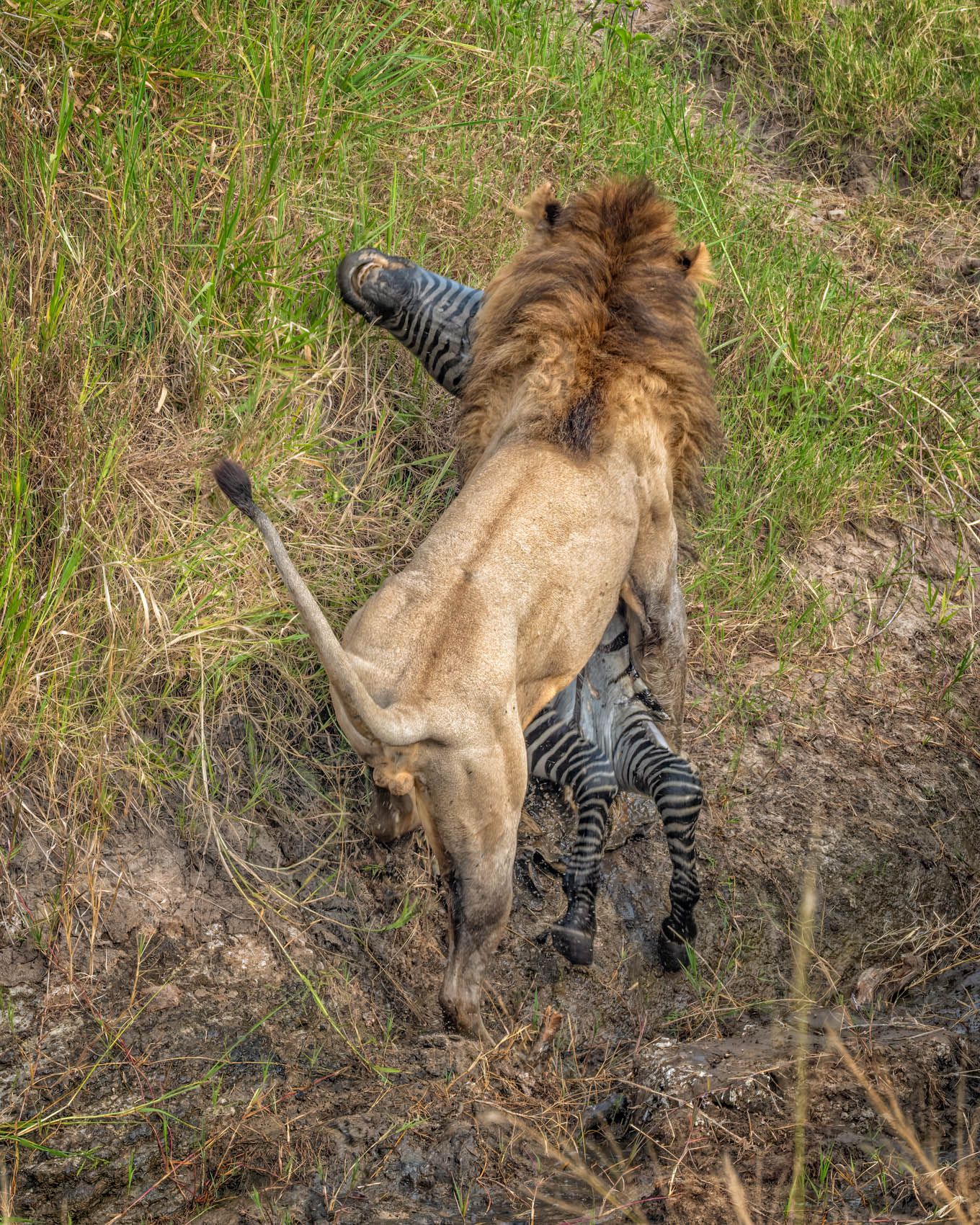
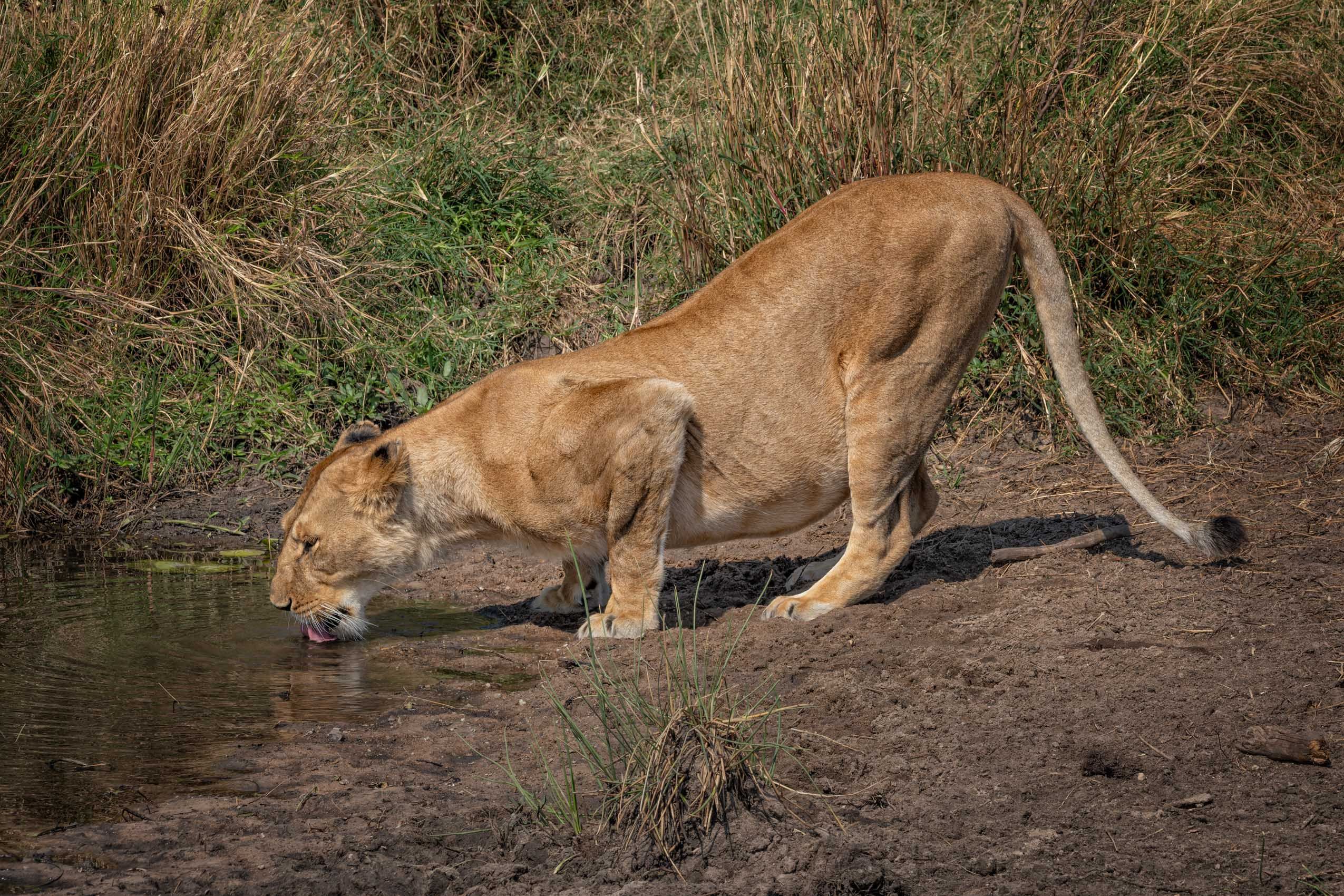
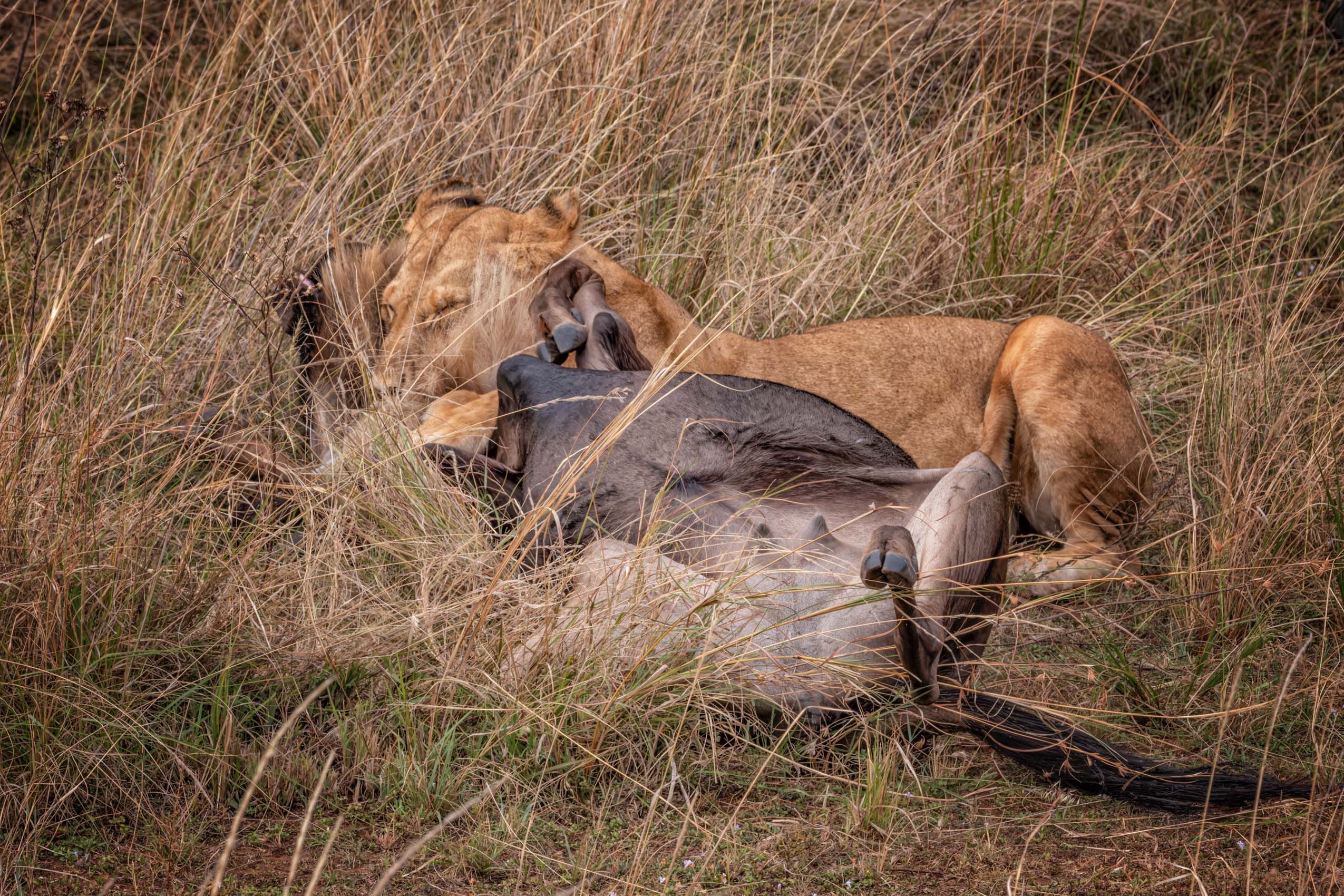
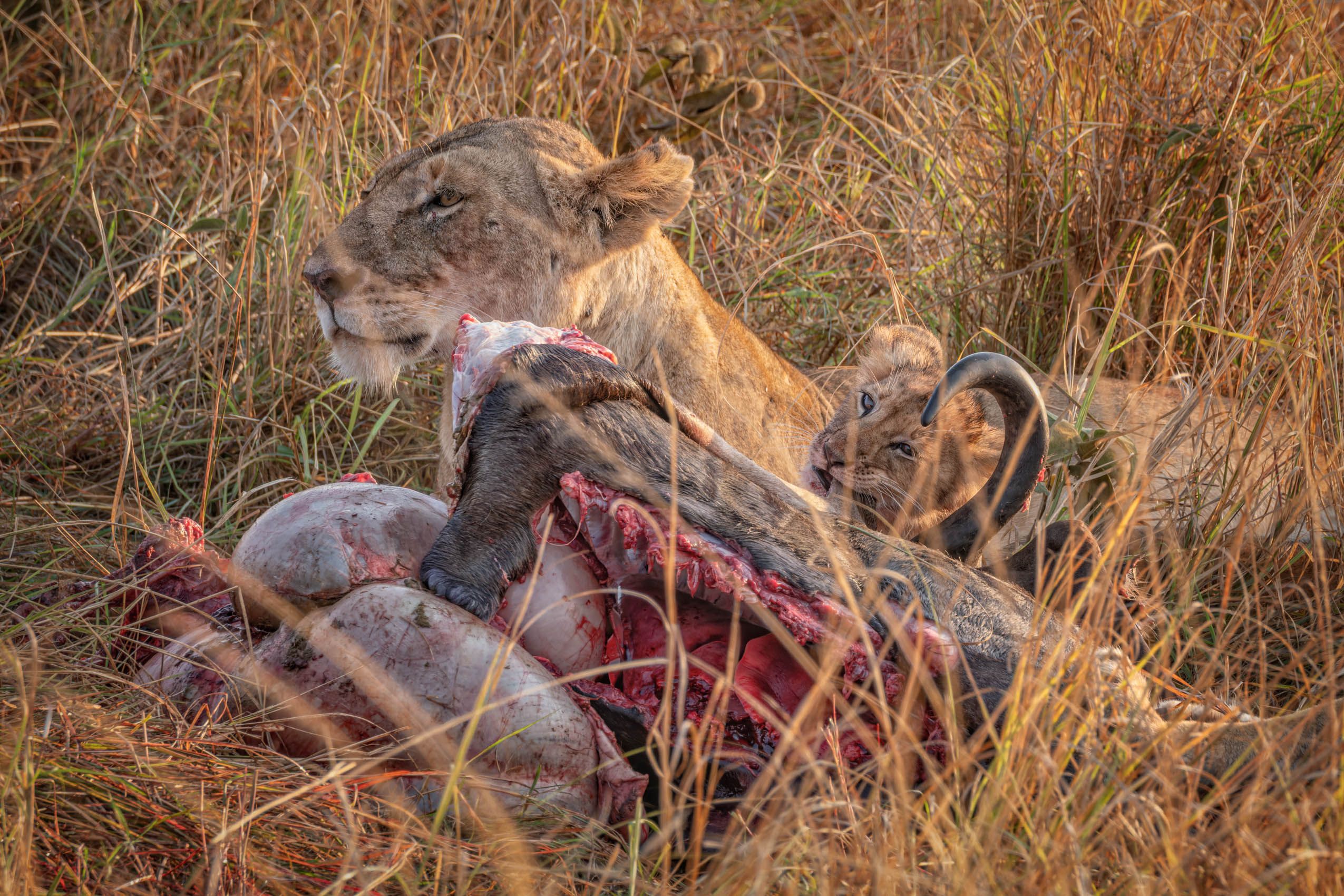
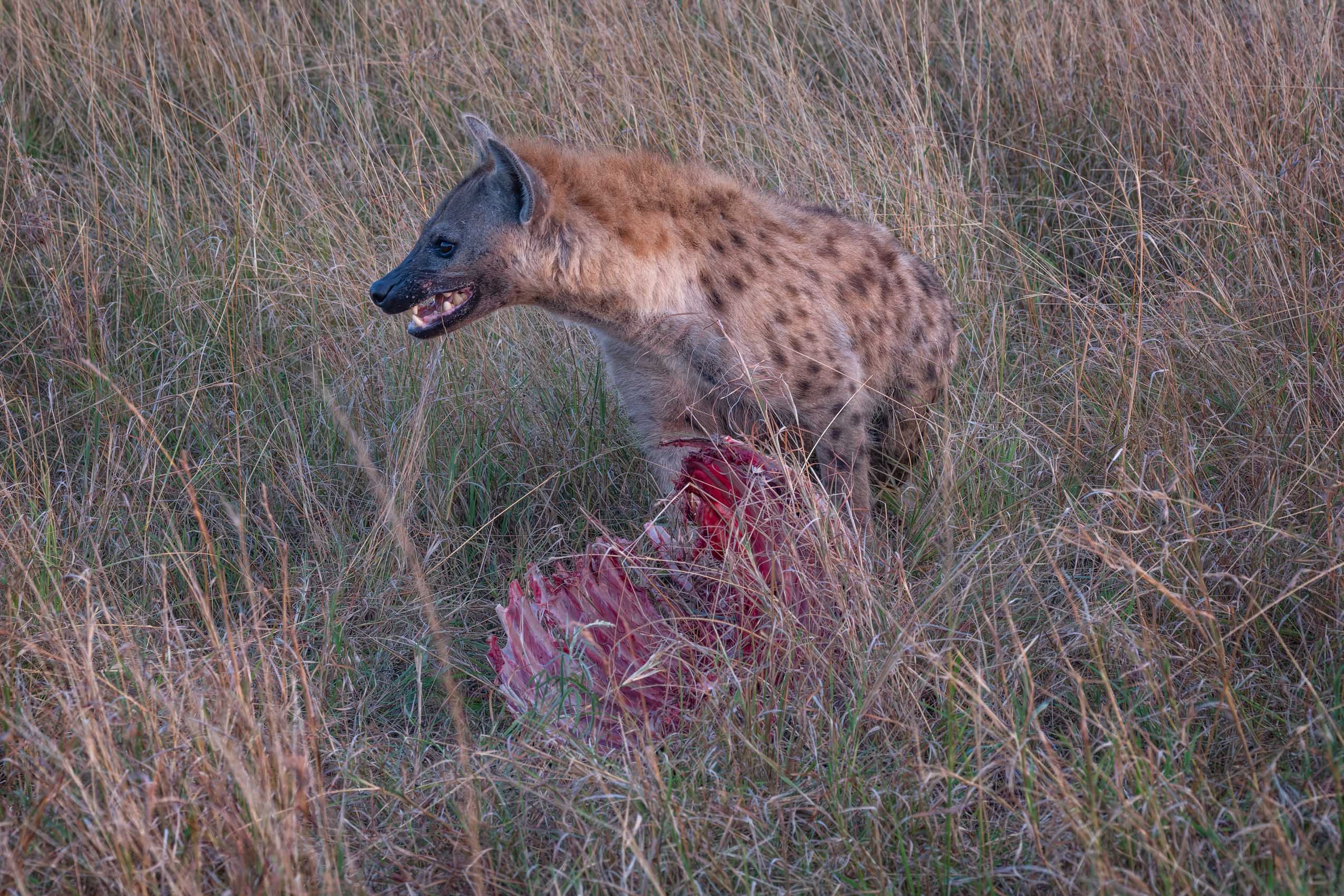
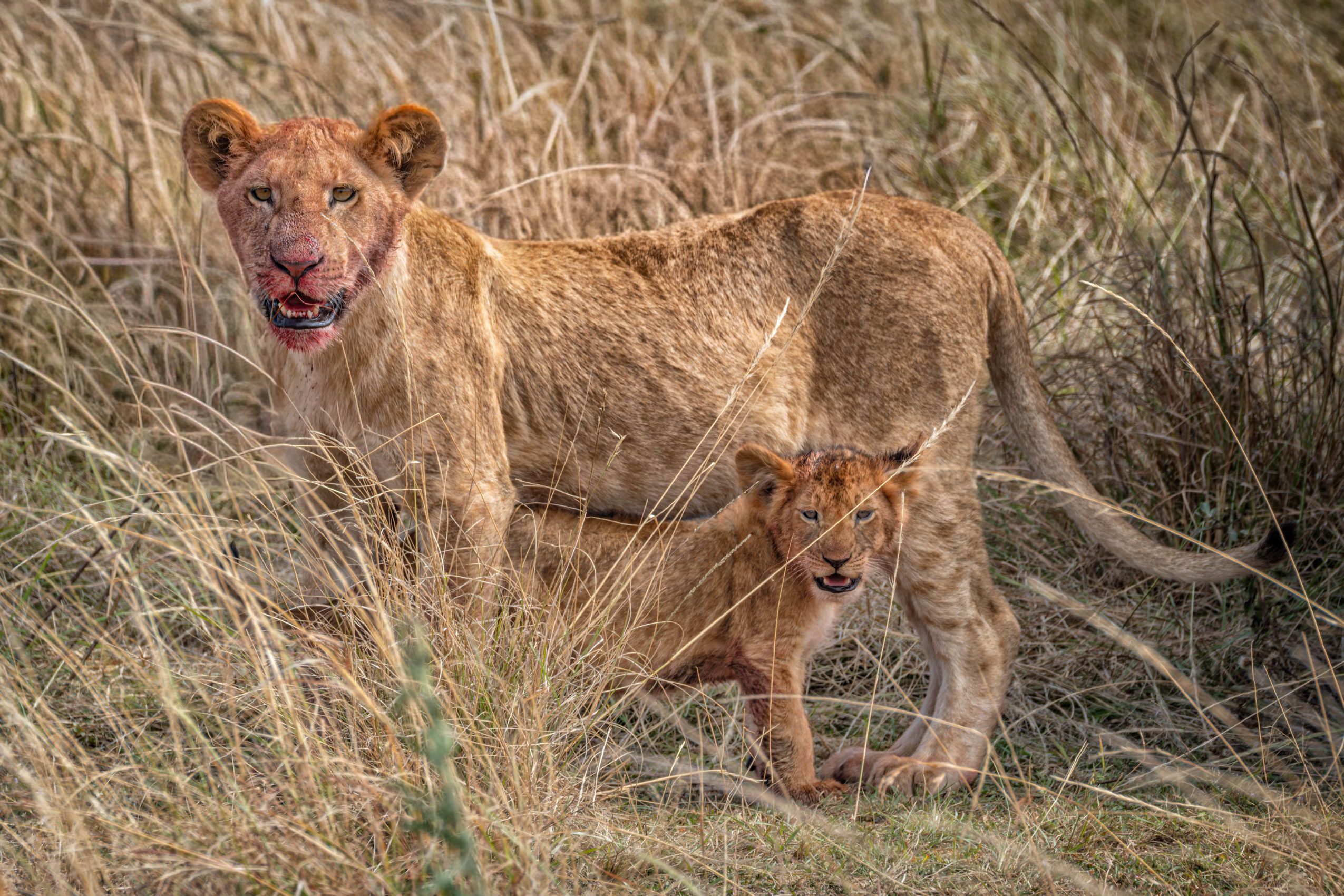
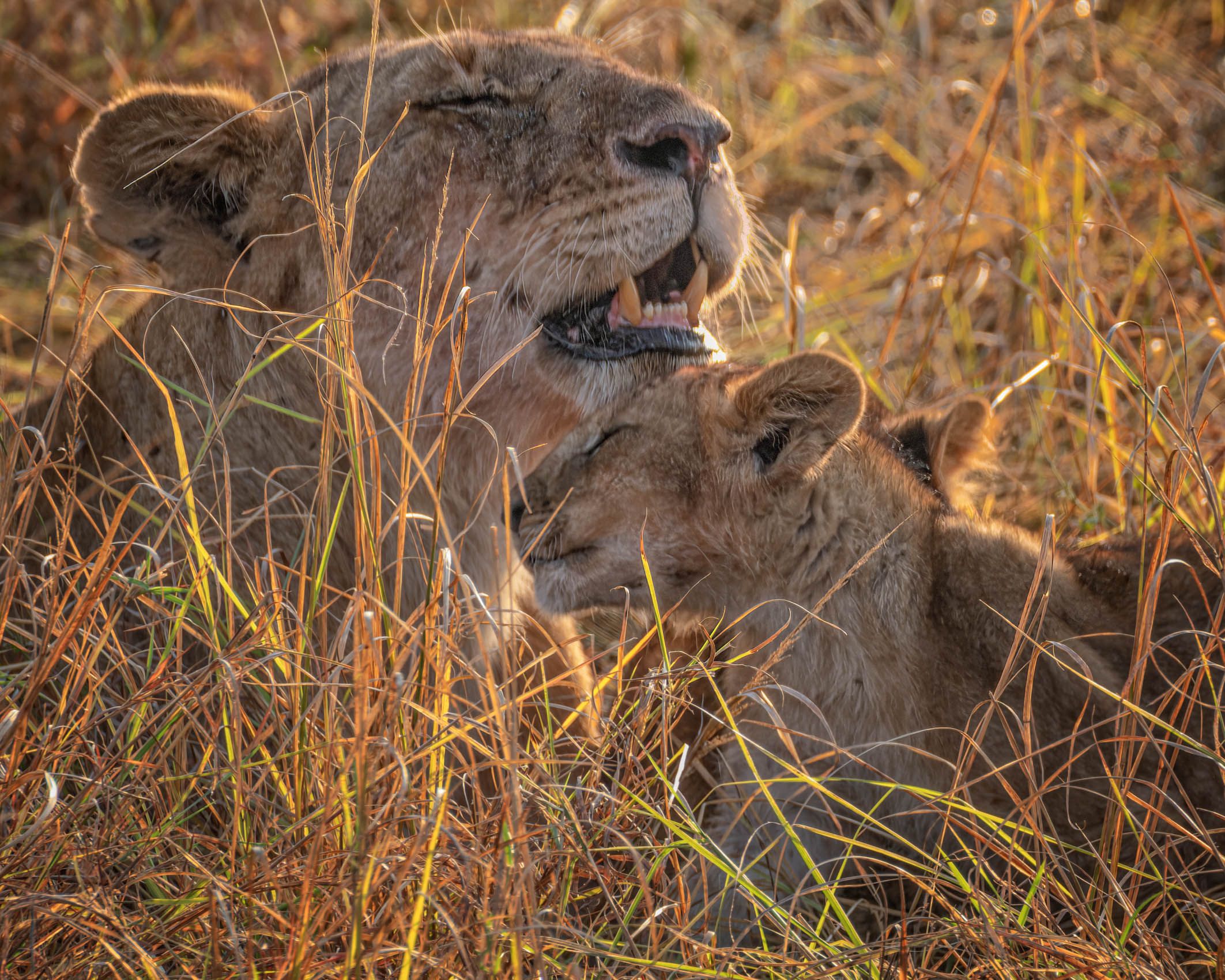
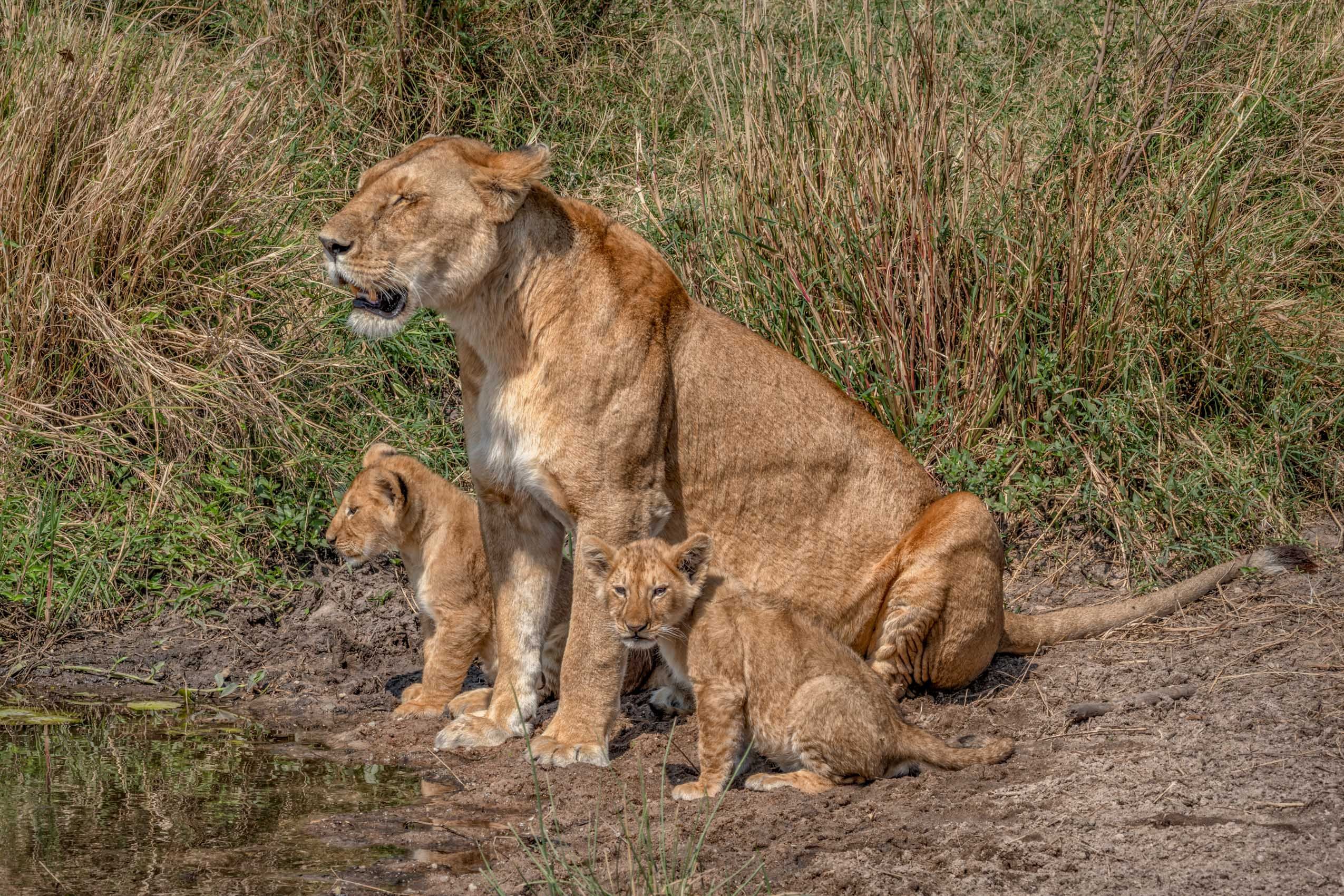
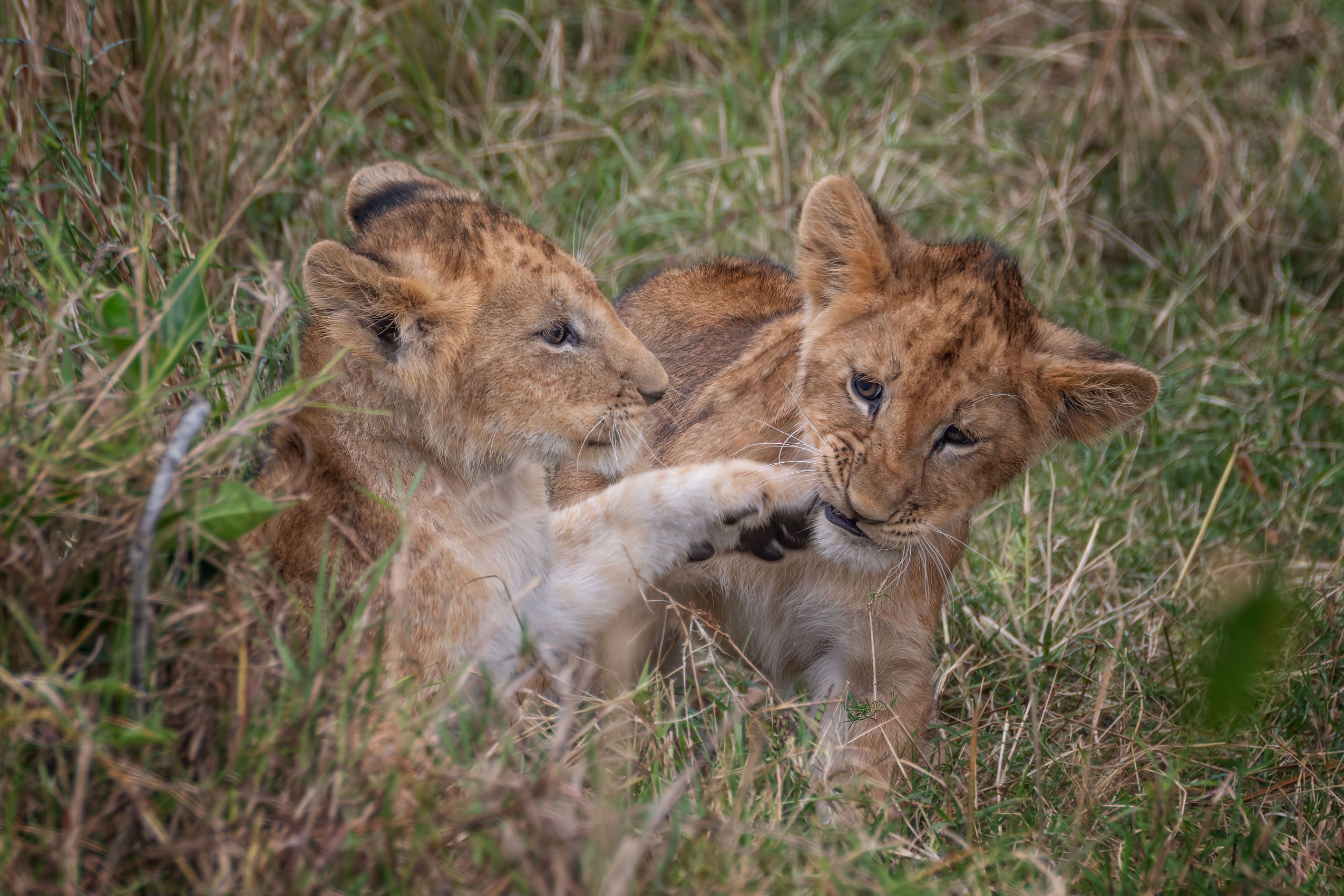
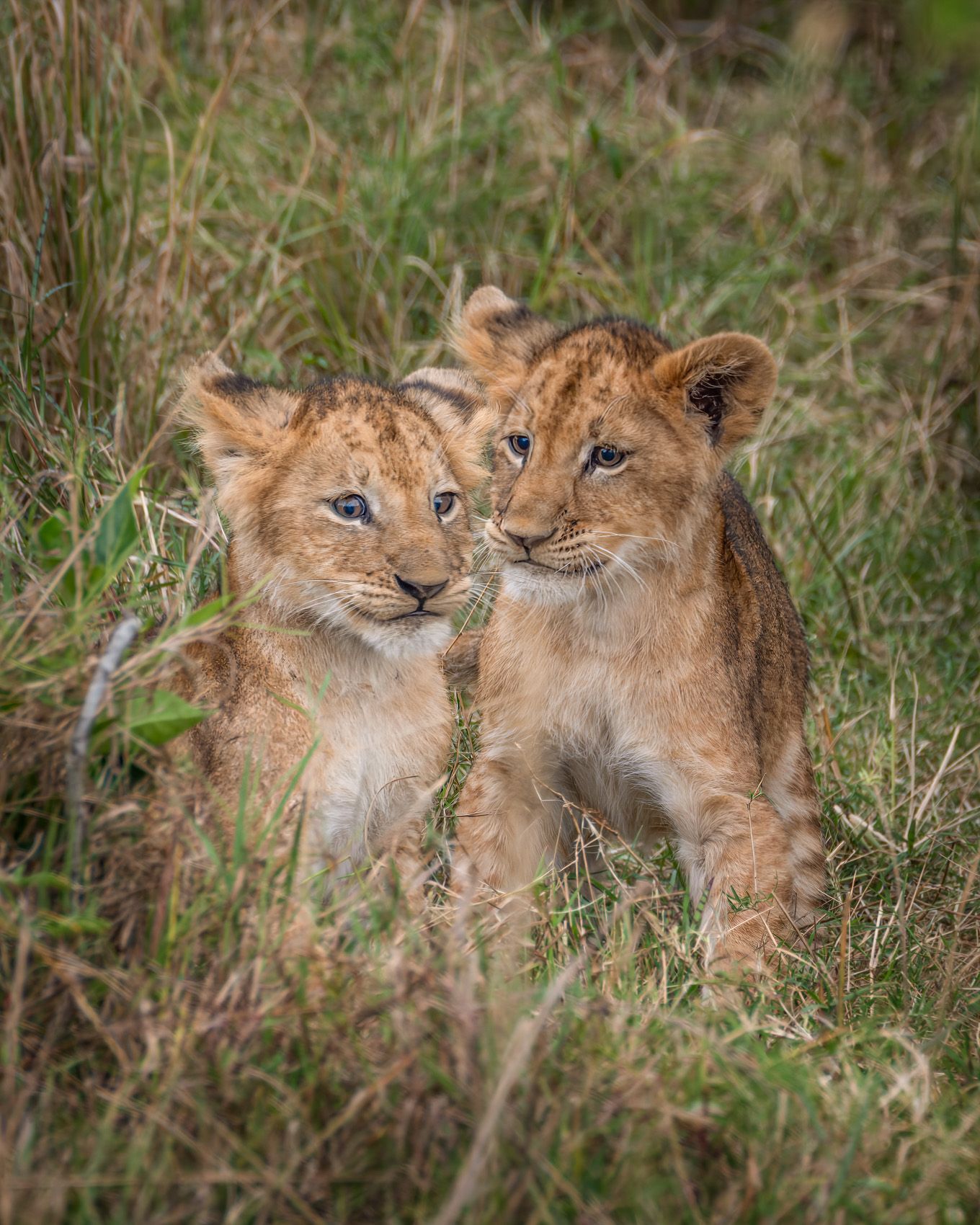
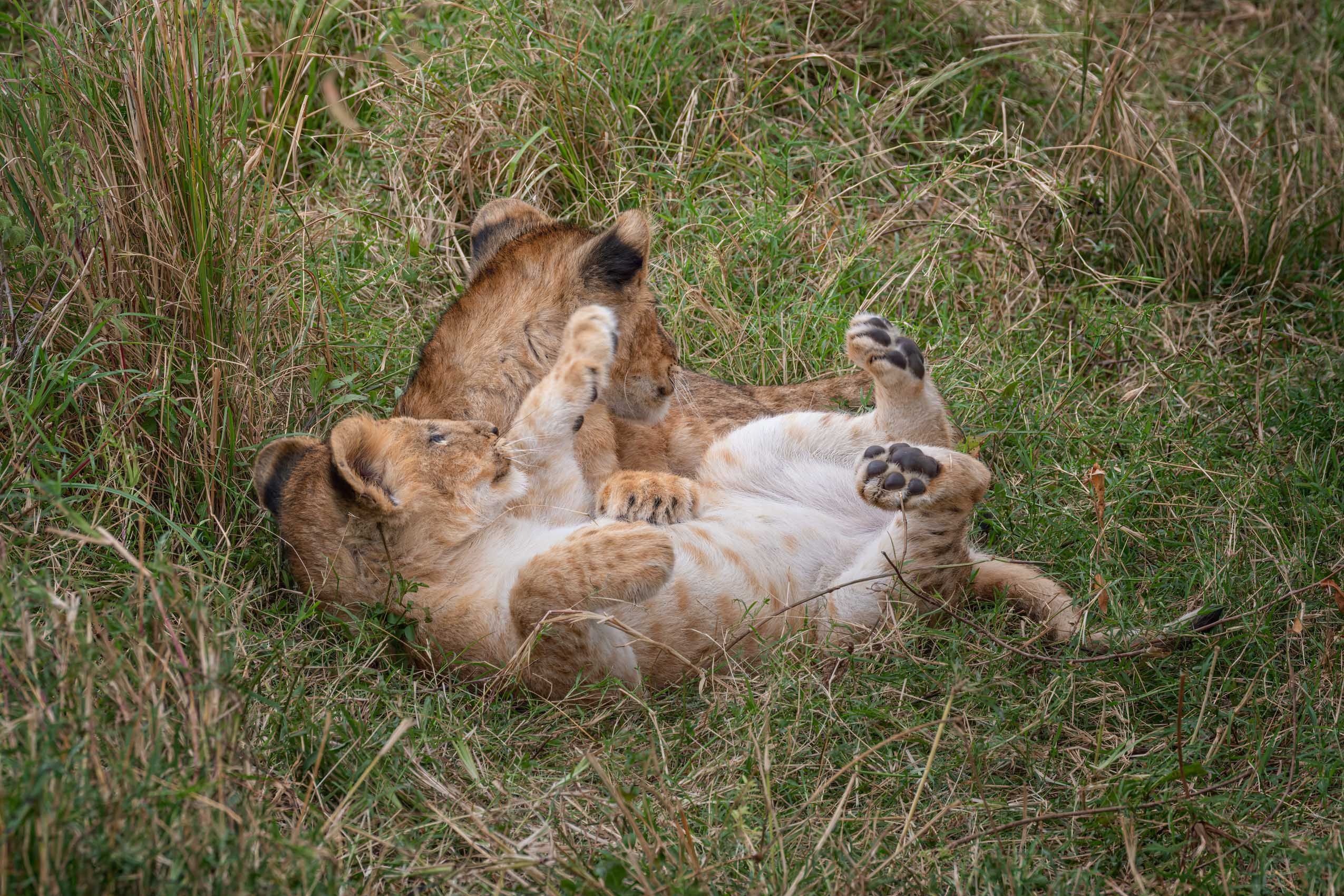
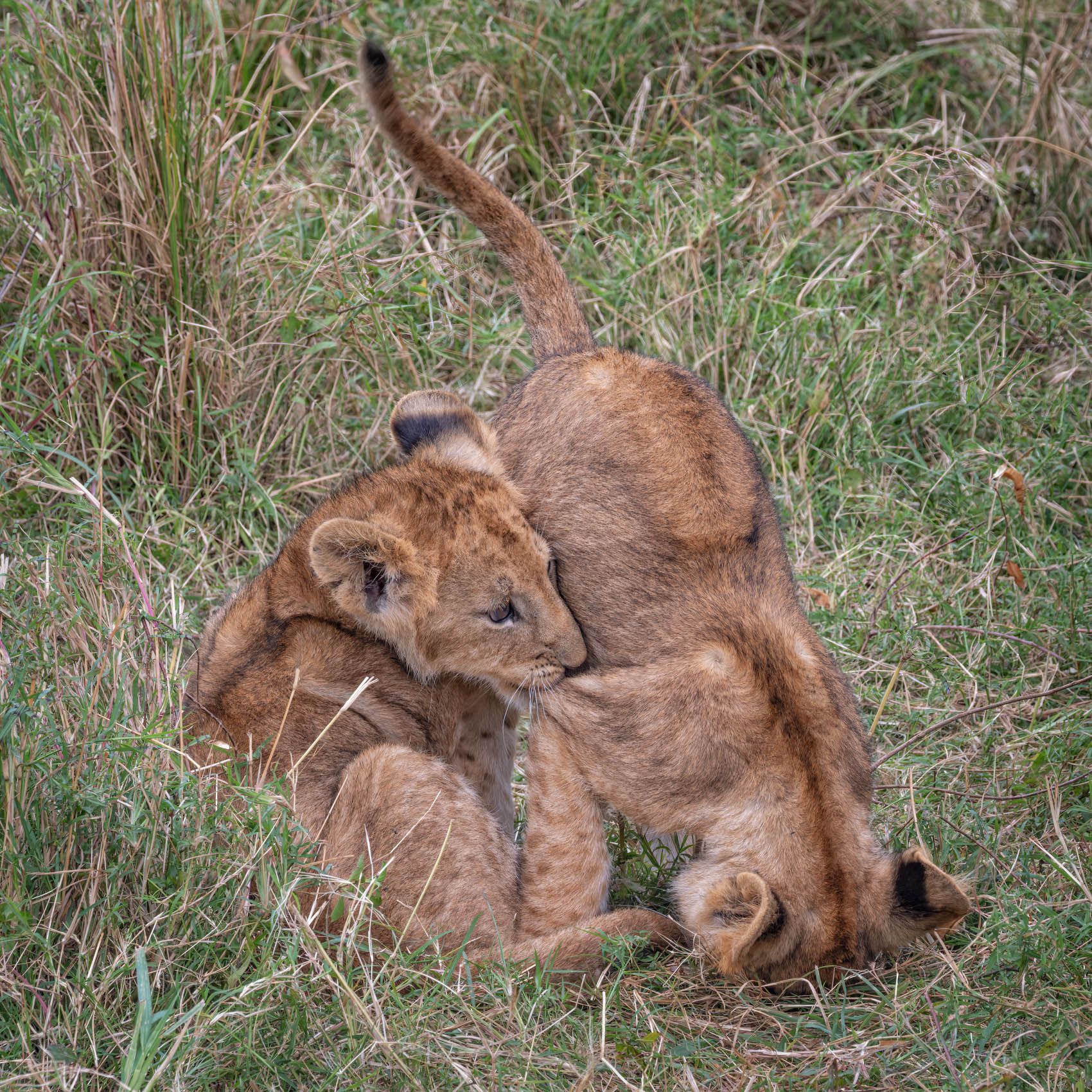
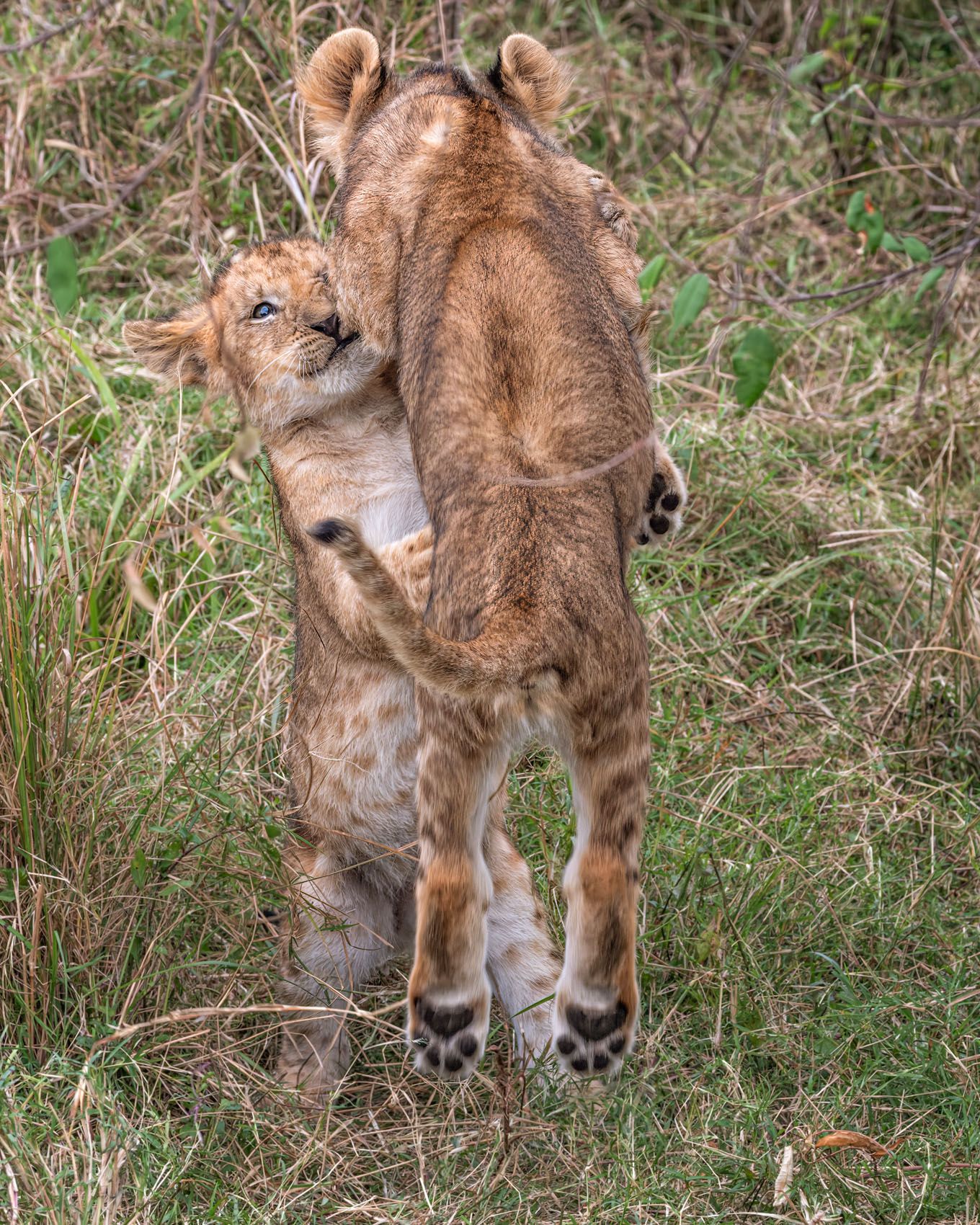
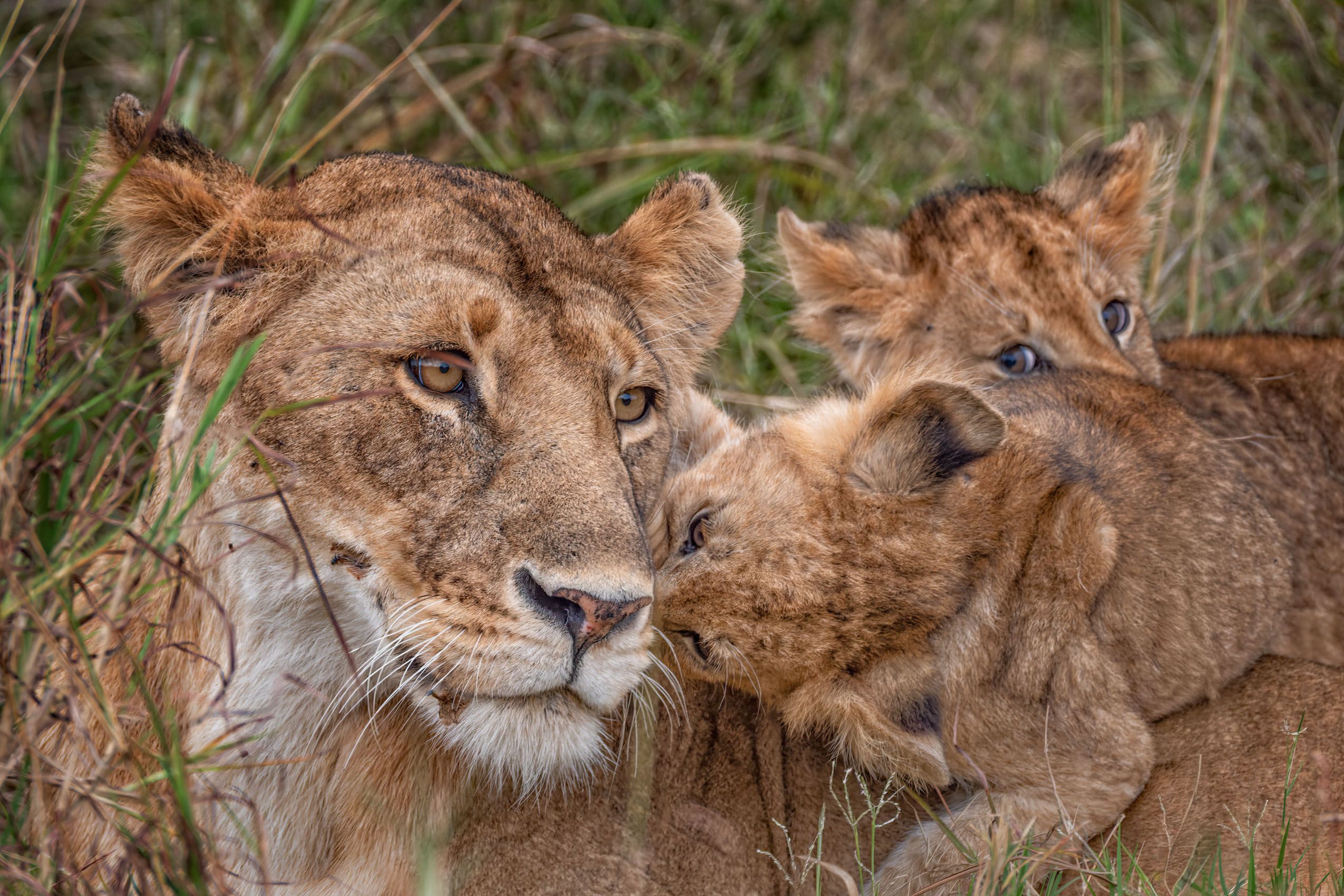
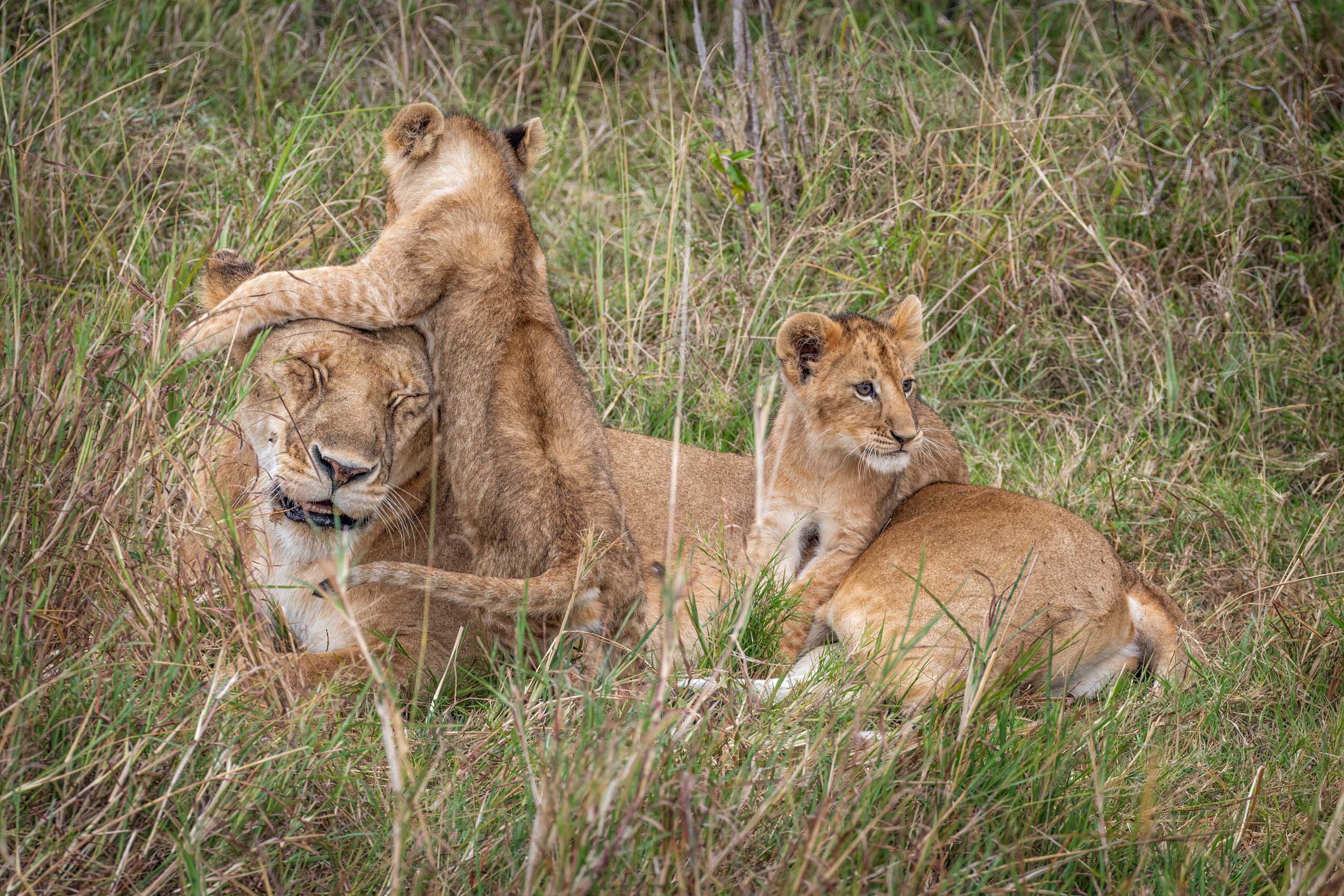
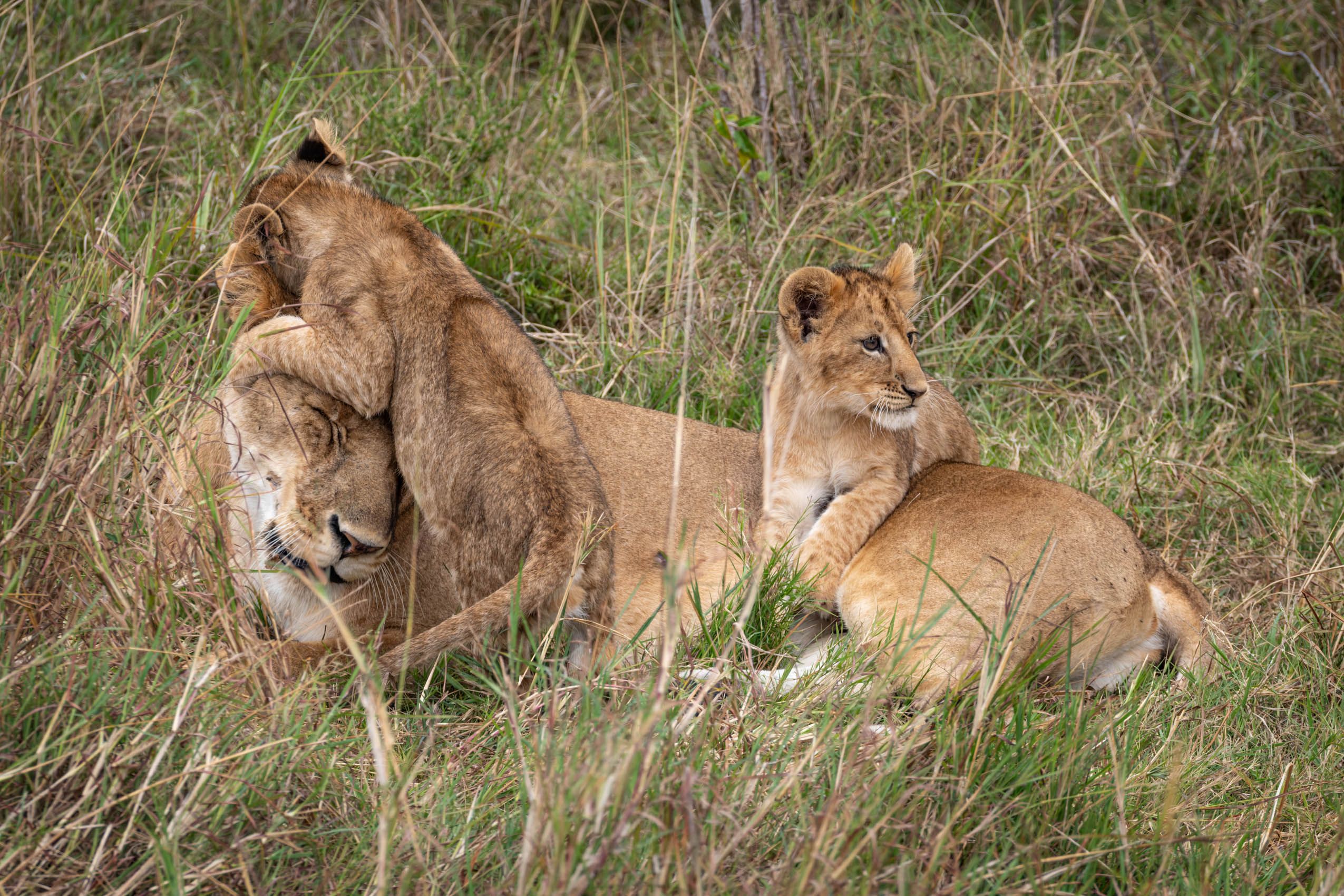
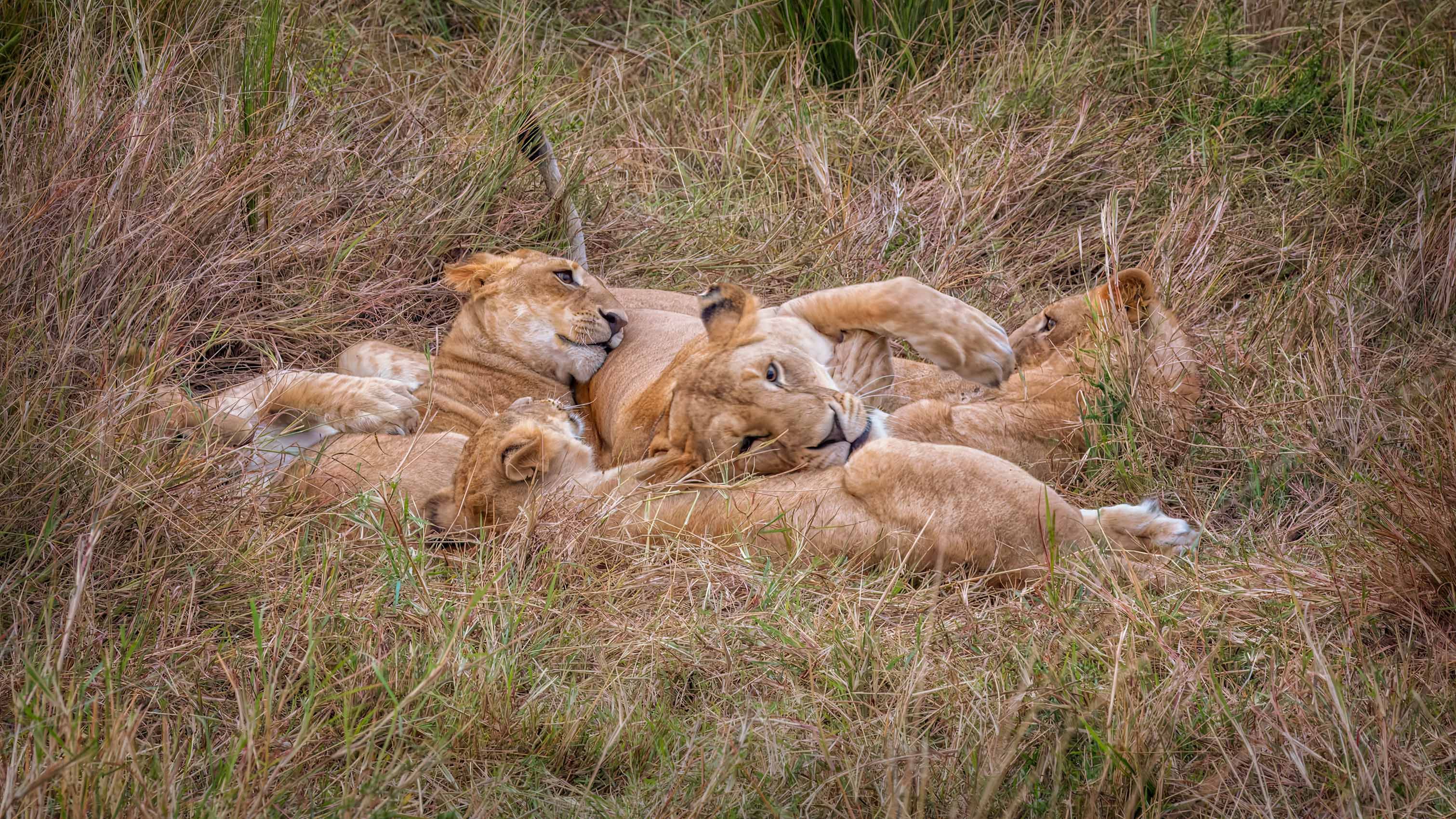
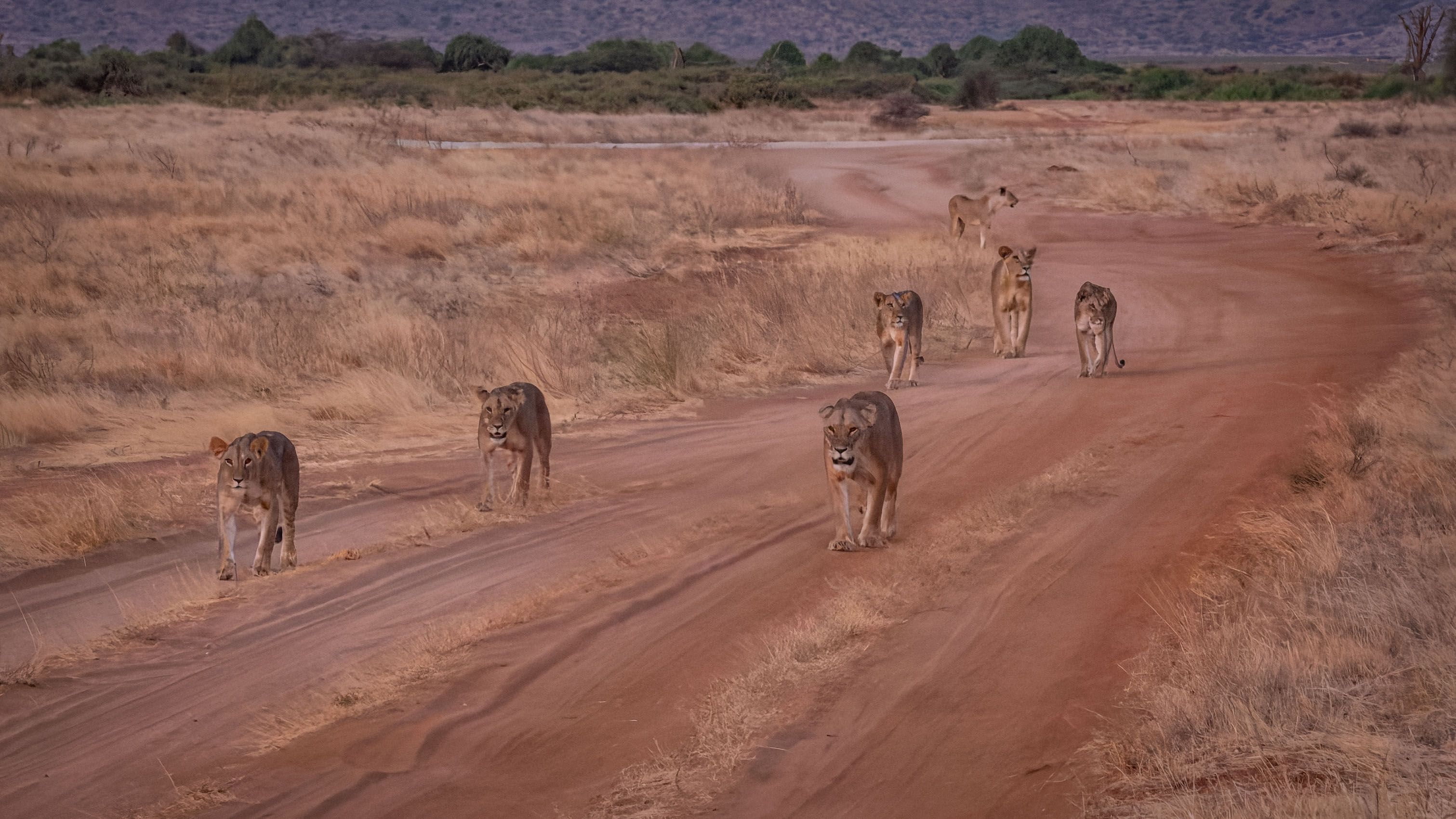
Perhaps the most striking aspect of twice daily safaris during a week at Masai Mara was the frequency of lion sightings—and particularly lion matings. This portfolio is a record of lion encounters during that week, which was notable for the range of behaviors displayed: hunting and feeding, scavenging, mating, driving away males from outside the pride, play, feeding and bonding among cubs and between cubs and female adults. These images illustrate some of the salient aspects of the rich and complex social life of lions.
Among the world's big cats, lions are the outlier. Where tigers, leopards, and jaguars live largely solitary lives, lions have built their entire survival strategy around sociality. Understanding lion behavior means understanding the pride — not as a loose aggregation of animals, but as a structured society with evolved norms governing reproduction, labor, hierarchy, and conflict.
Pride Organization
A lion pride typically consists of a core group of related females — mothers, daughters, sisters, and aunts — along with their cubs, and a coalition of one to four adult males who hold breeding privileges over the group. Prides can range from as few as three or four individuals to more than thirty in resource-rich habitats, though the average tends to run between ten and fifteen.
The female lineage is the pride's stable backbone. Females generally remain in their natal pride for life, forming a matriline that can persist across generations, while males disperse around the age of two to three years, driven out by the resident adult males as they approach sexual maturity. This asymmetry — female bonding paired with male dispersal — is central to lion social structure, since it prevents inbreeding and forces young males into a nomadic phase during which they must survive independently or in small bachelor coalitions until they're strong enough to challenge for a pride of their own.
Male tenure is inherently unstable. A coalition holds a pride only as long as it can defend it from rival males, and the average tenure is often just two to three years, sometimes less. This instability has profound downstream effects on nearly every other aspect of lion behavior, particularly around reproduction.
Male Coalitions and Takeovers
Males rarely hold a pride alone. Coalitions of two to four related or unrelated males — often brothers or former nomadic companions — cooperate to take and defend territory, since a single male is far more vulnerable to being overthrown. Larger coalitions tend to hold prides longer and sire more surviving offspring, which has made male-male cooperation, despite occasional internal competition over mating access, a favored evolutionary strategy.
When a new coalition successfully displaces the resident males, the takeover triggers one of the more brutal aspects of lion behavior: infanticide. Incoming males will often kill cubs sired by the previous male coalition. This is not random aggression but a reproductive strategy — a lioness nursing cubs will not come back into estrus, so eliminating unrelated offspring accelerates her return to fertility and allows the new males to sire their own young sooner. Females are not passive in the face of this; they may flee with cubs, band together to defend them, or in some cases become aggressive toward incoming males to protect their offspring, though outcomes vary and infanticide remains a major source of cub mortality.
Mating Behavior
Lions do not have a fixed breeding season; mating can occur year-round, though births often cluster when prey is abundant. A lioness in estrus will solicit a male's attention and the pair will go through a courtship period marked by close association, during which they separate somewhat from the rest of the pride.
Because lions are induced ovulators, a lioness requires the physical stimulation of repeated copulations to release her eggs. Once mating begins, it is remarkably frequent and brief. A pair may copulate every fifteen to twenty minutes over a span of several days, with each mating lasting only about twenty seconds. Copulation is often accompanied by the female snarling or swatting at the male immediately afterward, a behavior linked to the physical sensation caused by withdrawal of the male's backward barbed penis, which is thought to help induce ovulation. Over a single estrus period, a pair may mate hundreds of times. If a male becomes exhausted or loses interest, the female may actively pursue, swat, or nip him to demand another attempt. A lioness will sometimes mate with multiple dominant males within the pride coalition. The consequent ambiguity regarding paternity of cubs may motivate adult males to protect them collectively rather than commit infanticide.
Gestation lasts roughly 110 days, and litters typically contain two to four cubs, though this can range from one to six.
Raising Cubs
Lionesses give birth away from the pride, often in dense cover, and keep newborn cubs hidden for the first six to eight weeks of life. Cubs are born blind and helpless, opening their eyes within about a week and beginning to walk shortly after. This isolation period reduces the risk of predation — cubs are vulnerable not only to hyenas, leopards, and other outside threats, but, as noted above, to infanticide by unrelated male lions.
Once cubs are mobile, the mother reintroduces them to the pride, and this is where lion sociality shows its most cooperative face. Lionesses in a pride often give birth around similar times and will nurse each other's cubs communally, a behavior called allonursing. Cubs are also cared for collectively — guarded, groomed, and to some extent disciplined by any adult female in the pride, not just their biological mother. This communal rearing improves cub survival, since a group of adults can better defend young from predators and from the ever-present risk of a coalition takeover.
Cub mortality is nonetheless high, with estimates suggesting that less than half survive to adulthood, driven largely by infanticide, starvation during lean periods, and predation. Cubs begin eating meat from kills at around three months while continuing to nurse, and are typically fully weaned by six months. Play — stalking, pouncing, wrestling with littermates — is a major part of cub development and serves as practice for the hunting and social skills they'll need as adults.
As cubs mature, the paths of males and females diverge sharply. Young females usually remain in the pride and are gradually integrated into the adult female coalition. Young males, by contrast, are expelled around the time of sexual maturity, whether by the pride's resident males or simply as a consequence of increasing social tension, beginning a nomadic period that can last two years or more before they're able to compete for a pride of their own.
Male-Female Dynamics Beyond Mating
Outside of the mating period, male and female lions occupy fairly distinct behavioral roles within the pride, though the popular image of an idle male doing nothing while females do all the work is an oversimplification. Adult males are primarily responsible for territorial defense — patrolling boundaries, roaring to advertise their presence (a male roar is audible for several kilometers), and confronting rival males or other threats, sometimes at real physical risk. Females, meanwhile, do the bulk of the hunting, particularly for larger, more dangerous prey, using coordinated group tactics that individual lions couldn't manage alone.
Males, being significantly larger and more powerful, will often assert priority access to a kill even though the females did the hunting. This may vary by pride and by individual relationships, but size-based dominance at a carcass is a recurring feature of lion feeding behavior. Despite this, males do contribute meaningfully to pride welfare — their territorial defense directly protects the food supply and the cubs, and a strong male presence deters both rival lions and other predators like hyena clans from harassing the pride.
Grooming, head-rubbing, and vocal contact calls are common affiliative behaviors between males and females and among females themselves, reinforcing social bonds that matter for coordinated hunting and collective defense.
Scavenging Behavior
Lions are frequently described as apex predators, but they are also opportunistic scavengers, and the two roles overlap more than is often appreciated. Lions will readily appropriate kills made by other predators — a practice called kleptoparasitism — targeting cheetahs, leopards, and especially spotted hyenas, whose kills lions steal with some regularity given the size advantage lions hold over them. In some ecosystems, a substantial share of a lion's diet may come from stolen or scavenged food rather than kills they made themselves.
The relationship between lions and hyenas in particular is one of mutual kleptoparasitism: while lions steal hyena kills, hyena clans will just as readily steal from or mob a lone lion or small group at a carcass, and the two species compete directly for the same prey base across much of their shared range. This rivalry is one of the more visible interspecies conflicts in African savanna ecosystems, and it shapes lion behavior in areas where hyena densities are high, sometimes pushing lions toward more diurnal activity to avoid confrontation.
Vultures and other scavenging birds often serve as an indirect cue for lions searching for scavenging opportunities, since circling vultures can signal a fresh carcass, whether from another predator's kill or an animal that died of natural causes.
Conclusion
What emerges from lion behavior, across mating, cub-rearing, territorial defense, and feeding, is a species whose survival strategy depends fundamentally on group living, even where that group living imposes real costs — infanticide during takeovers, size-based competition over food, high cub mortality. The pride's stability rests on the enduring female matriline, while its reproductive and territorial fortunes rise and fall with the tenure of whichever male coalition currently holds it. That tension between long-term female continuity and short-term, high-stakes male competition is, in many respects, the defining feature of how lions live.