
SPAIN: Semana Santa in Toledo and Sevilla
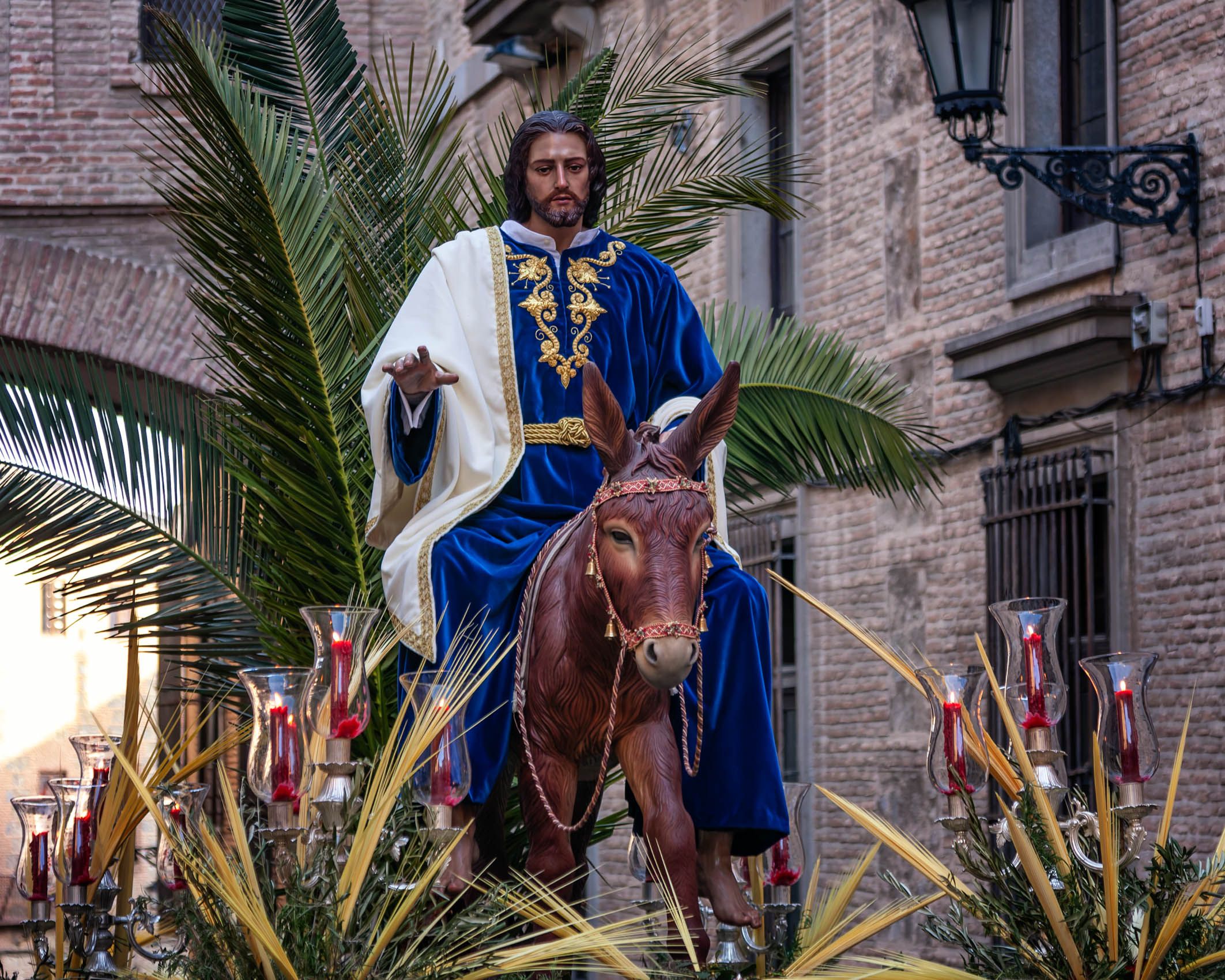
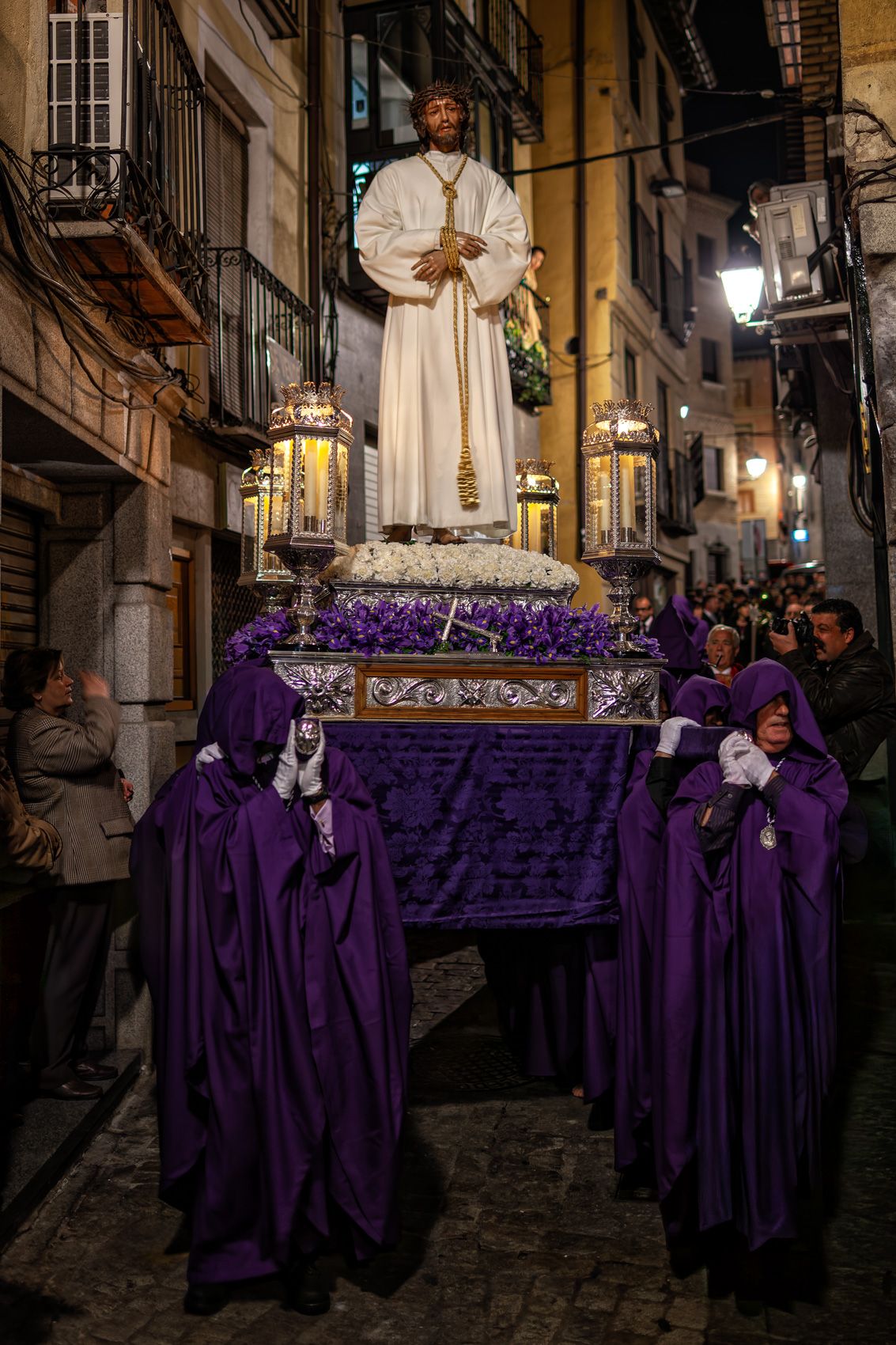
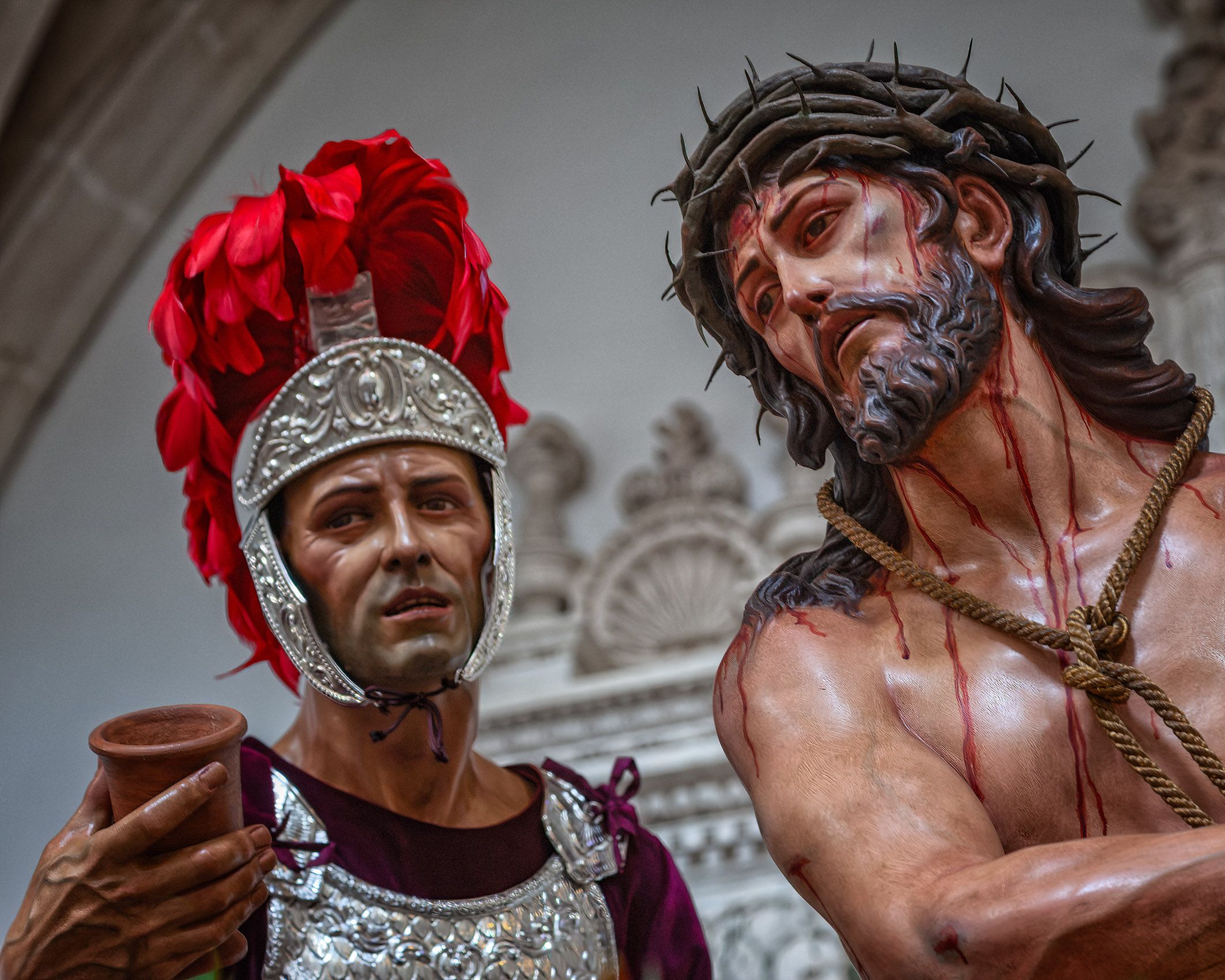
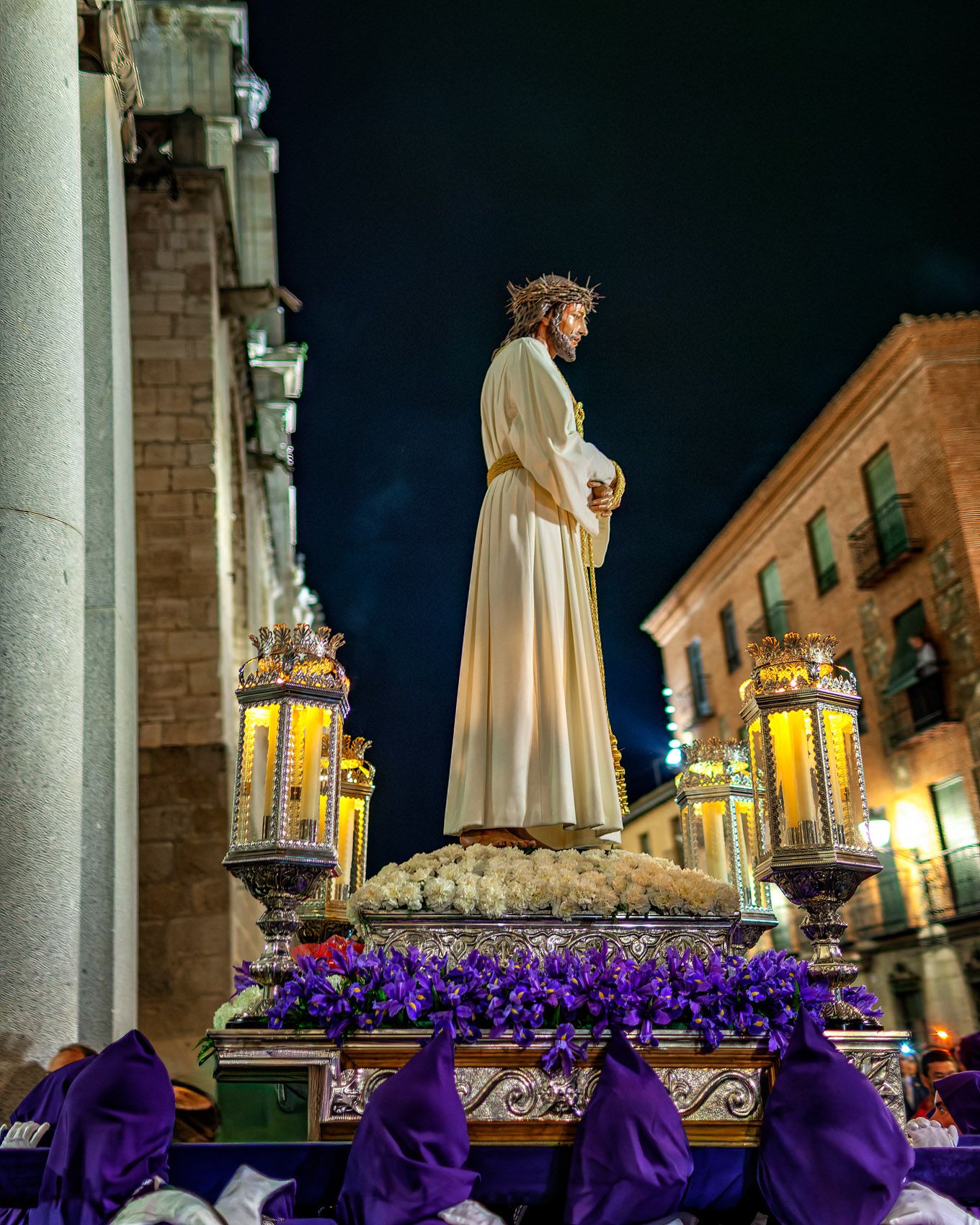
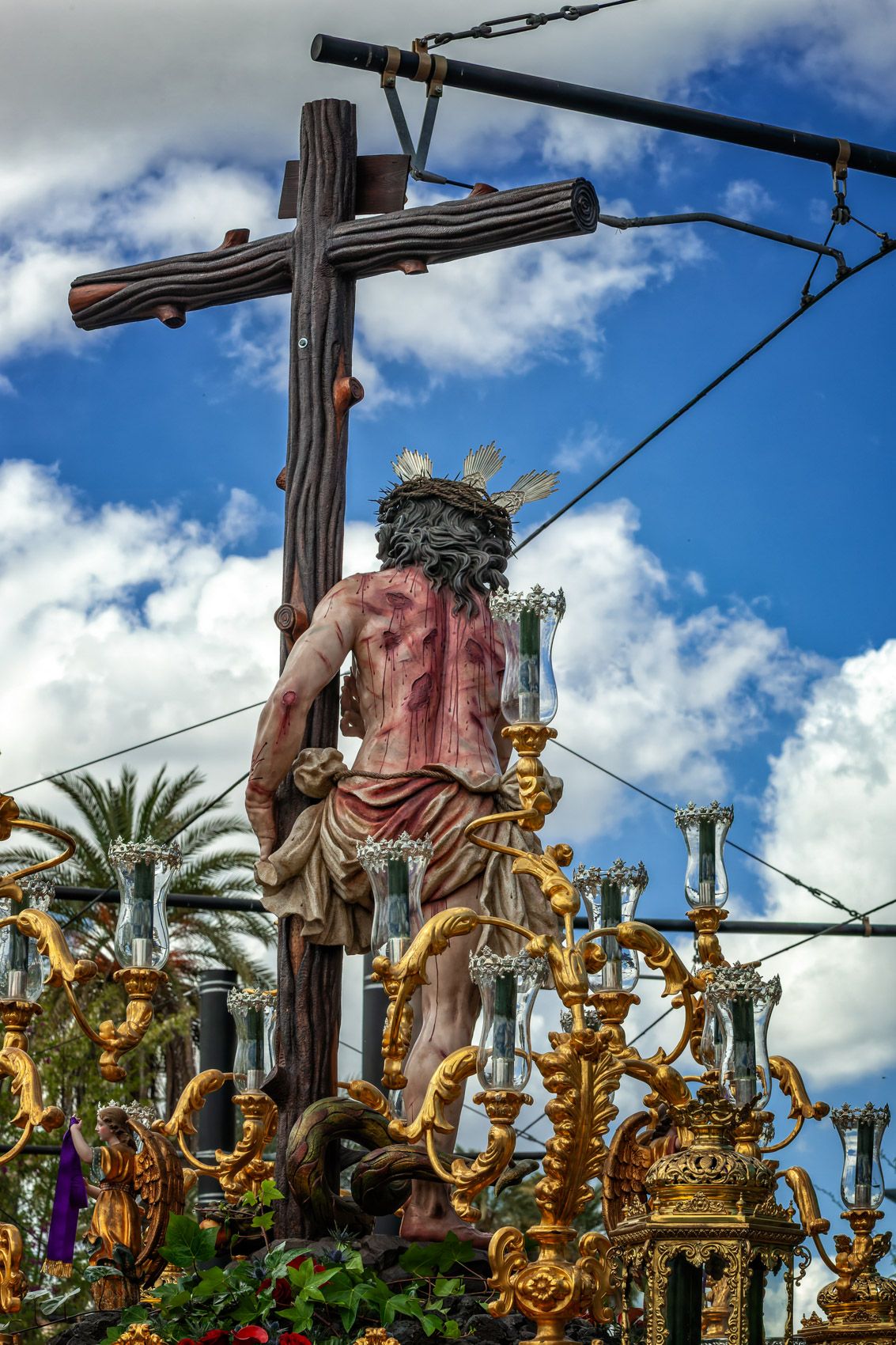
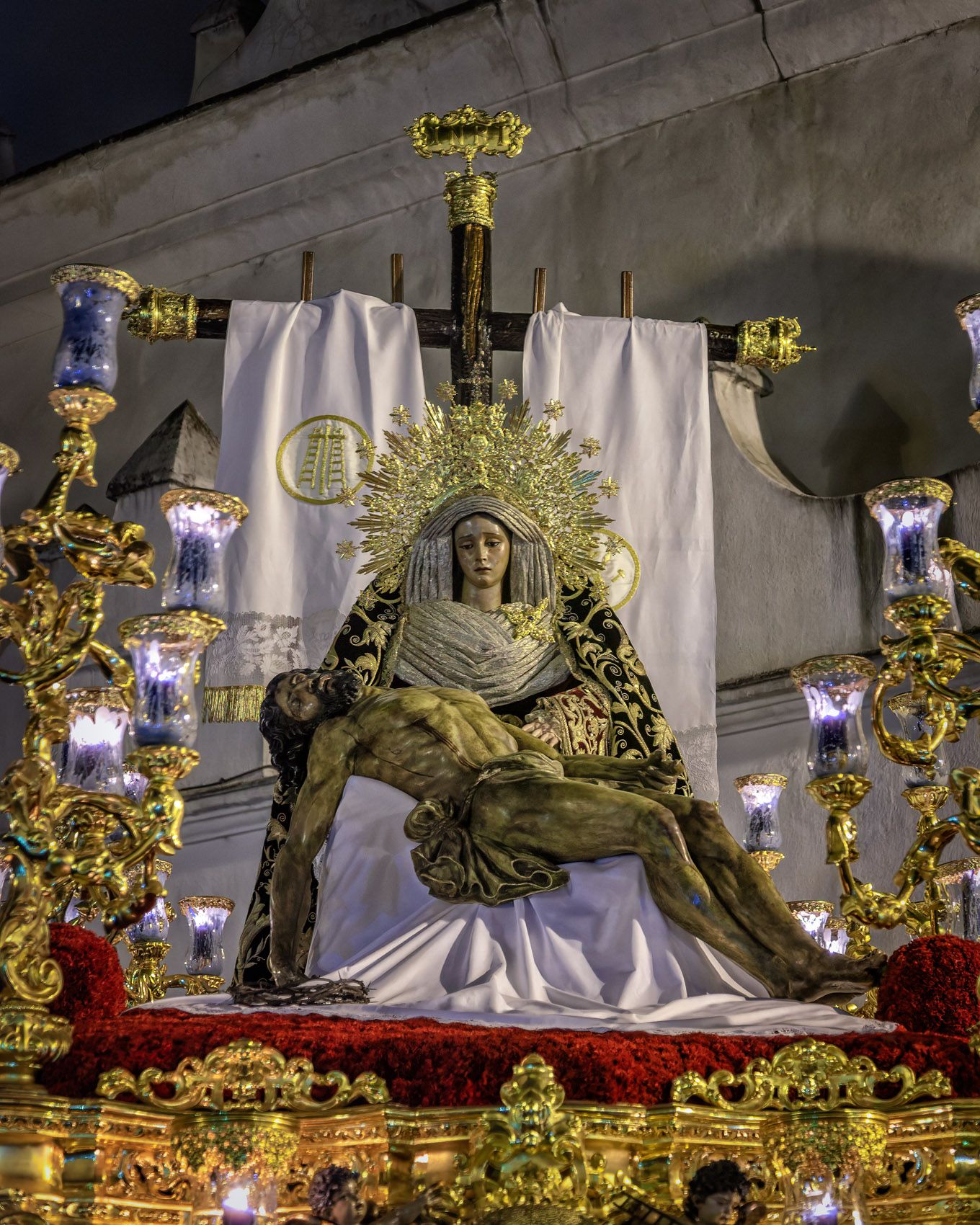
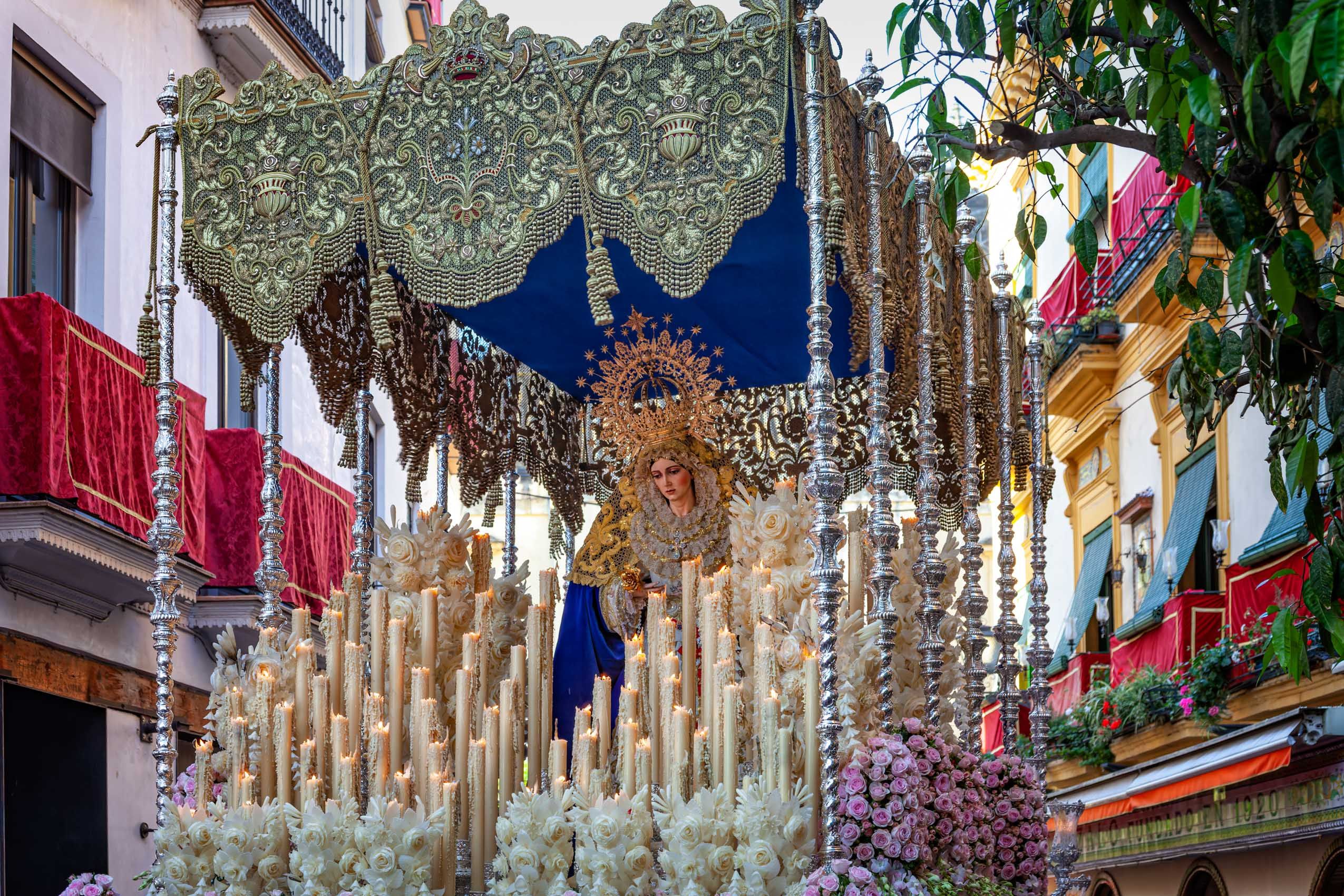
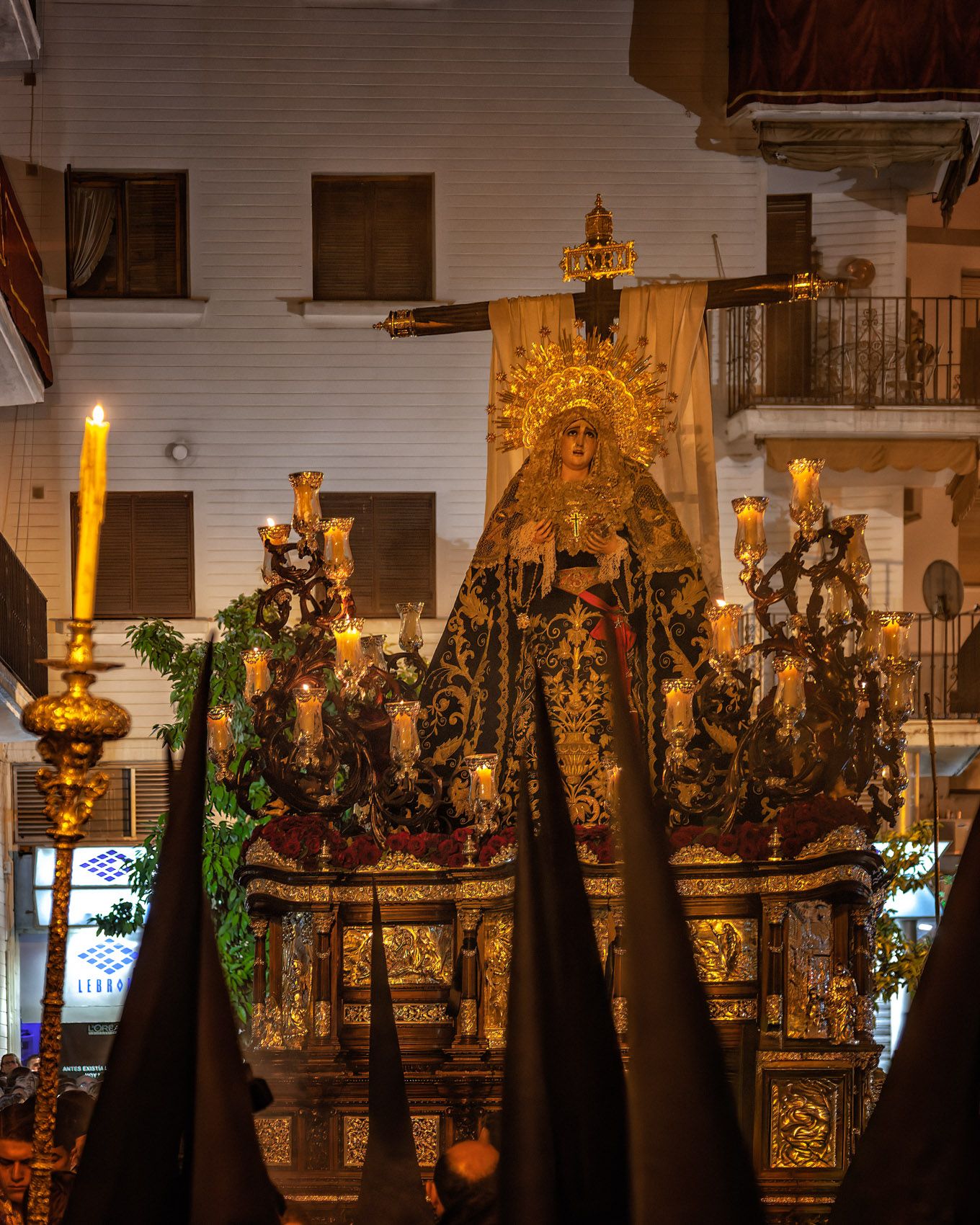
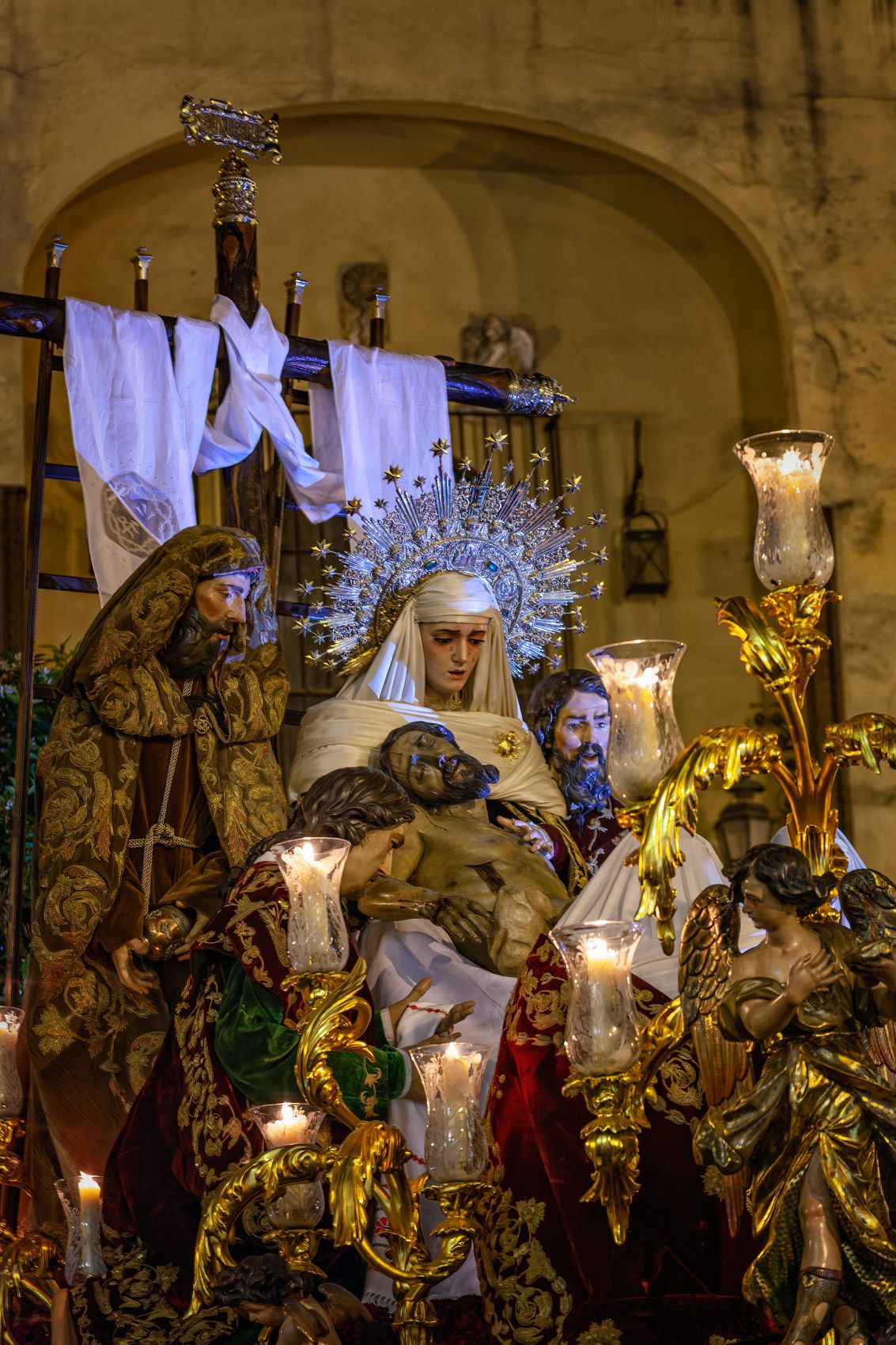
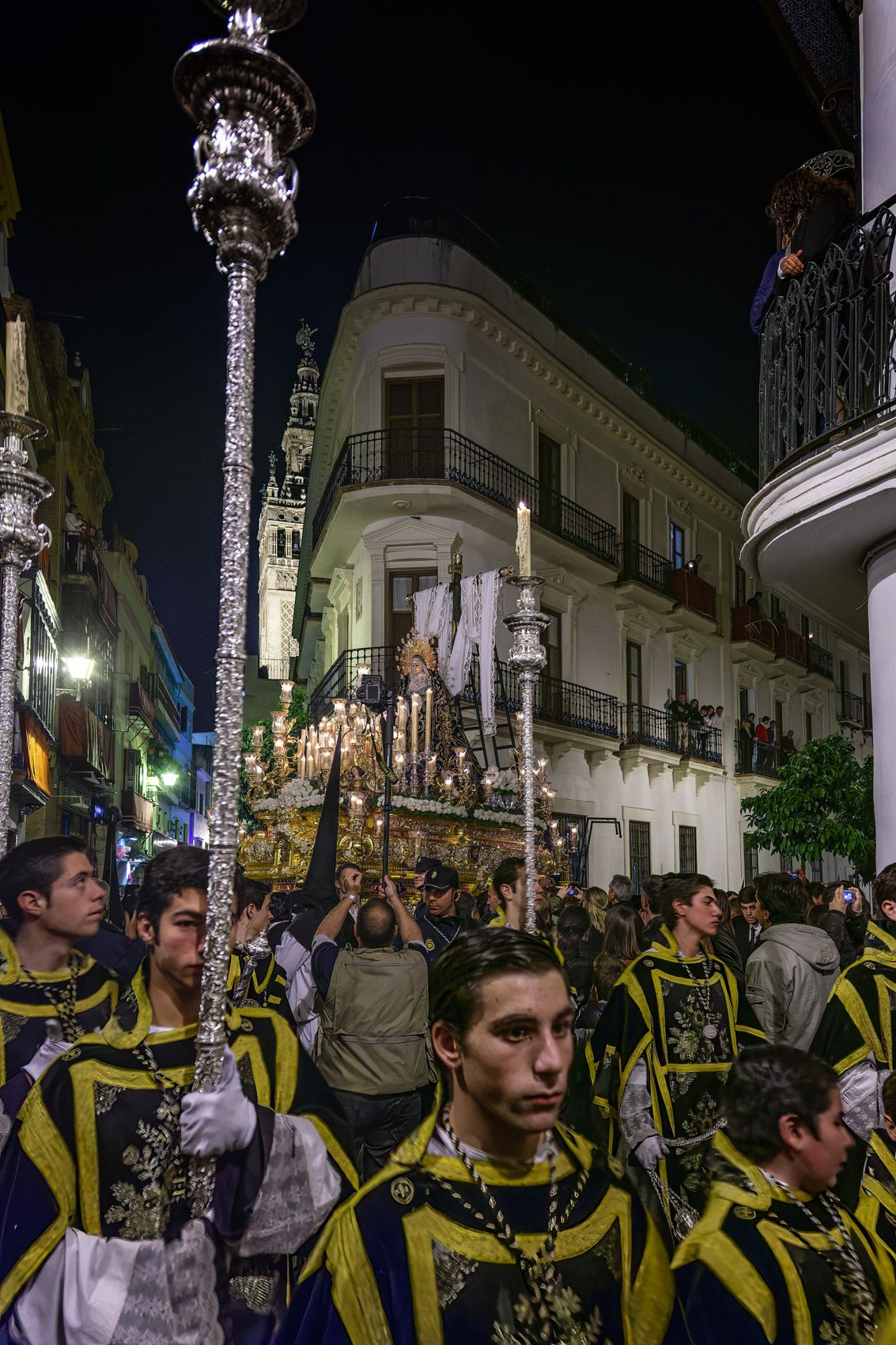
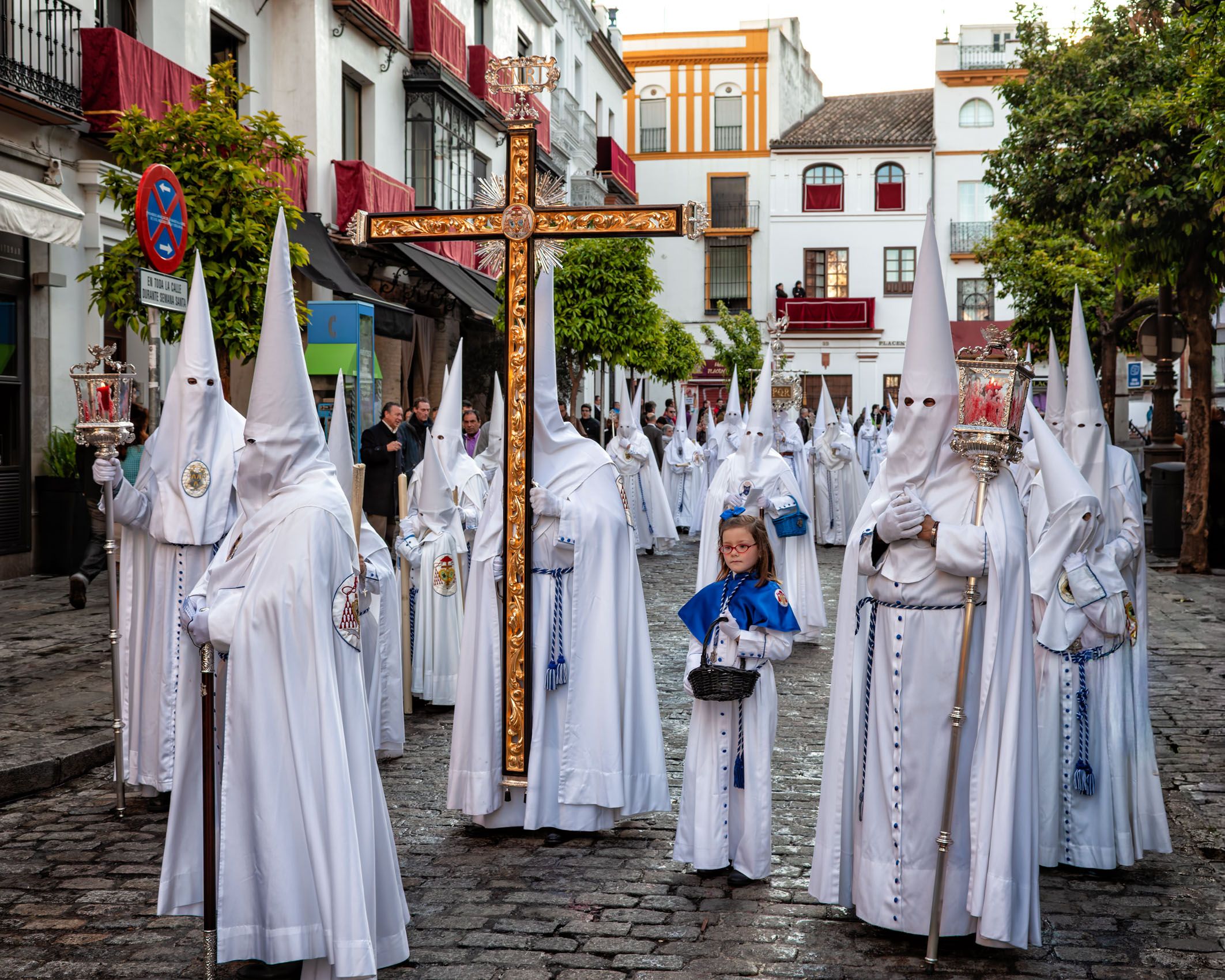
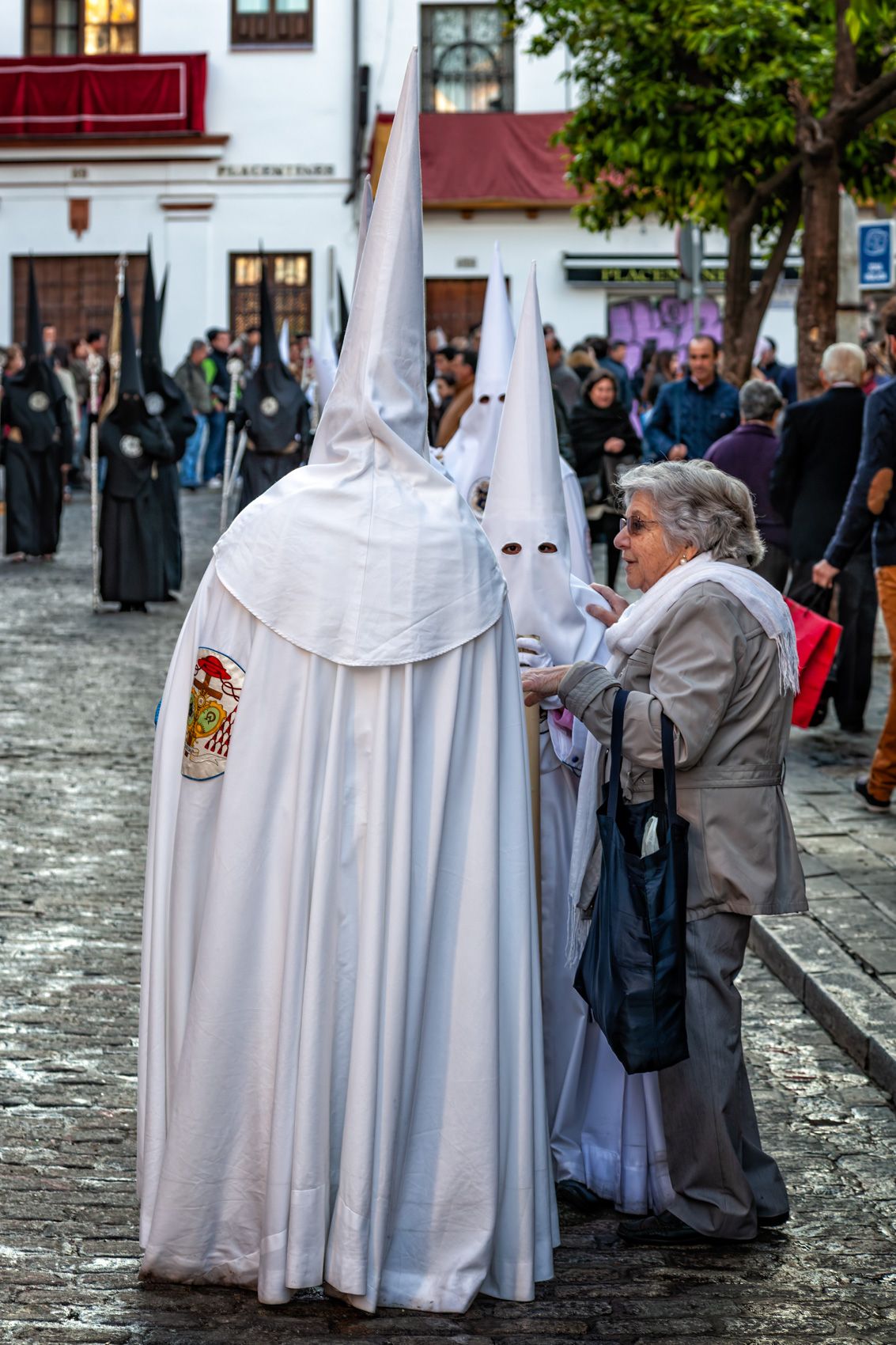
Few observances in the Catholic world match the intensity of Spain's Holy Week celebrations, and nowhere are the contrasts more instructive than between Sevilla and Toledo — two cities that stage the same sacred drama in entirely different registers.
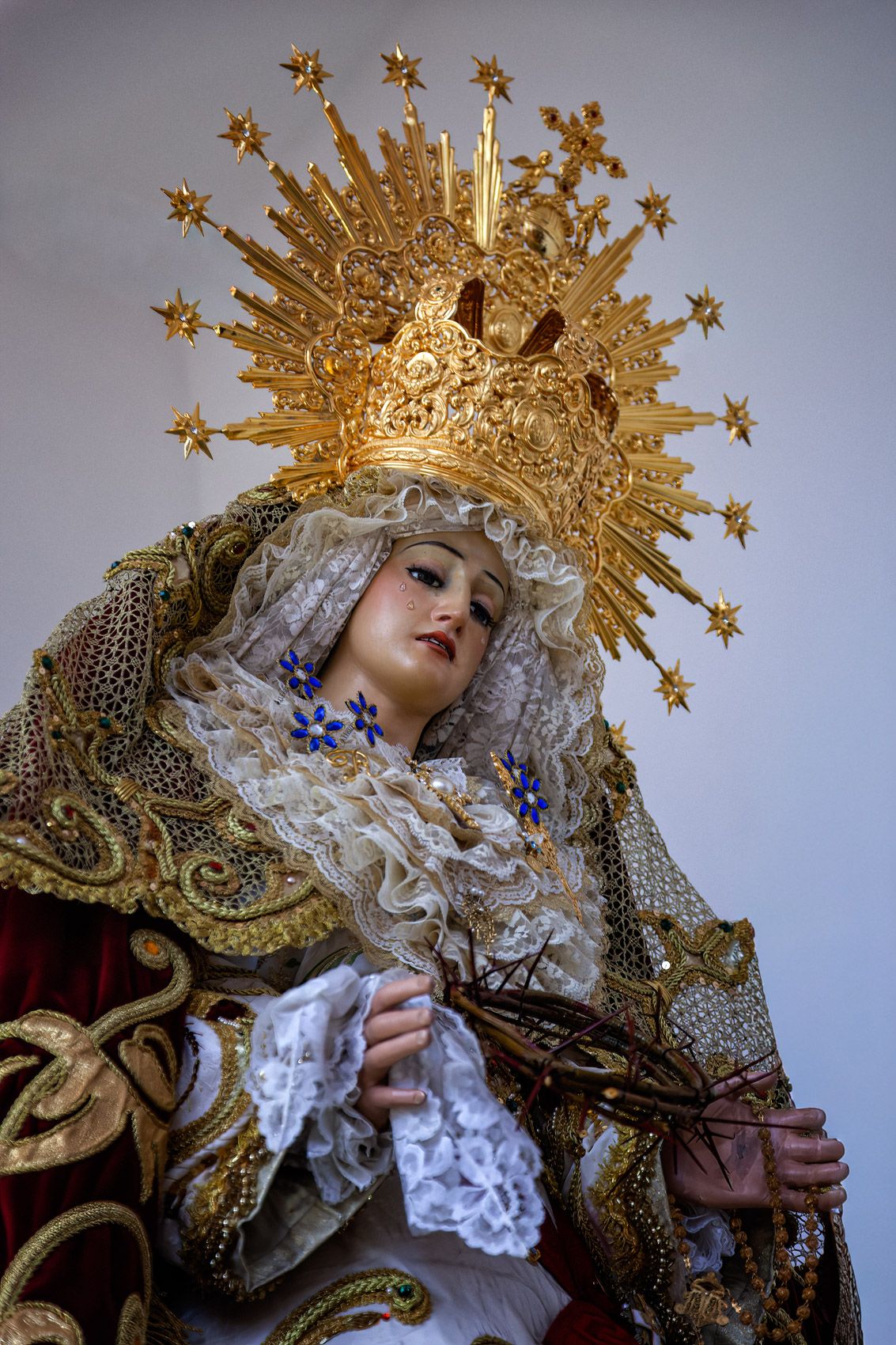
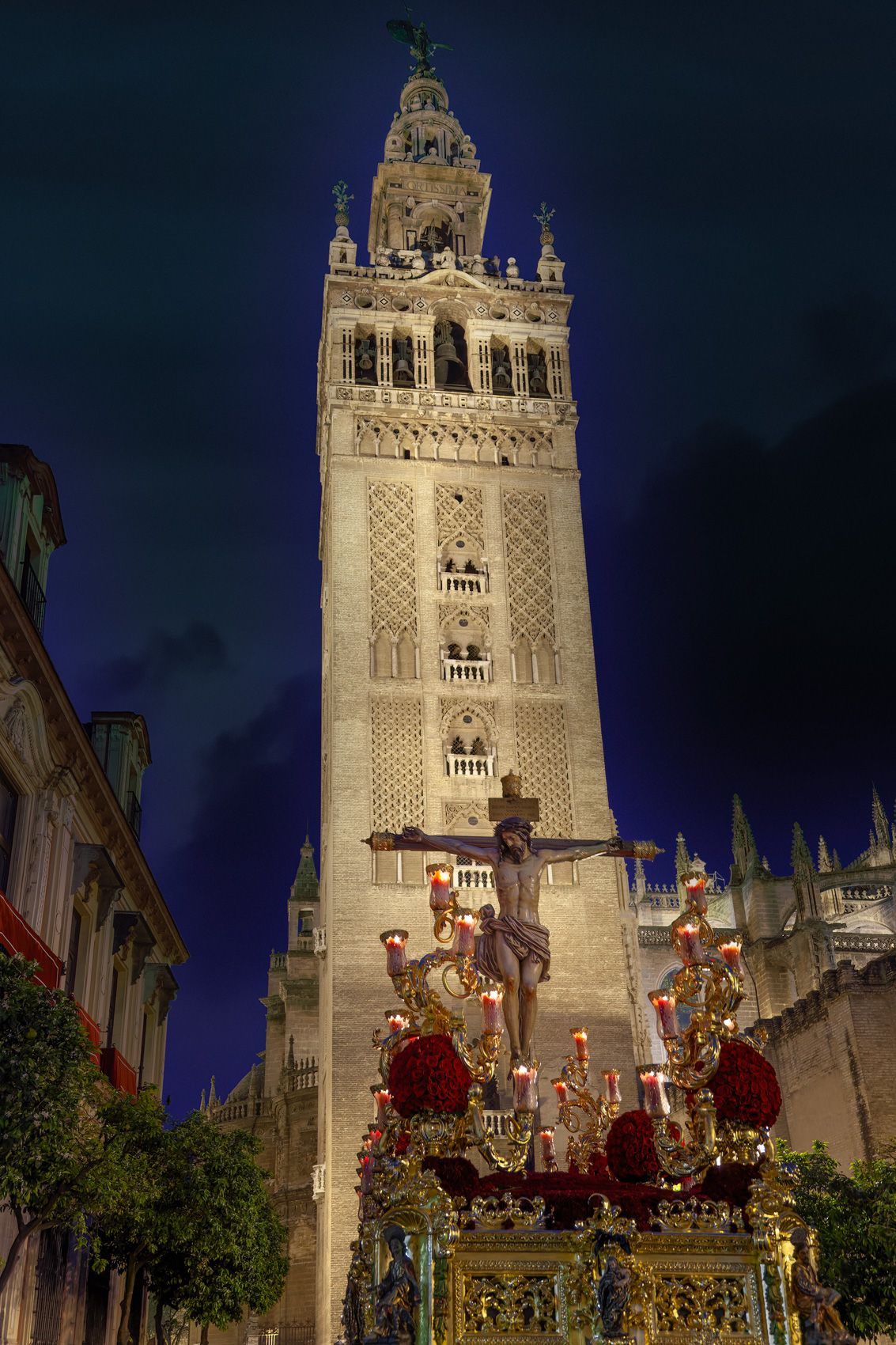
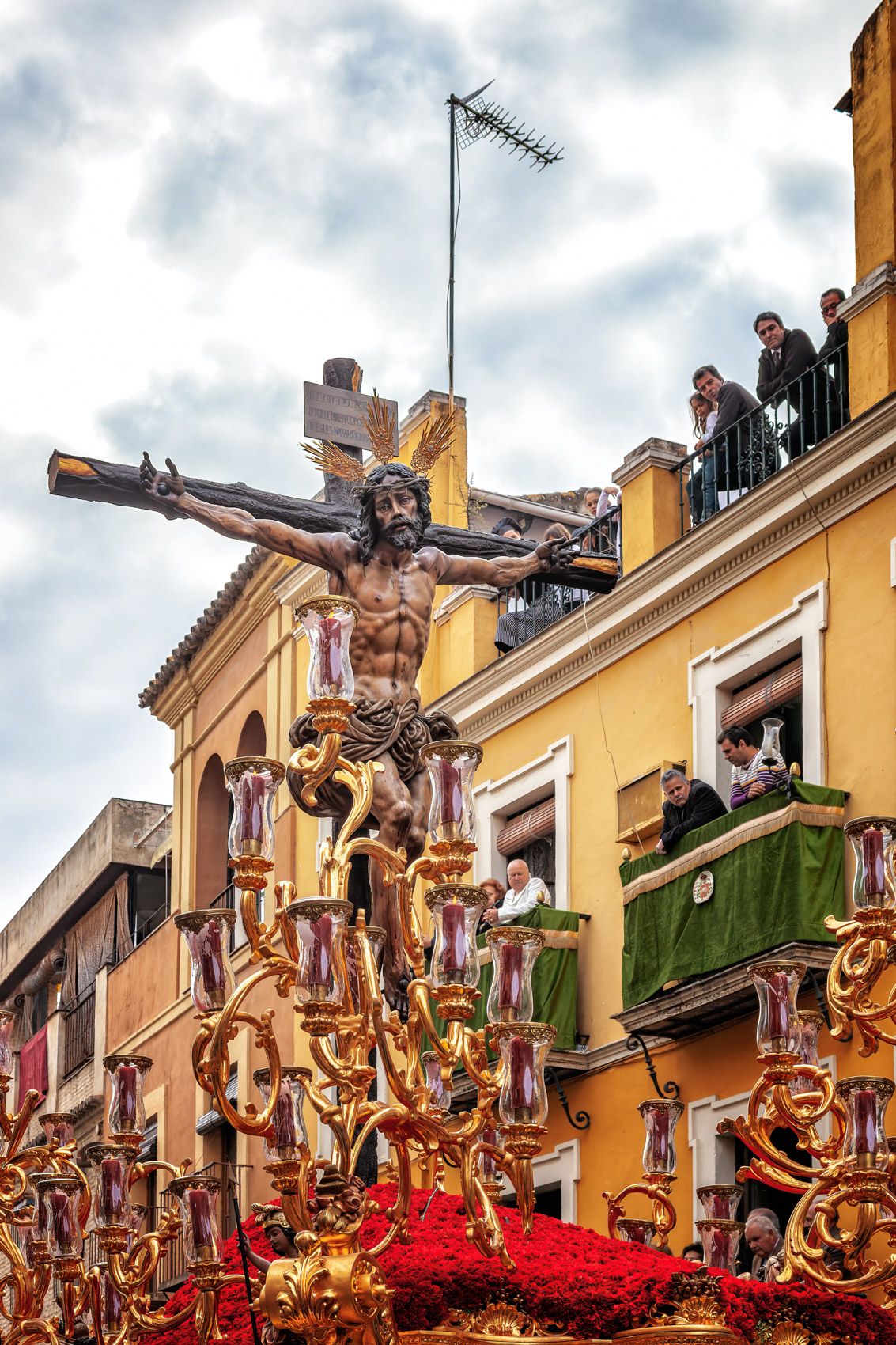
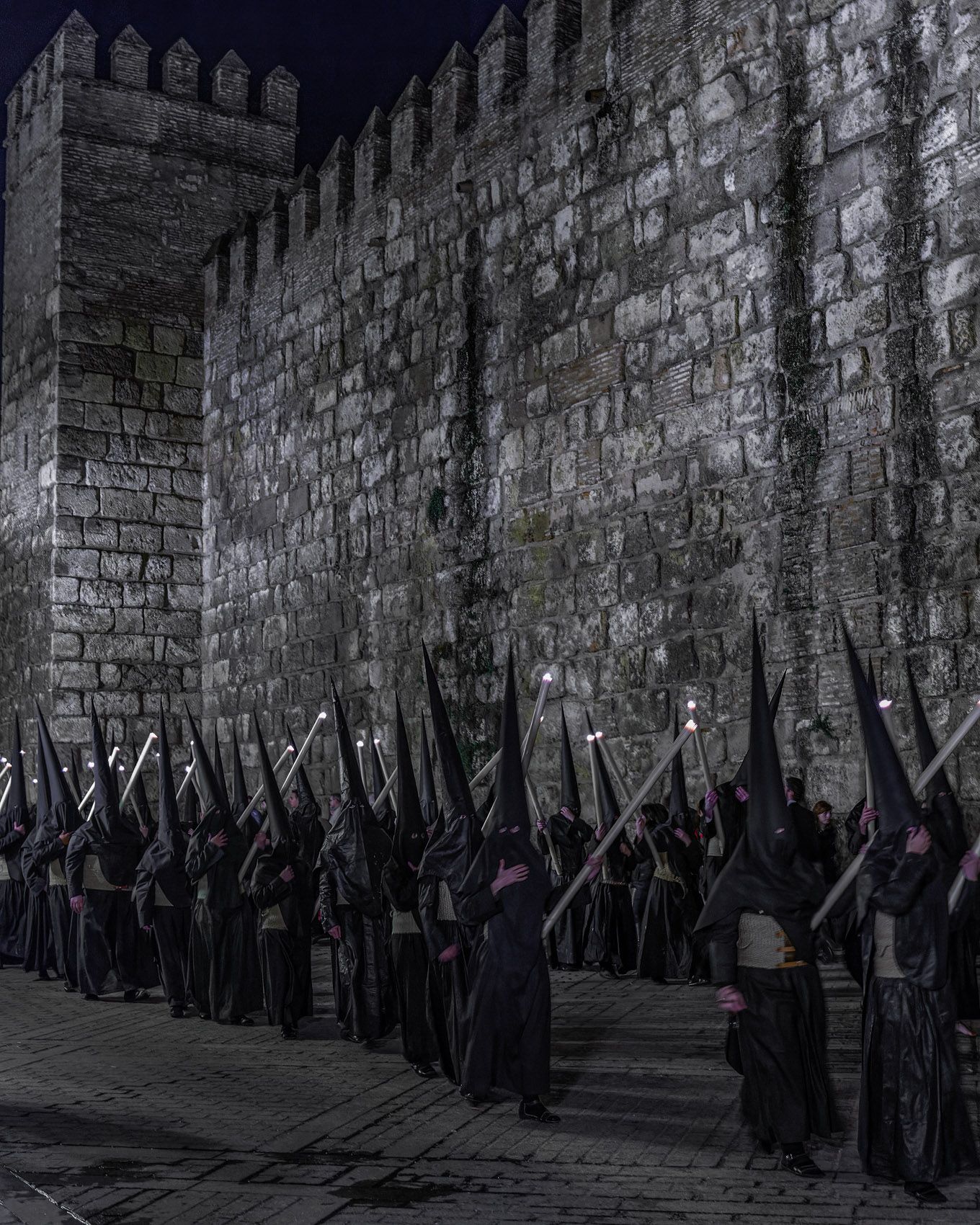
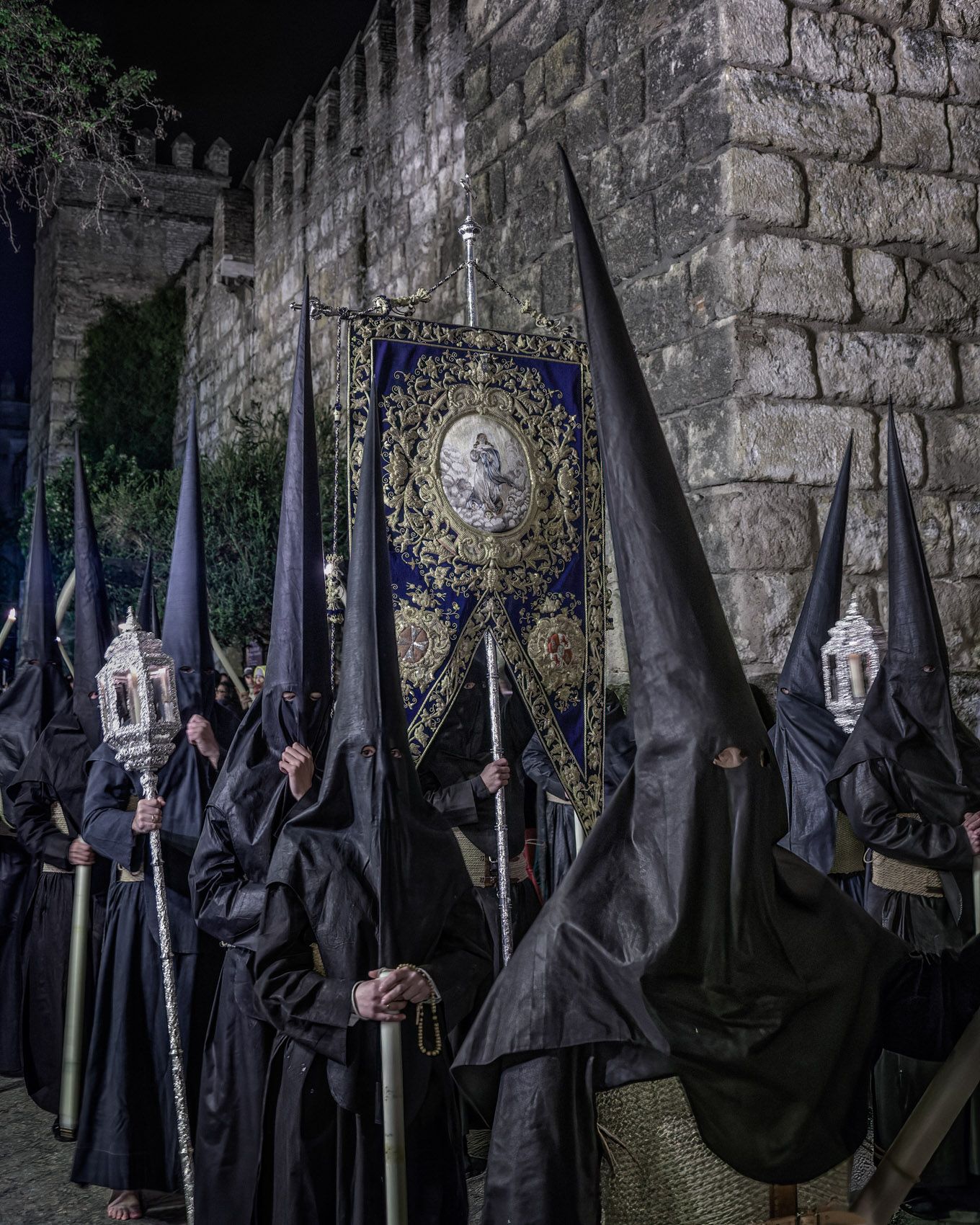
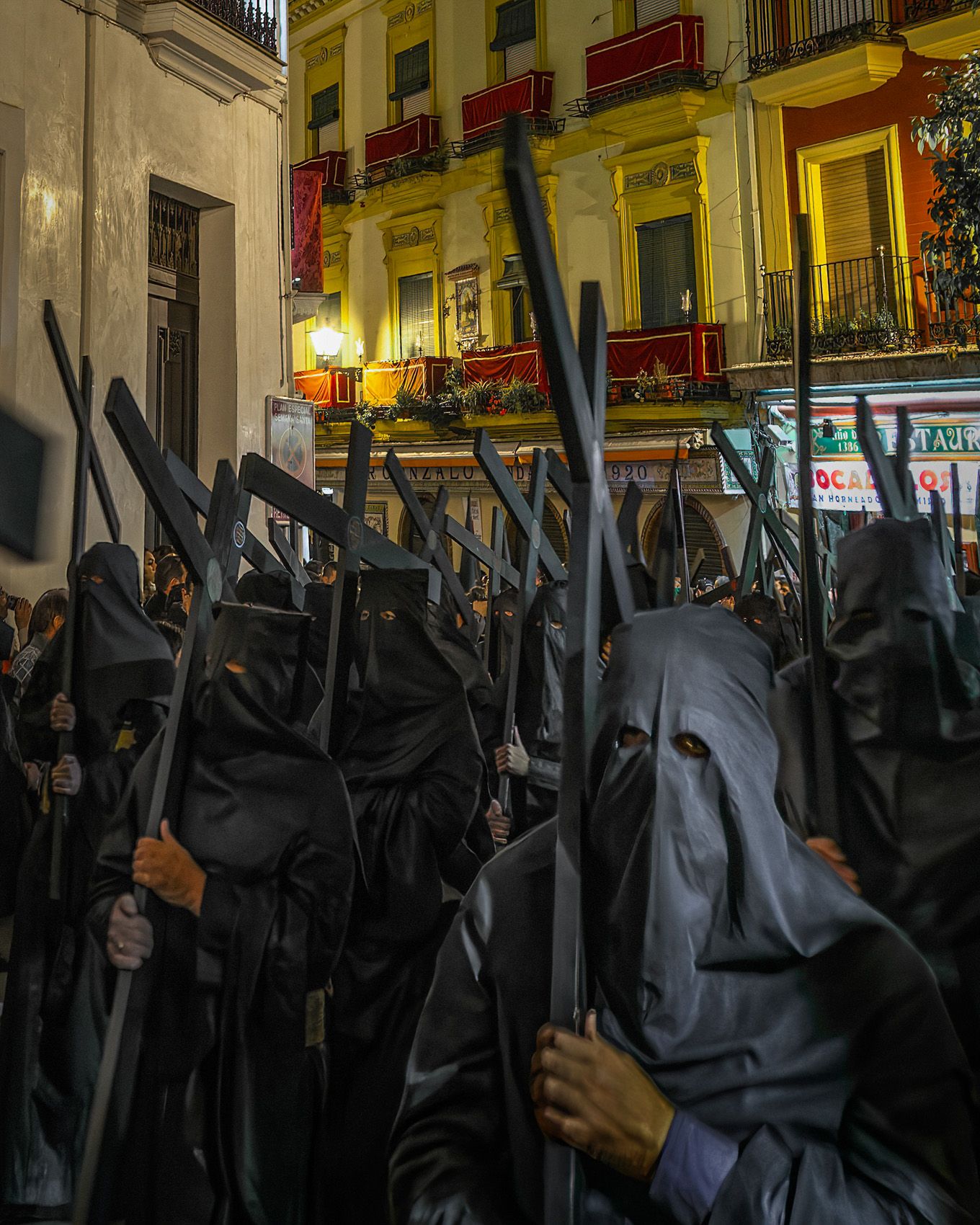
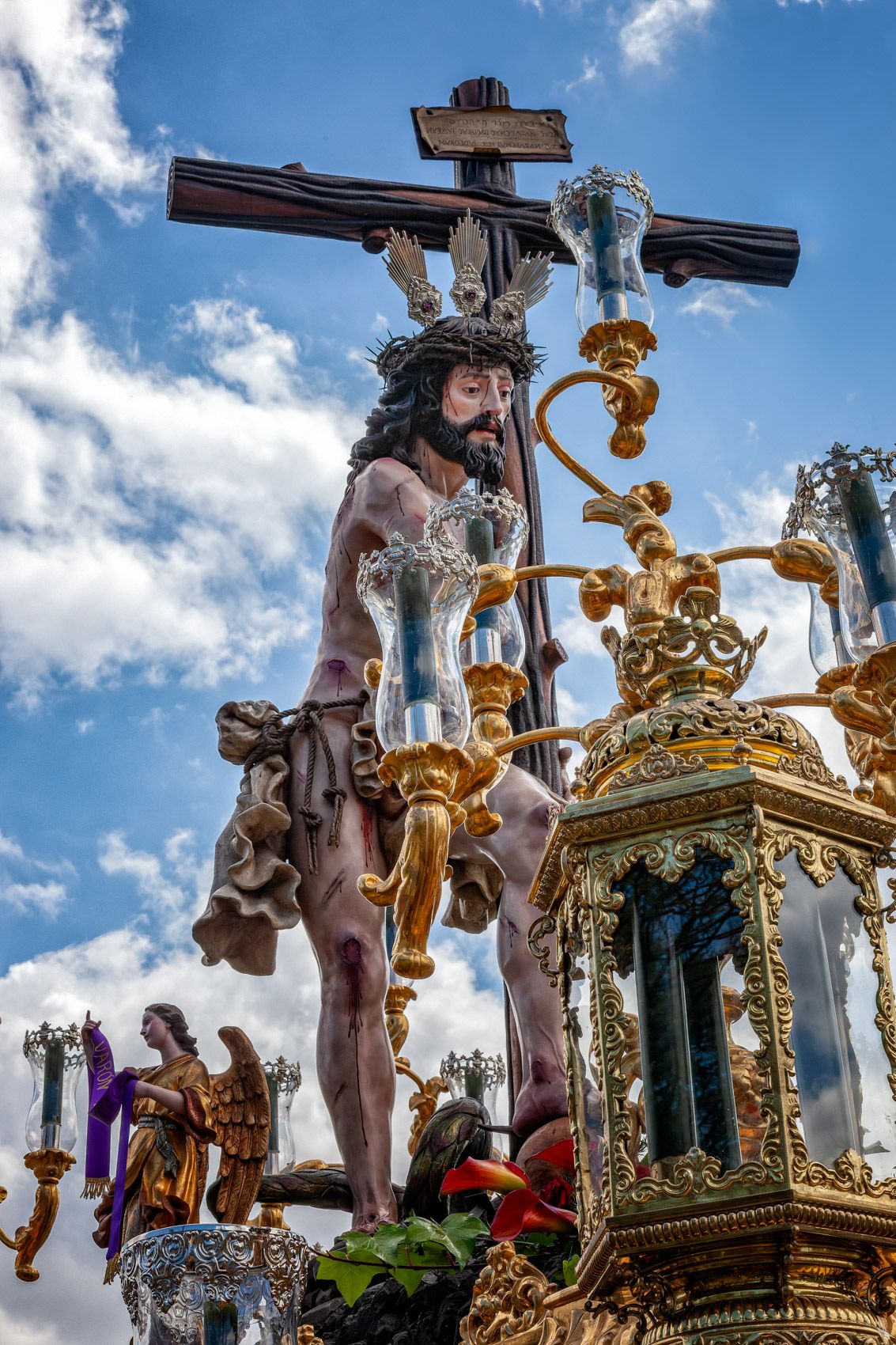
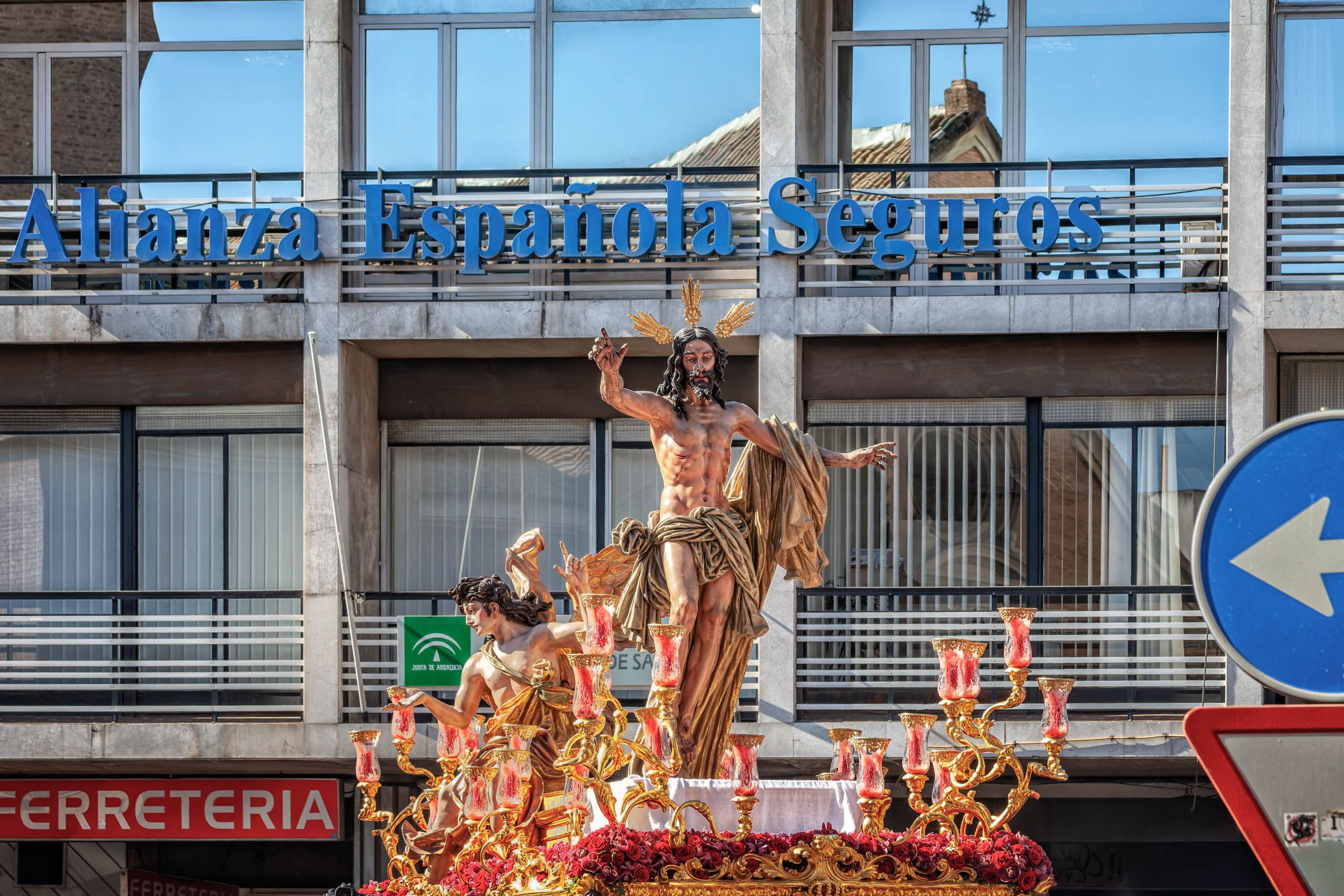
Sevilla's Semana Santa is, by most measures, the most spectacular in the world. Beginning on Palm Sunday and culminating on Easter Sunday, the city's sixty-plus hermandades (brotherhoods) move their pasos — enormous floats carrying sculpted figures of Christ and the Virgin — through the streets in processions that can last twelve hours or more. The scale is theatrical to the point of overwhelming: the pasos sway hypnotically on the shoulders of the costaleros hidden beneath them, brass bands play saetas and marches, and the air is thick with incense and the wax dripping from the candles of thousands of nazarenos in their distinctive pointed hoods. The macarena neighborhood erupts when La Esperanza Macarena, Sevilla's most beloved Virgin, emerges into the night air. Hotels book out years in advance. The emotion is unguarded and communal, and the boundary between religious devotion and civic pride dissolves entirely.
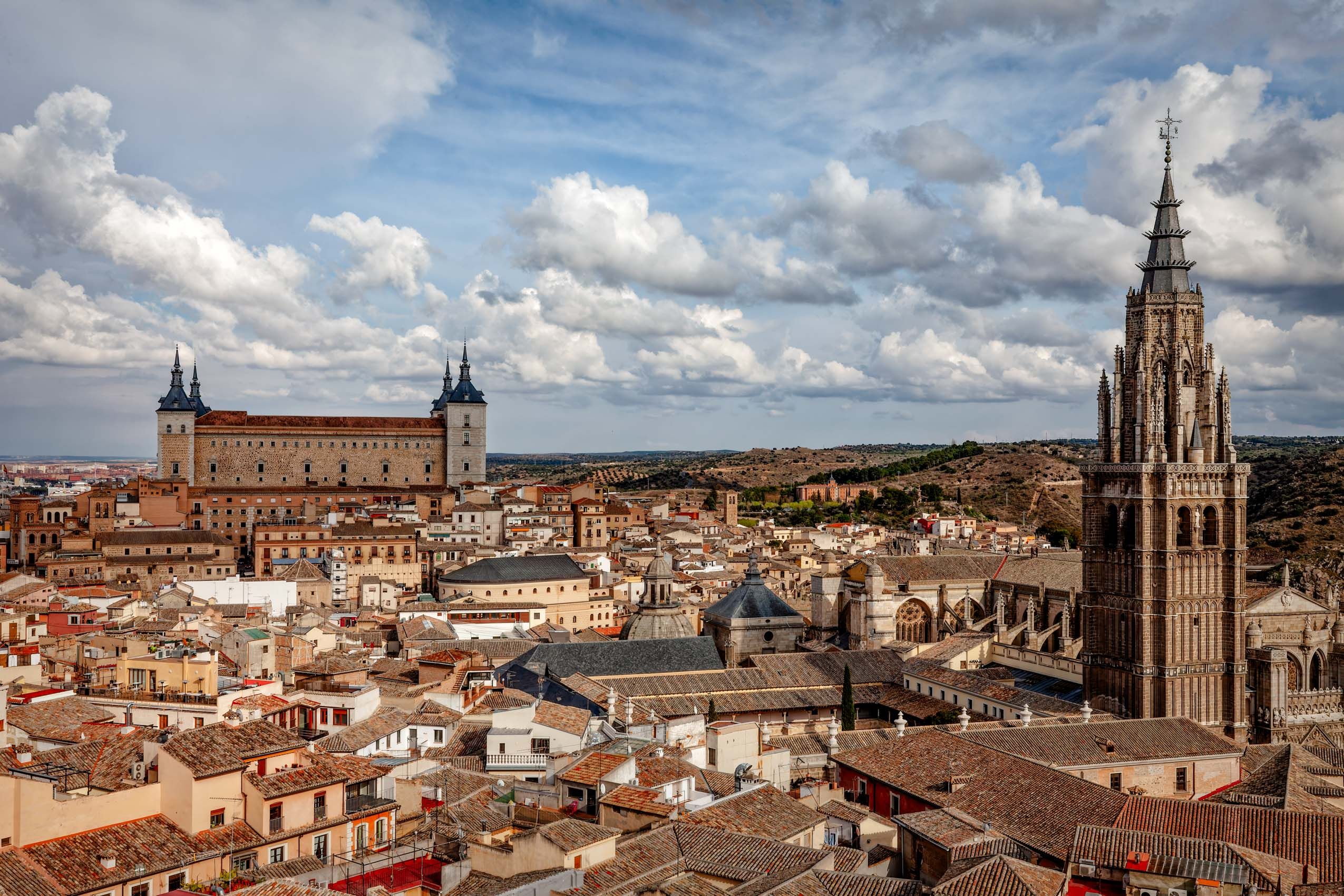
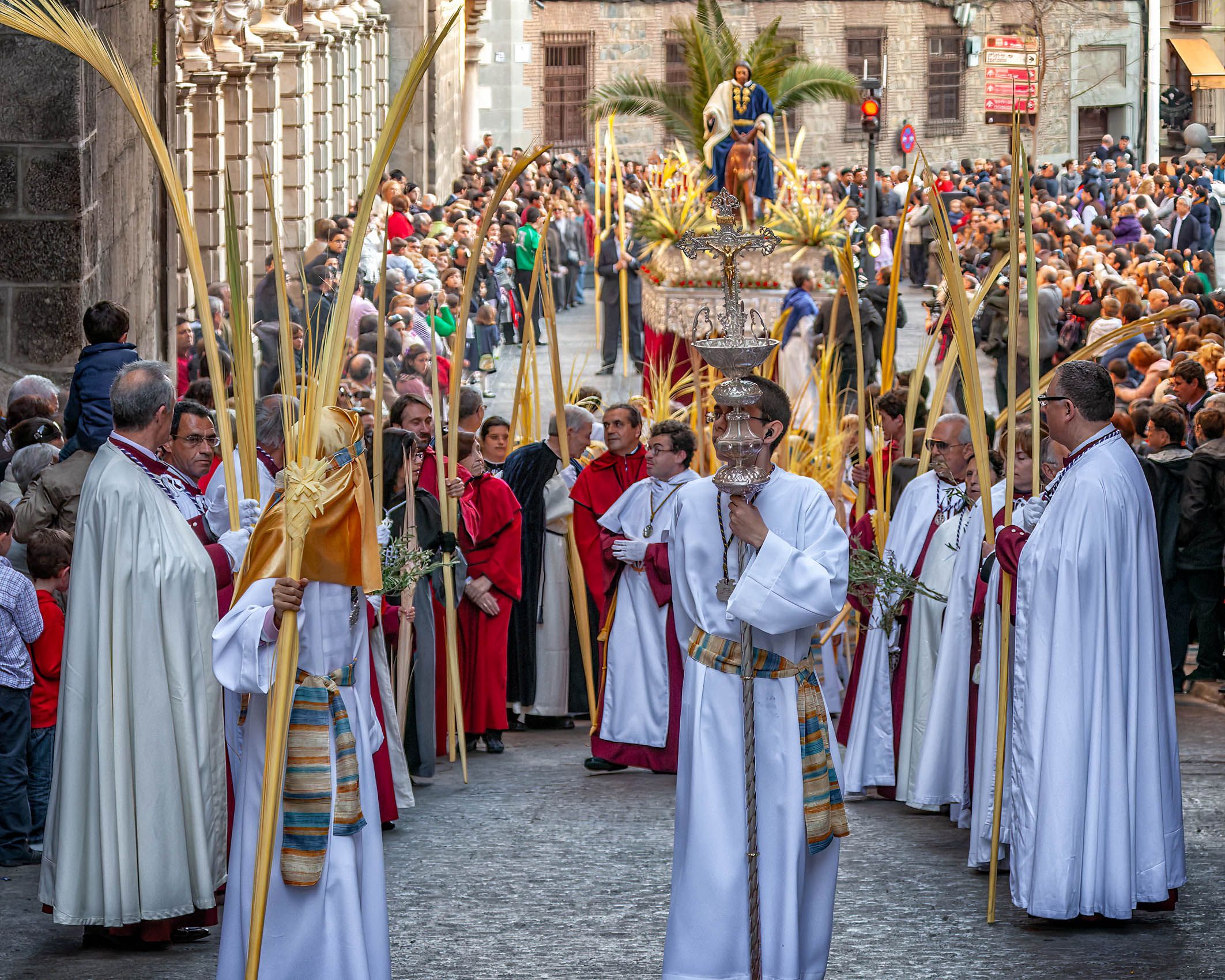
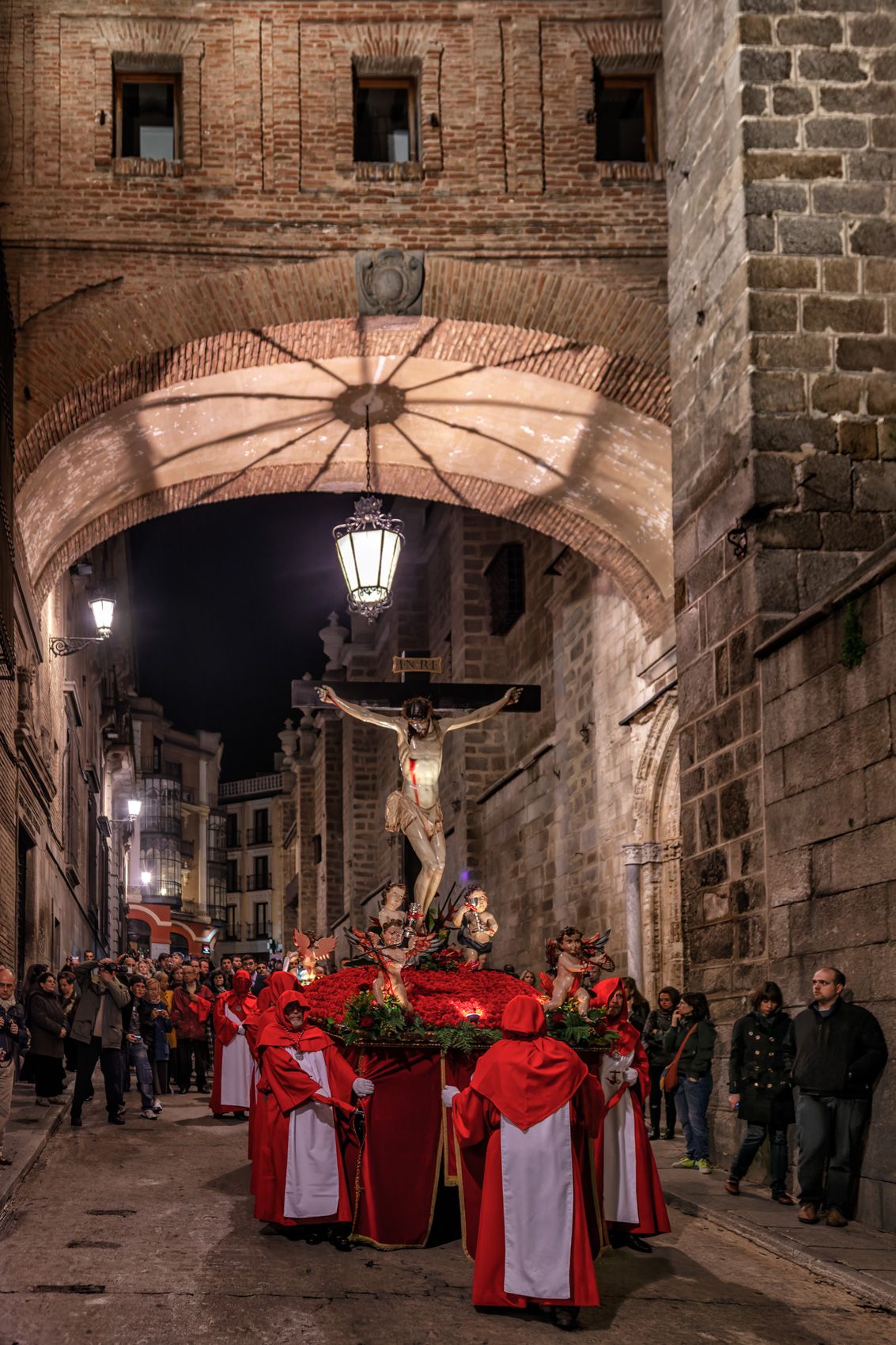
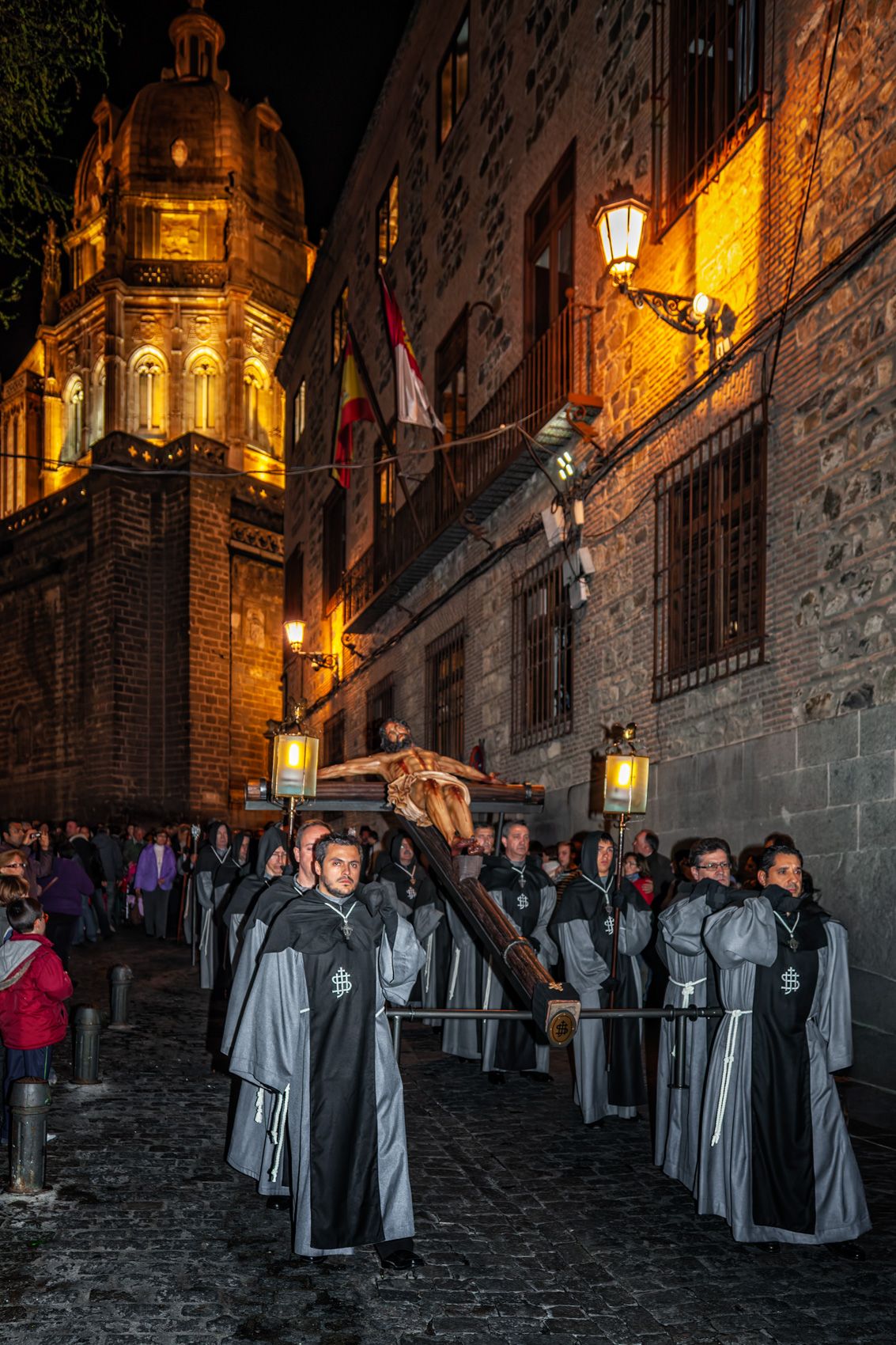
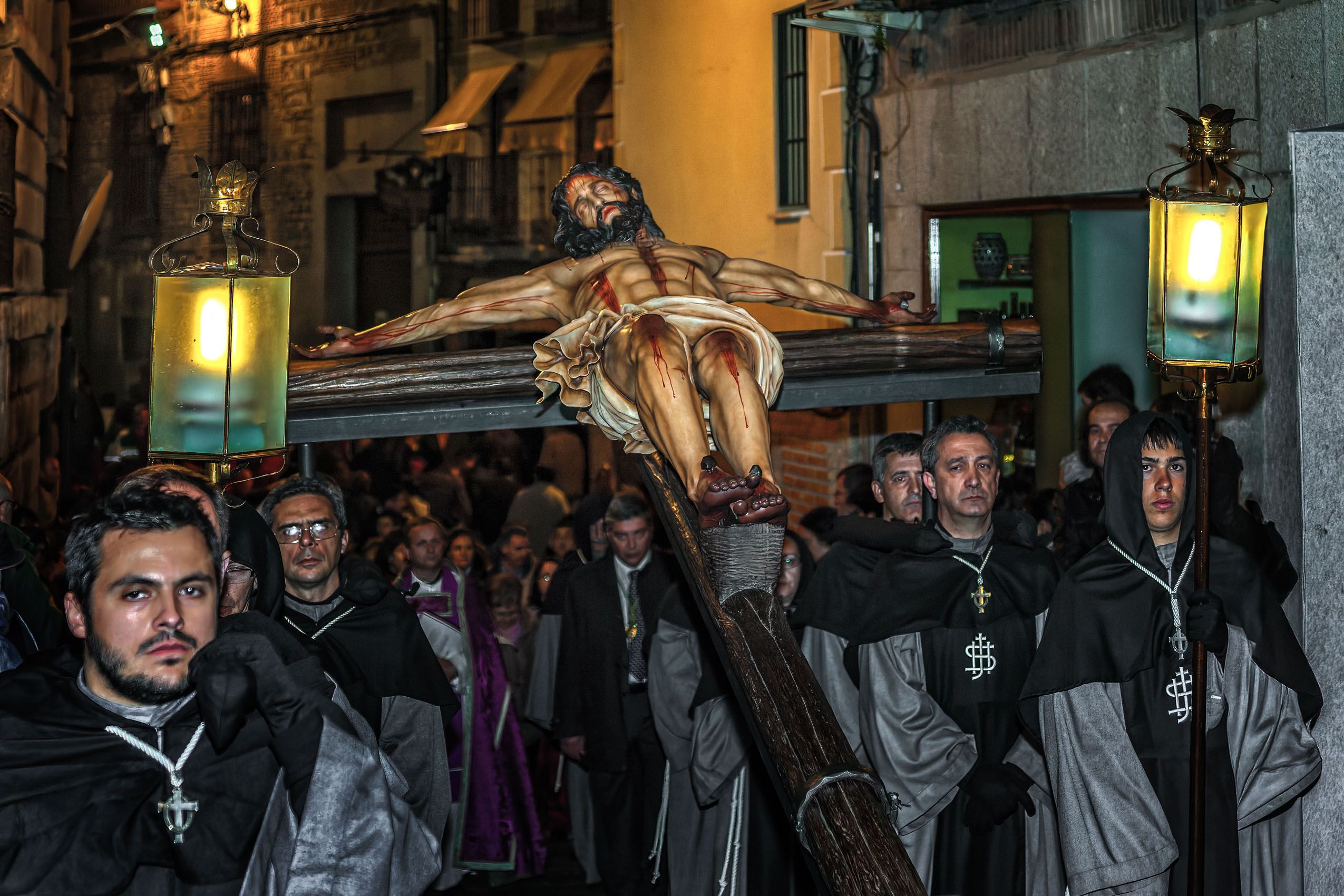
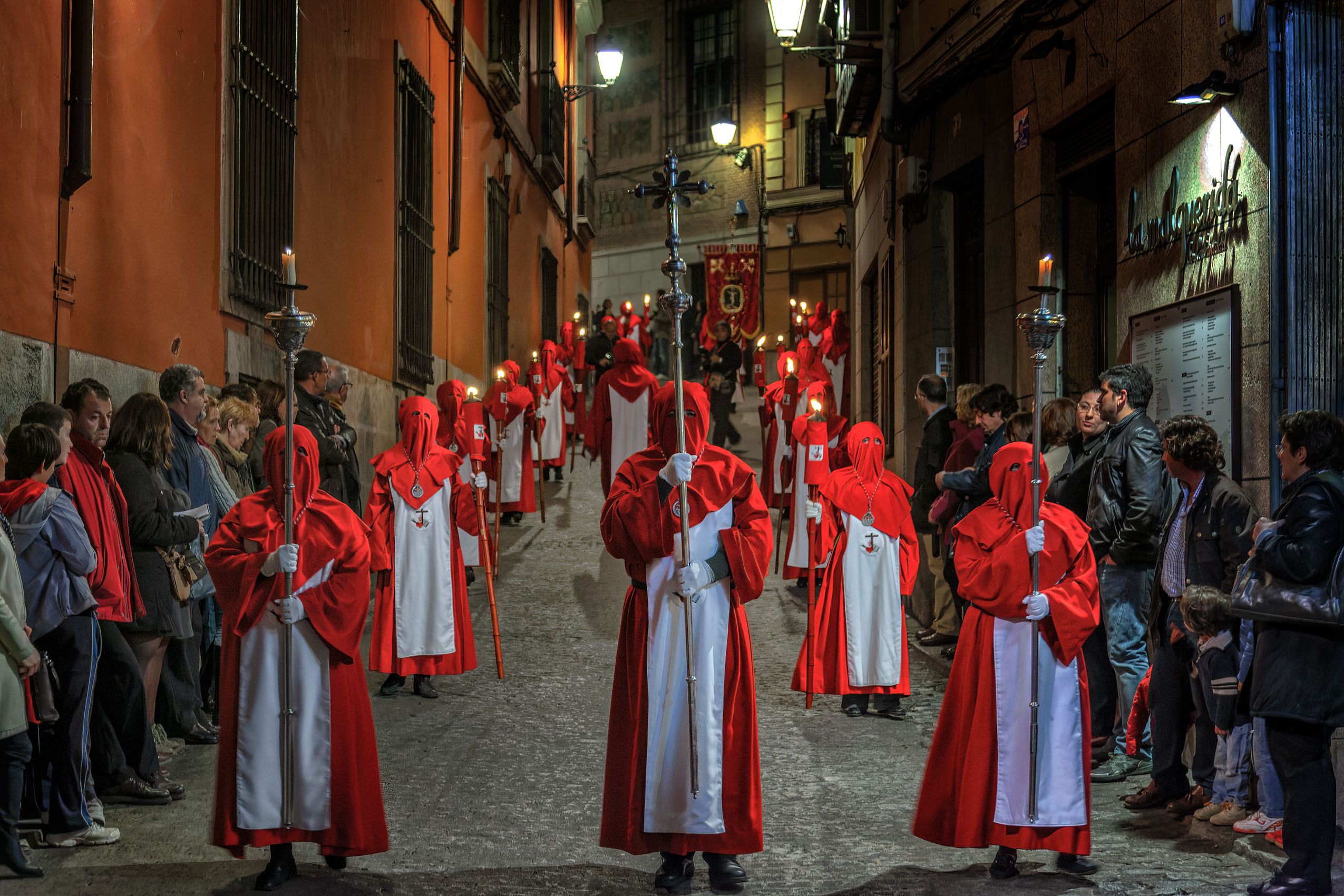
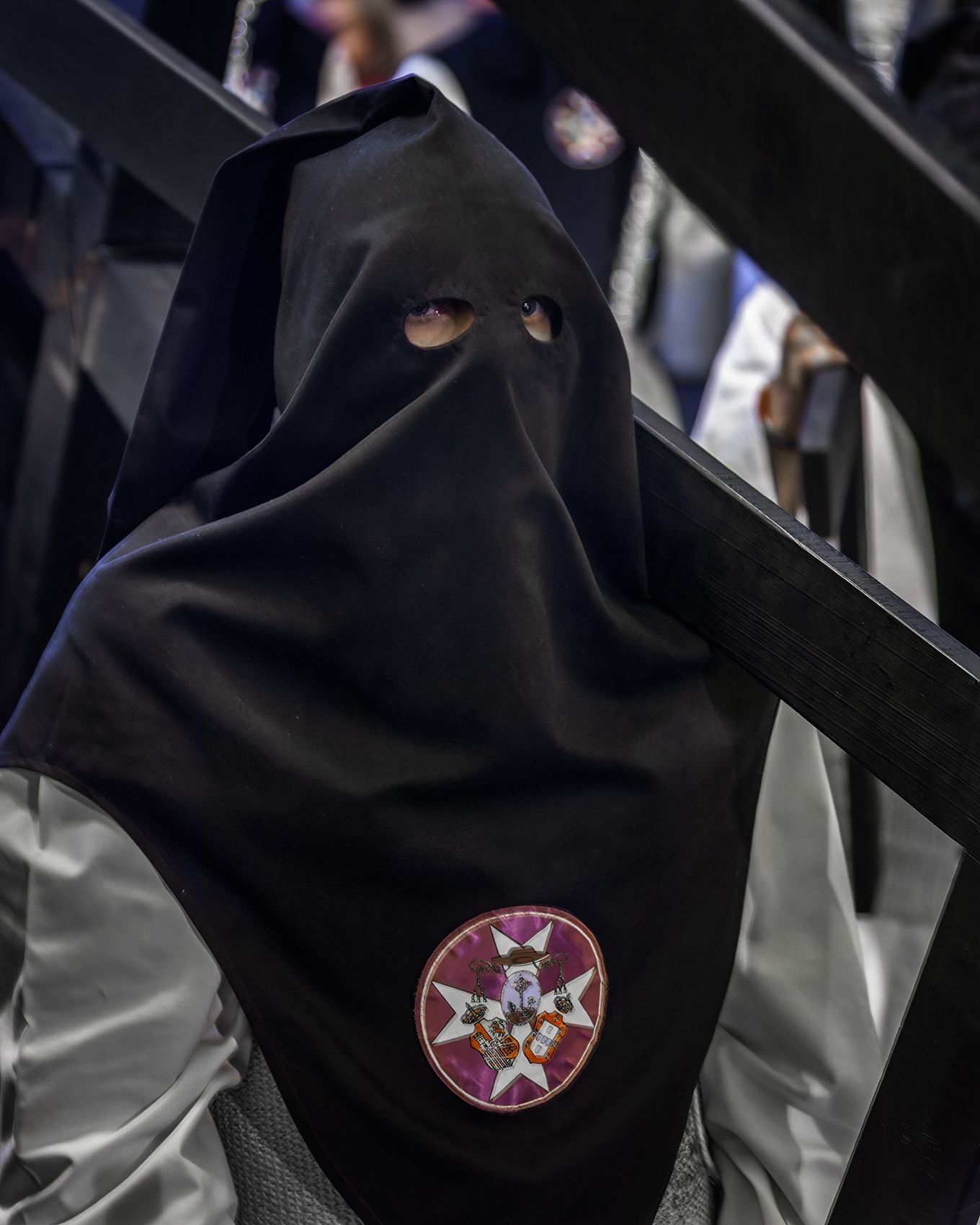
Toledo offers something quieter and, in its own way, equally moving. As an ancient imperial city layered with Christian, Muslim, and Jewish history, Toledo carries its Holy Week with a gravity that feels deeply rooted. The processions wind through narrow medieval streets barely wide enough to accommodate the pasos, past stone facades that have witnessed the same ritual re-enacted across the centuries. The Brotherhood of Jesus Nazareno, dating to the sixteenth century, is among the most venerable. There is less of the pageantry of Sevilla — fewer floats, smaller crowds, less brass — and more of a penitential solemnity. On Good Friday especially, the silence between the drumbeats can feel overpowering.
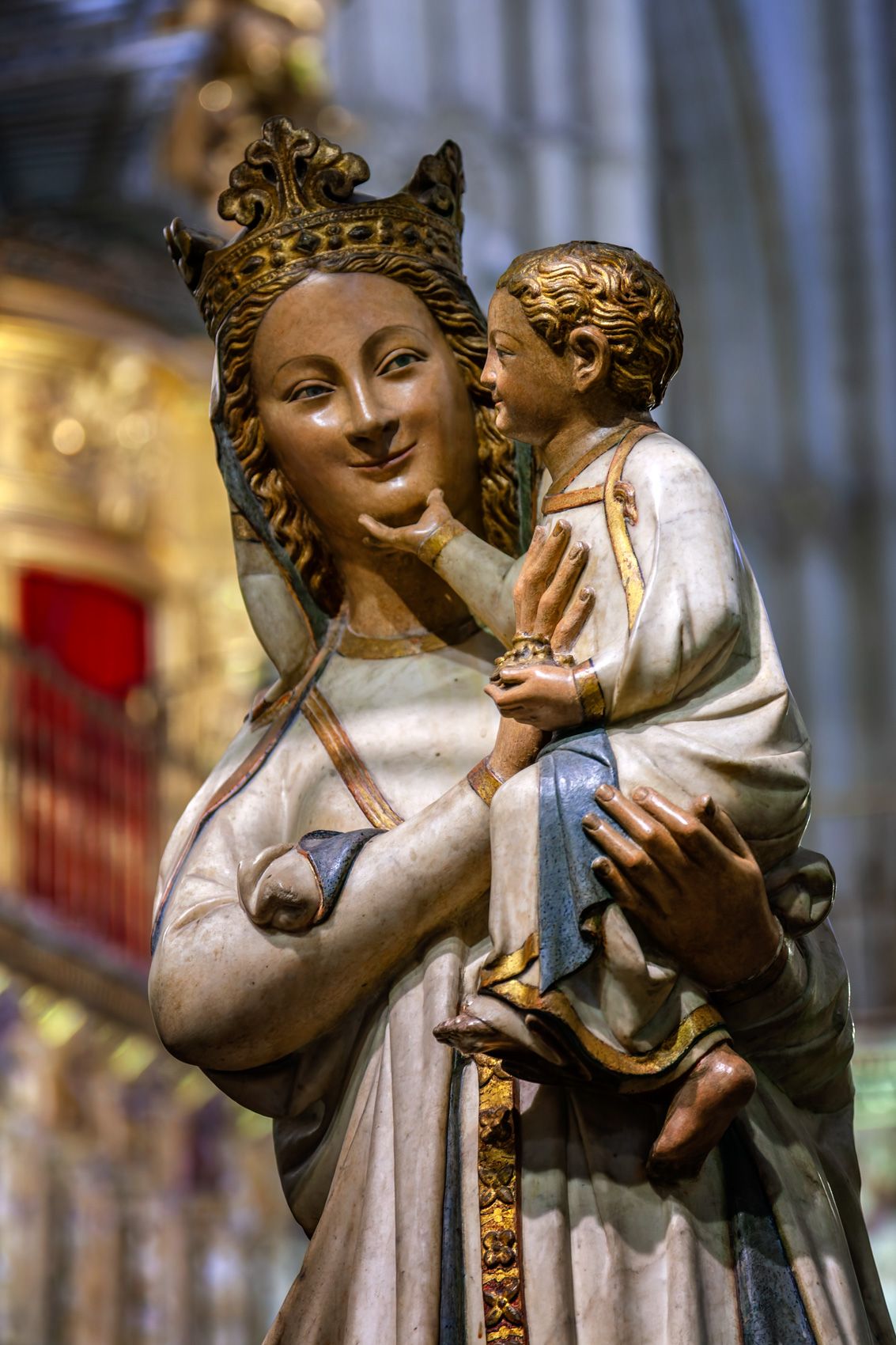
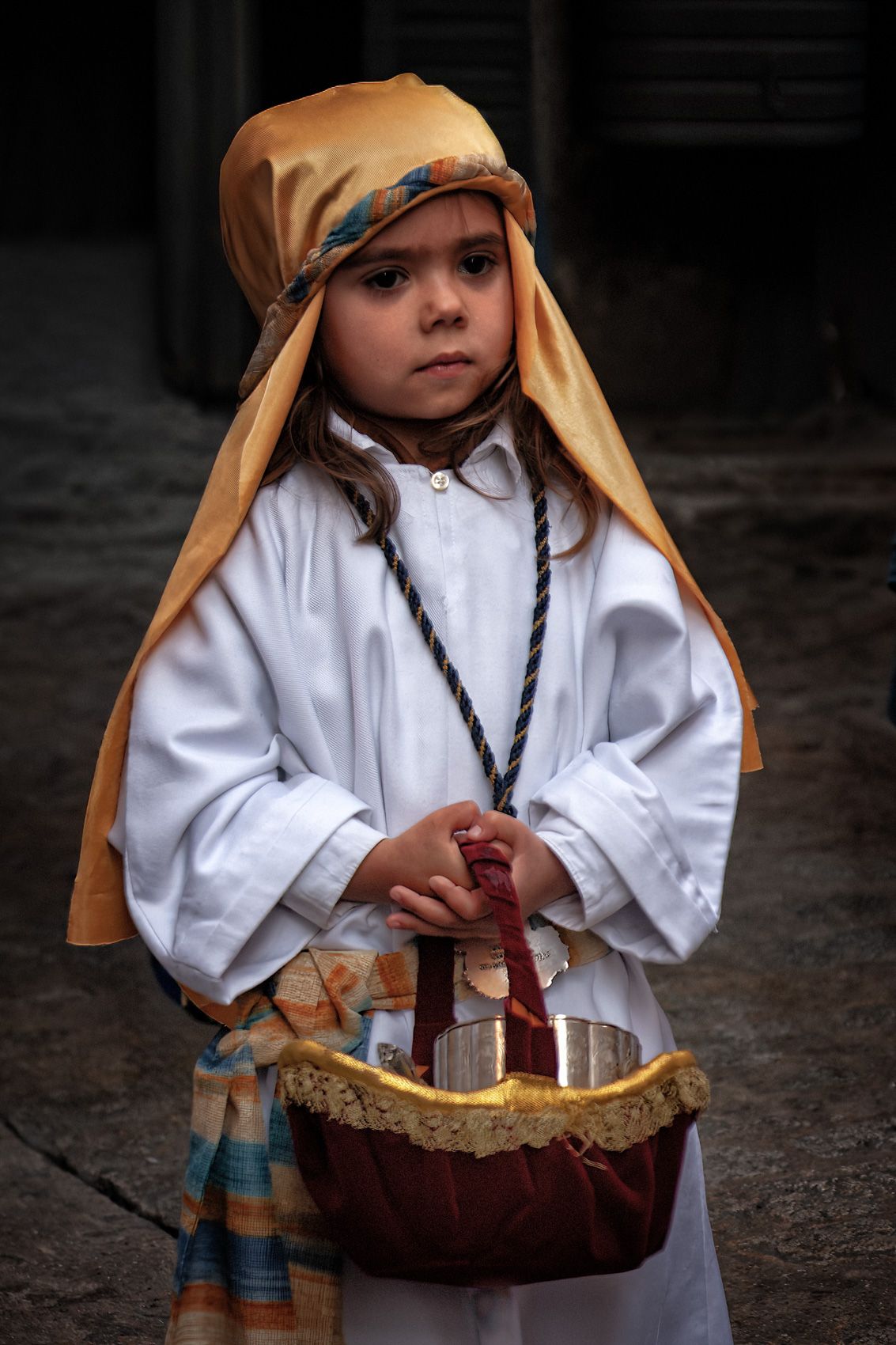
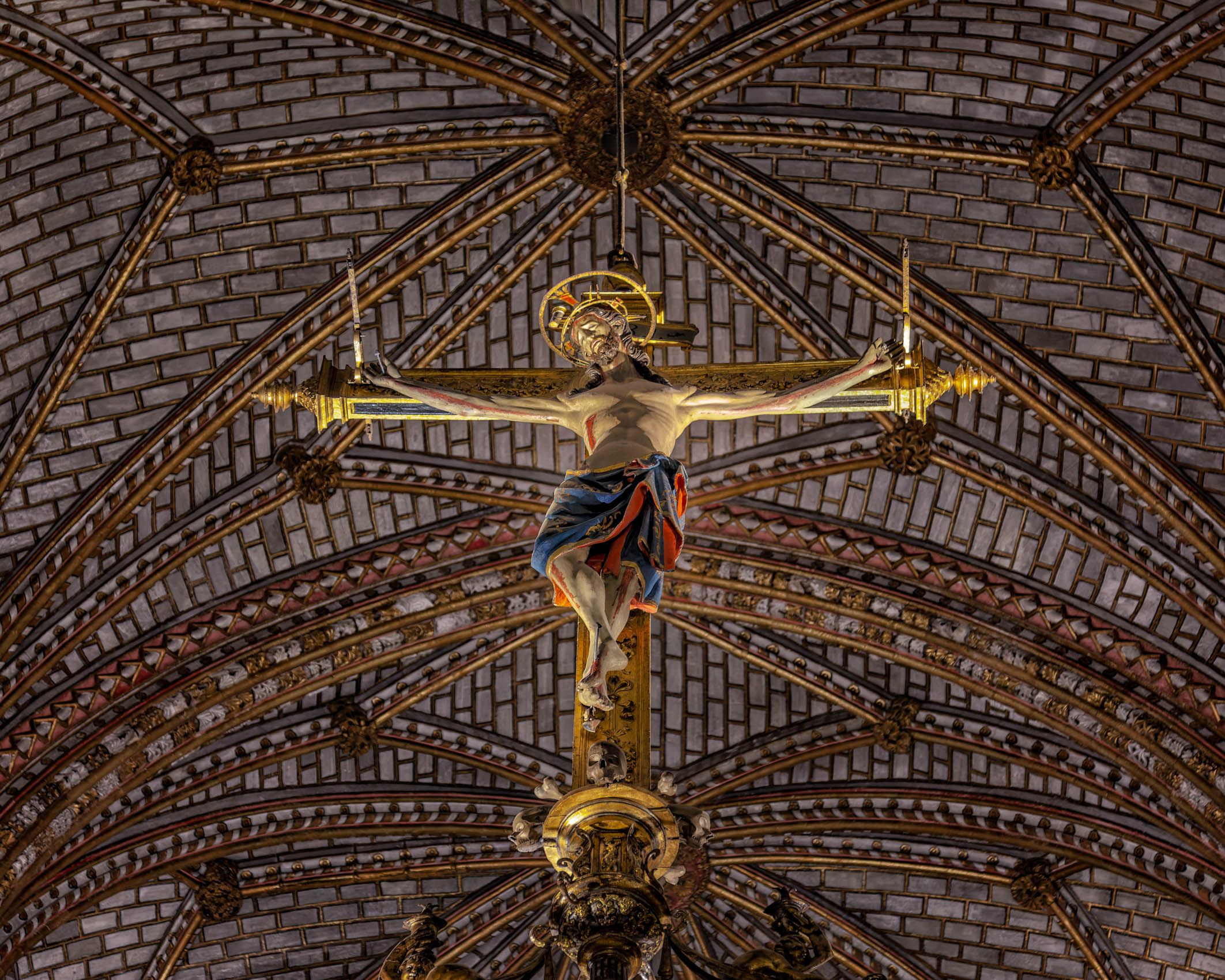
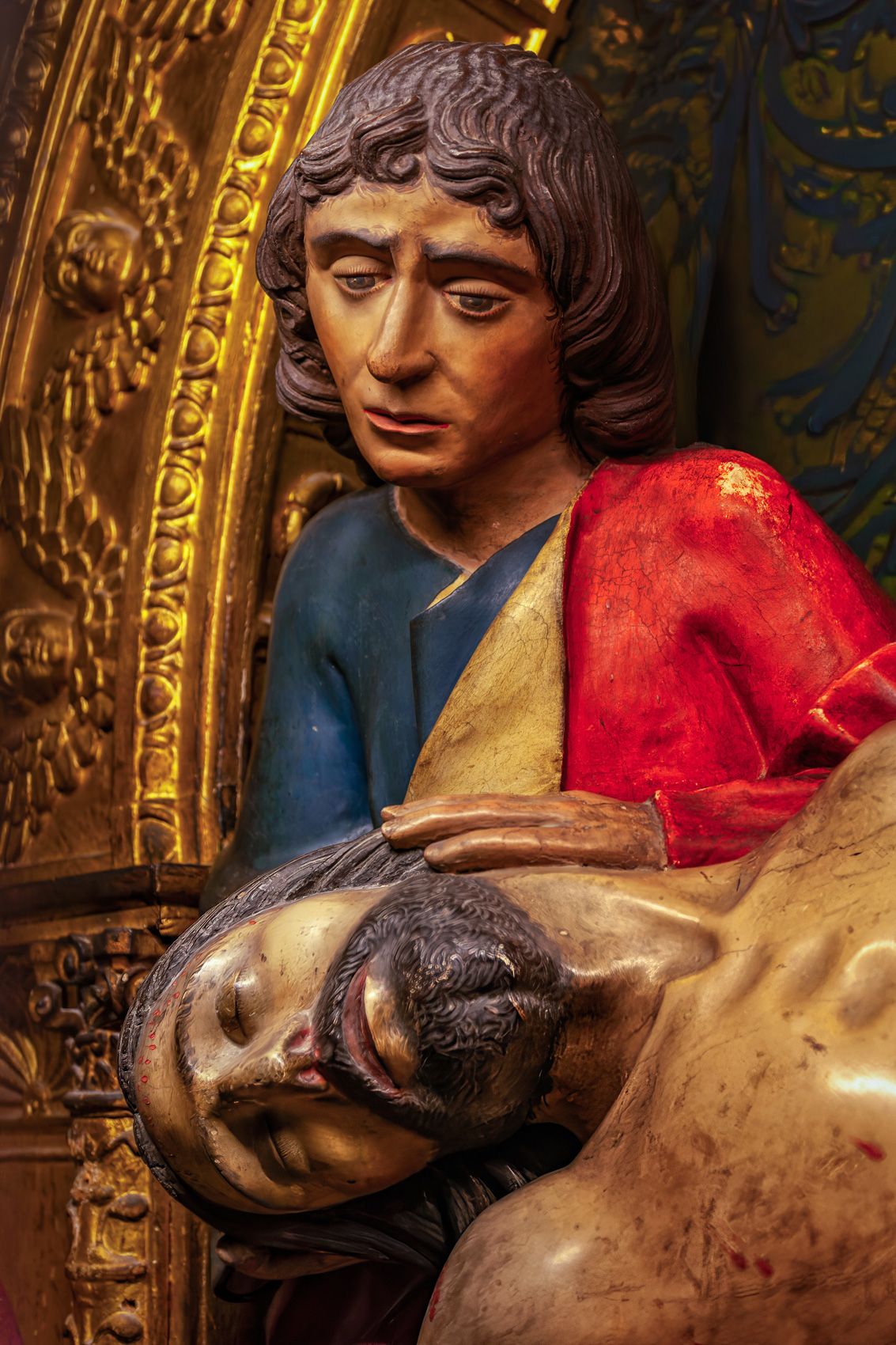
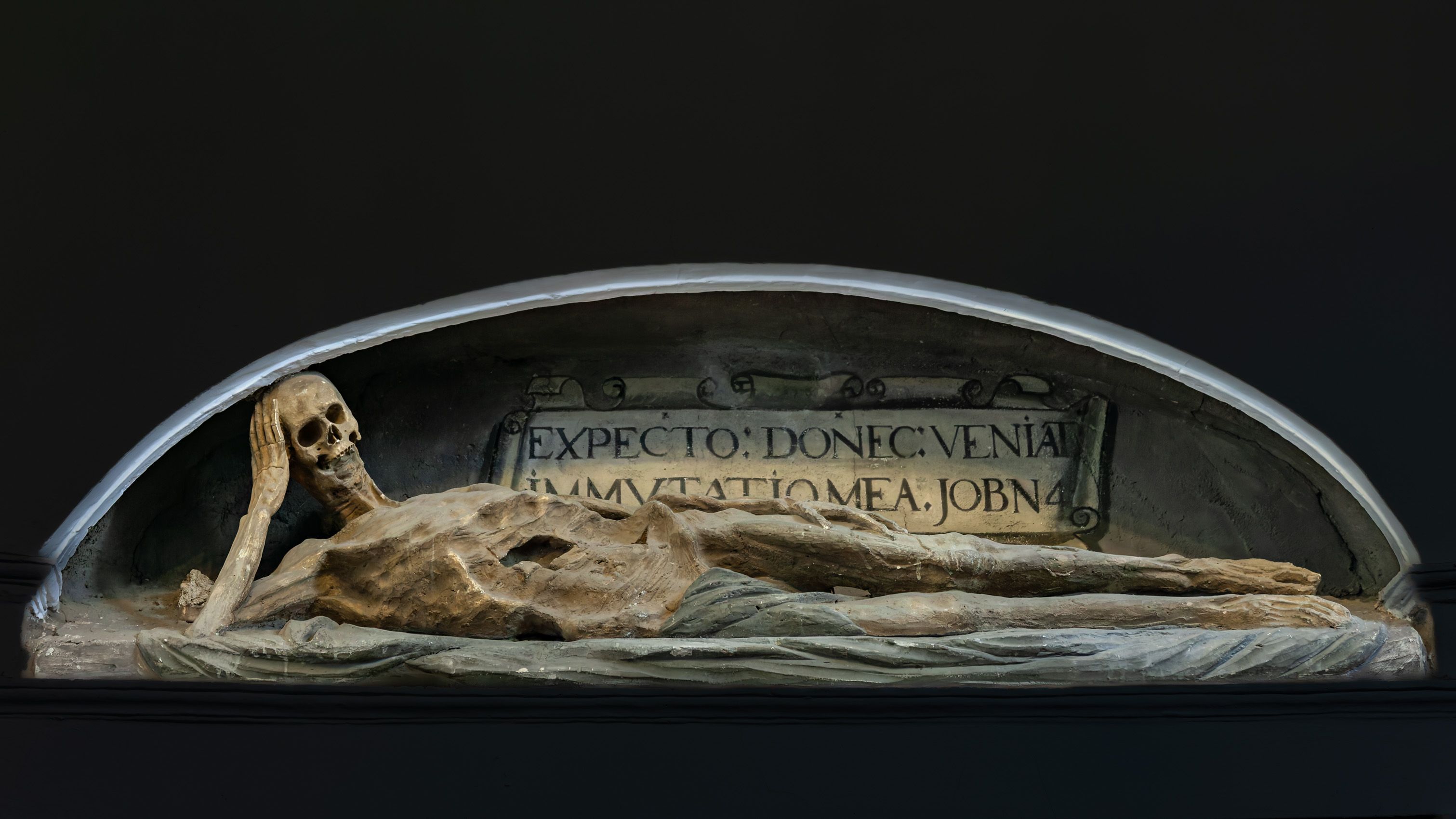
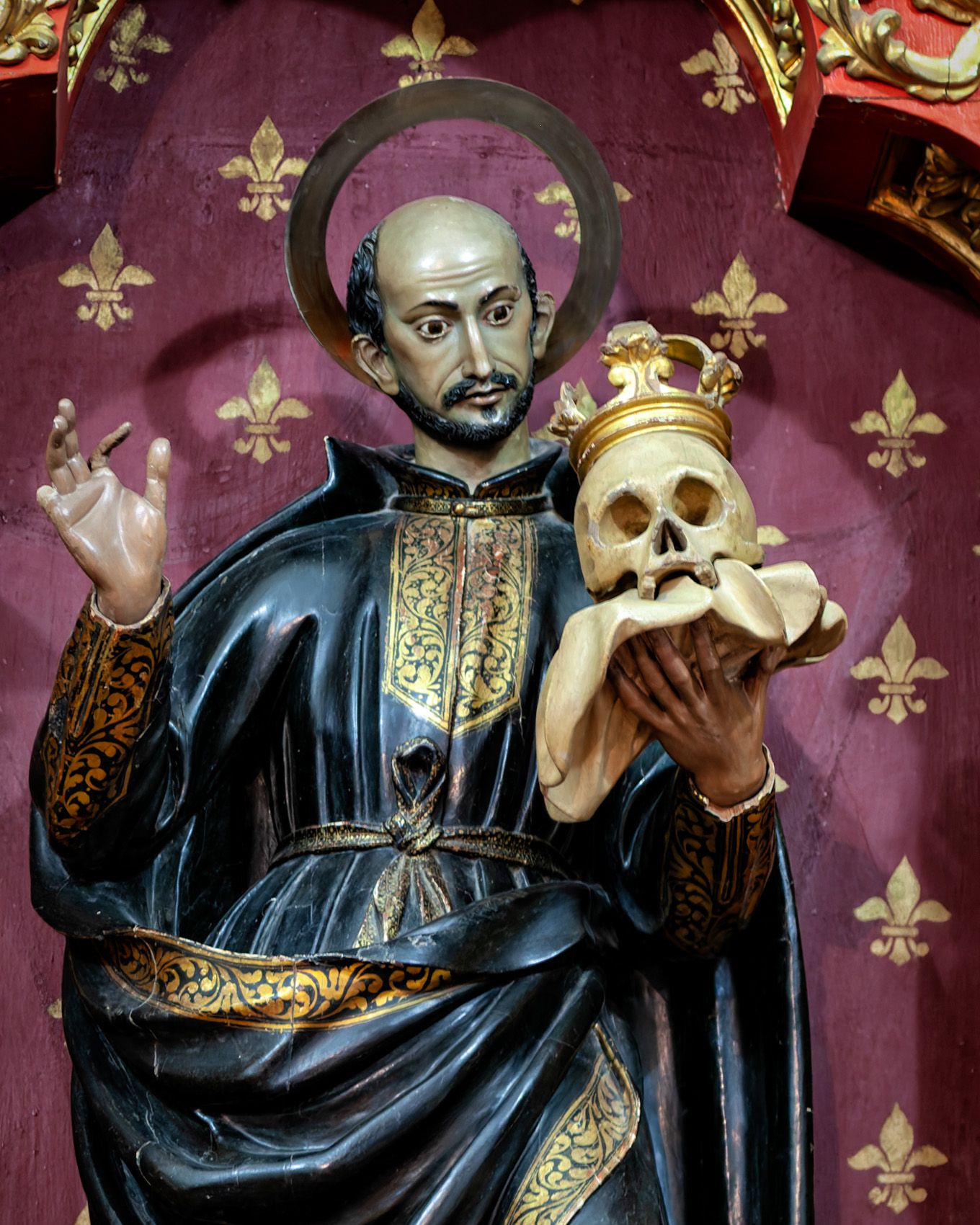
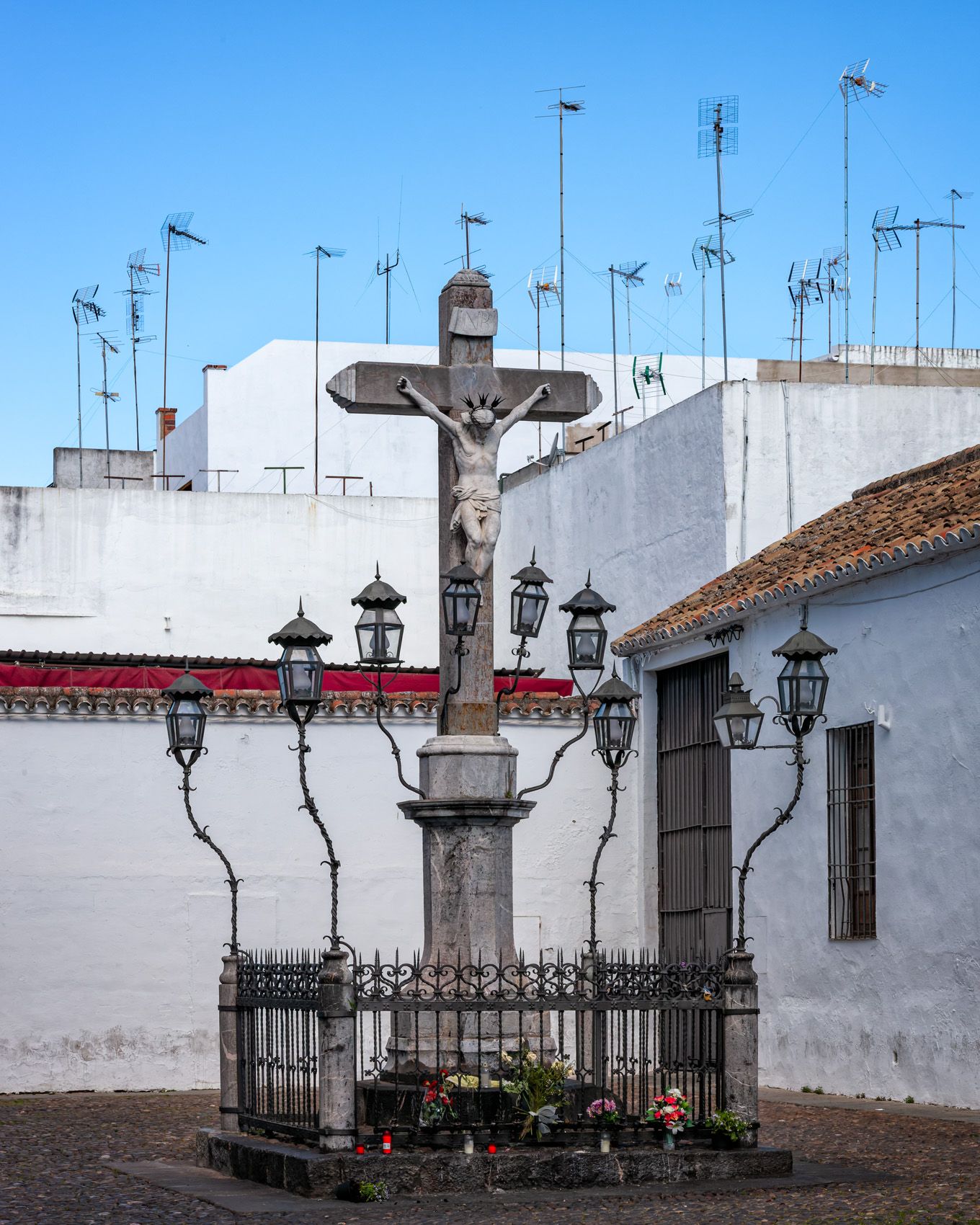
Here I open with images from Toledo, followed by those from Sevilla. Images from the festival are interspersed with a few other Christian icons from the same cities. Together Toledo and Sevilla illustrate the range within a single tradition. Sevilla externalizes faith as collective spectacle — an outpouring that is simultaneously liturgy and fiesta. Toledo turns it inward, toward contemplation. Both are authentic expressions of a culture in which the Passion is not merely remembered but, for one week each spring, genuinely relived.